Before you arrive
A night at a ryokan is usually booked with dinner and breakfast, and priced per person rather than per room. The inn plans the kitchen around its guests, so it will ask early for your dinner time and for allergies or dislikes. Some need longer than you might expect: Shoraiso asks for allergies at least a week ahead, Hiiragiya and Sumiya three days ahead for a vegetarian dinner.
Your arrival time matters more than at a hotel. Most inns open their doors at 15:00 and want you in by 18:00 or 19:00 so that dinner can start on time. Tawaraya asks guests to arrive by 18:00; Kinnotake Tonosawa may cancel a booking if you arrive after 20:00 without telling it. If your train is late, a call from your hotel concierge or from us saves the evening.
So the day begins in the middle of the afternoon, at the door.
Arrival: shoes, tea and your room
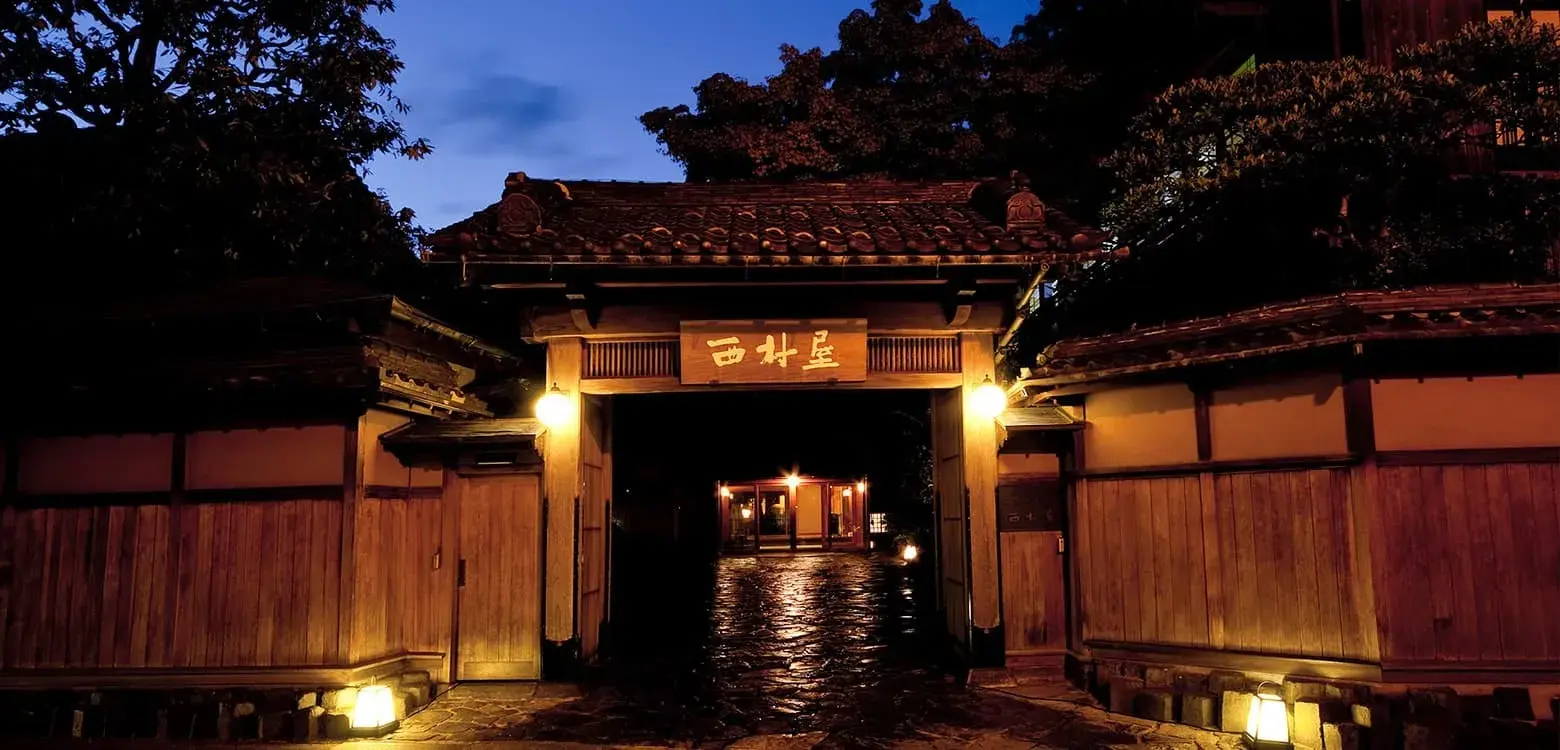
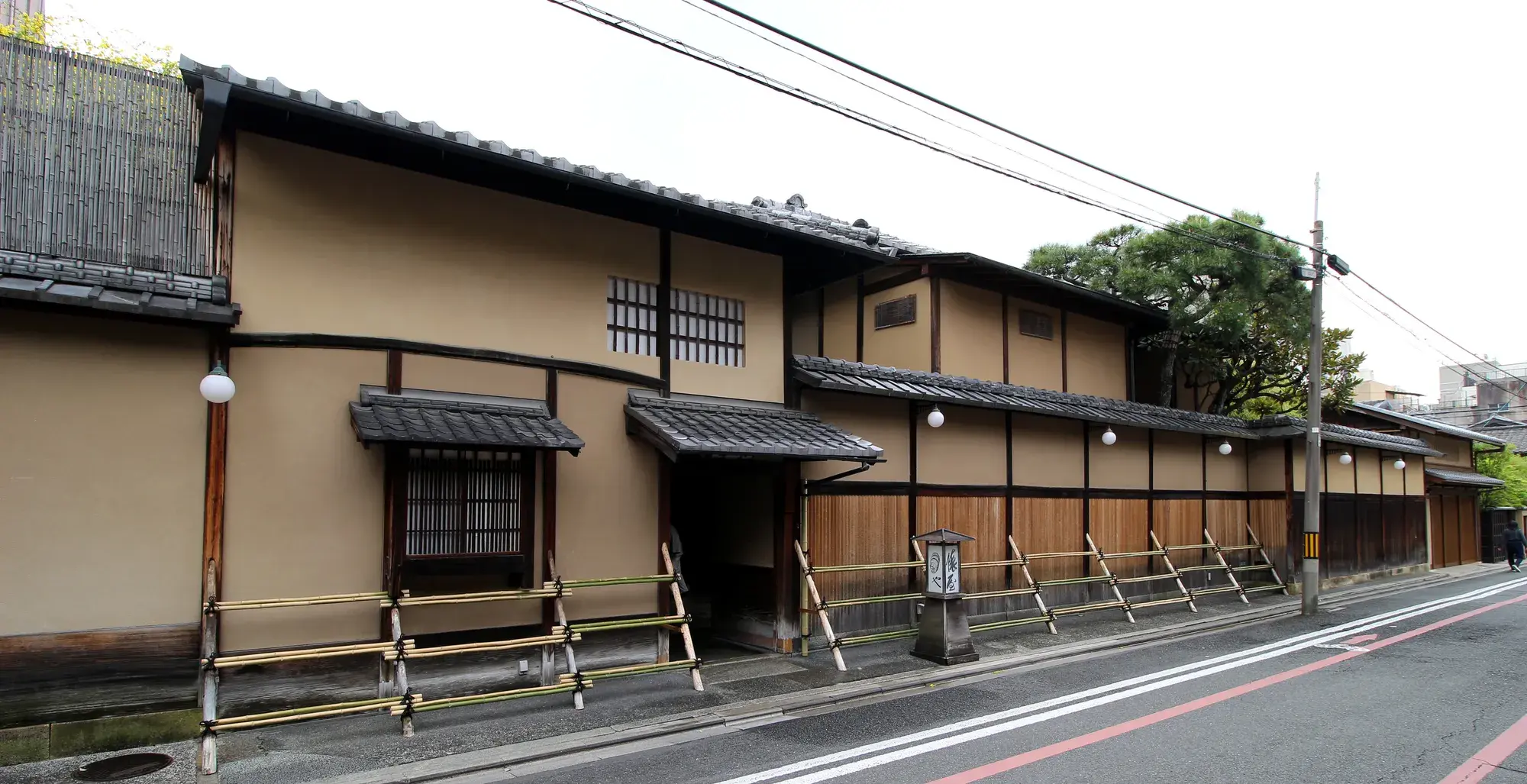
Shoes come off at the genkan, the stone entrance hall, and are taken away for you. Inside, many inns give you slippers for the corridors; on tatami you go in socks or barefoot. Some do without slippers altogether: Kofuyuden Beniya is a barefoot inn, and at Hakone Ginyu you go about in tabi socks.
You are usually shown to your room and given green tea and a sweet there, while someone explains the bath times and confirms dinner. At Naoshima Ryokan Roka check-in itself is done in the room; at Tsuruko, matcha and a sweet are served in the tea room first. At a traditional inn such as Nishimuraya Honkan, one attendant, the nakai, looks after your room for the whole stay.
Then there is an hour or two before dinner, and the usual way to spend it is in the bath.
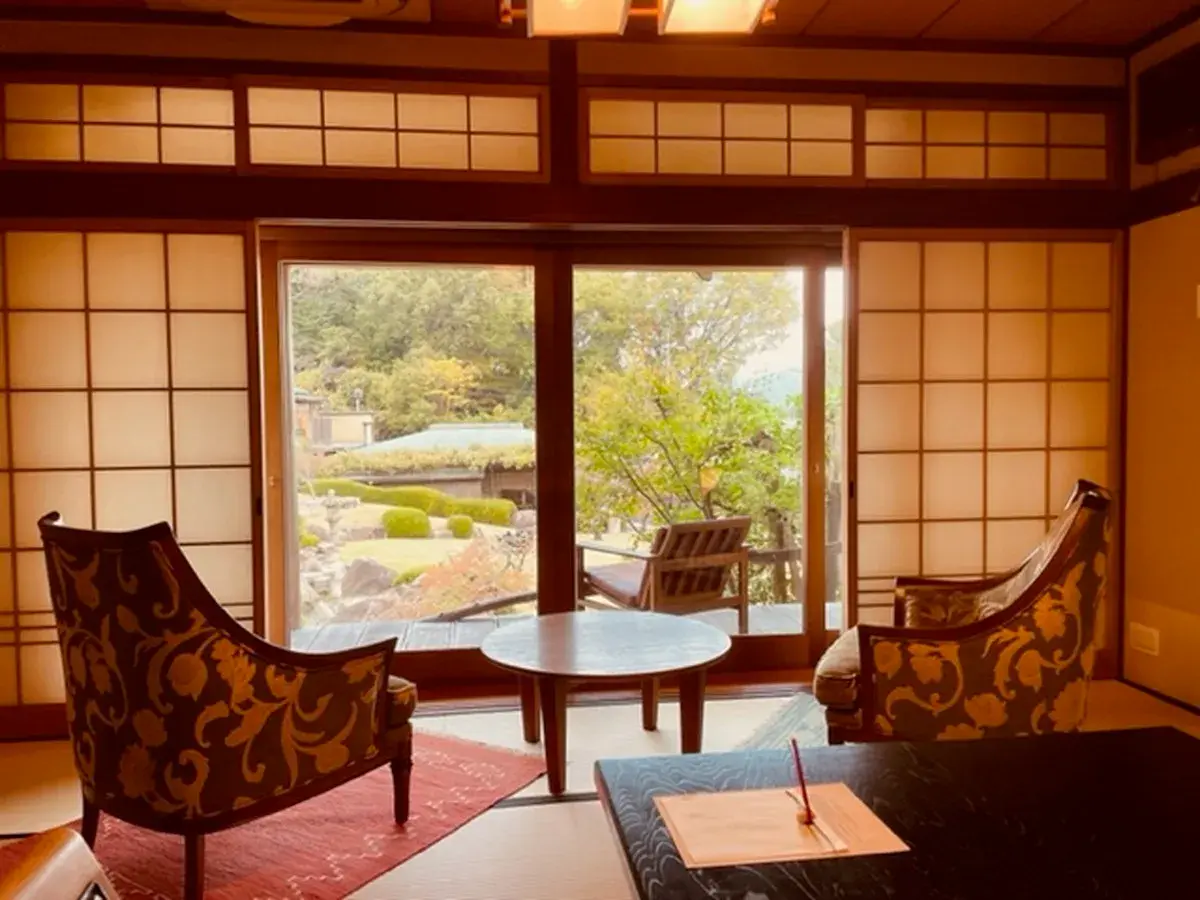
The bath before dinner
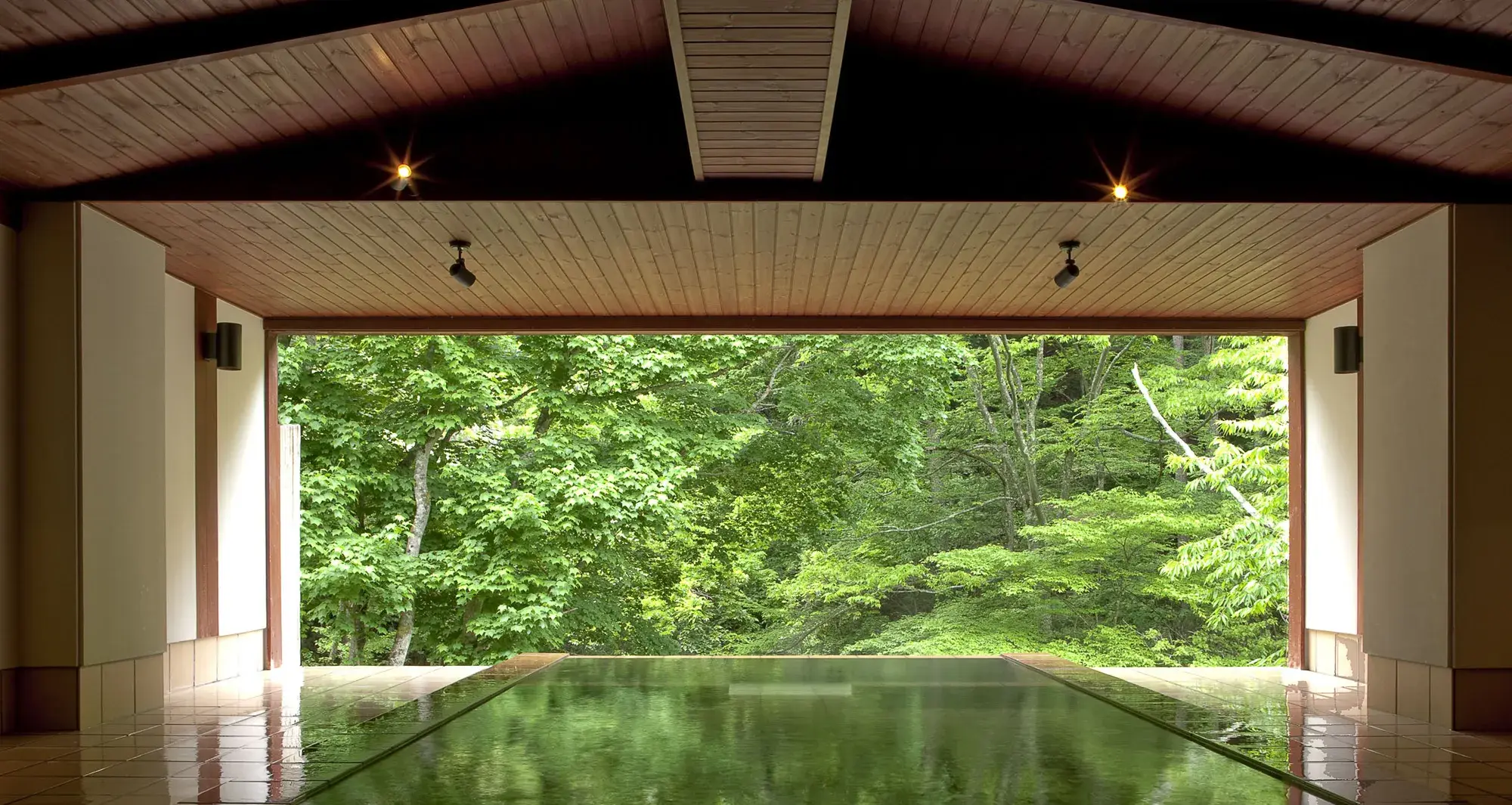
Change into the yukata, the cotton robe left folded in your room, and wear it to the bath. Shared baths are separate for men and women and often swap between the two, so you can try both: at Hakone Ginyu they change over at 22:00, at Fufu Atami daily. Most close for a few hours overnight and reopen early; Fufu Hakone's rooftop baths are open from 6:00 to 11:00 and from 15:00 to midnight.
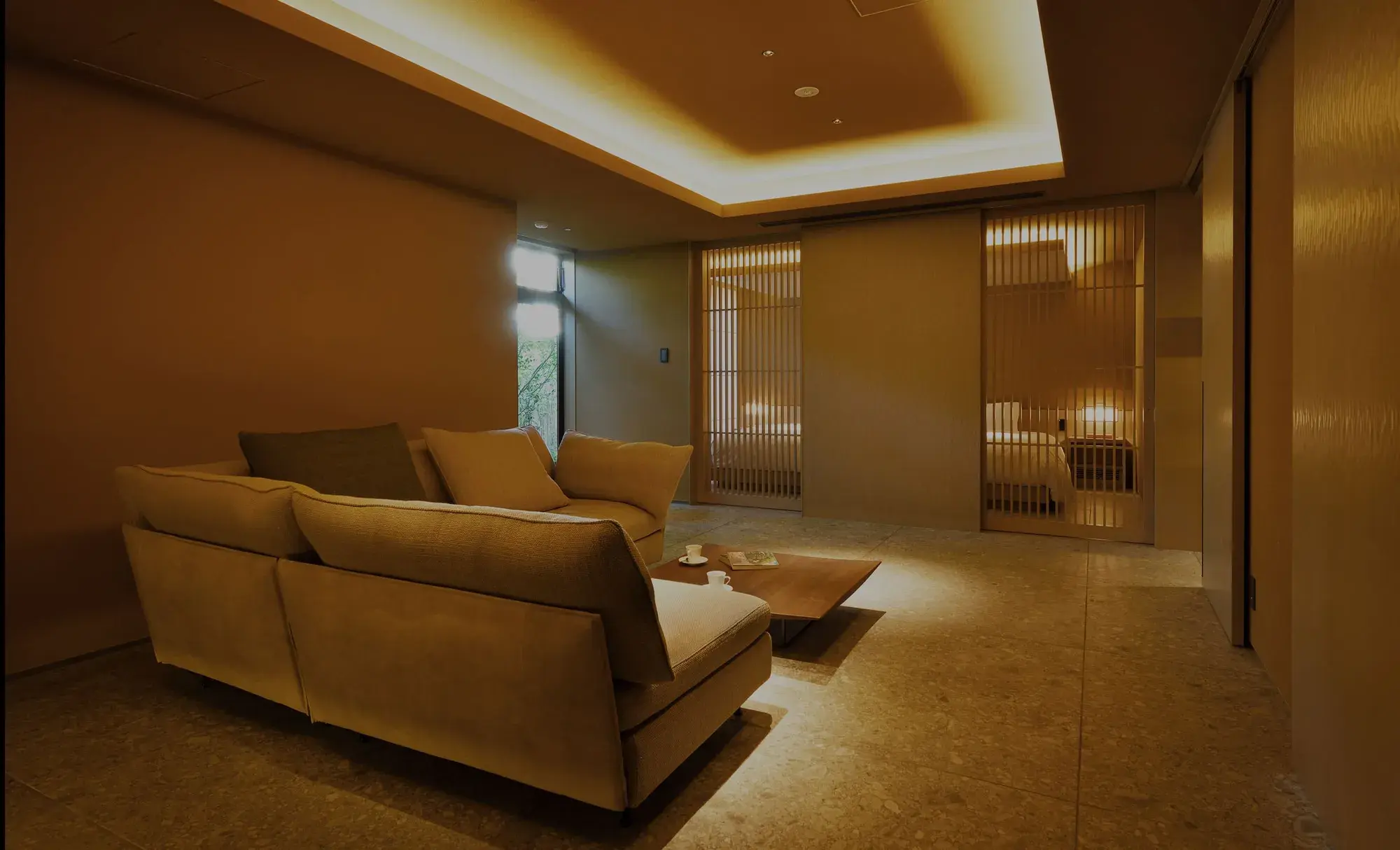
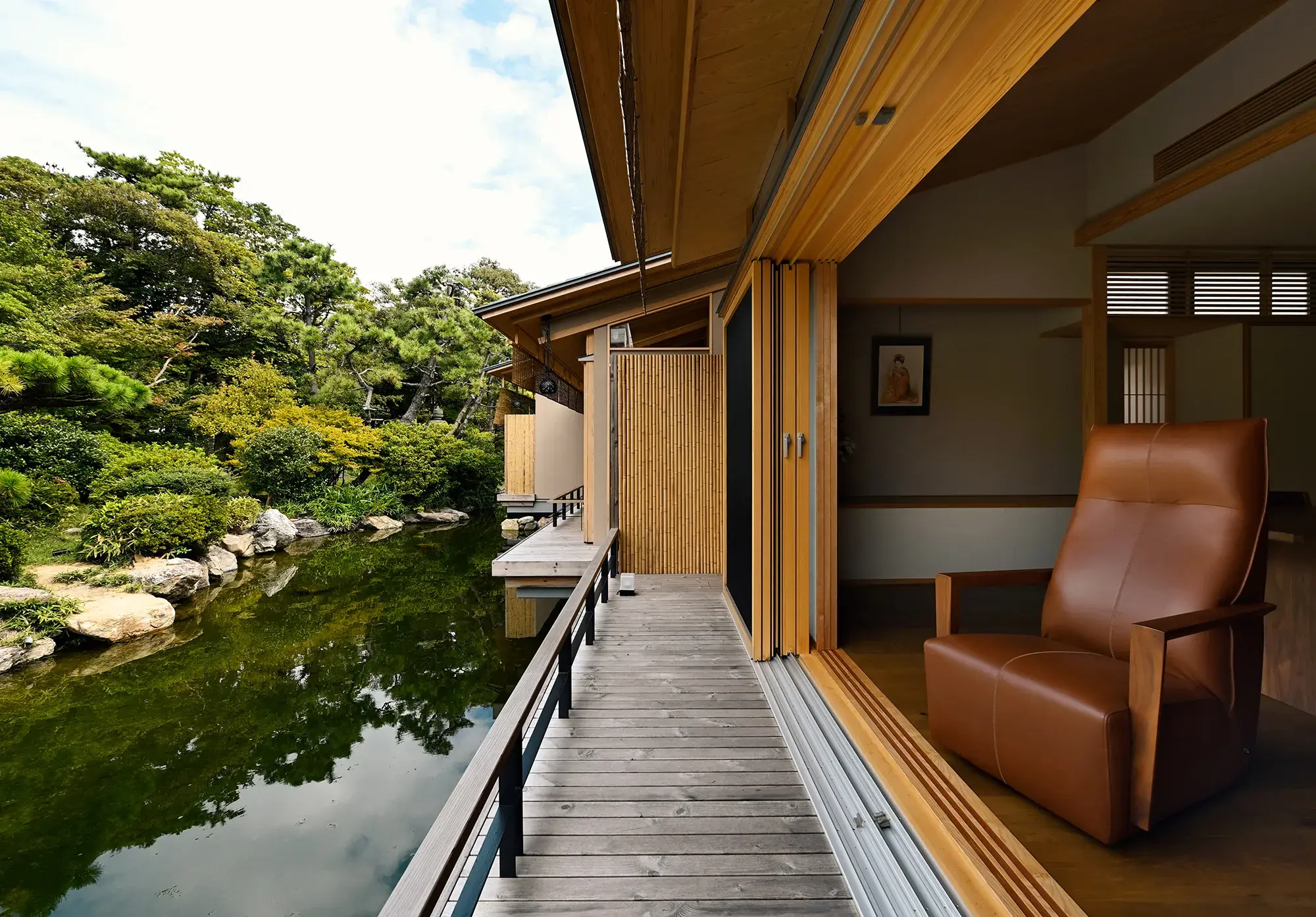
If your room has its own bath, as at many of the inns on our list, you can bathe whenever you like. How to behave in a shared bath is in our guide to ryokan etiquette.
Dinner comes next, at the time you agreed, and it is the centre of the stay.
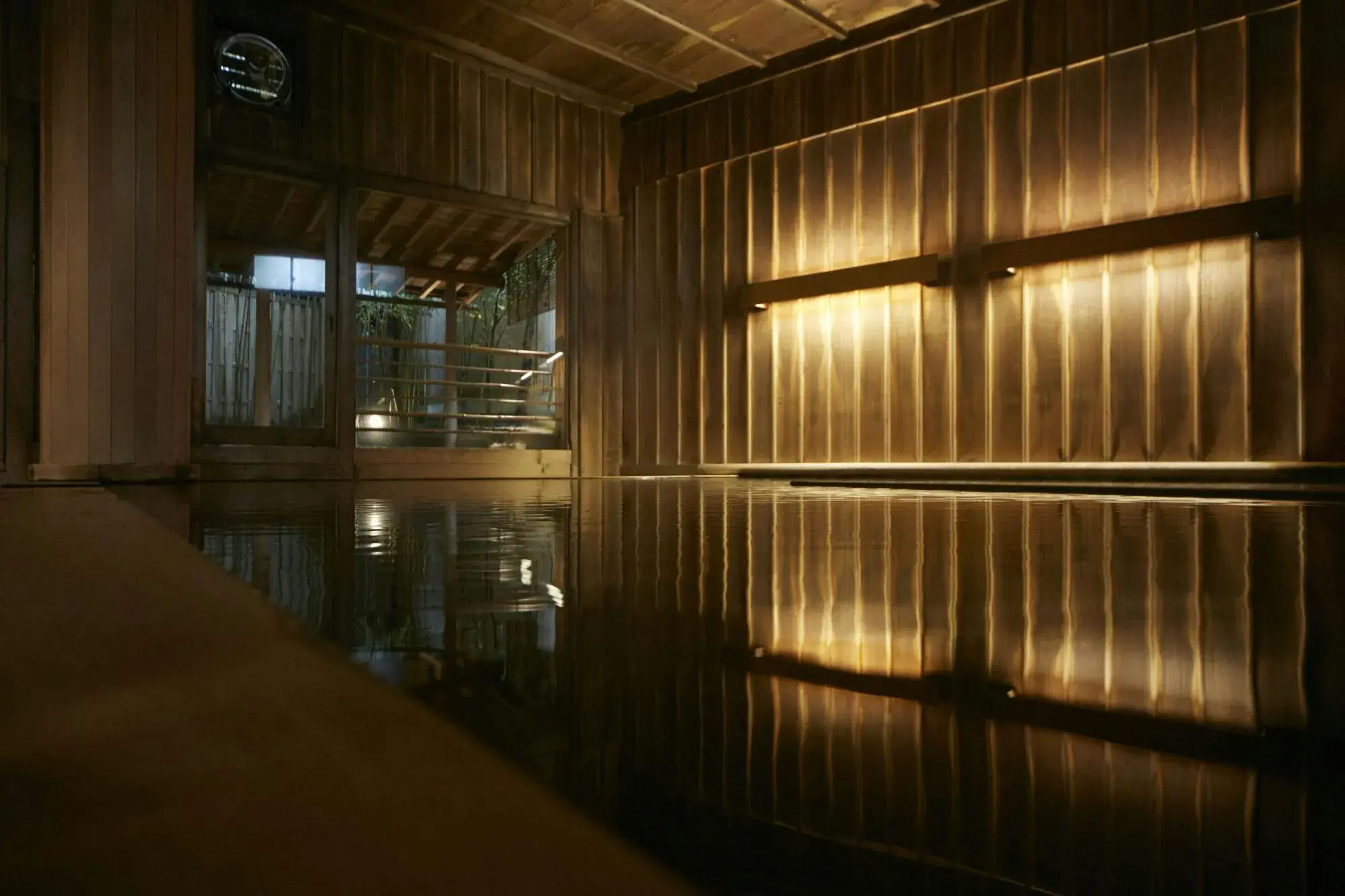
Dinner, at the hour you chose
Dinner is usually kaiseki, a long seasonal meal brought course by course over about two hours. Depending on the inn it is served in your room, in a private dining room or in a restaurant, and the time is fixed: most inns offer a choice of two or three sittings between about 17:30 and 19:30. Our guide to kaiseki explains the courses.
Because the kitchen cooks for a set number at a set time, a missed dinner is rarely refunded: Tawaraya says so plainly. The list below gives the hours at the inns we know.
On our list
Check-in, dinner and check-out53
The other 48
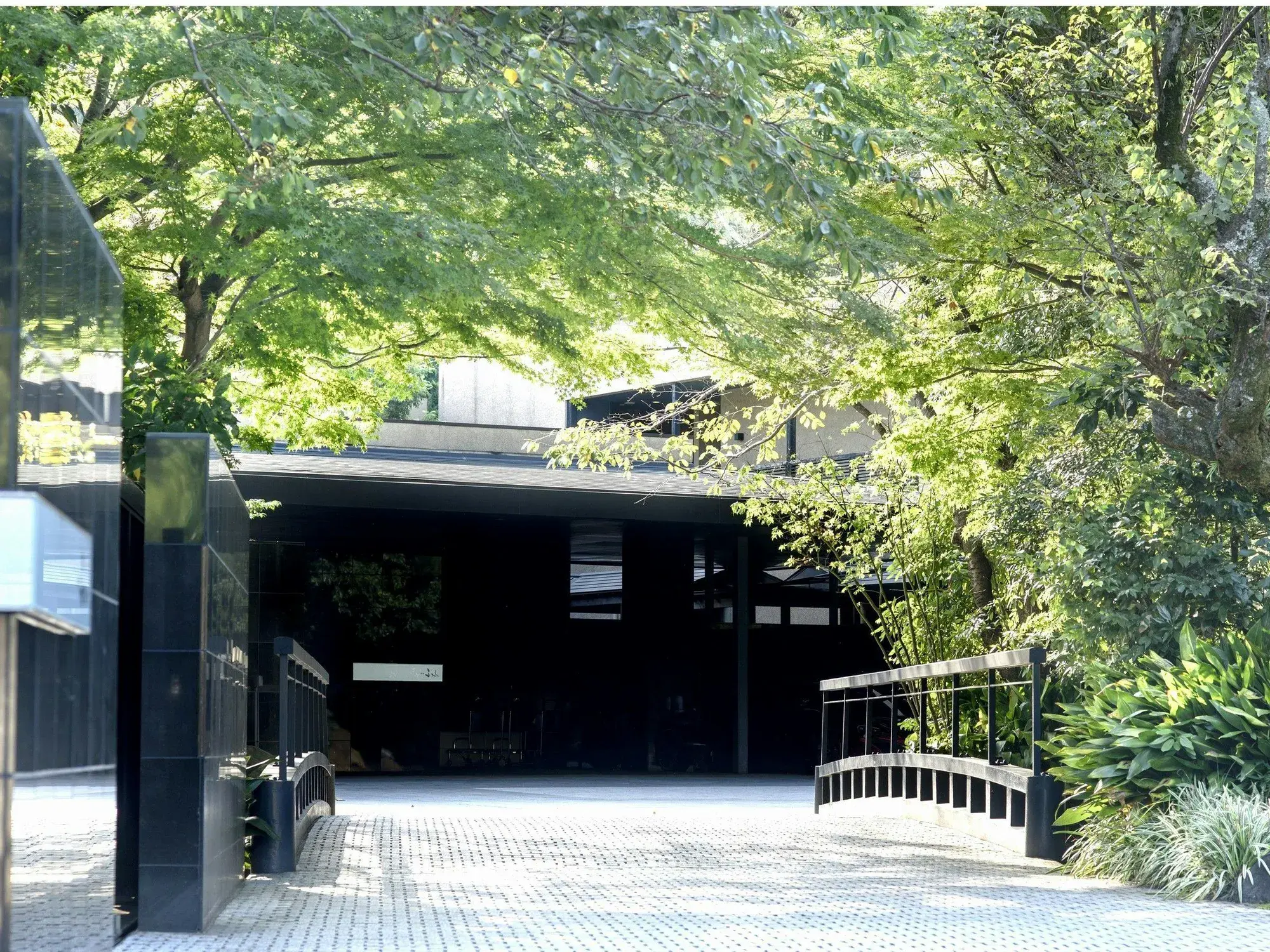
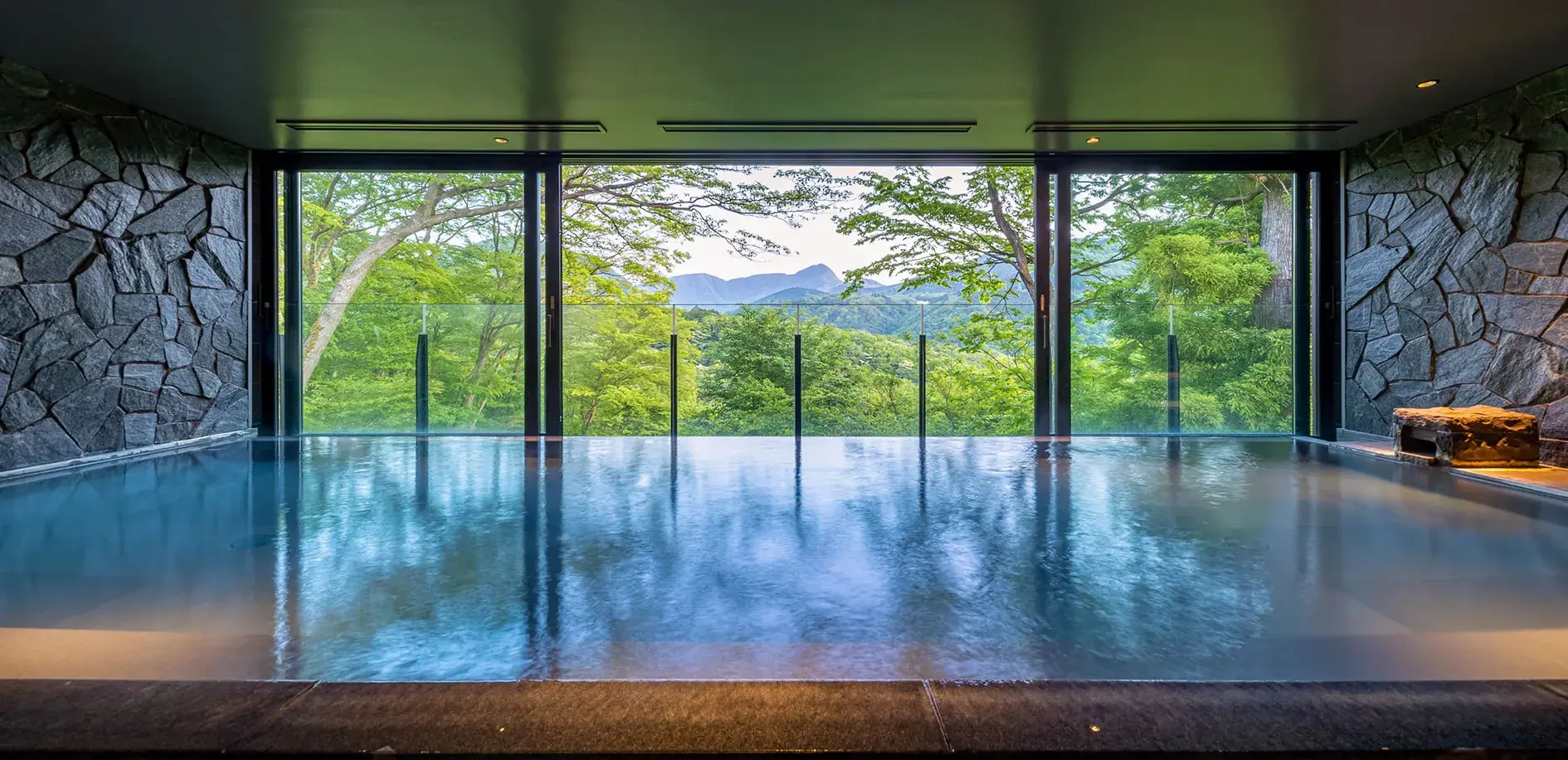
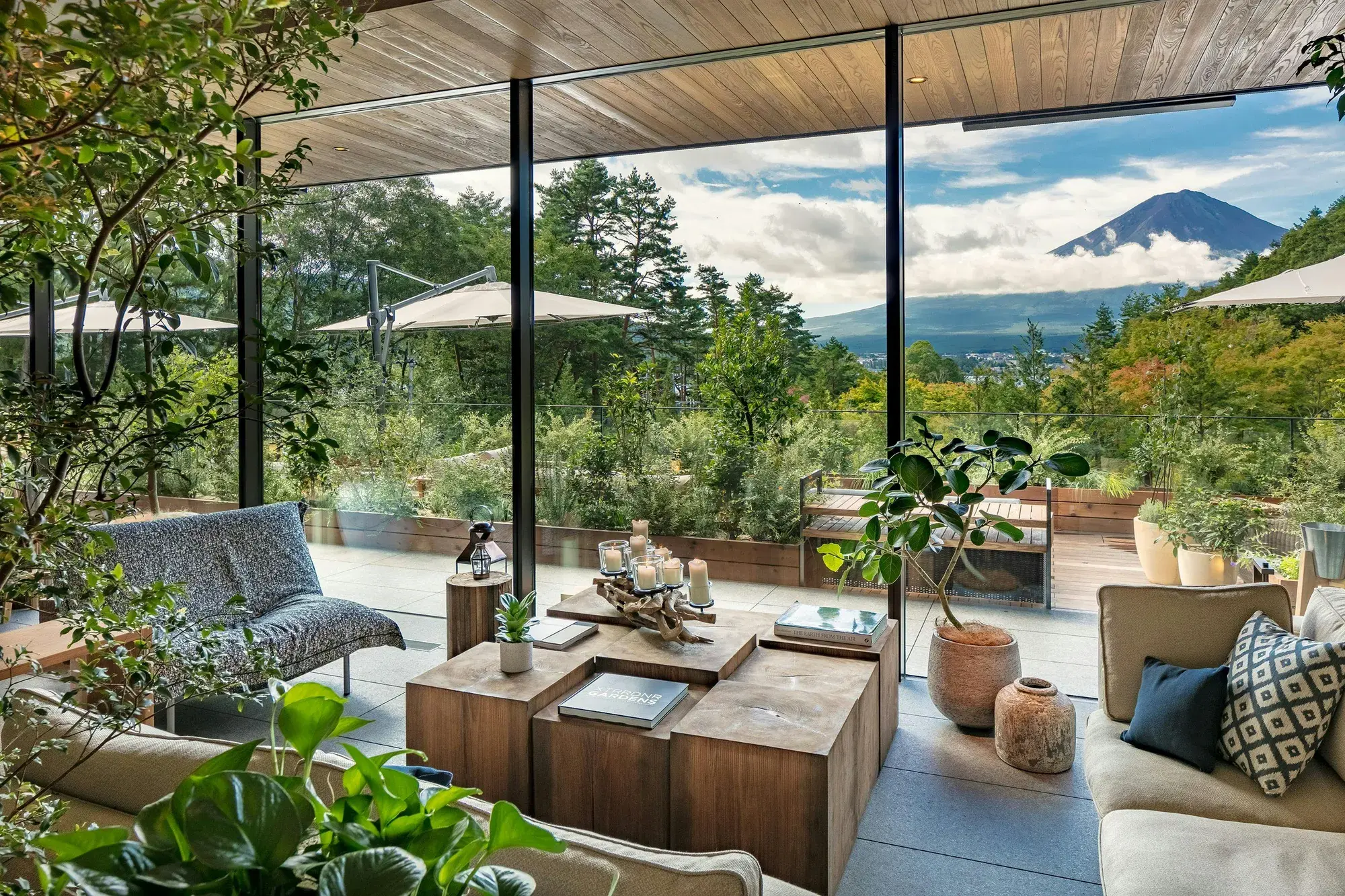
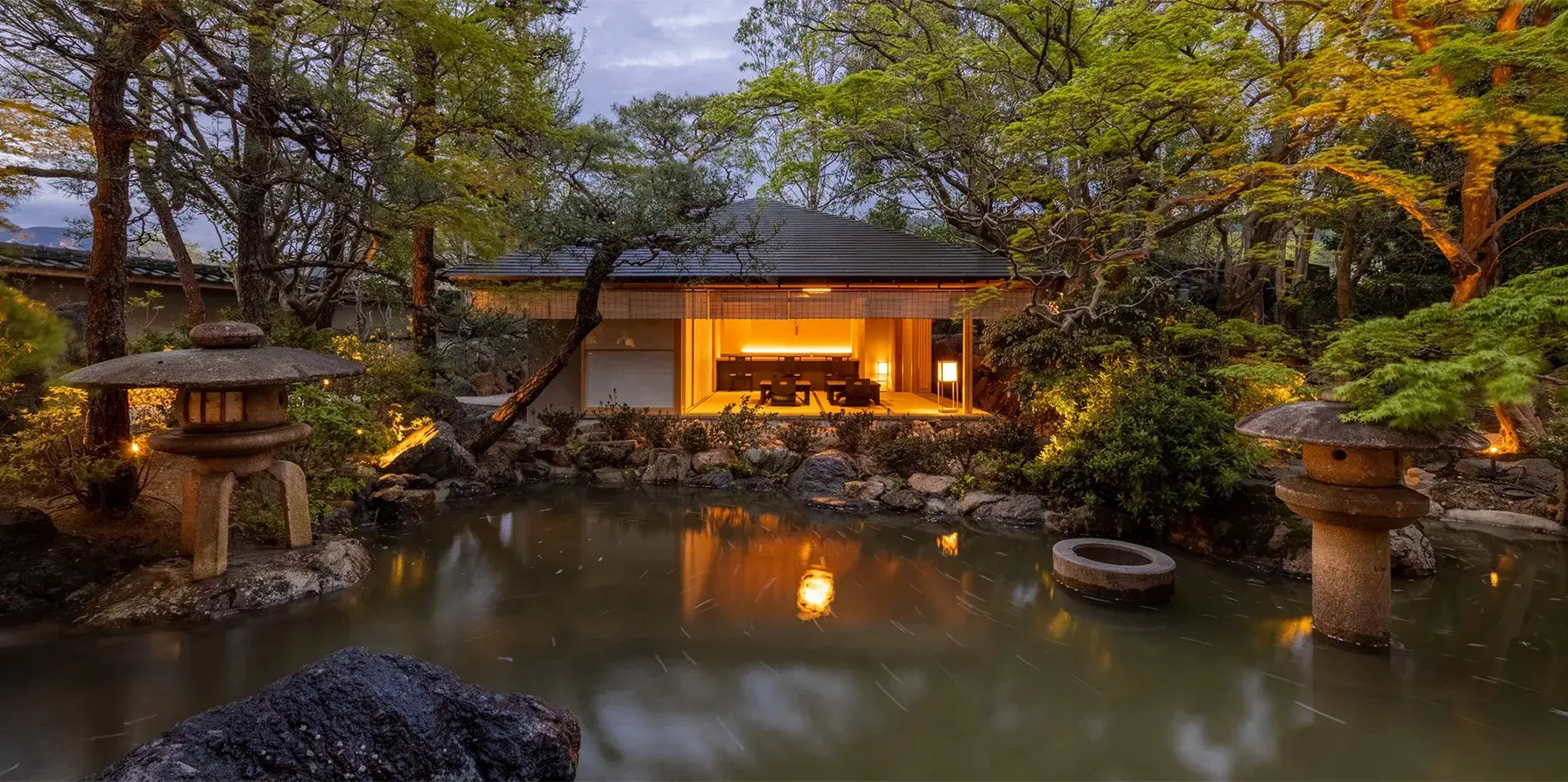 Fufu KyotoNanzenji, Kyoto
In 15:00–23:00 on breakfast plans; 15:00–18:00 on plans with dinner · dinner 18:00 to 20:30 · out 11:00
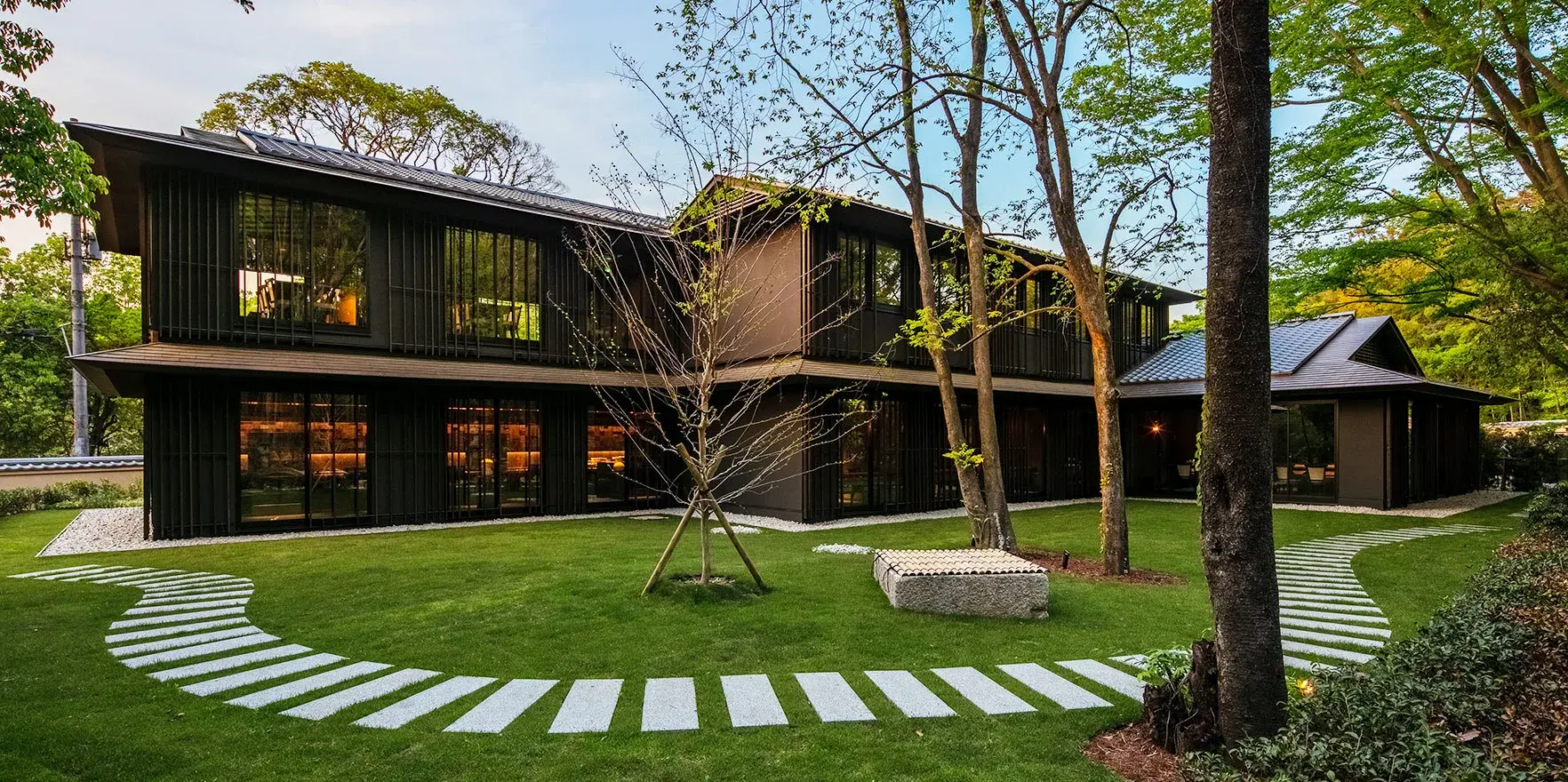 Fufu NaraTakabatake, Nara
In 15:00–22:00 on breakfast plans; by 19:00–20:00 on plans with dinner · dinner 18:00 to 20:30 · out 11:00
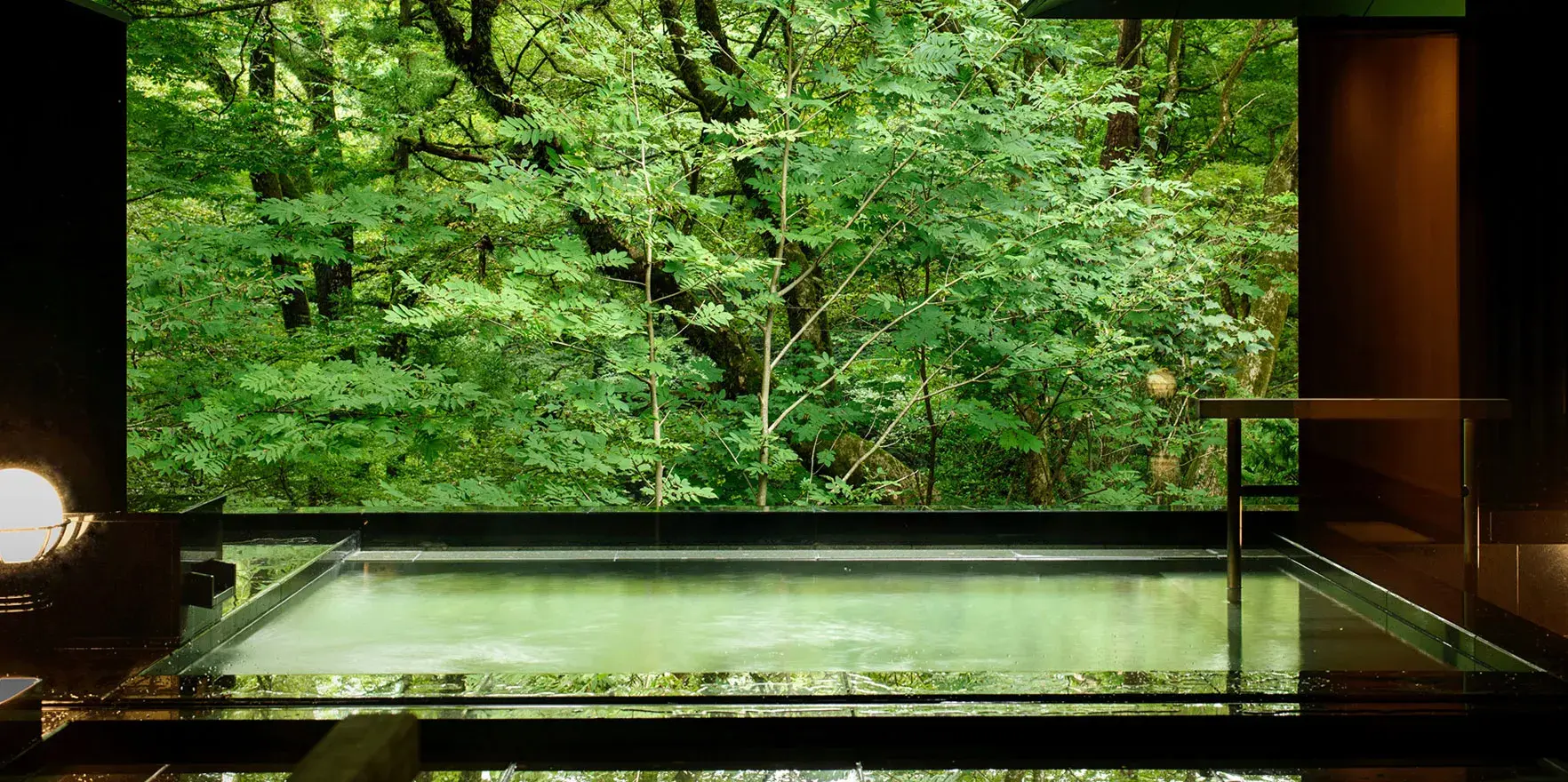
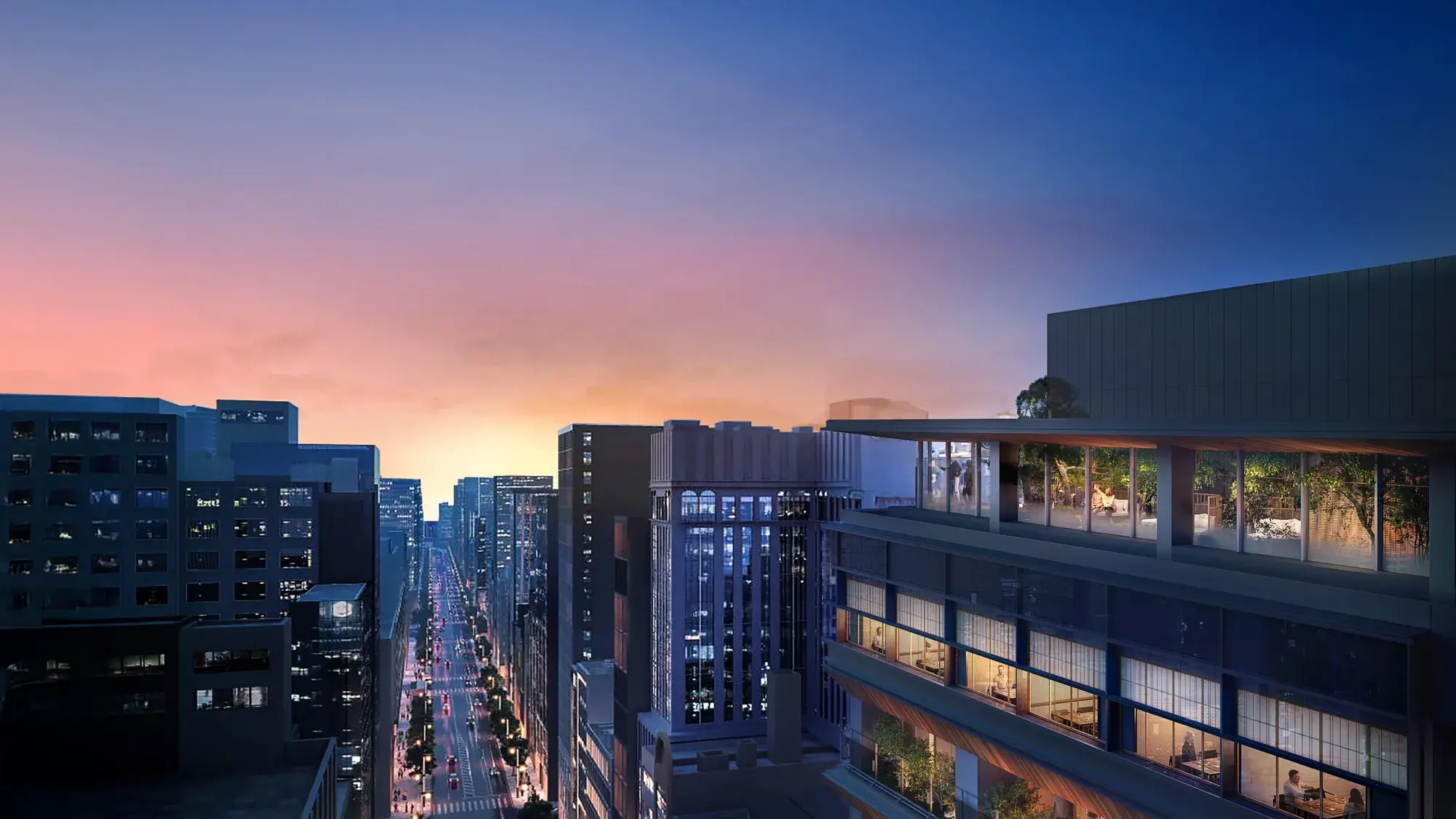
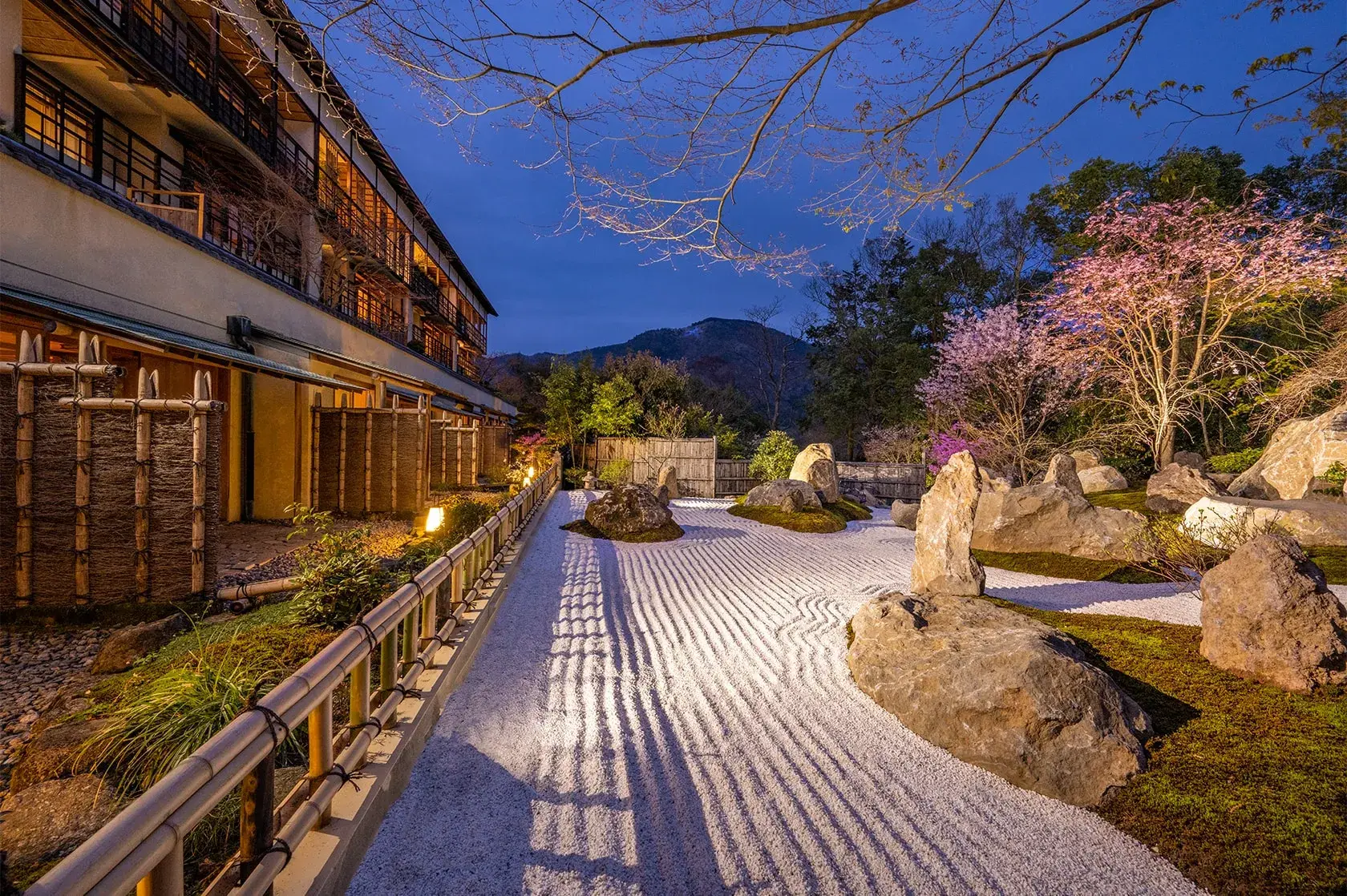
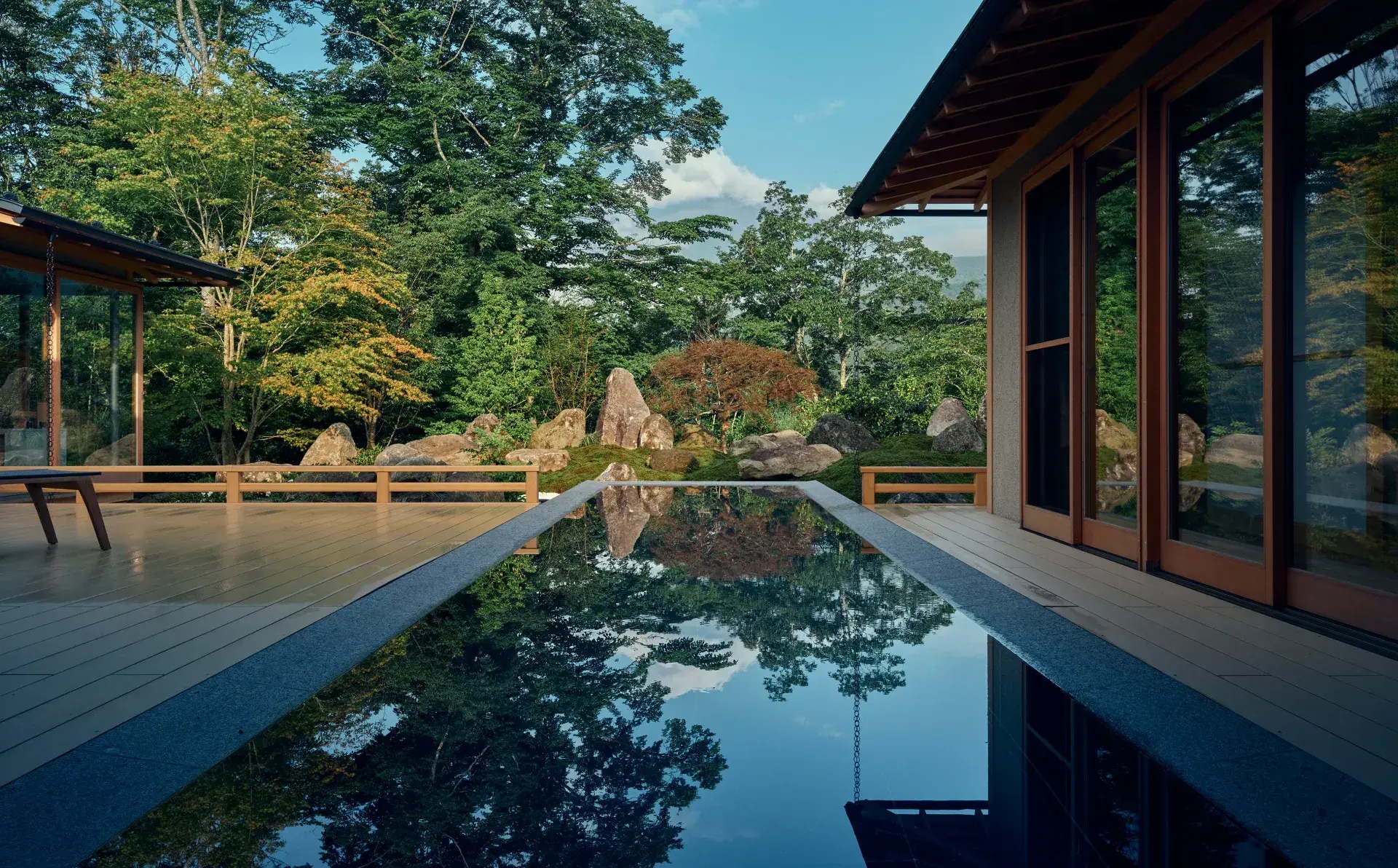
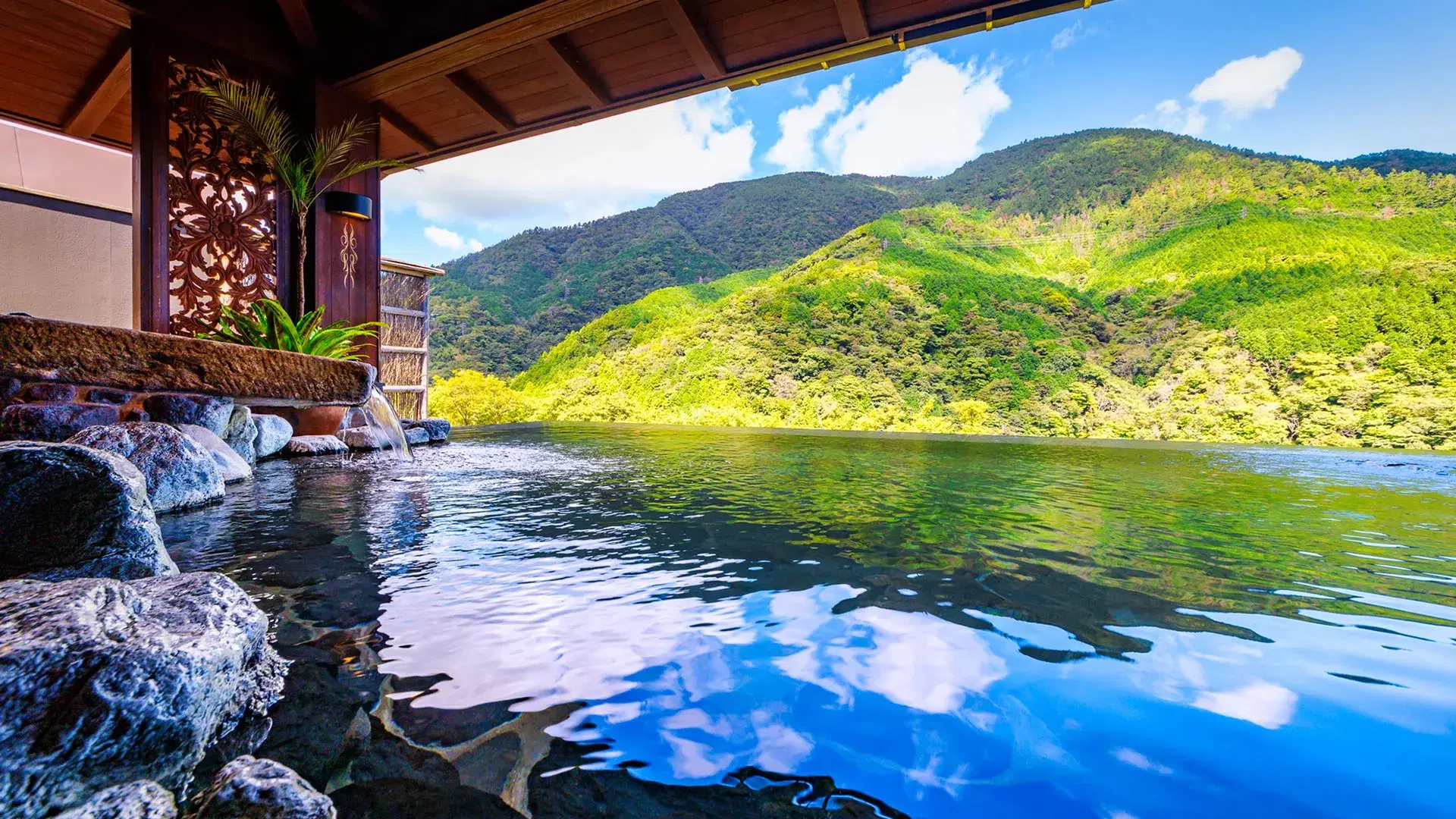
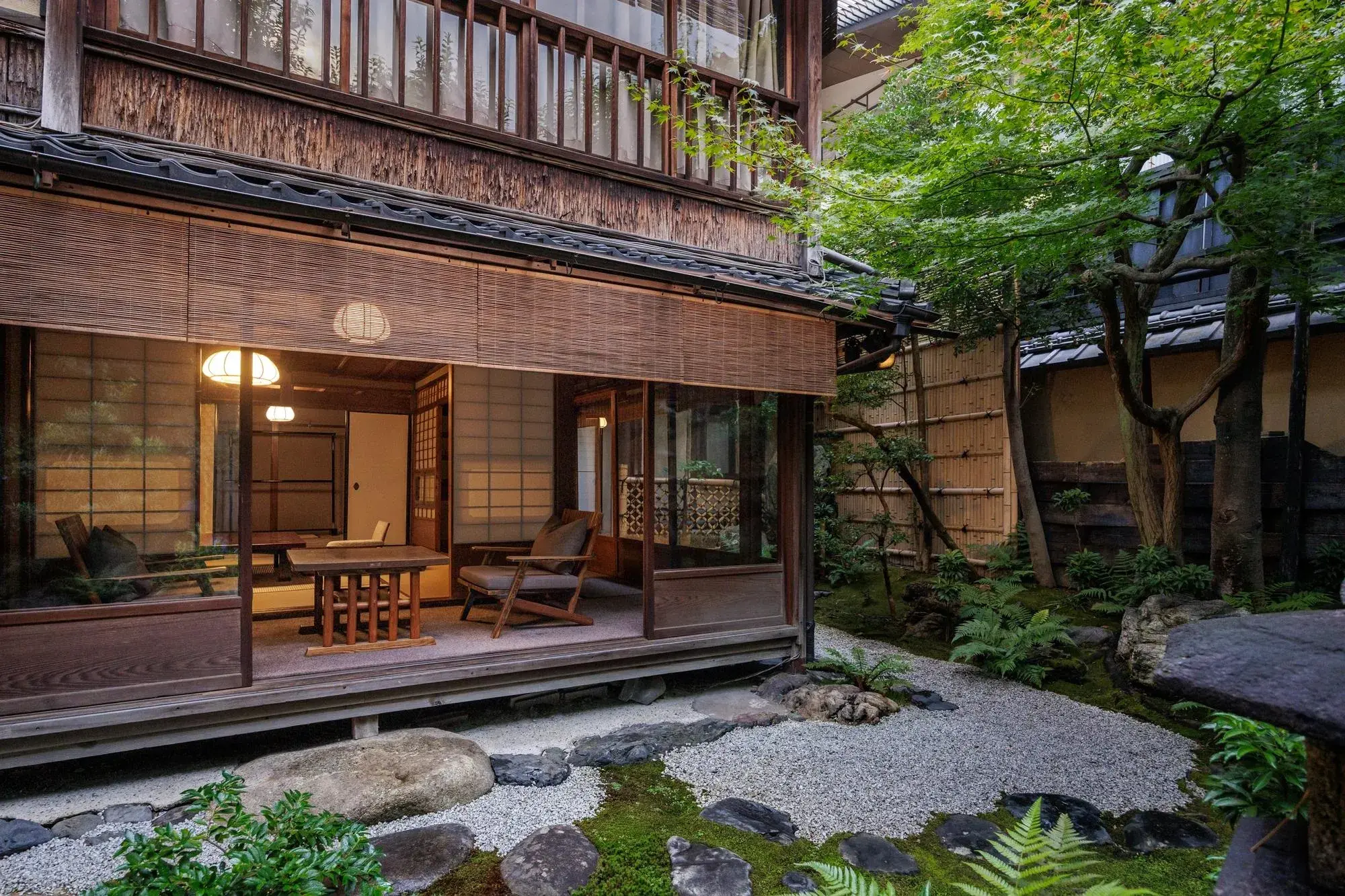
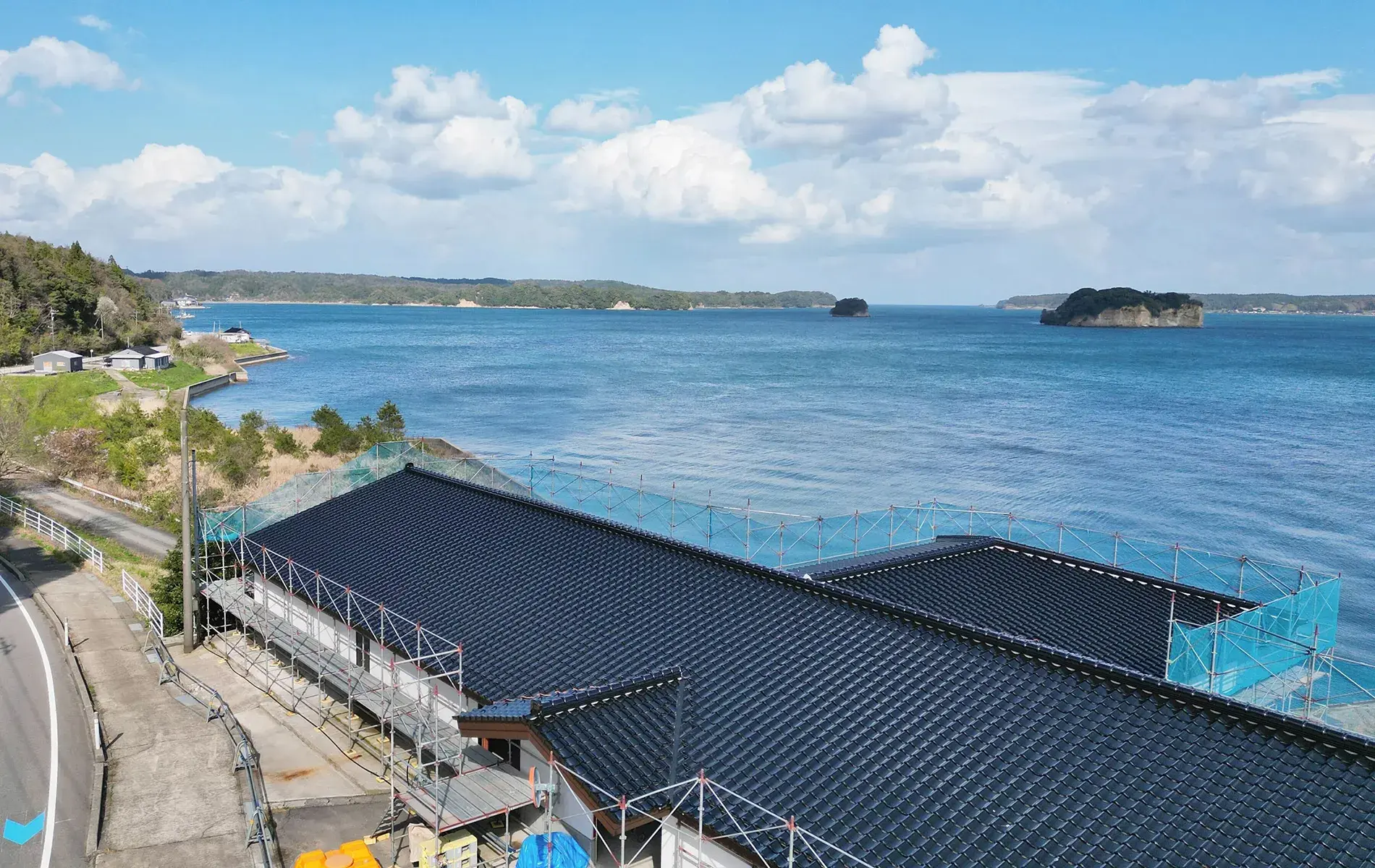
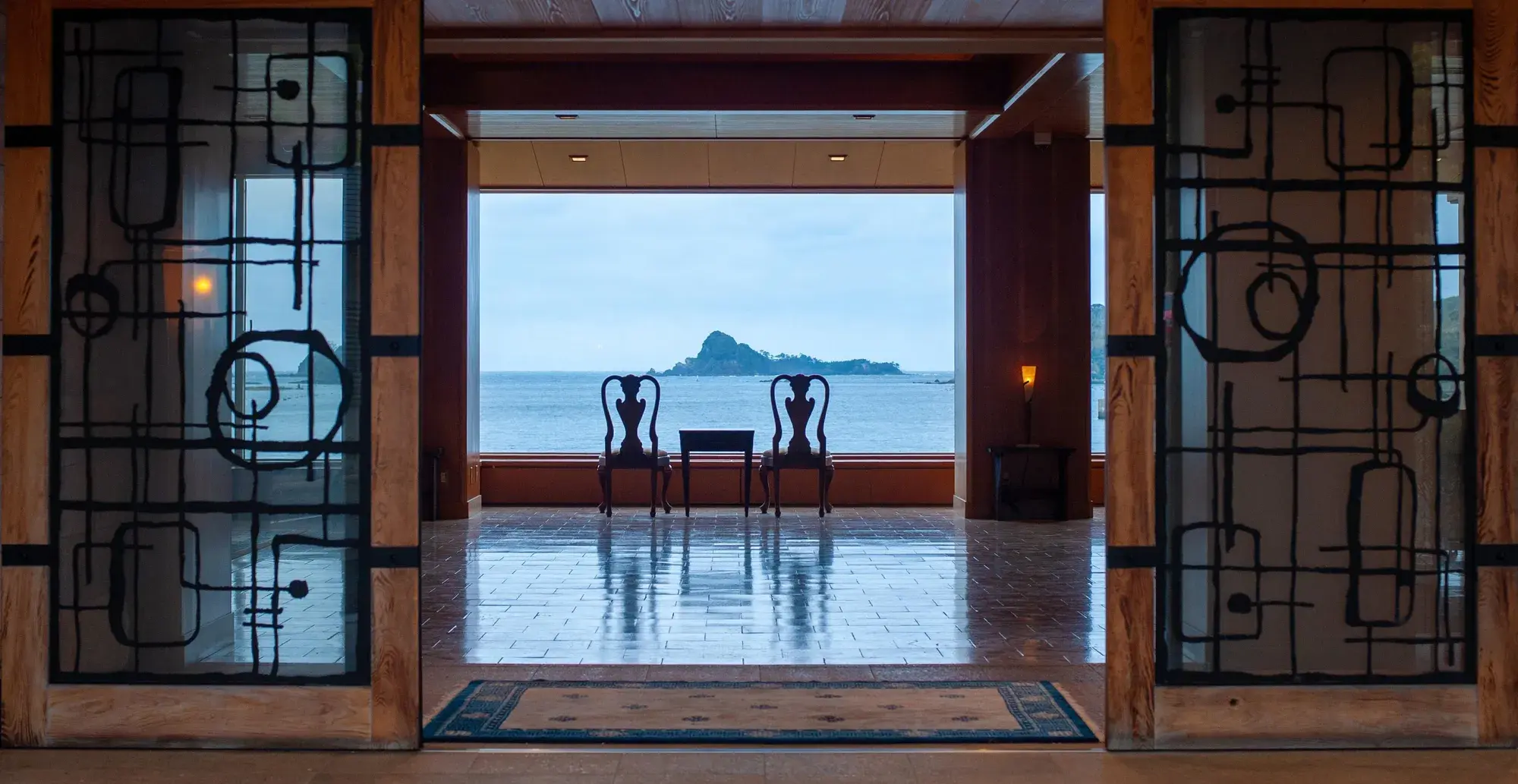 Iki Retreat Kairi Murakami by Onko ChishinYunomoto Onsen, Iki
In 15:00 · dinner 18:00 to 19:30 · out 11:00
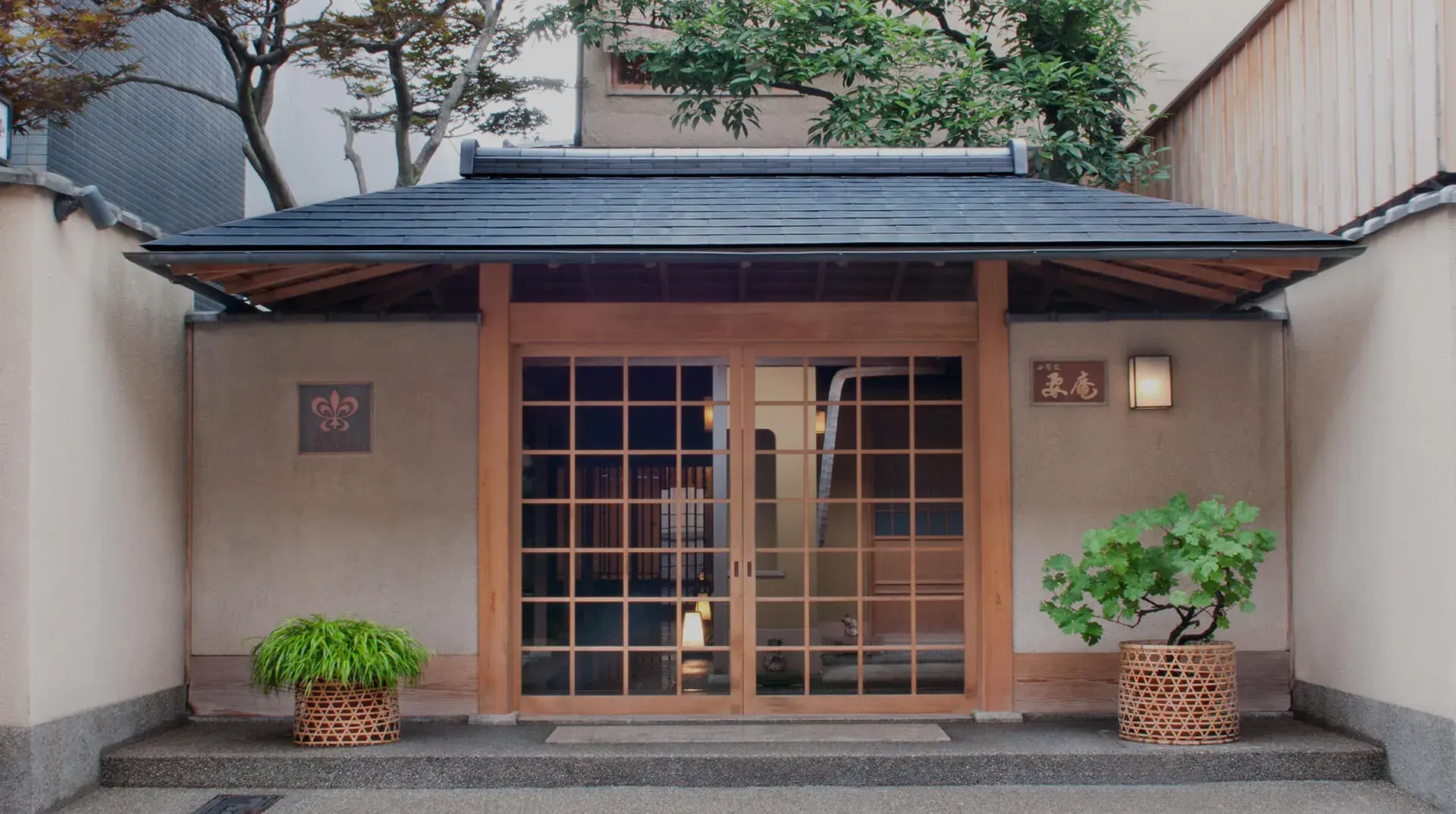
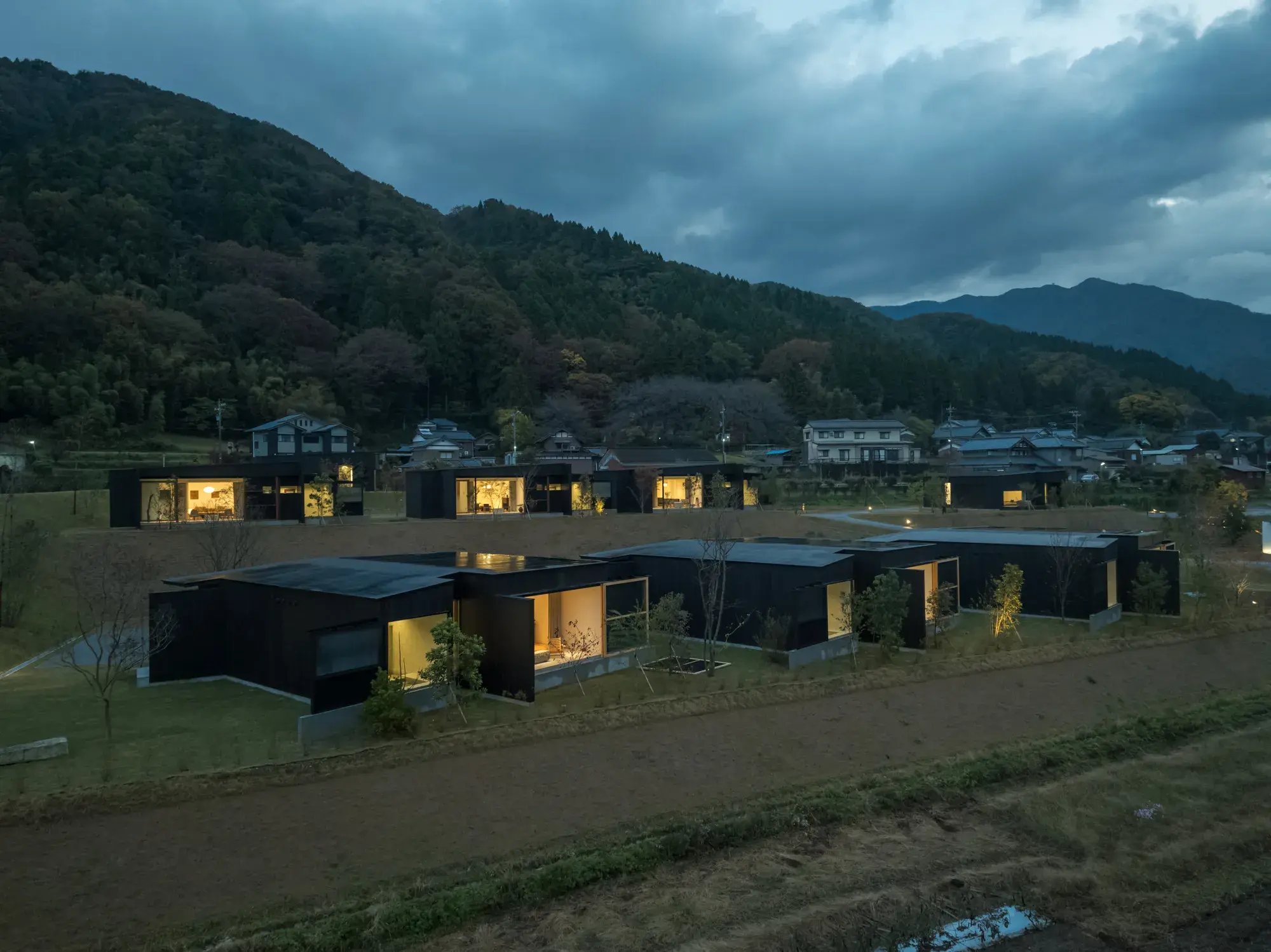
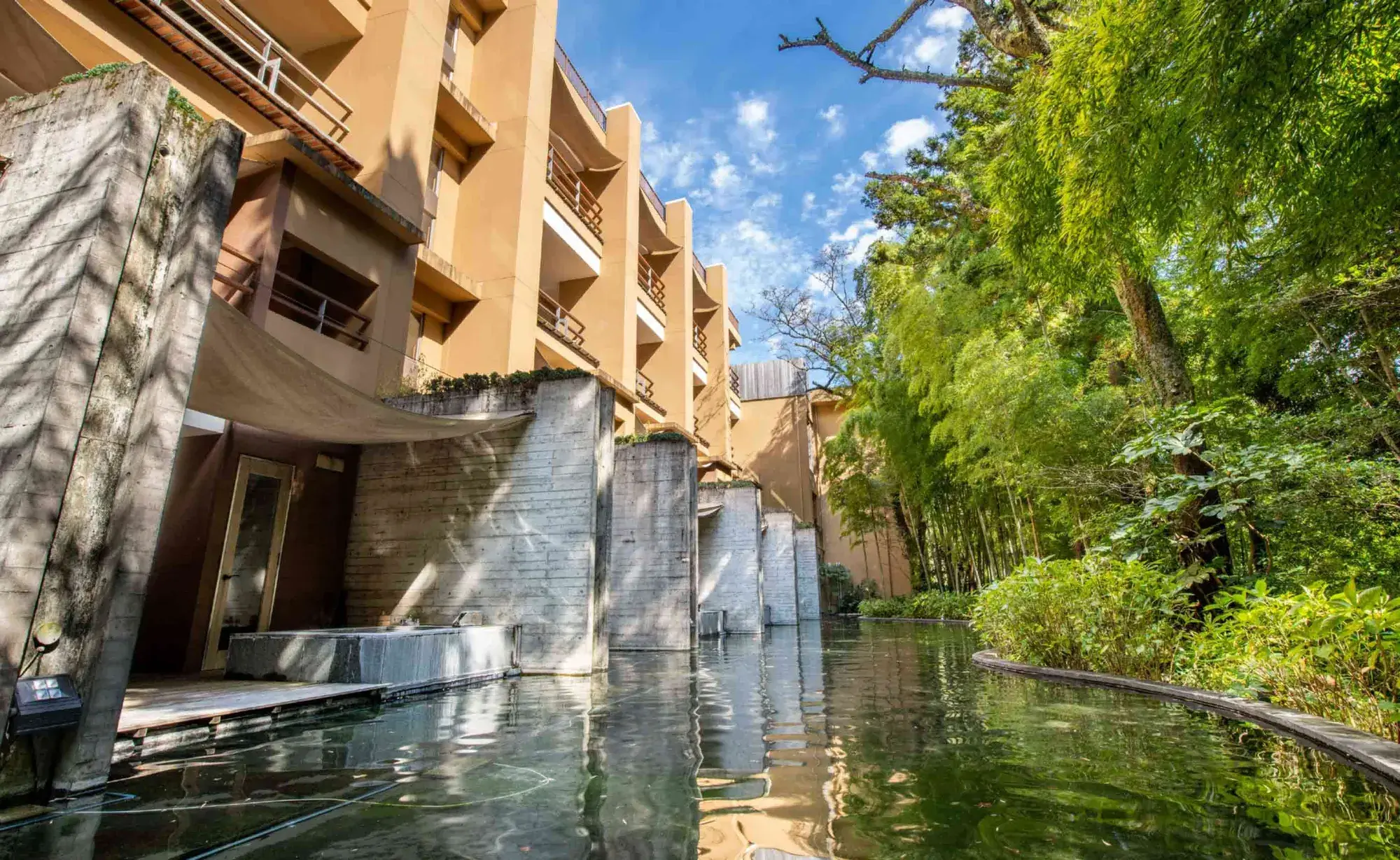
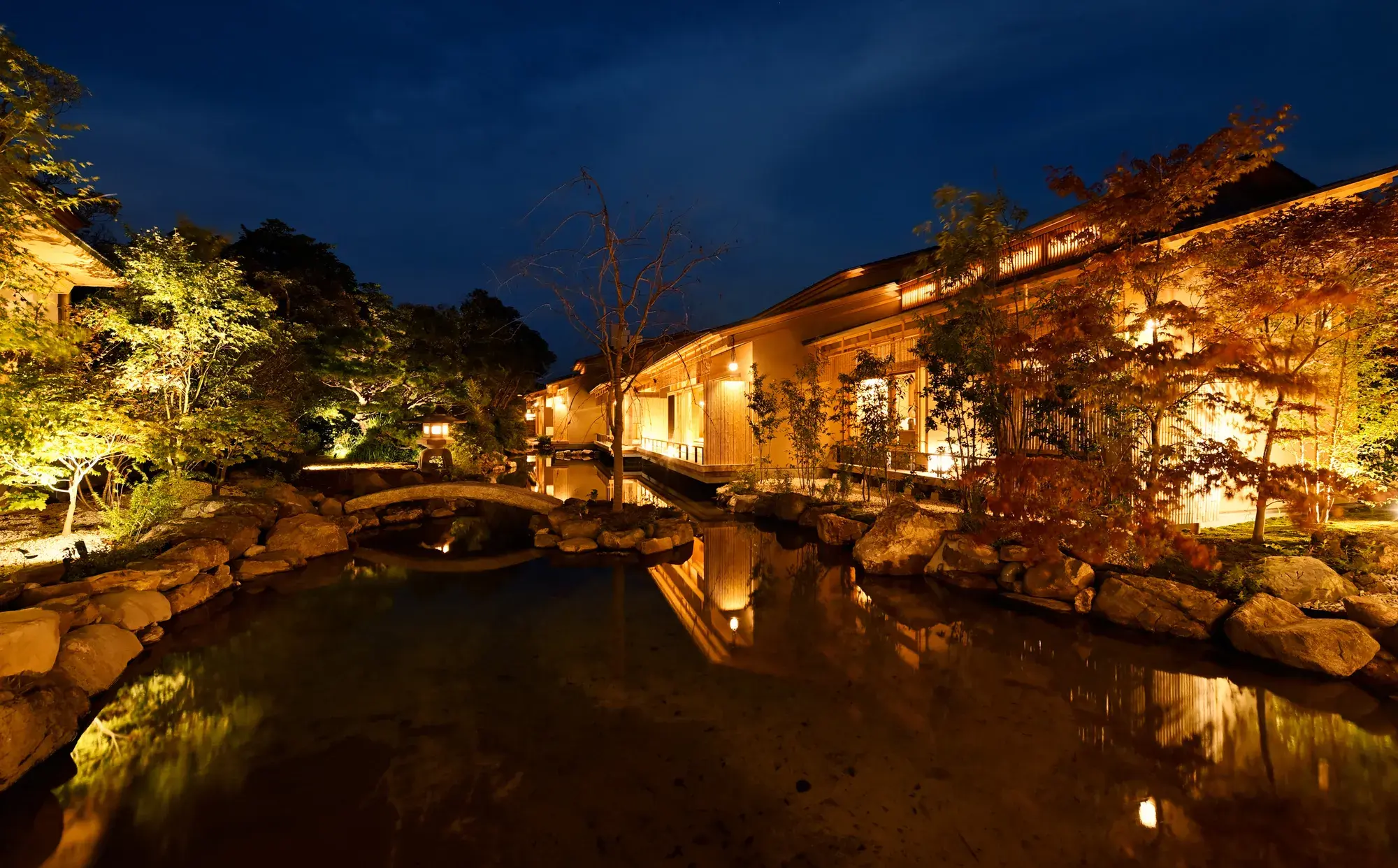 Kofuyuden BeniyaAwara Onsen
In 15:00, in the room or in the lobby · dinner 18:00 to 19:00 · out 11:00, in the room or in the lobby
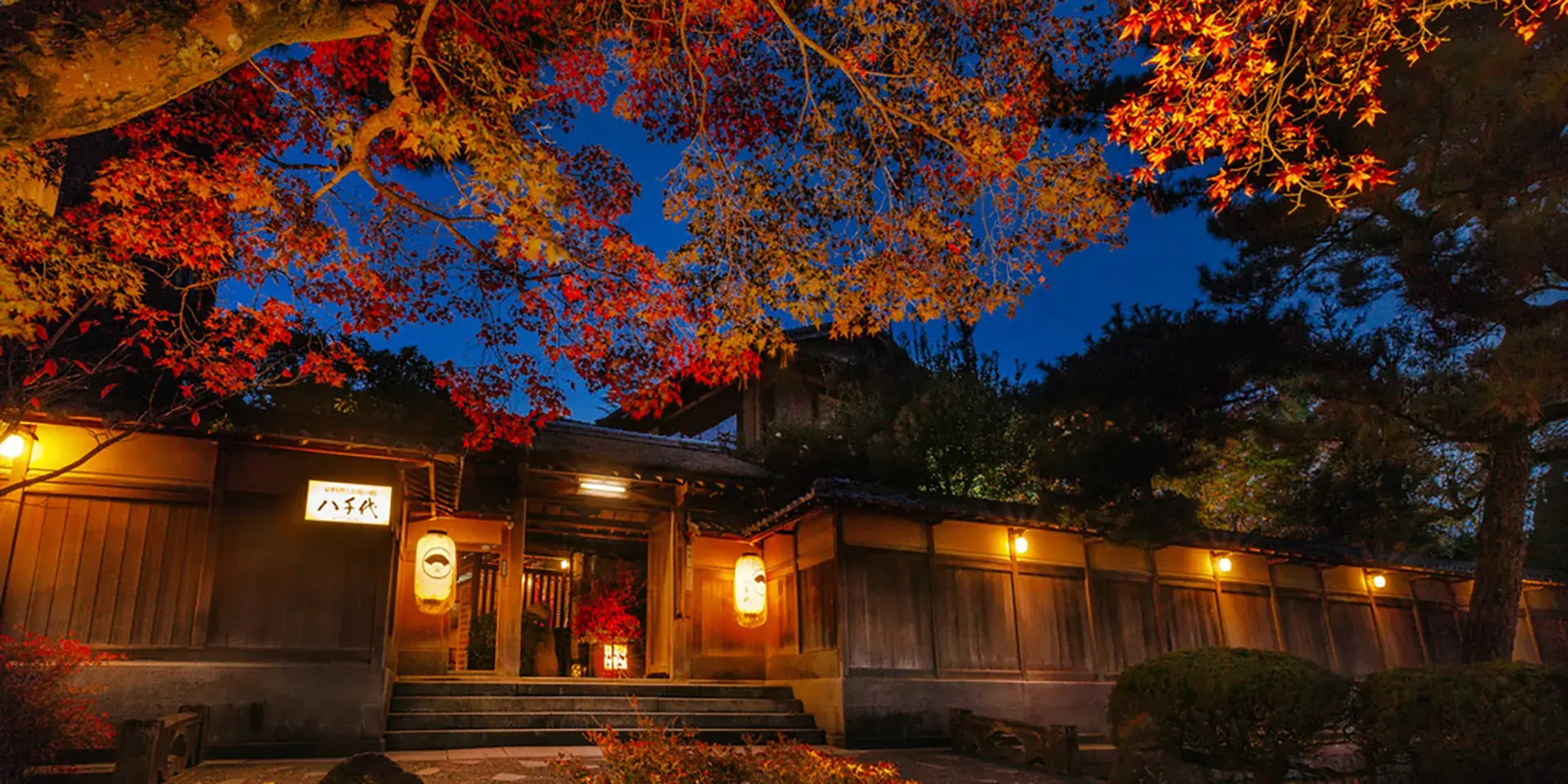
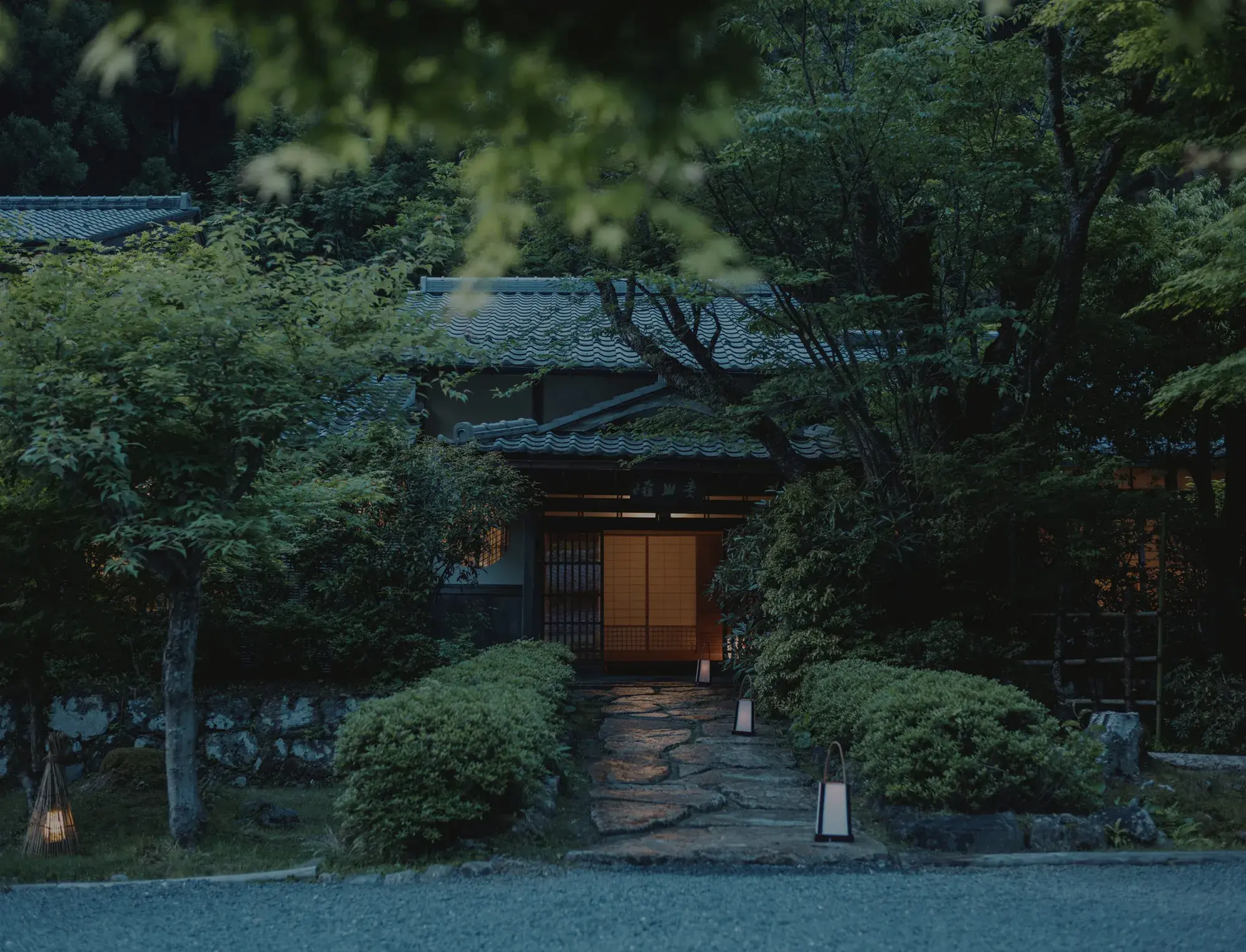
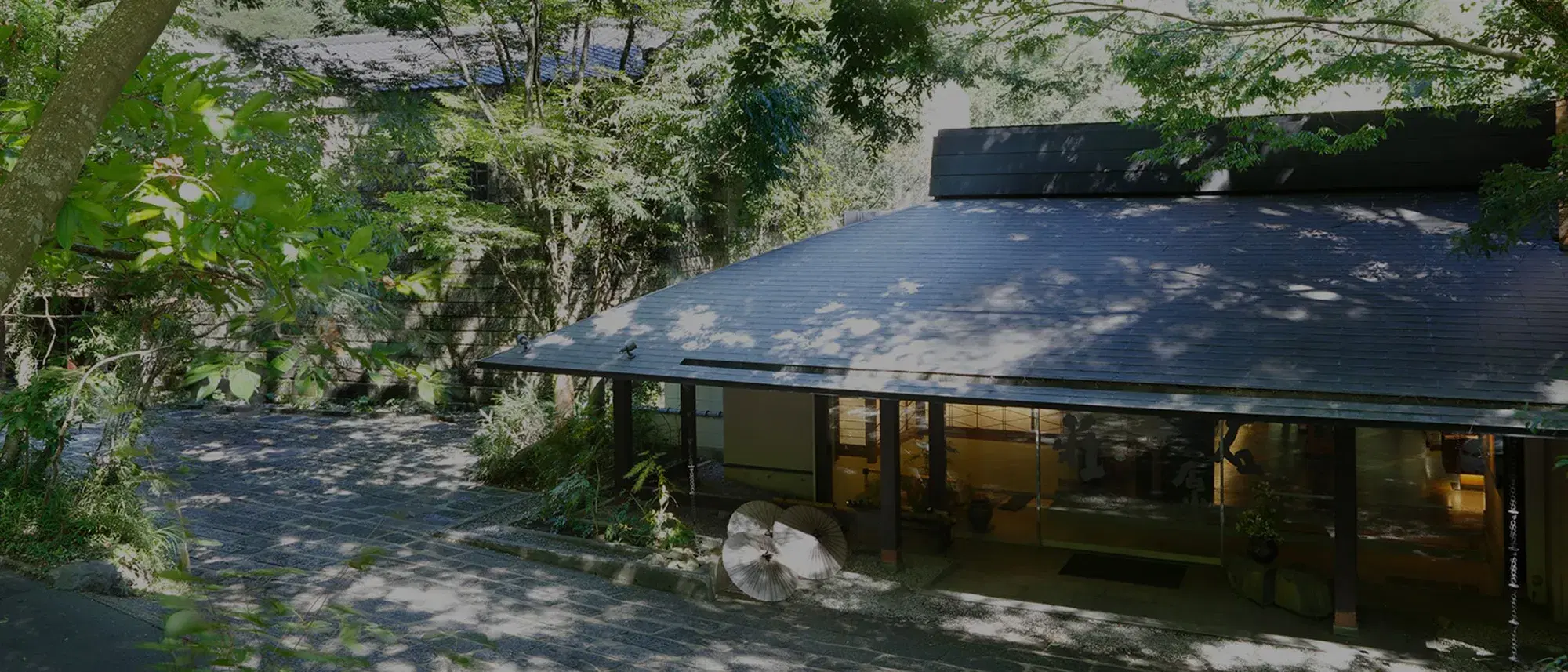
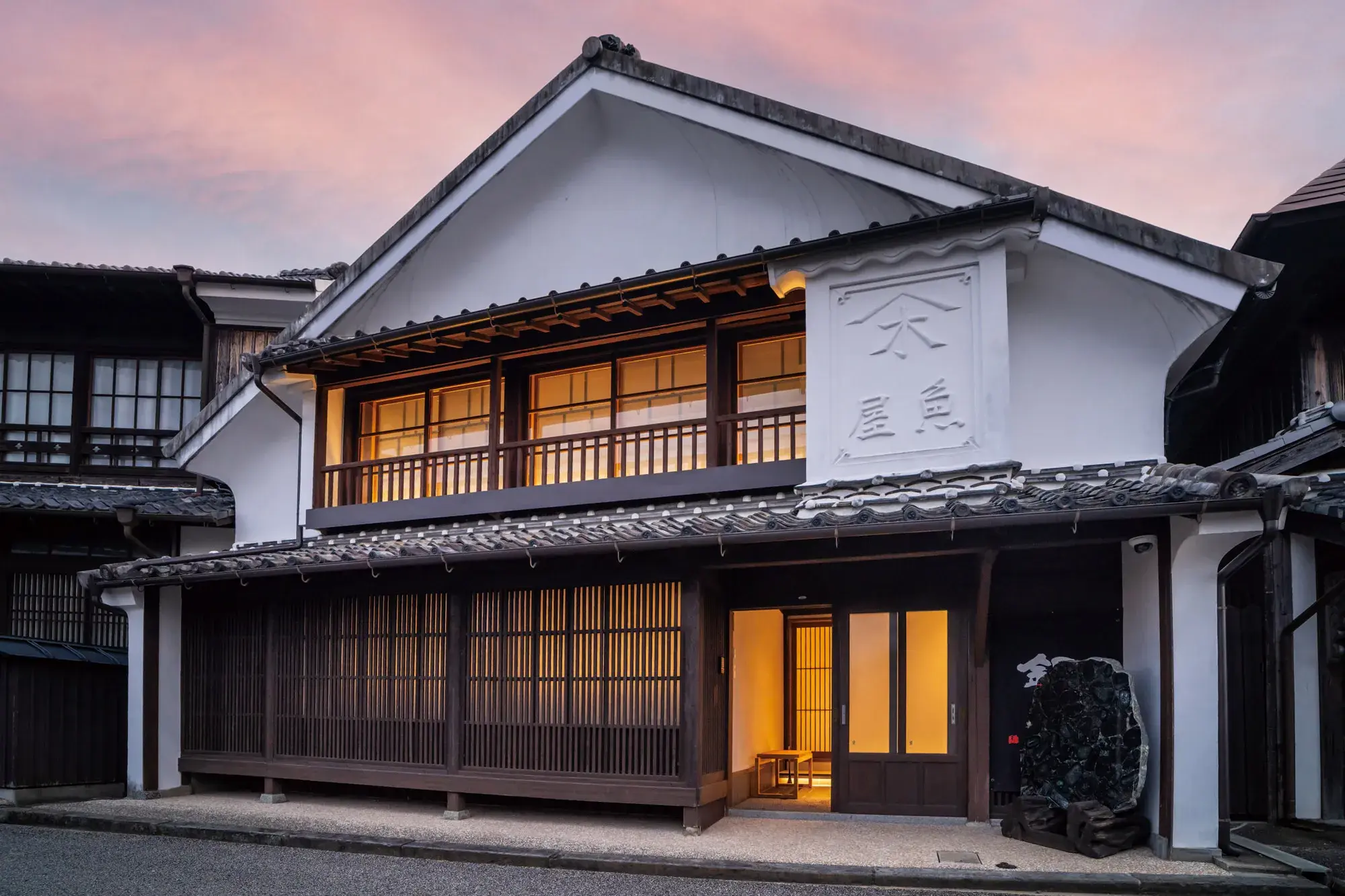
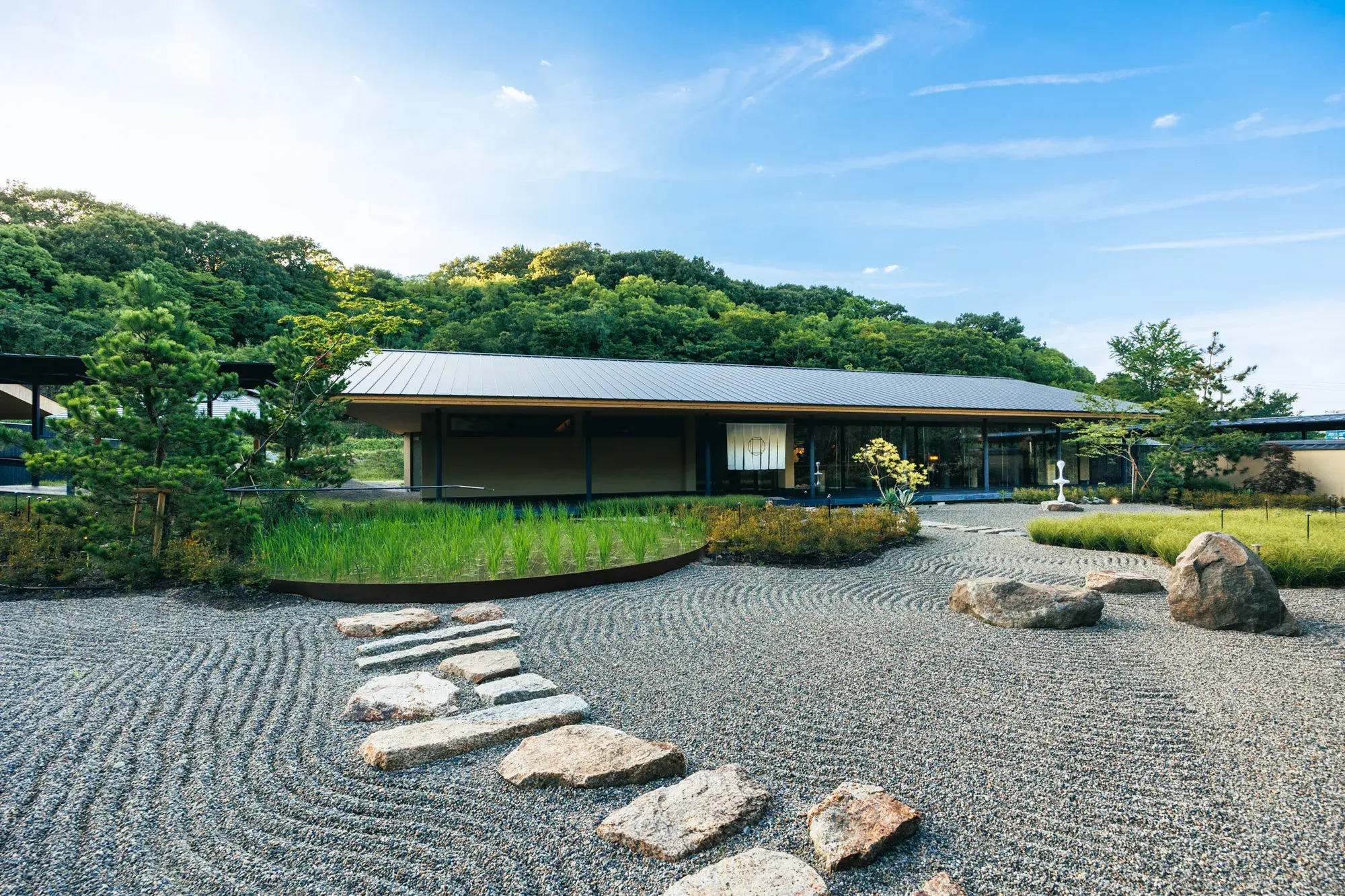 Naoshima Ryokan RokaNaoshima
In 15:00–18:00 · dinner 18:30 to 19:30 · out 11:00; until 12:00 for ¥3,000 a room
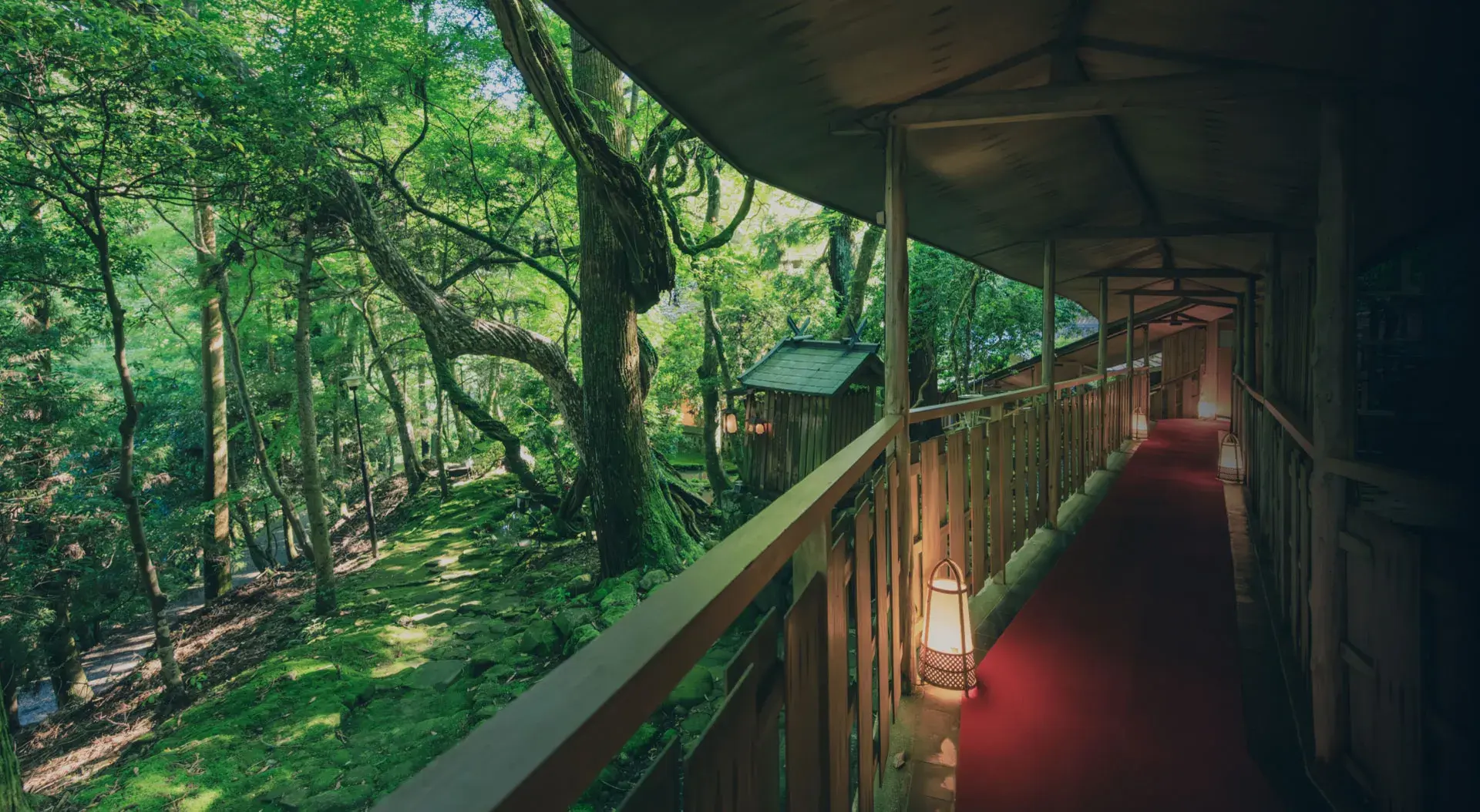
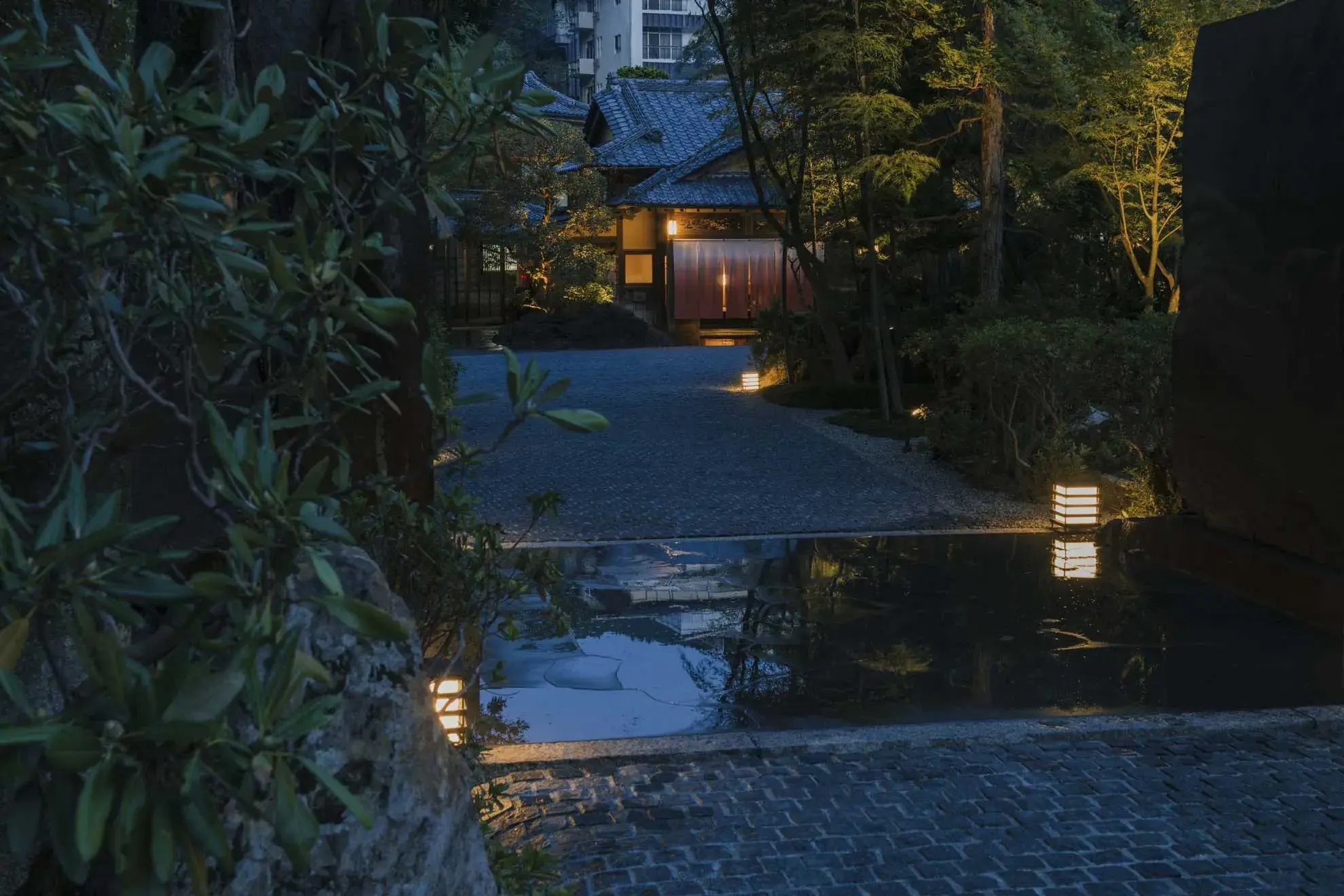
 Onyado Fukuchiyo (Nabeshima Auberge)Hizen Hamashuku, Kashima
In 15:00, at the Main House for all four houses · dinner 17:00 · out 11:00, at the Main House
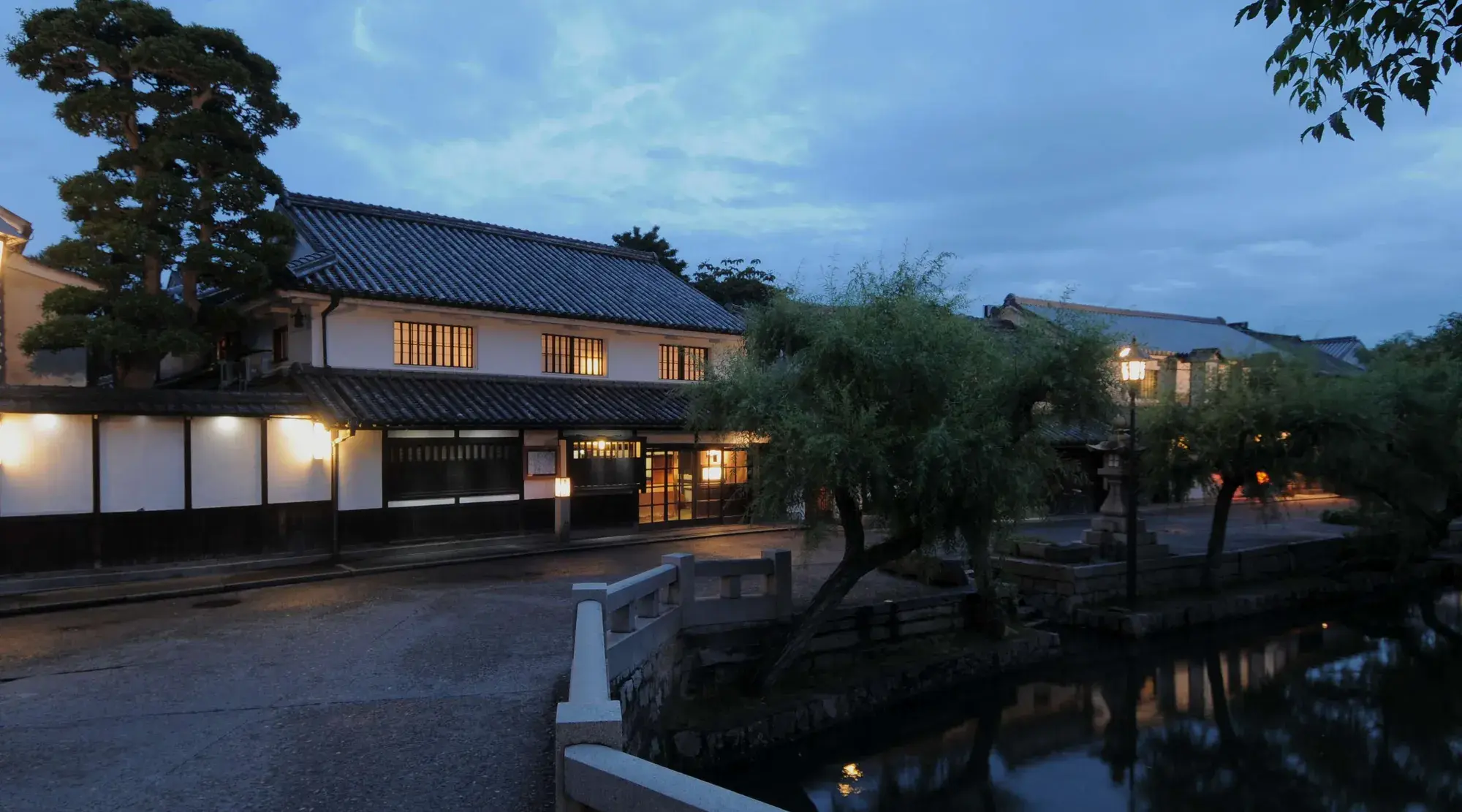 Ryokan KurashikiBikan Historical Quarter, Kurashiki
In 15:00–20:00 · dinner 18:00 to 20:00 · out 11:00
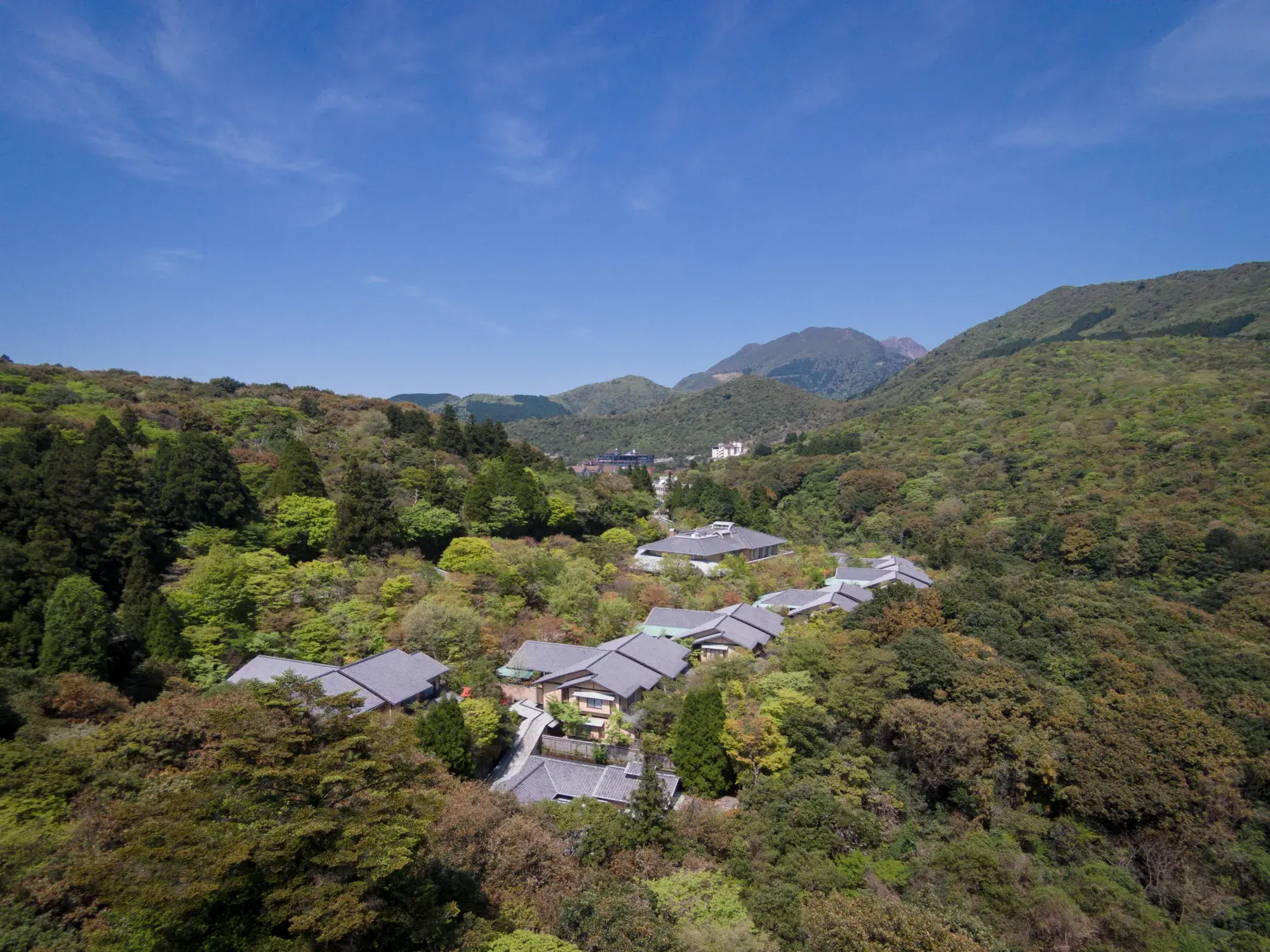
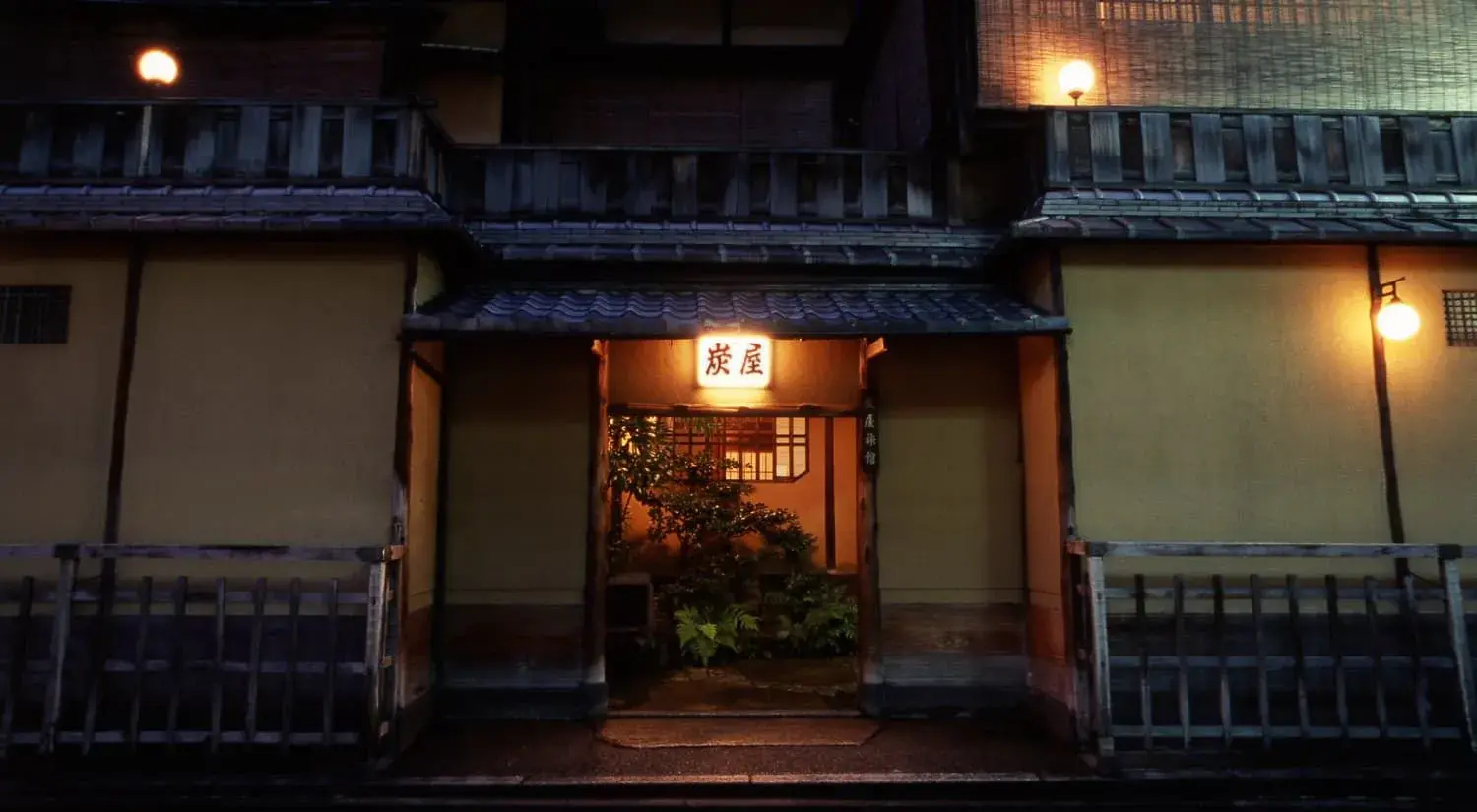
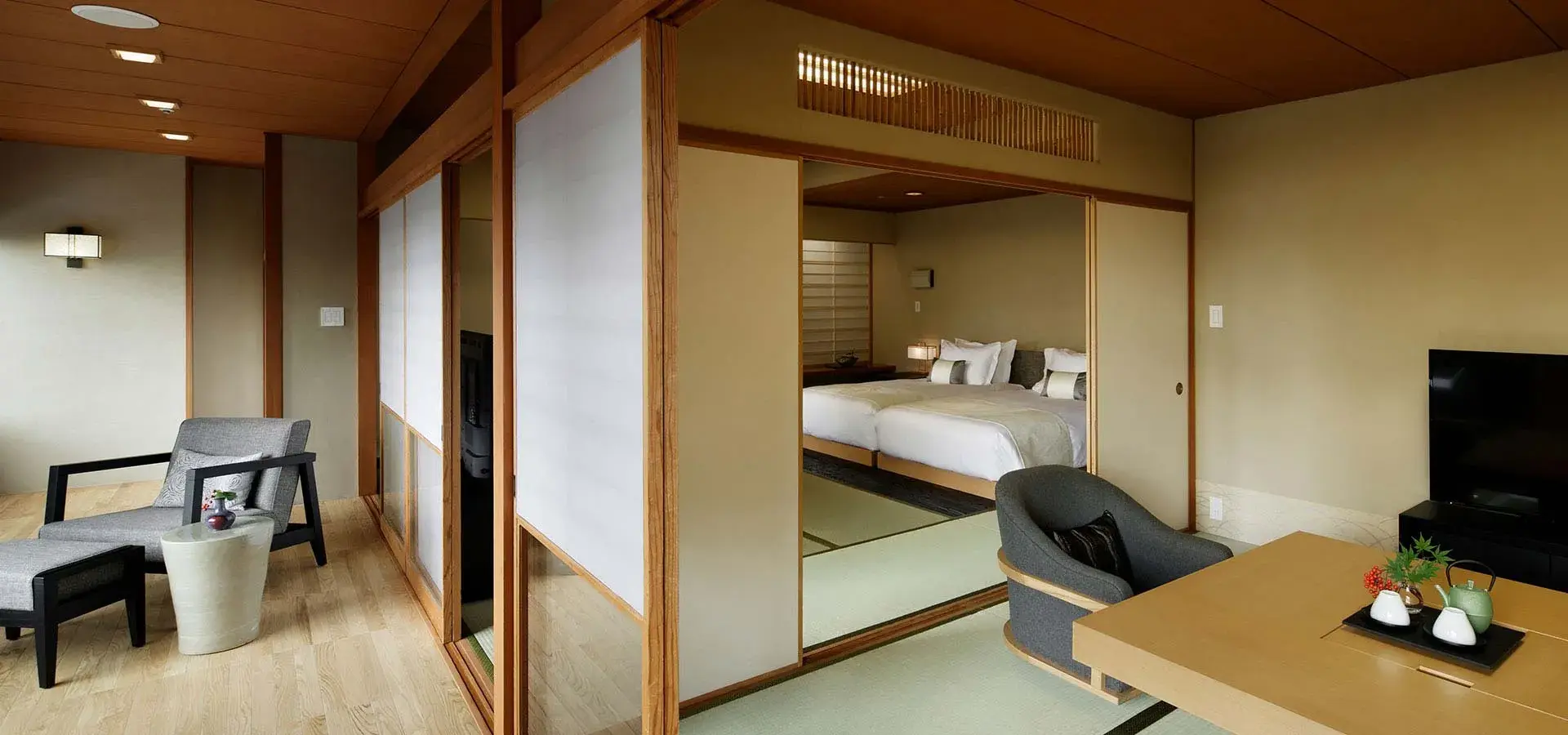
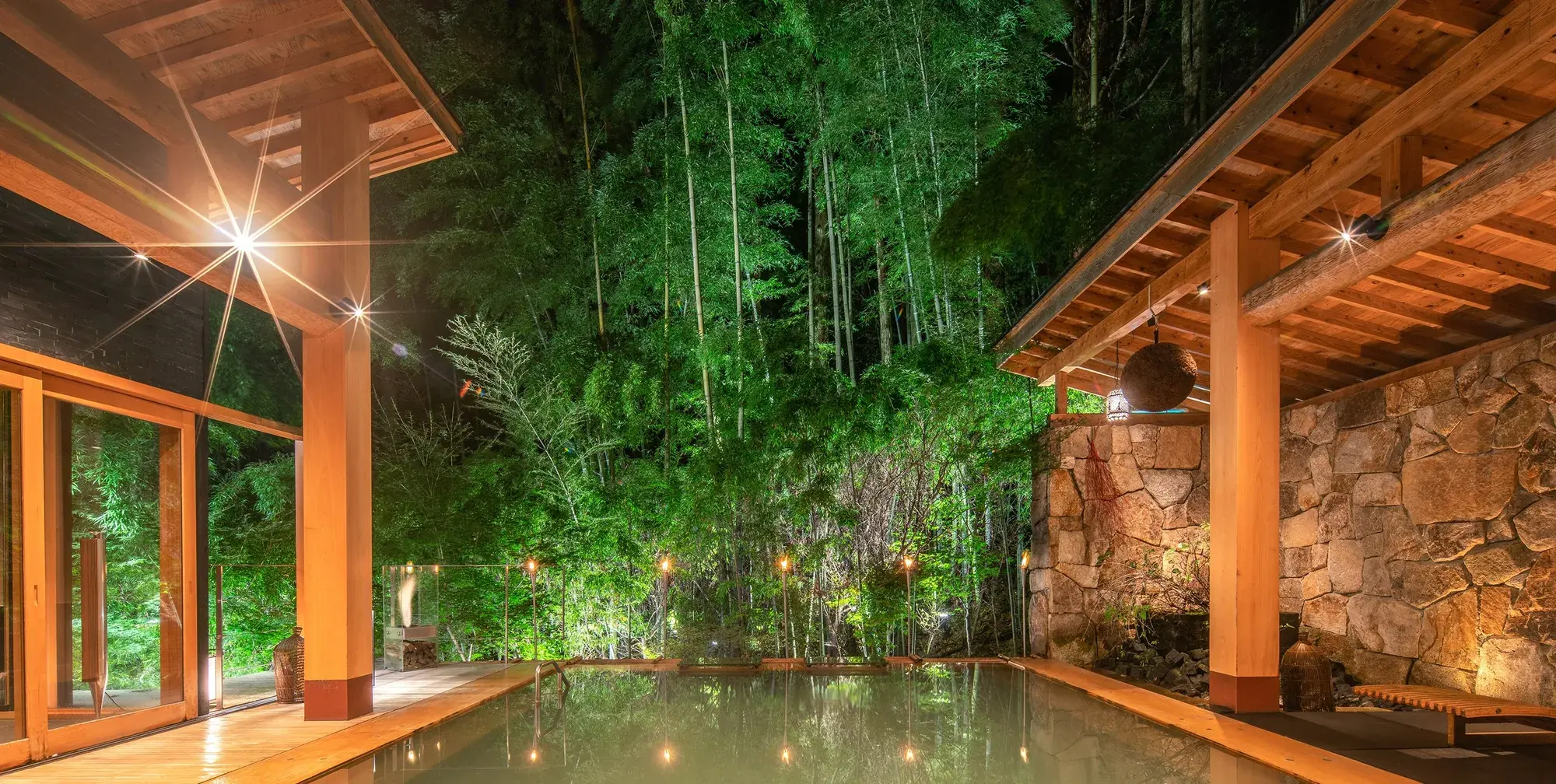 TakefueManganji, Kurokawa Onsen
In Varies by plan; private open-air baths from 16:00 · dinner 18:00, 18:30, 19:00 · out 11:00
While you eat, the room is made up
When you come back from dinner the low table has gone and futons have been laid out on the tatami. If dinner was in your room, the bedding is laid once the table is cleared. Futons are firmer than most beds; if you would rather sleep higher, ask, since many inns now have beds or low beds in some rooms. At Beniya Mukayu most rooms have beds and only four have futons; Araya Totoan uses low beds on tatami.
The evening is quiet. Many guests take a last bath before sleep, and the shared baths are often busiest at night and again at first light.
Breakfast and check-out
Breakfast is at a time you choose the night before, usually Japanese, with grilled fish, rice, miso soup and pickles, though many inns will make a Western one if asked ahead. Fufu Kawaguchiko offers 8:00, 9:00 or 9:30.
Check-out is earlier than at a hotel, at about 11:00, and sometimes 10:00: Fujiya Inn at 10:00, Miyamasou at 10:30. Late check-out is often not possible at all, as at Araya Totoan and The Hiramatsu Atami, so plan the morning bath and the journey on with the time in mind.