Japan
Ryokan guides
Plain answers for a first ryokan stay, and for the returning guest, the finer points: the water, the room to ask for, the old houses, the small inns and the seasons of the kitchen.
Ready to stay here?
Tell us where and when. Our team in Japan books the room we would choose, at the inn’s own rate, settles your requests with the inn, and stays in touch before and during your stay. Price and cancellation terms are confirmed with you first.
Already have an itinerary in mind?
Have it reviewed for USD 85Your first ryokan
What to know before a first stay: the day, the dinner, the baths and the rules.
How a ryokan stay works, hour by hour
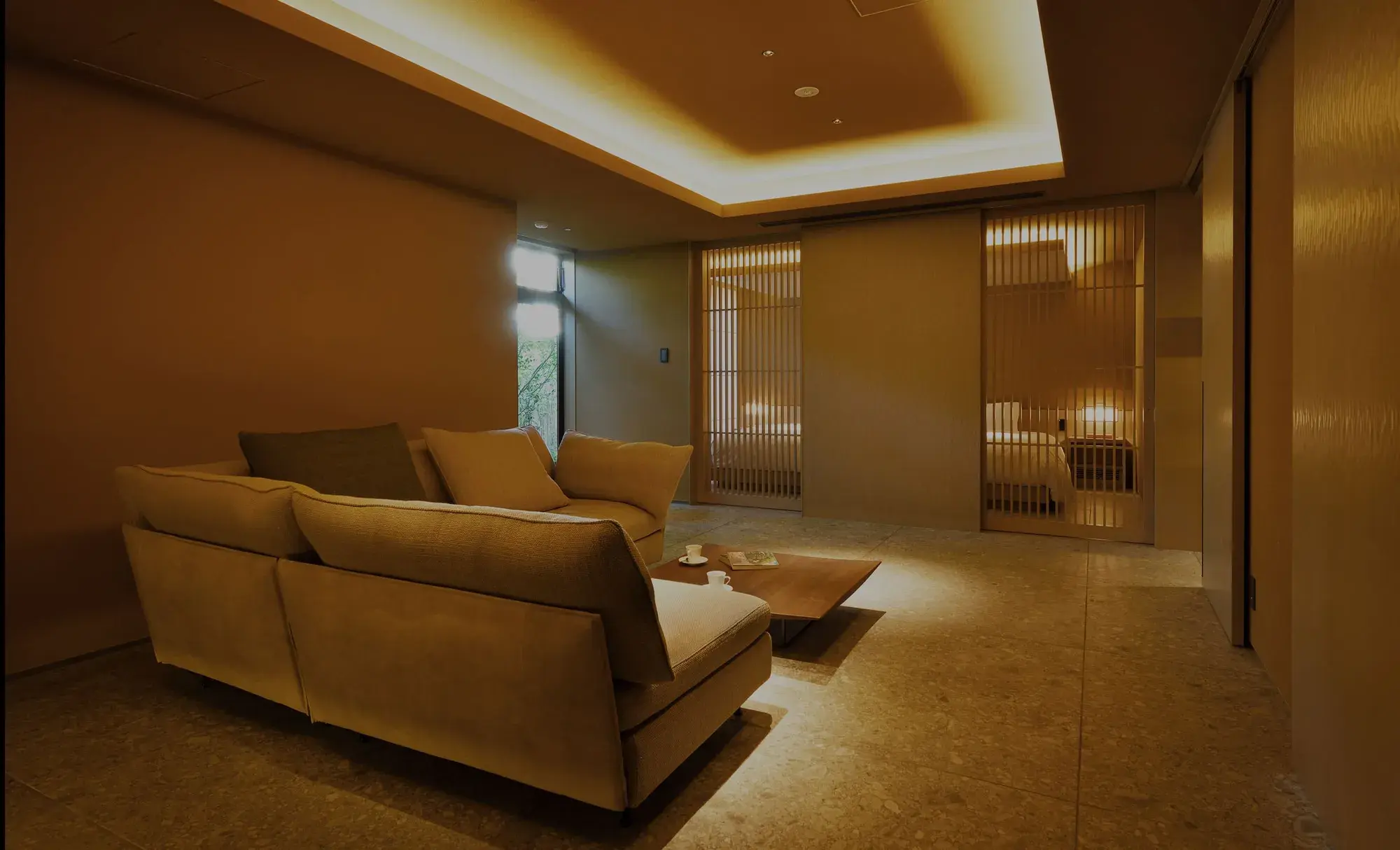
A ryokan stay runs to the inn's clock: you arrive in the middle of the afternoon, bathe, eat a long dinner at a set hour, sleep on bedding laid out while you were at the table, and leave by about eleven the next morning. Almost everything is included, and almost everything happens at a time agreed in advance.
The answer at 53 inns on our list
Kaiseki: what to expect at a ryokan dinner
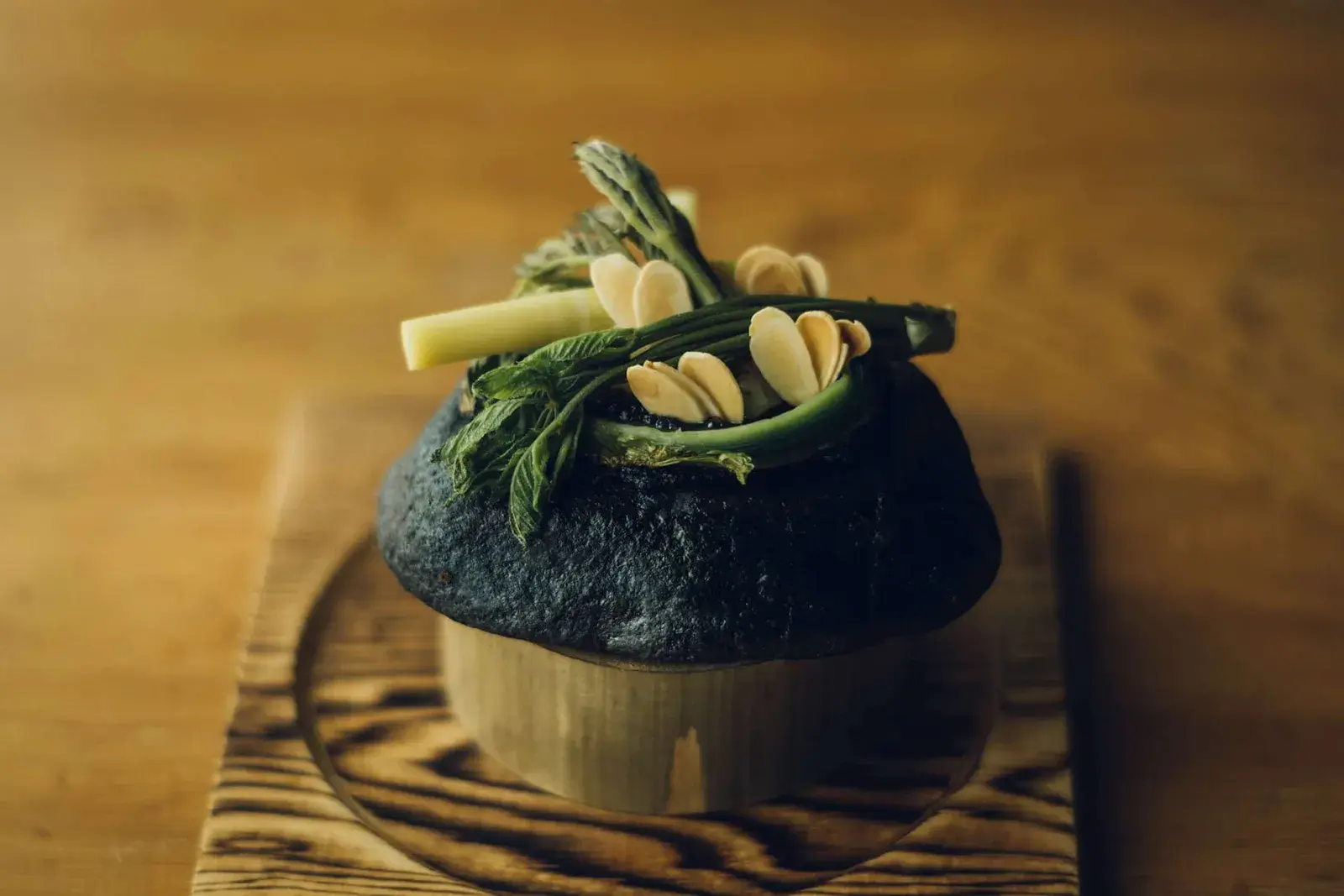
Kaiseki is the long, seasonal set dinner at the heart of a ryokan stay: eight to a dozen small courses in a set order, brought one at a time over about two hours, each built around what is in season where the inn stands. It is usually included in the price of the room, served at a time agreed in advance.
The answer at 34 inns on our list
Private hot-spring baths at a ryokan
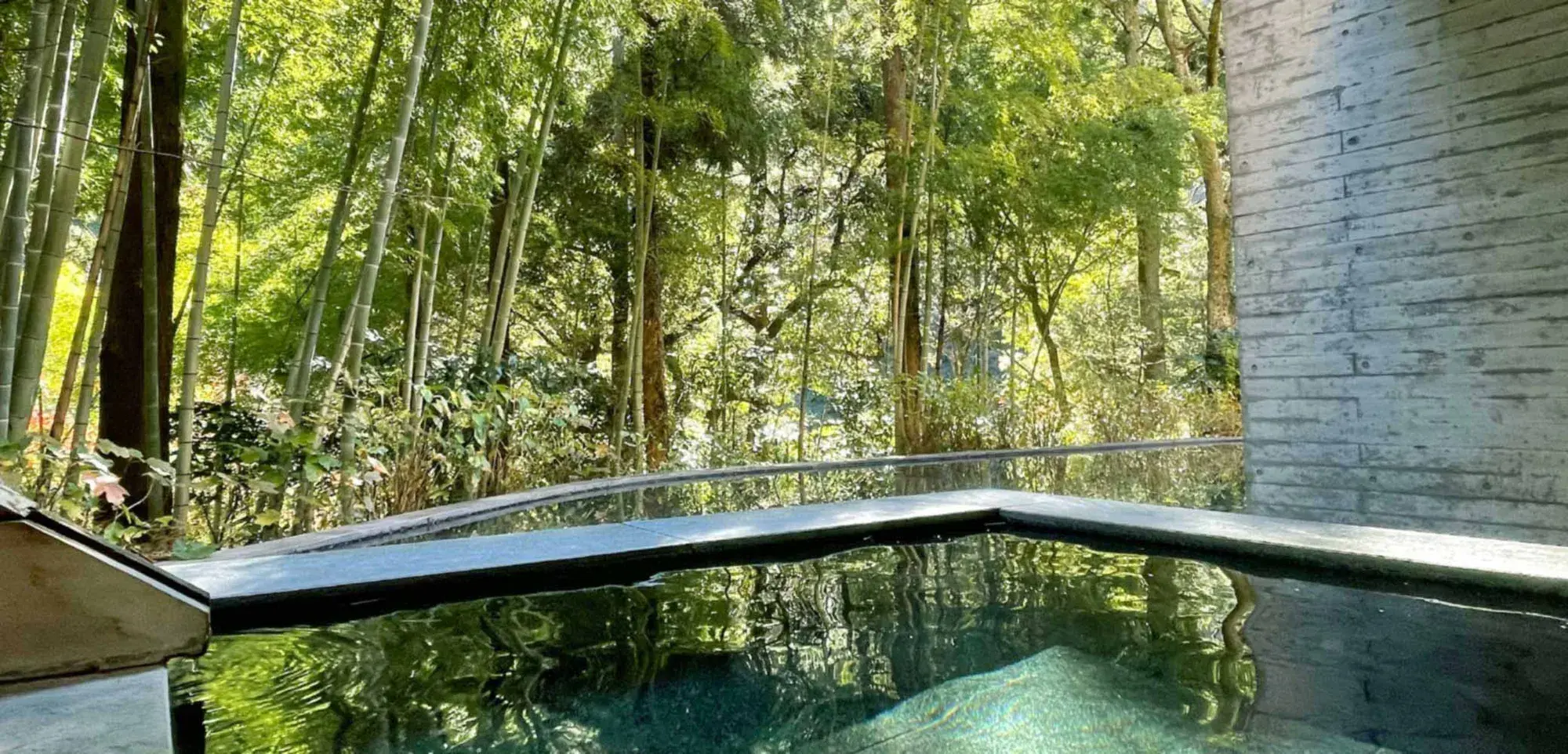
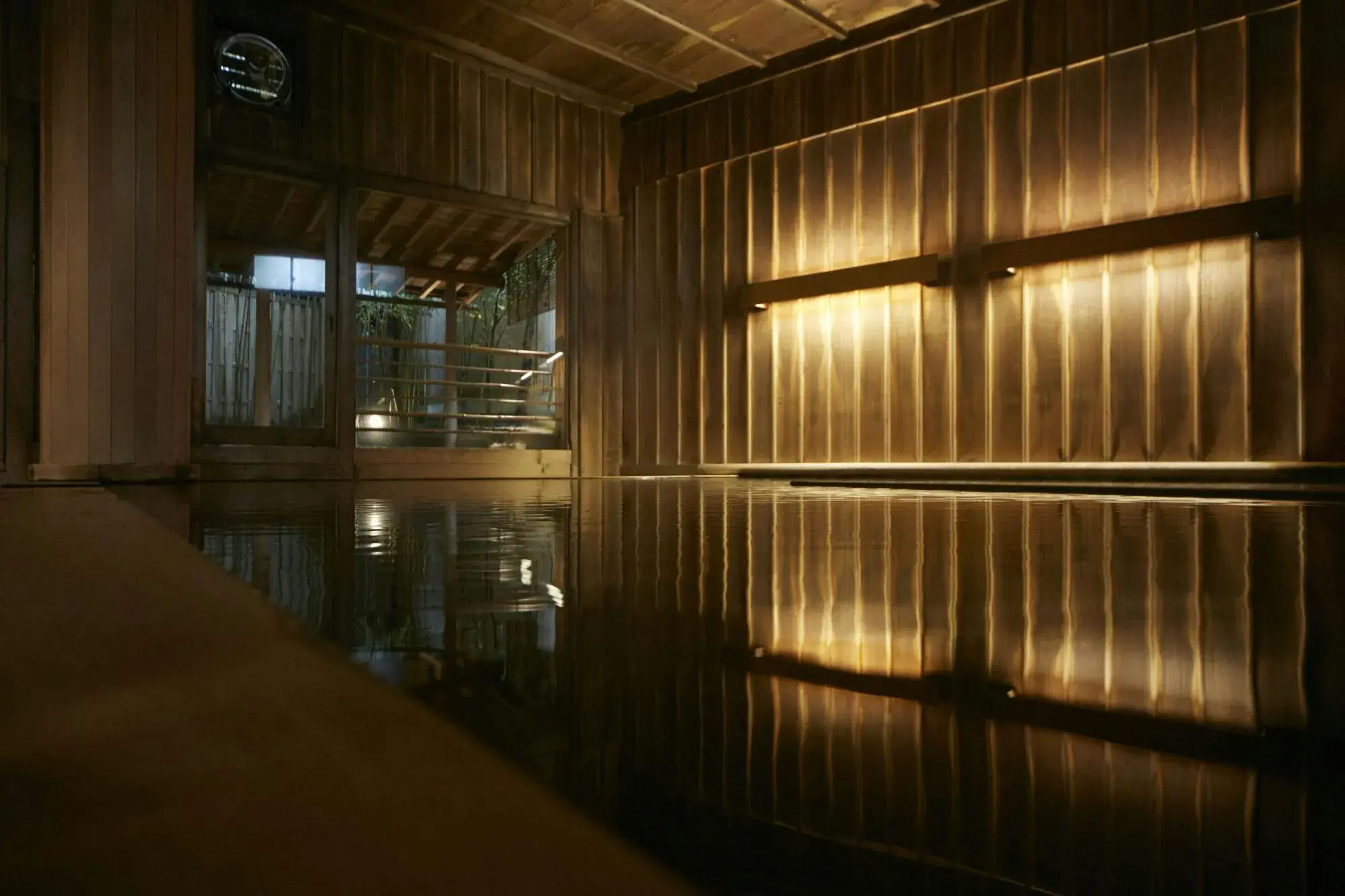
A private onsen is a hot-spring bath you do not share with other guests: one in your room, usually open to the air, or a bath at the inn that you reserve for your own party for a set time. Whether the water is truly from a hot spring, and whether every room has one, varies from inn to inn, so it is worth checking both.
The answer at 67 inns on our list
Onsen and tattoos: where you can bathe
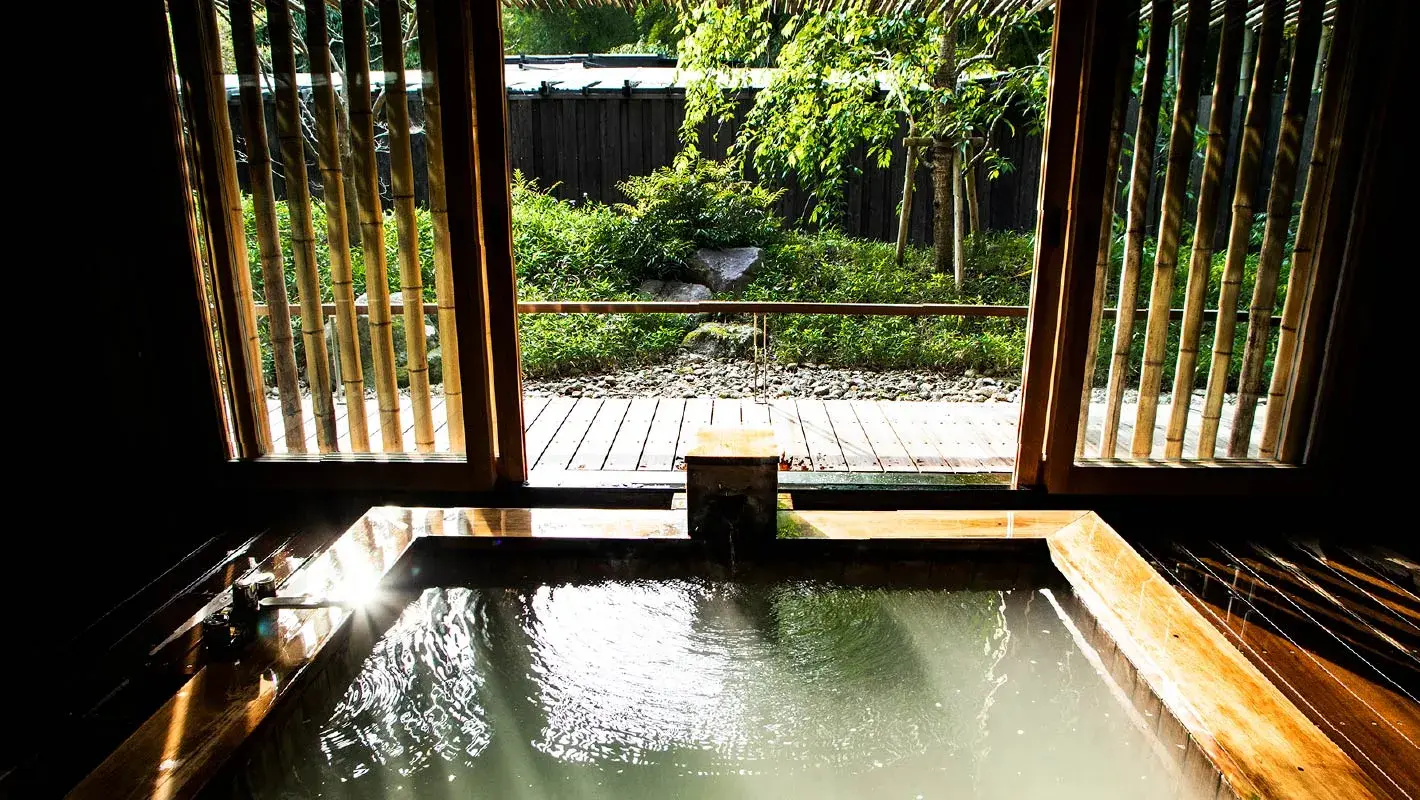
Many onsen and ryokans in Japan still refuse guests with tattoos in their shared baths, though a growing number accept them or allow small ones under a cover sticker. The simplest answer is a private bath: a hot spring in your room, or a kashikiri bath you reserve, where the rule does not apply.
The answer at 50 inns on our list
Staying at a ryokan with children
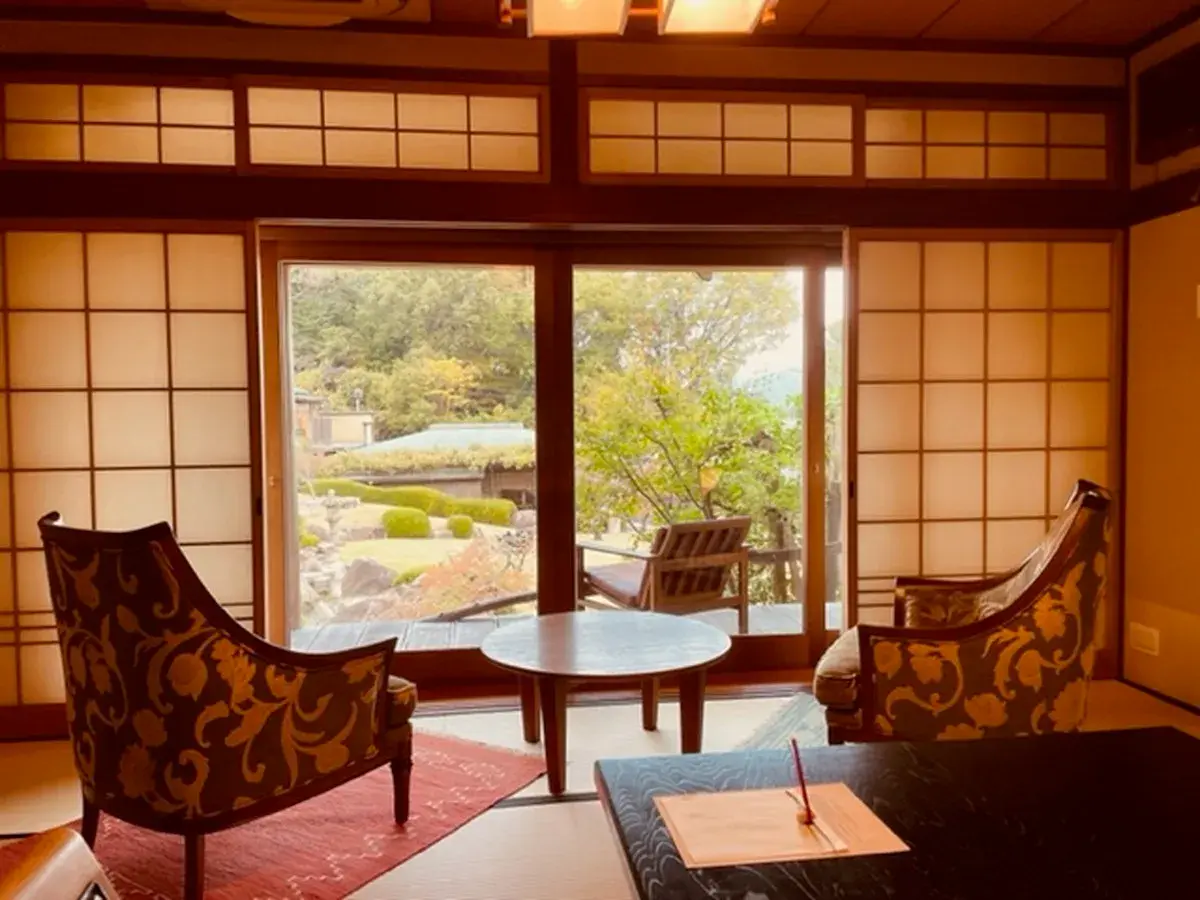
Many ryokans welcome children of any age, and a stay can be one of the best things a family does in Japan; but each inn sets its own rule, and some quieter ones take no one under 6, 10, 12 or even 16. Check the age, the room and the baths before you book.
The answer at 67 inns on our list
Ryokan etiquette: what to know before you stay
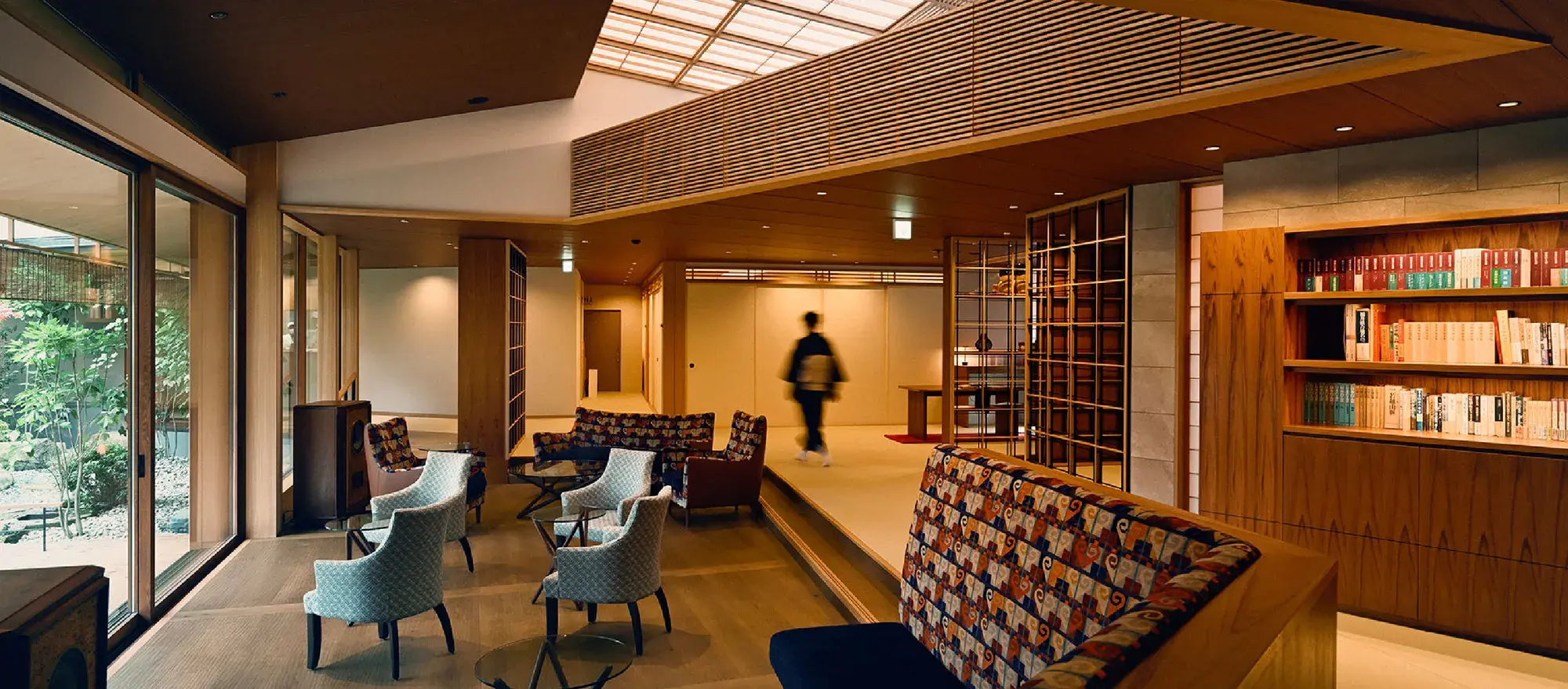
Ryokan etiquette comes down to a few habits: shoes off at the door and slippers off on tatami, yukata wrapped left over right, washing before you get into the bath, and arriving on time for dinner. You are not expected to tip, and staff will gently show you anything you miss.
Ryokan or hotel in Japan: which to choose
A ryokan gives you a whole evening on the inn's timetable: the bath, a long dinner and bedding laid out on tatami, all arranged in advance. A hotel gives you a room and leaves the rest of the night to you, and most first trips to Japan are best with both: hotels in the cities, and a night or two at a ryokan in the hot-spring country.
Vegetarian, vegan and allergies at a ryokan
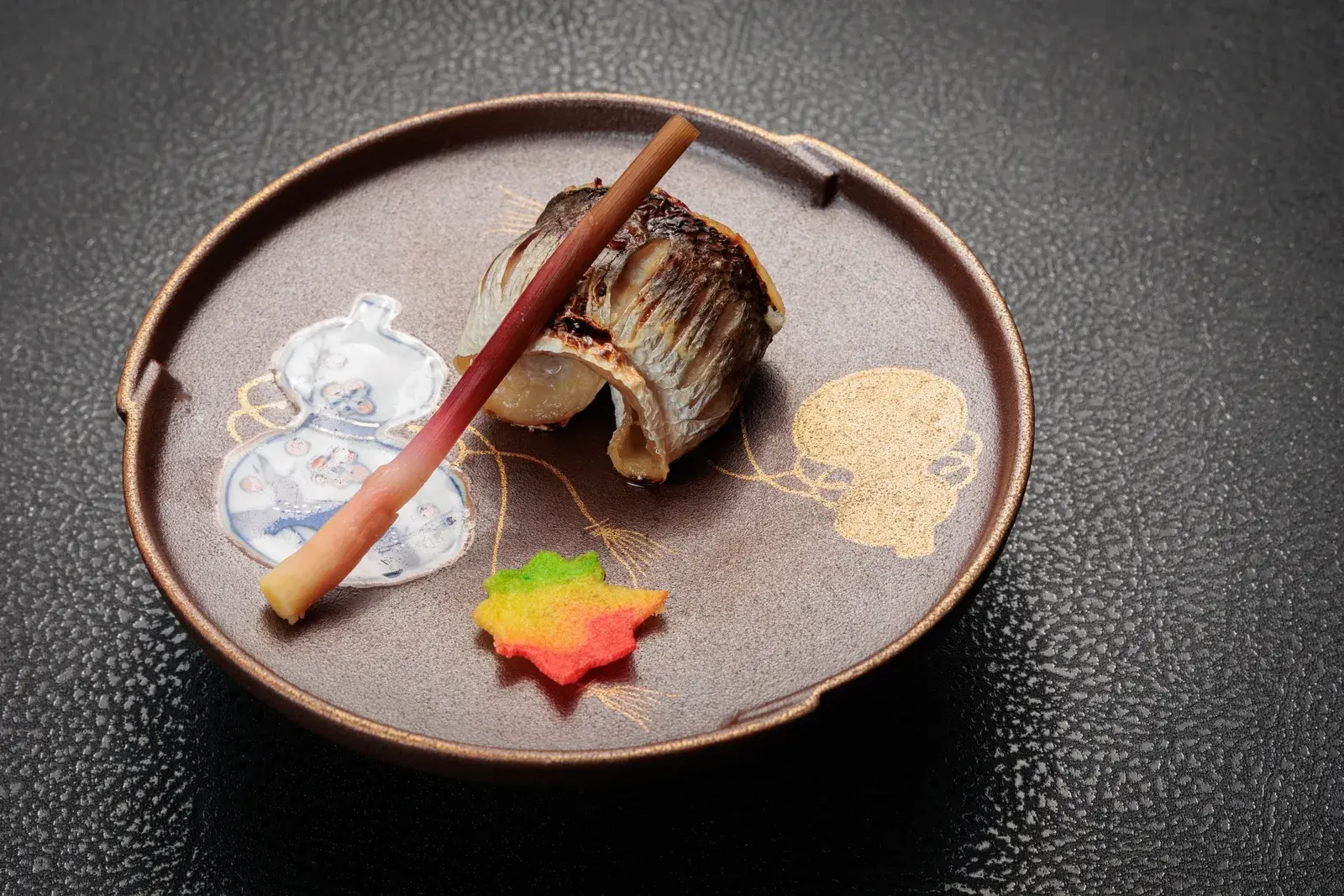
Many ryokans can cook a vegetarian dinner, and some a vegan one, but only when told days in advance, and a few cannot at all because their kitchen is built on fish stock. Tell the inn exactly what you do not eat when you book, and expect three to seven days' notice to be the rule.
The answer at 27 inns on our list
Ryokans with beds: sleeping off the floor
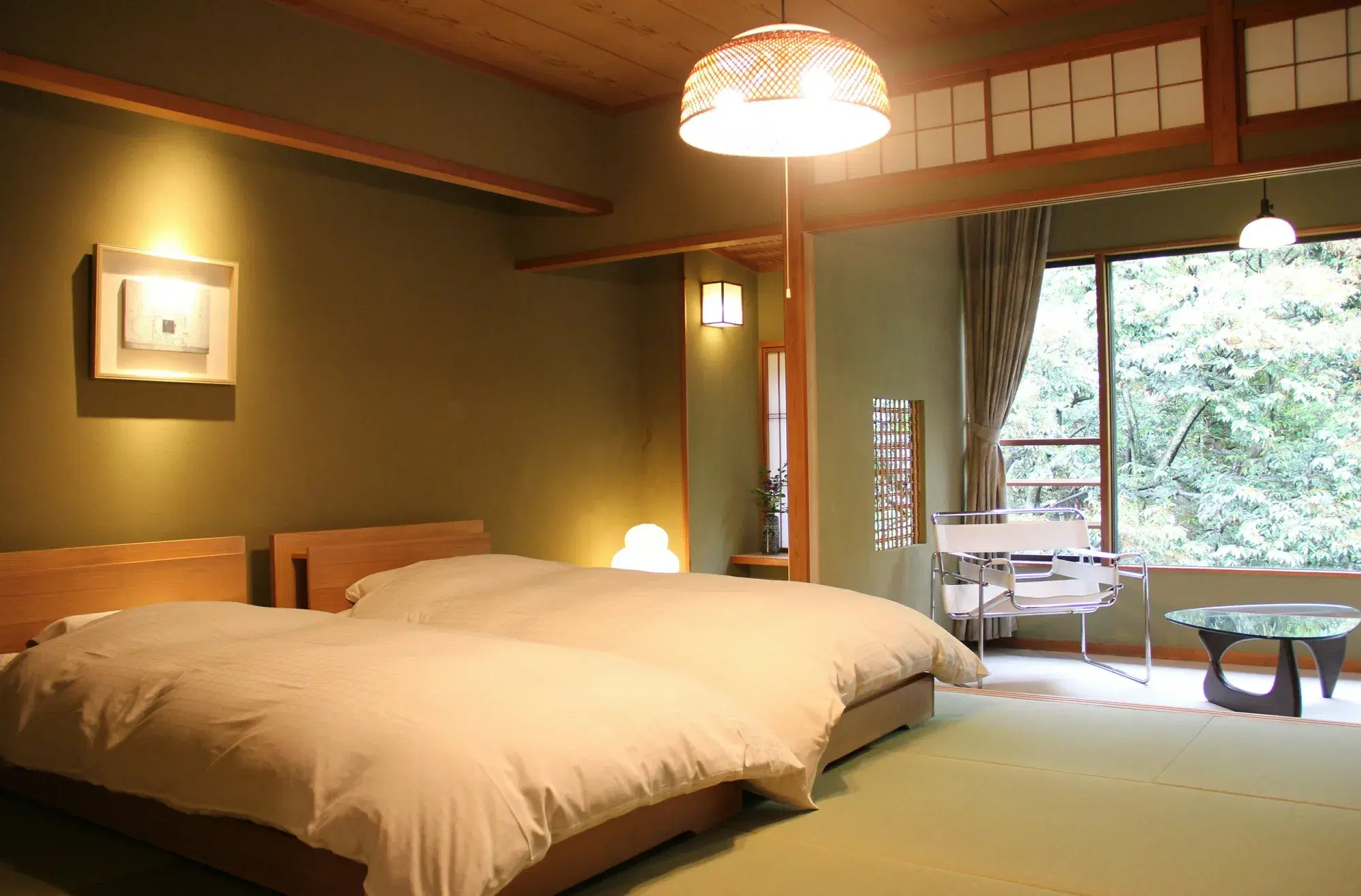
Yes: many ryokans now have beds, either in every room or in some, often set on the tatami so the room still feels Japanese. A bed belongs to particular rooms rather than being something an inn brings in, so choose the room by name when you book.
The answer at 18 inns on our list
Onsen towns near Tokyo, and how long each takes
The nearest onsen towns to Tokyo are Atami, about 45 minutes by Shinkansen, and Hakone, about 90 minutes by the Romancecar from Shinjuku; central Izu, Minakami, Nikko and the Fuji lakes are each about two hours away. Hakone has the most inns and the widest choice of water, Izu some of the oldest houses, and Fuji the view.
The answer at 21 inns on our list
Onsen towns within reach of Kyoto and Osaka
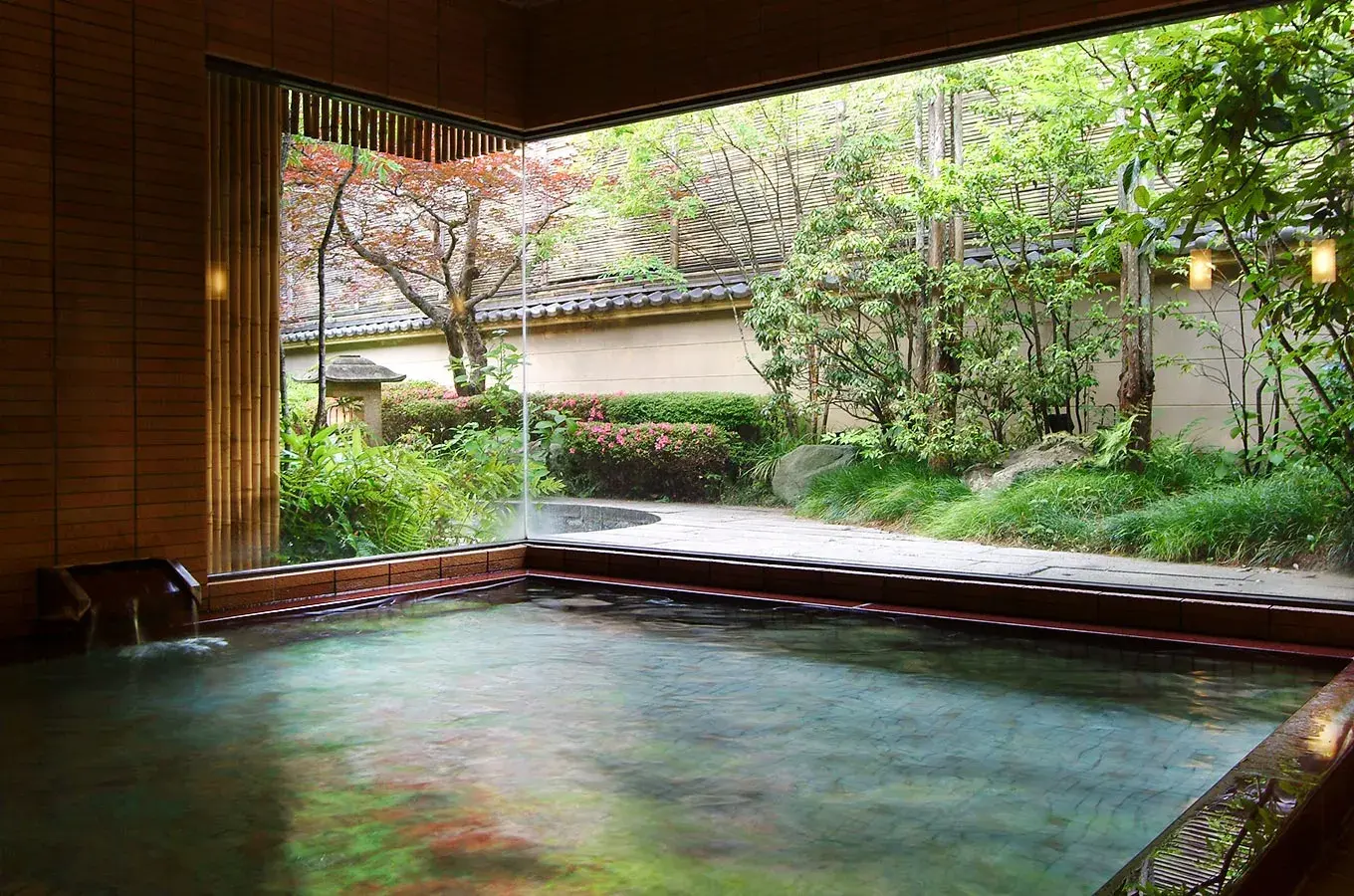
Central Kyoto has few hot springs of its own, so the great onsen towns are a train ride away: Kinosaki, about two and a half hours north-west by limited express, and the Kaga onsens and Awara on the Hokuriku coast, about two hours by the Thunderbird and the Shinkansen. Each is best with a night, not as a day trip.
The answer at 9 inns on our list
Getting to a ryokan: trains, pickups and luggage
Most ryokans are reached by train and then a short drive, and many will send a car or shuttle to the nearest station if you ask ahead, anywhere from the day itself to a week before. Send large suitcases on by courier, and plan to arrive between about 15:00 and 18:00, so that there is time to bathe before dinner.
The answer at 38 inns on our list
For the returning guest
For a guest who has stayed in ryokans before: how to choose the next one better.
Reading the water: spring types and the analysis sheet
Every hot-spring bath in Japan must post what is in its water and whether it has been heated, diluted, recirculated or treated, and that sheet says more about the bath than any brochure. Read the spring type, the three terms after it and the handling lines, and you can choose the next inn by its water.
The answer at 52 inns on our list
The room is the reservation: choosing the room, not the inn
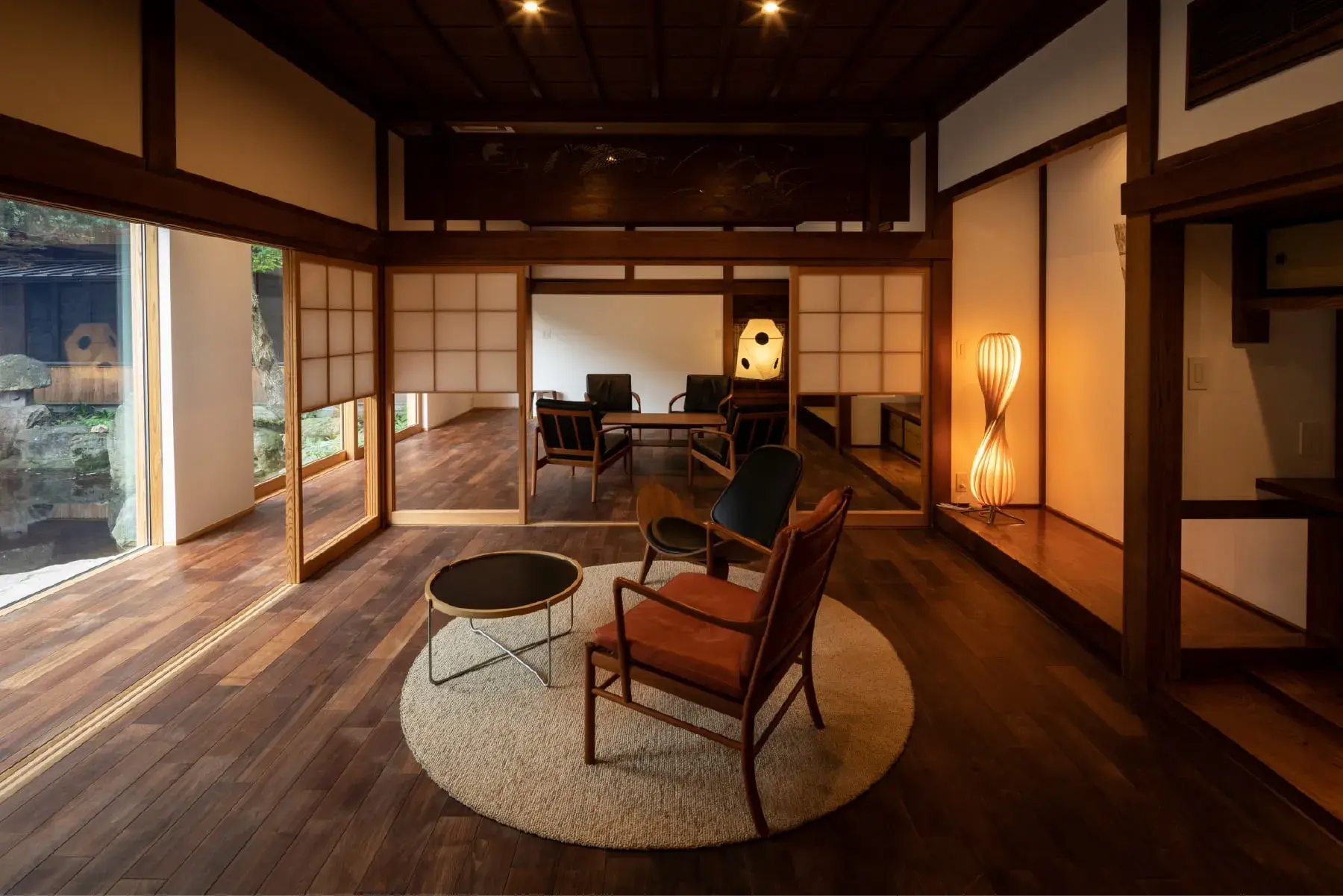
At a ryokan you book a room more than a room type: most have names rather than numbers, few are alike, and the one you get decides the bath, the view and sometimes where you eat. Choose it by name, and book it as early as the inn allows.
The answer at 25 inns on our list
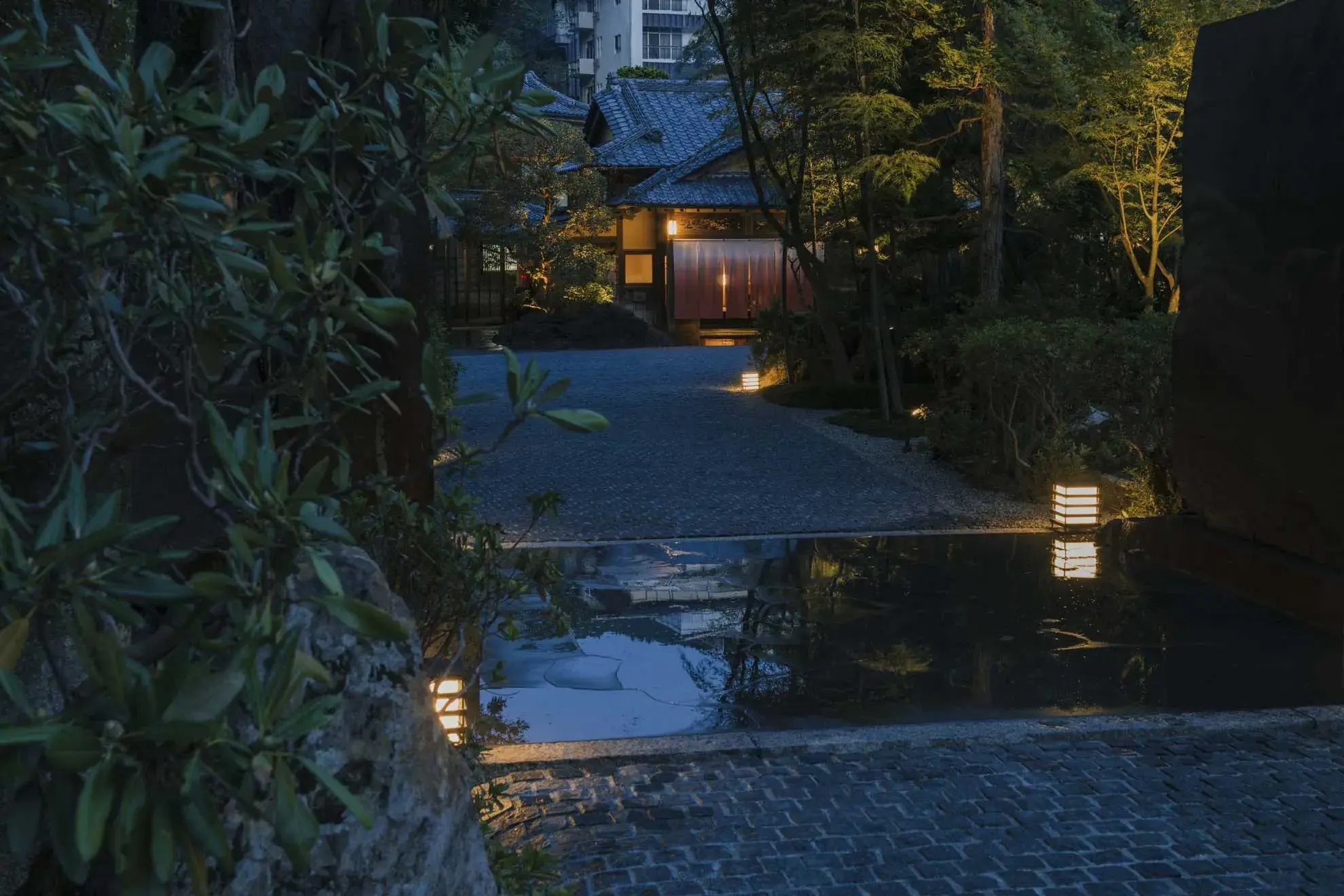
Historic ryokans: old houses, old families
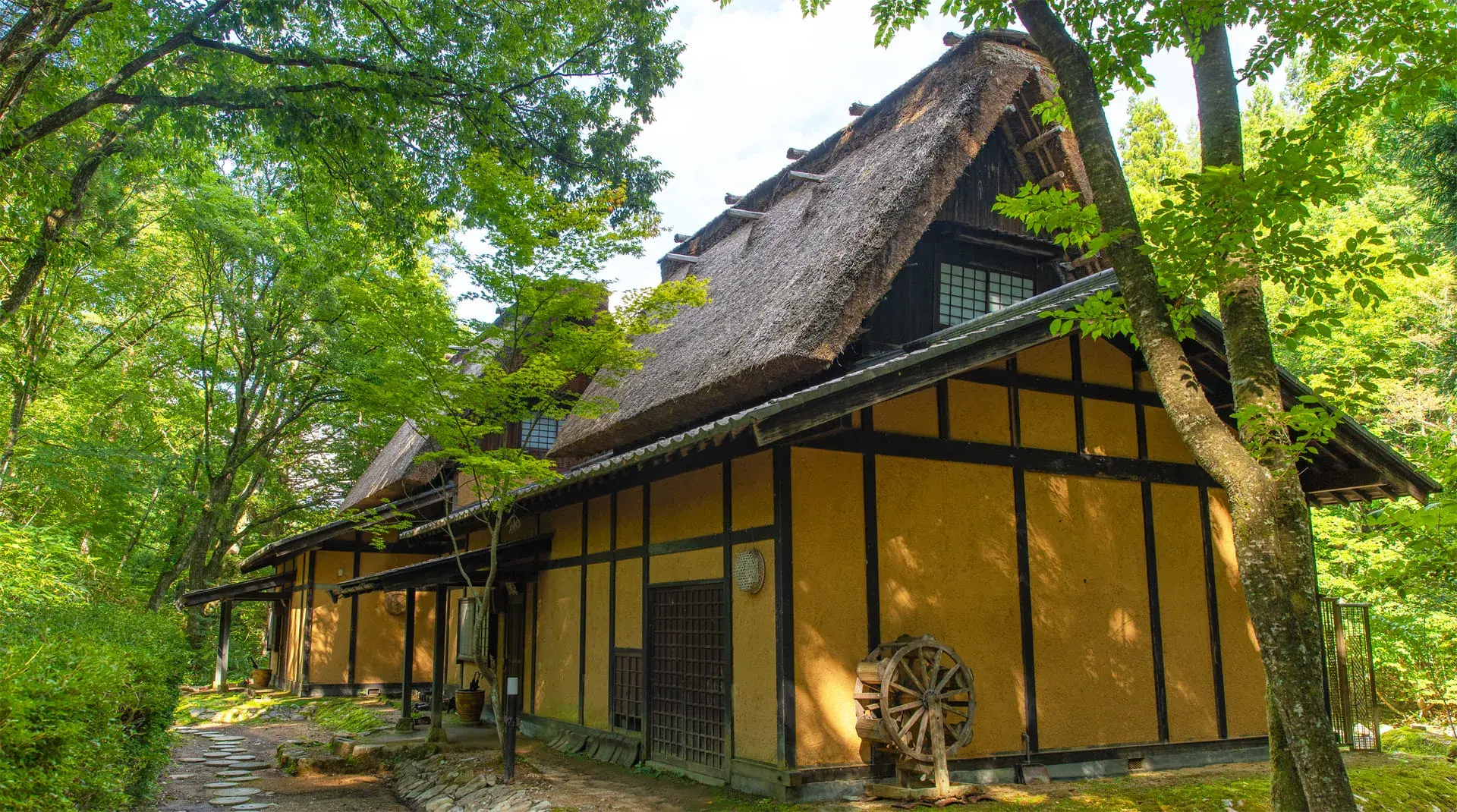
The oldest ryokans on our list have been kept by one family for centuries, and several stand in buildings the state has registered as cultural properties. They repay knowing what you are looking at, and accepting what an old wooden house is like to sleep in.
The answer at 28 inns on our list
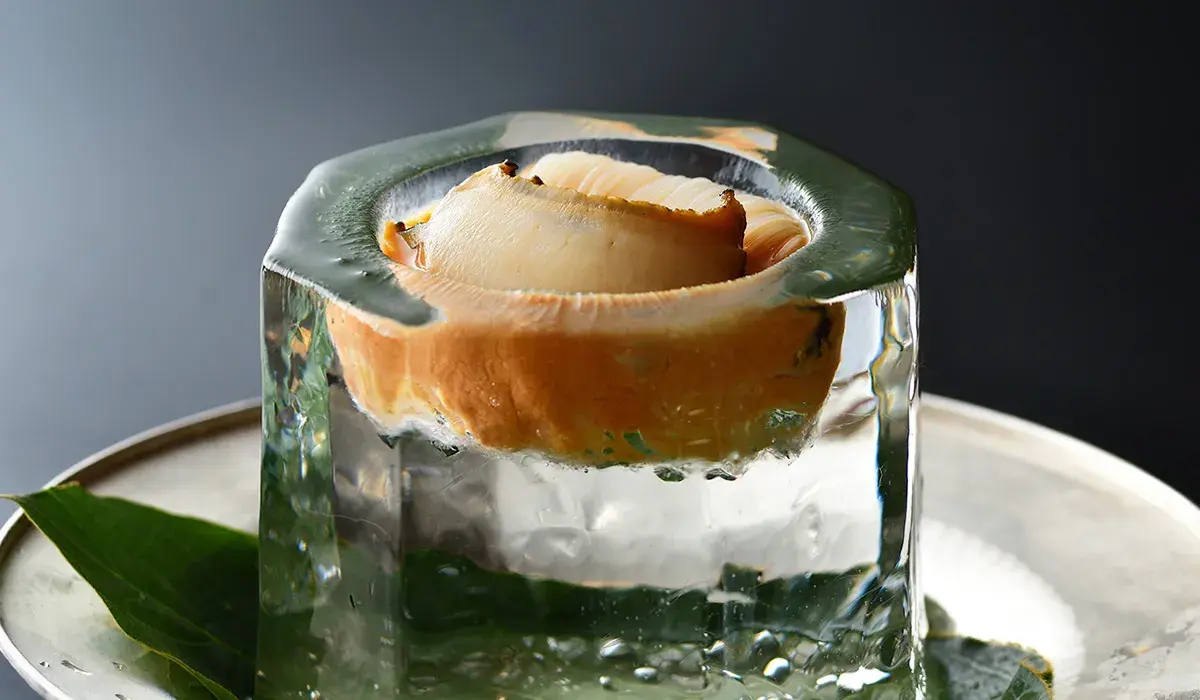
Small ryokan: what an inn of ten rooms or fewer changes
At a ryokan of ten rooms or fewer the house can serve each guest in person: dinner comes to your room or a dining room of your own, the baths are rarely crowded, and the kitchen cooks for a handful of people. The price is fewer facilities, fixed hours and dates that go months ahead, so the size of an inn is worth checking before its photographs.
The answer at 20 inns on our list
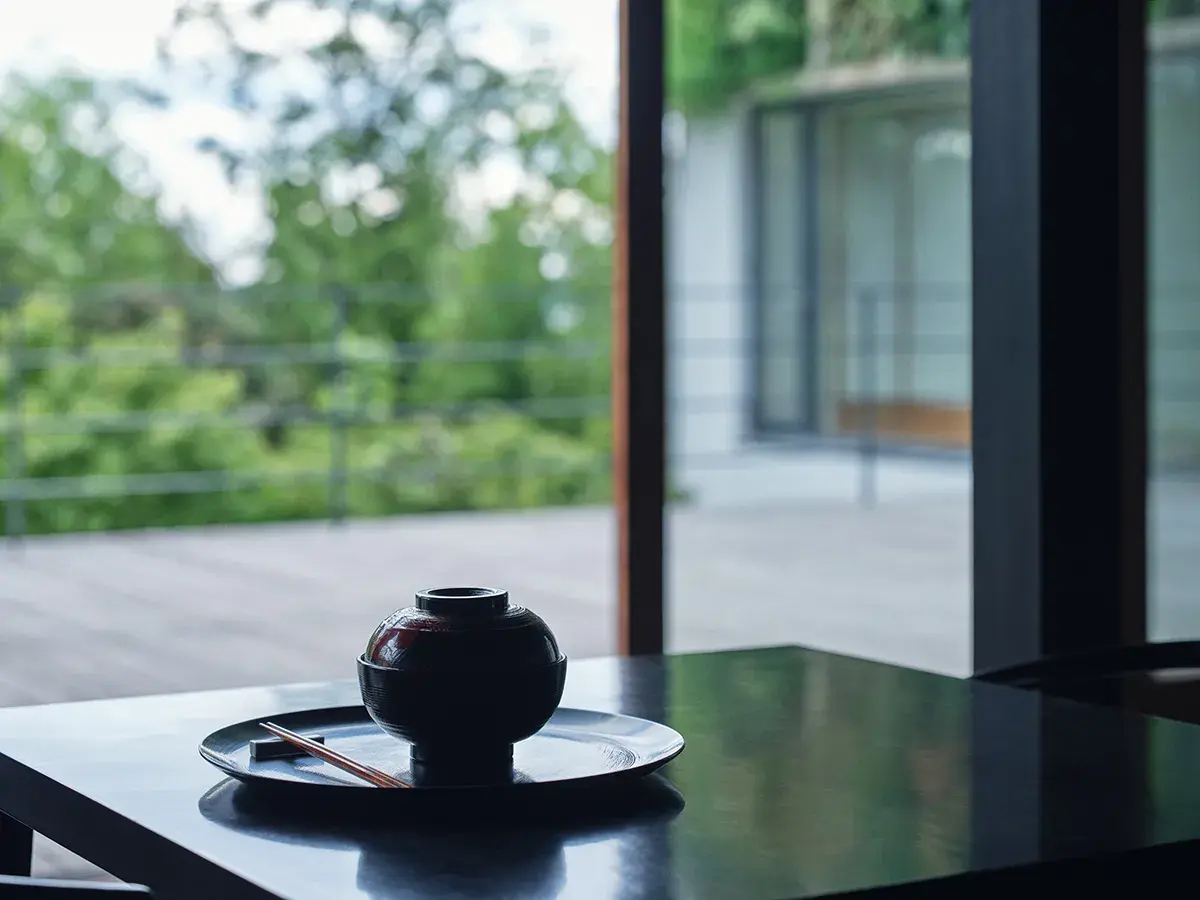
Kaiseki by the season: when to go where for the food
A kaiseki kitchen cooks to shun, the weeks when an ingredient is at its best, and marks its first arrival (hashiri) and its last (nagori), so the same inn serves a different dinner every month. For the food, go to the Sea of Japan coast between 6 November and 20 March for crab, to Kyushu in winter for fugu, and to the hills in spring and autumn for bamboo shoots and matsutake.
The answer at 27 inns on our list
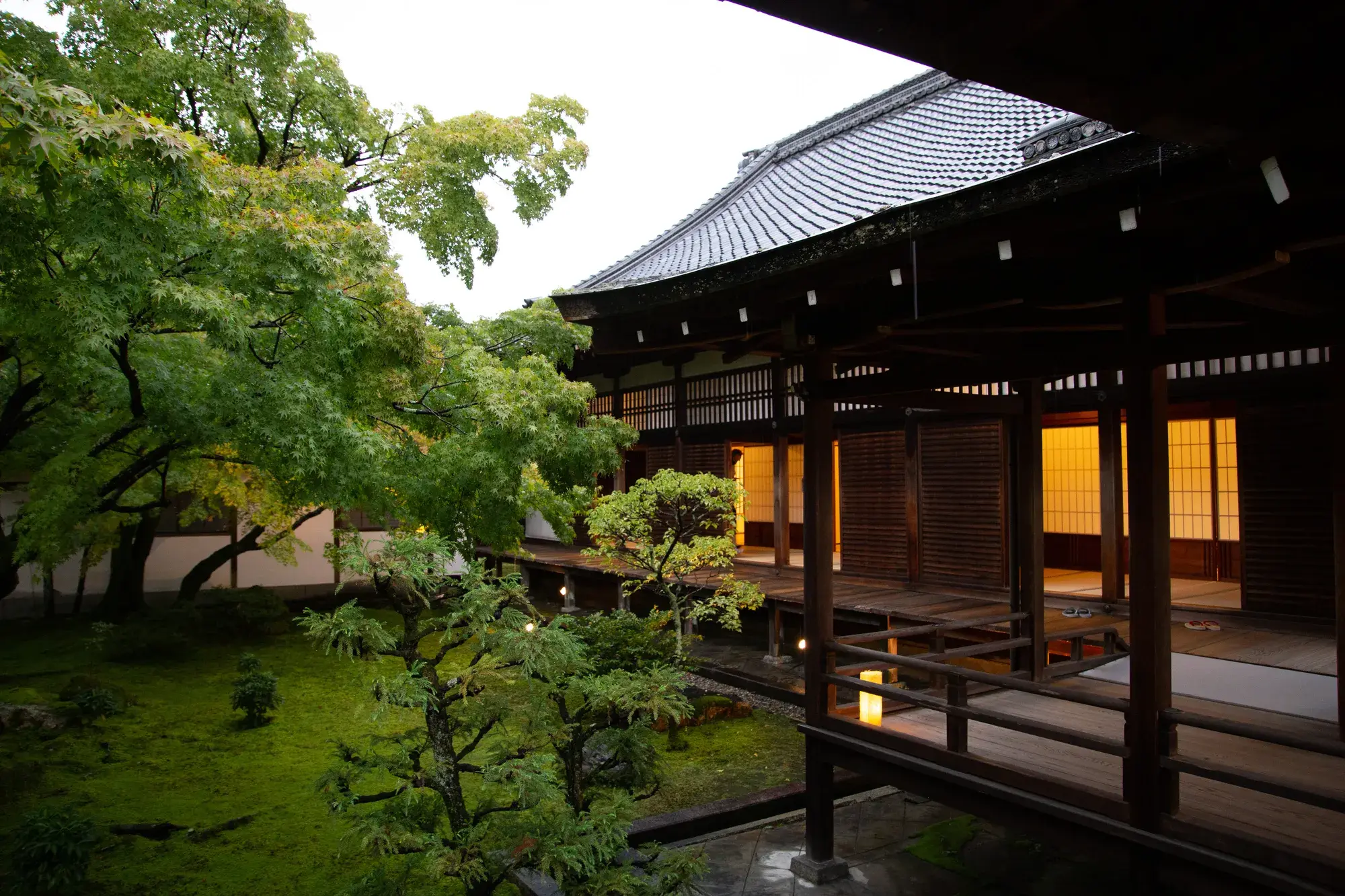
Beyond Hakone and Kyoto: temple, farmhouse, island and remote inns
Once you have stayed in Hakone and Kyoto, the inns worth the journey are those in old temple lodgings, moved farmhouses, on islands and in onsen villages at the end of a mountain road. Expect a longer trip with fixed pickups, set meals with nowhere else to eat, and less English, in exchange for an evening few visitors share.
The answer at 19 inns on our list