Hakone: the nearest, with the most choice
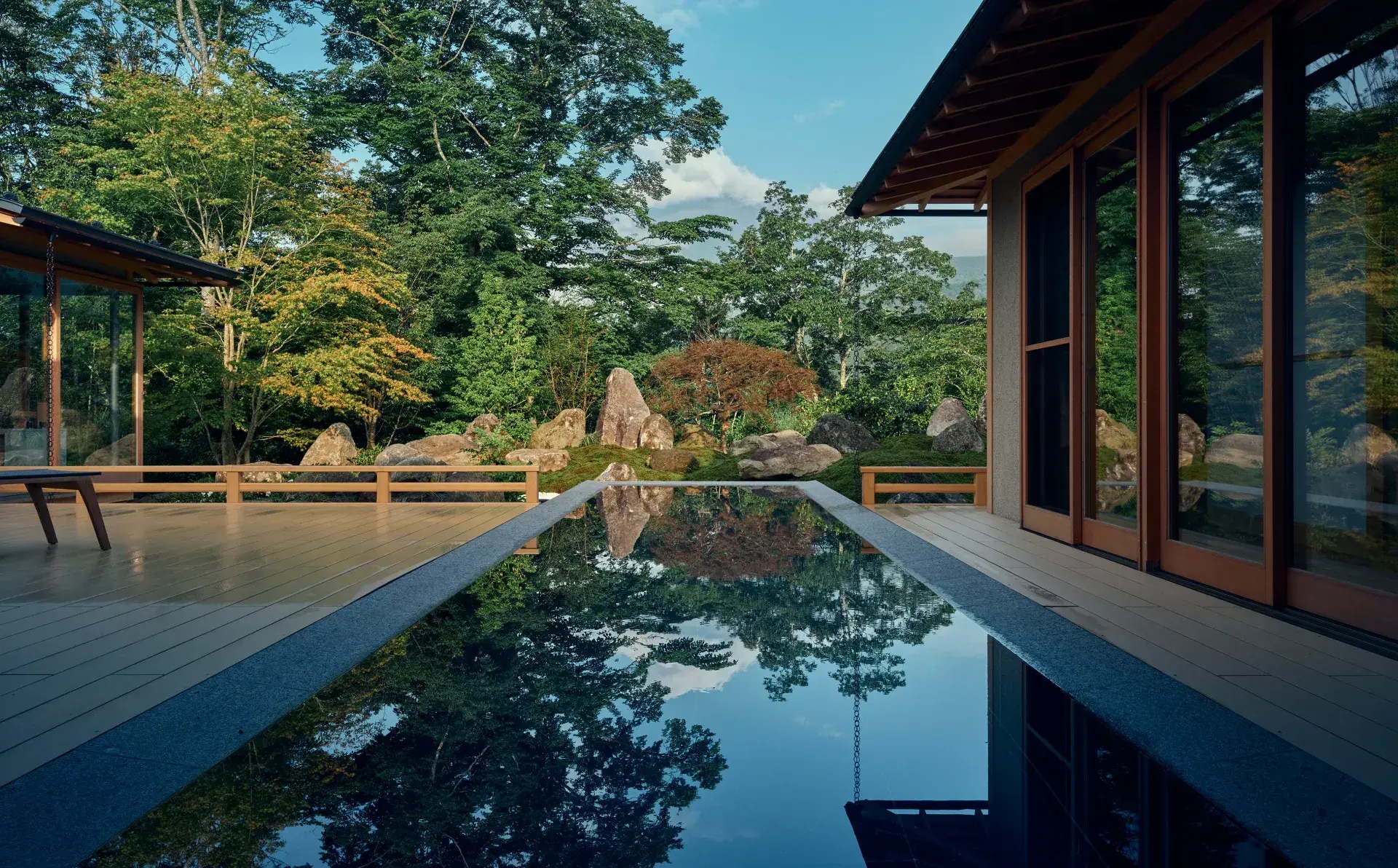
Hakone is a string of hot-spring villages in and around an old volcanic caldera, climbing from Hakone-Yumoto through Tonosawa and Miyanoshita to Gora and Sengokuhara. The Odakyu Romancecar runs from Shinjuku to Hakone-Yumoto in about 90 minutes; or take the Tokaido Shinkansen to Odawara, about 35 minutes from Tokyo, and the Hakone Tozan line up the valley, 45 minutes from Hakone-Yumoto to Gora.
The water changes as you climb. Kinnotake Tonosawa, just above Yumoto, has its own golden alkaline spring on every terrace; Hakone Ginyu, three minutes from Miyanoshita station, has a sodium chloride spring in terrace baths down the side of the gorge; at Kinnotake Sengokuhara the water is piped milky white from the Owakudani valley. Gora Kadan, in the Kan'in imperial summer villa, draws on three sources of its own.
If Hakone is the obvious choice, the coast and hills of Izu, just beyond it, are the other half of the question.
Izu: Atami on the coast, Shuzenji and Yugashima inland
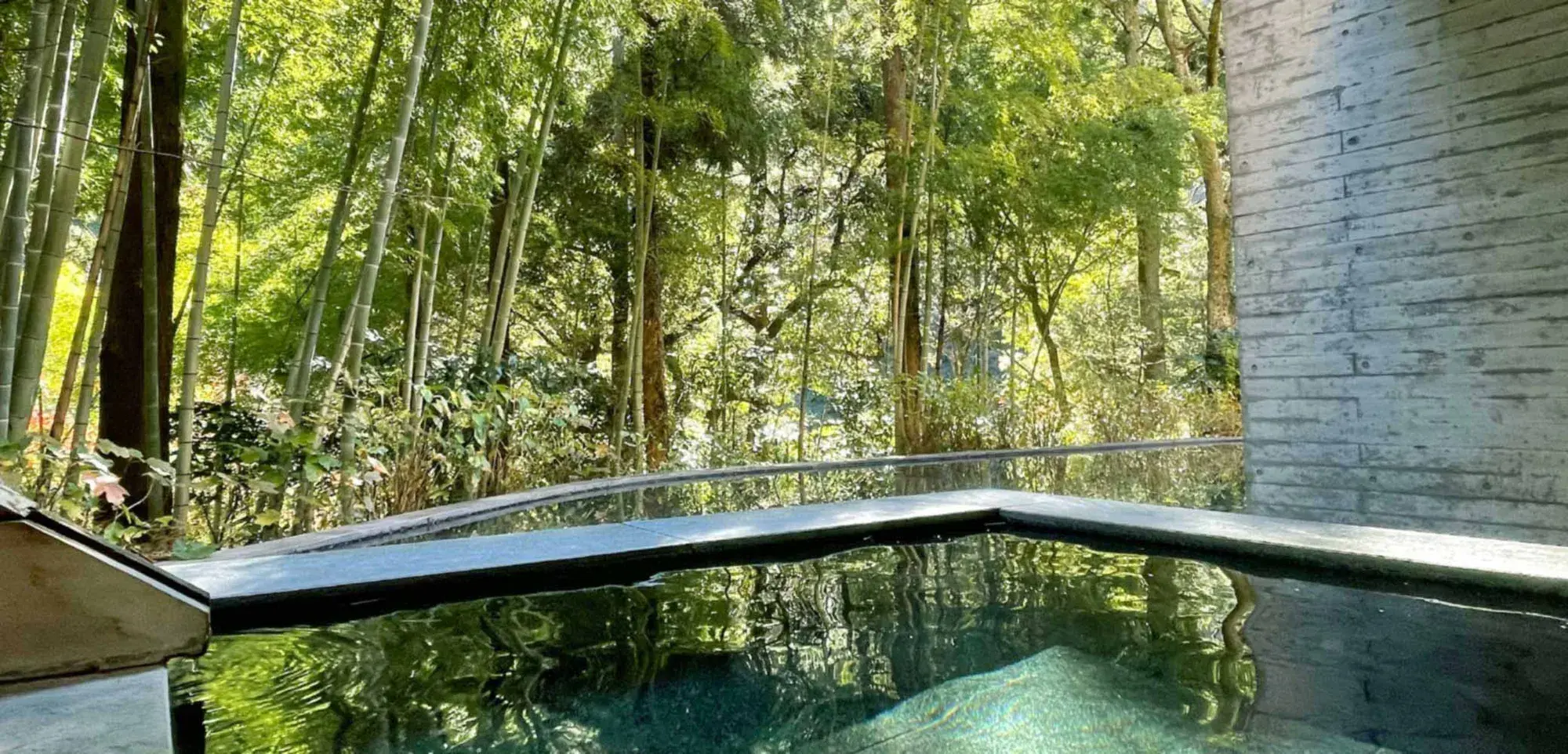
Atami is the quickest of all: about 48 minutes from Tokyo on the Kodama, then ten minutes by car. It is a seaside spa town on Sagami Bay. Fufu Atami fills every suite's open-air bath from its own source, Atami No. 47; The Hiramatsu Atami's 13 rooms all face the bay.
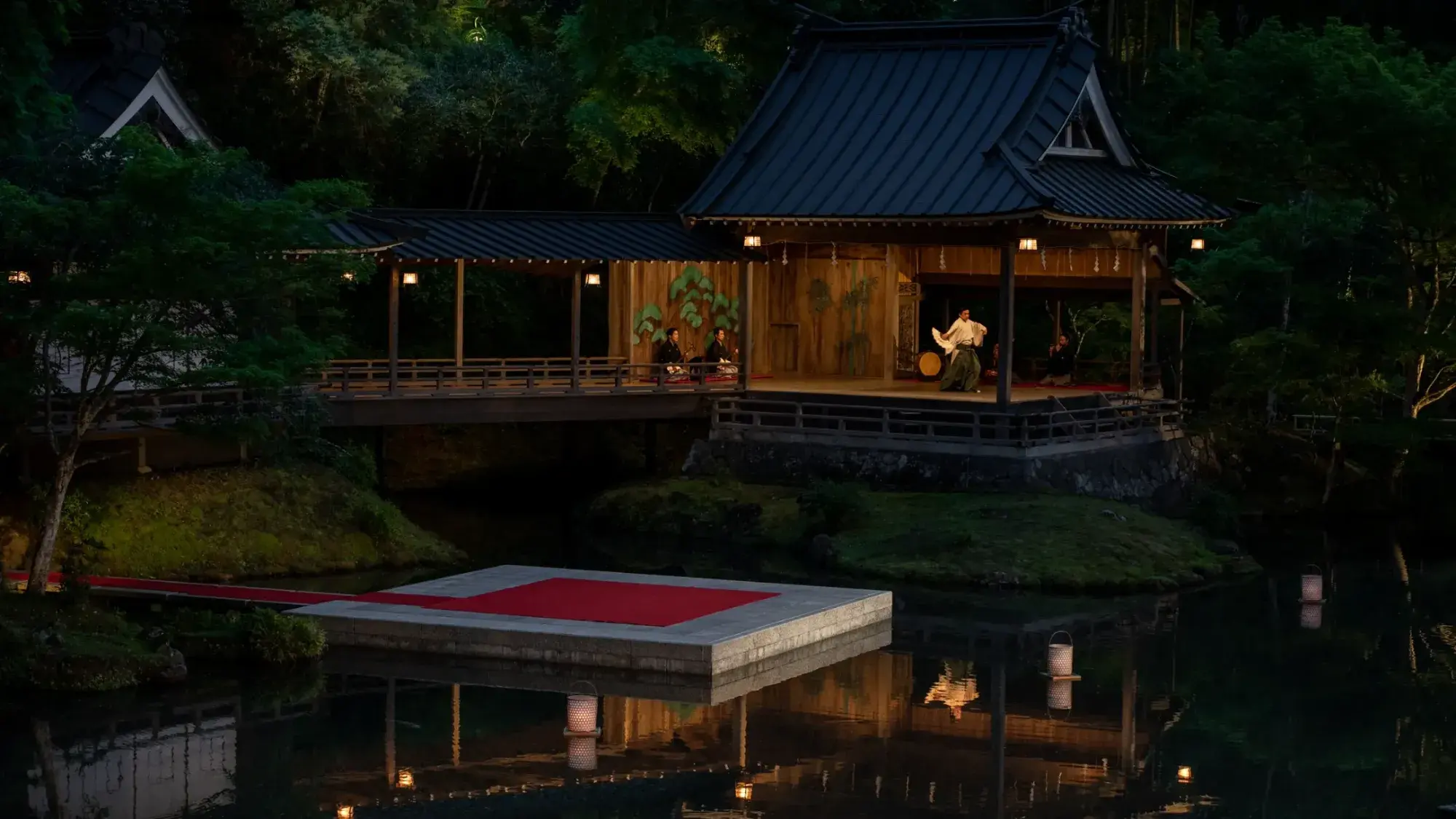
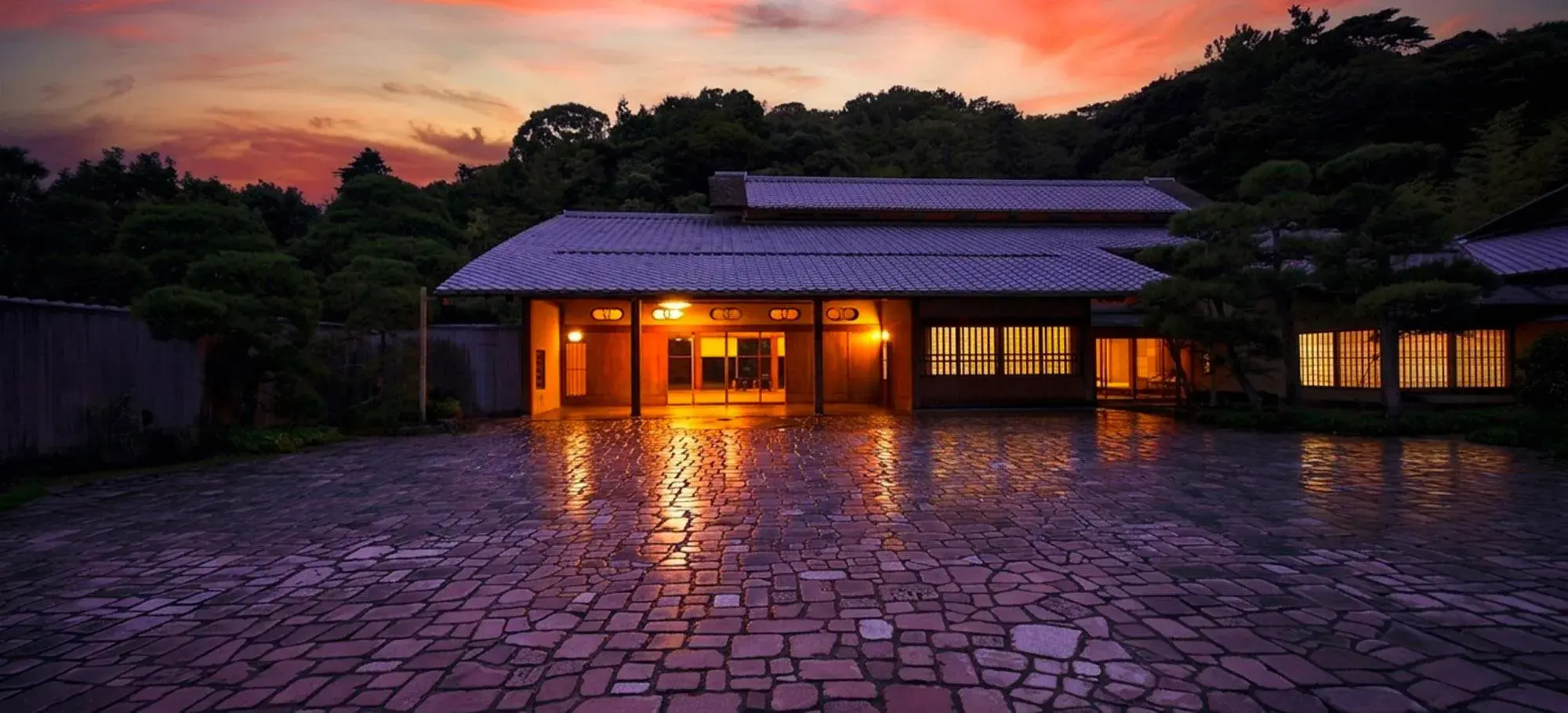
Inland, the Izuhakone Railway runs south from Mishima to Izu-Nagaoka and Shuzenji. Shuzenji is about two hours or a little more from Tokyo on the Odoriko limited express without changing, or by Shinkansen to Mishima (about 45 minutes) and the Izuhakone line (about 35). It is a temple town, and its inns are old: Asaba has been run by one family since 1484 and has a Noh stage over its pond. At Izu-Nagaoka, Sanyo-so is built around Hisaya Iwasaki's 1929 villa, with a free-flowing bath in every room.
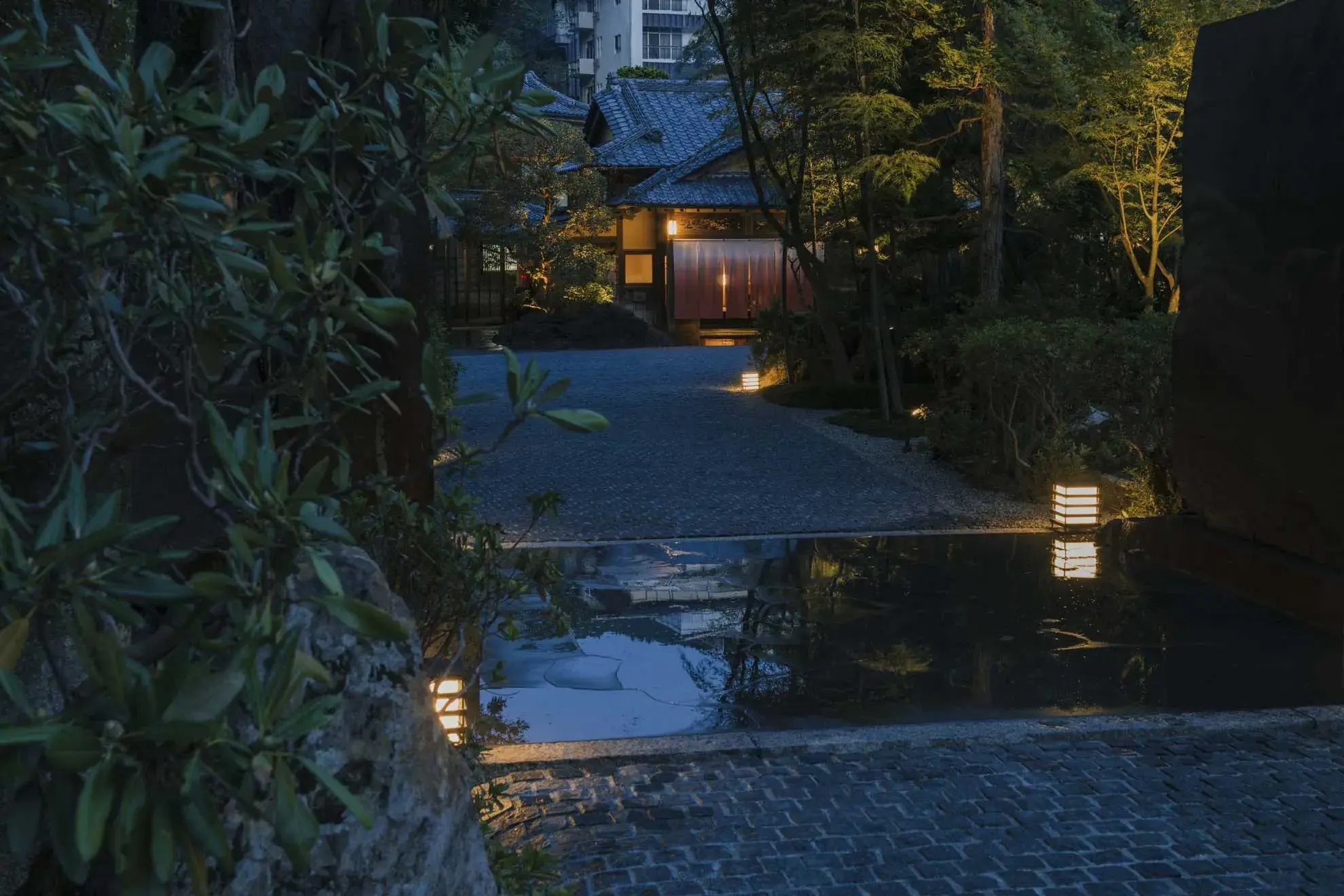
Yugashima lies about 20 minutes beyond Shuzenji, in the Amagi hills on the Kano river. Ochiairo, an inn since 1874 that Kawabata and Shimazaki wrote of, is a registered cultural property.
North of Tokyo the towns are mountain ones.
Minakami, Nikko and Karuizawa: the mountains to the north
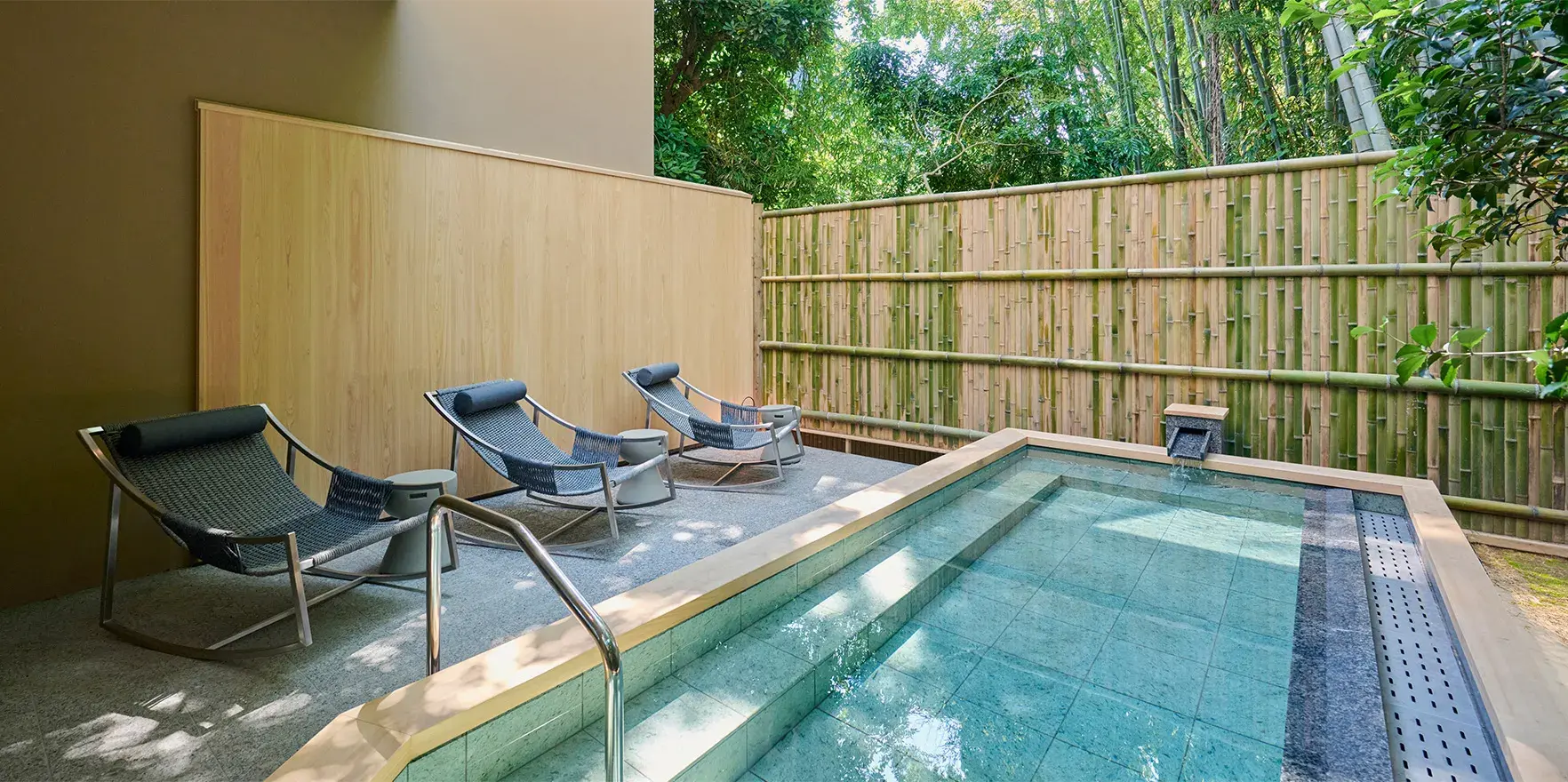
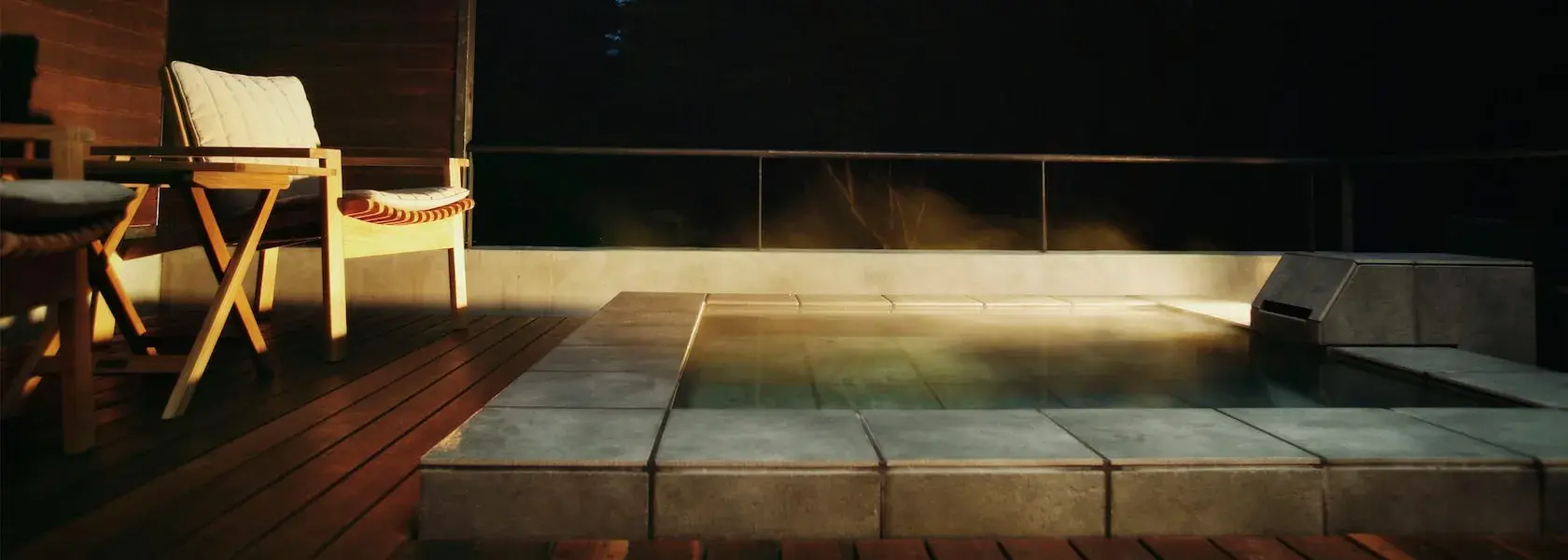
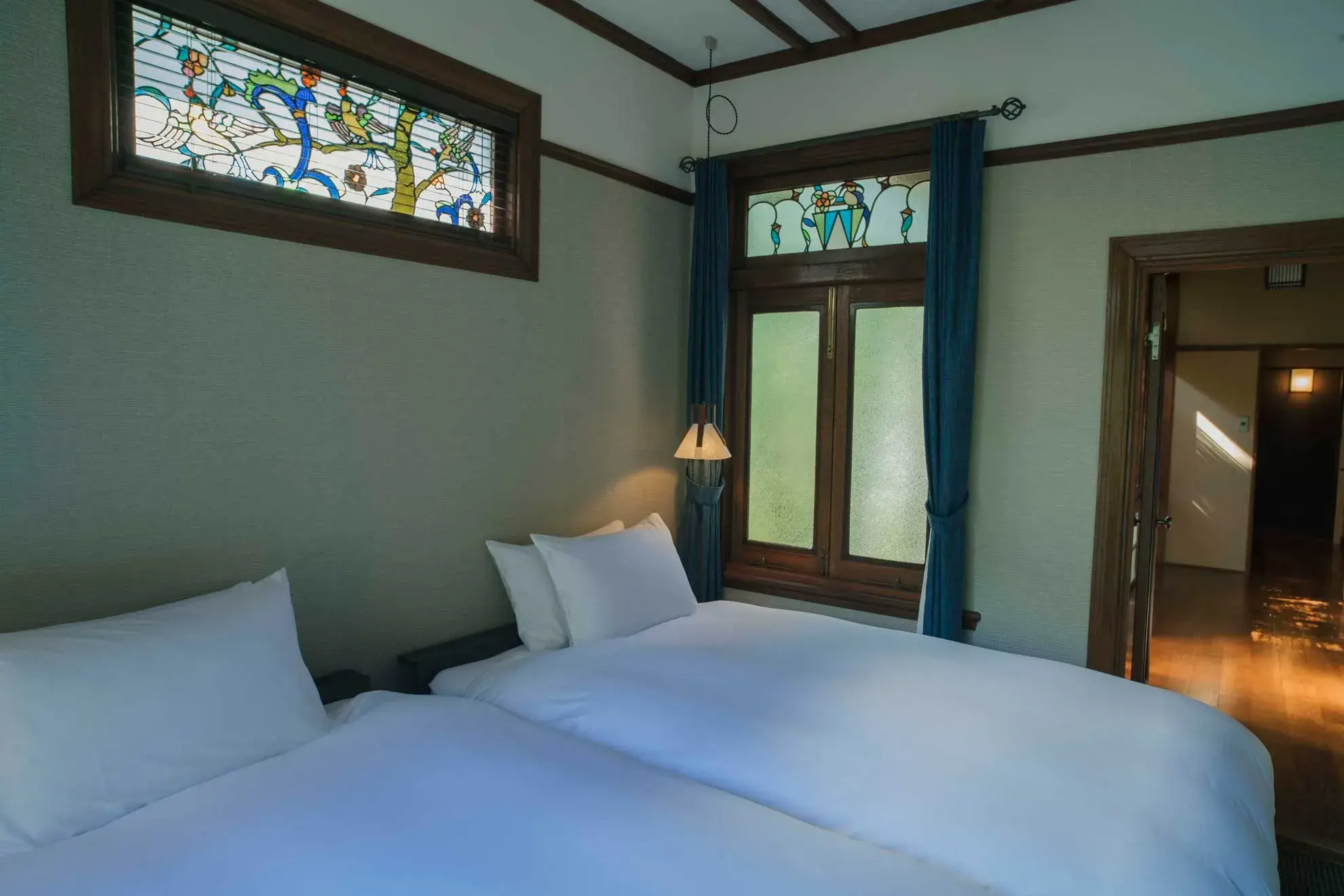
Minakami is reached by the Joetsu Shinkansen to Jomo-Kogen and a bus, about 100 to 110 minutes from Tokyo station in all. At Tanigawa Onsen, under Mount Tanigawa, Bettei Senjuan has its own free-flowing spring in an open-air bath in every room, each facing the mountain.
Nikko is about two hours from Asakusa on the Tobu line, or the Shinkansen to Utsunomiya (55 minutes) and the JR Nikko line (50). It is a shrine town first; Fufu Nikko, on the site of the Tamozawa Imperial Villa's annex, has its own spring and is about fifteen minutes' walk from Toshogu. Kinugawa, the larger spa town further up the Tobu line, has no inn on our list.
Karuizawa is known as a highland summer resort more than for its hot springs. Our inn is beyond it at Miyota: The Hiramatsu Karuizawa Miyota, 20 minutes by taxi from Sakudaira, which is 1 hour 20 minutes from Tokyo on the Hokuriku Shinkansen. Its onsen water is carried in from Oshio, heated and recirculated, which our guide to private onsen explains.
For the view of Fuji itself, go west.
Mount Fuji: the view first
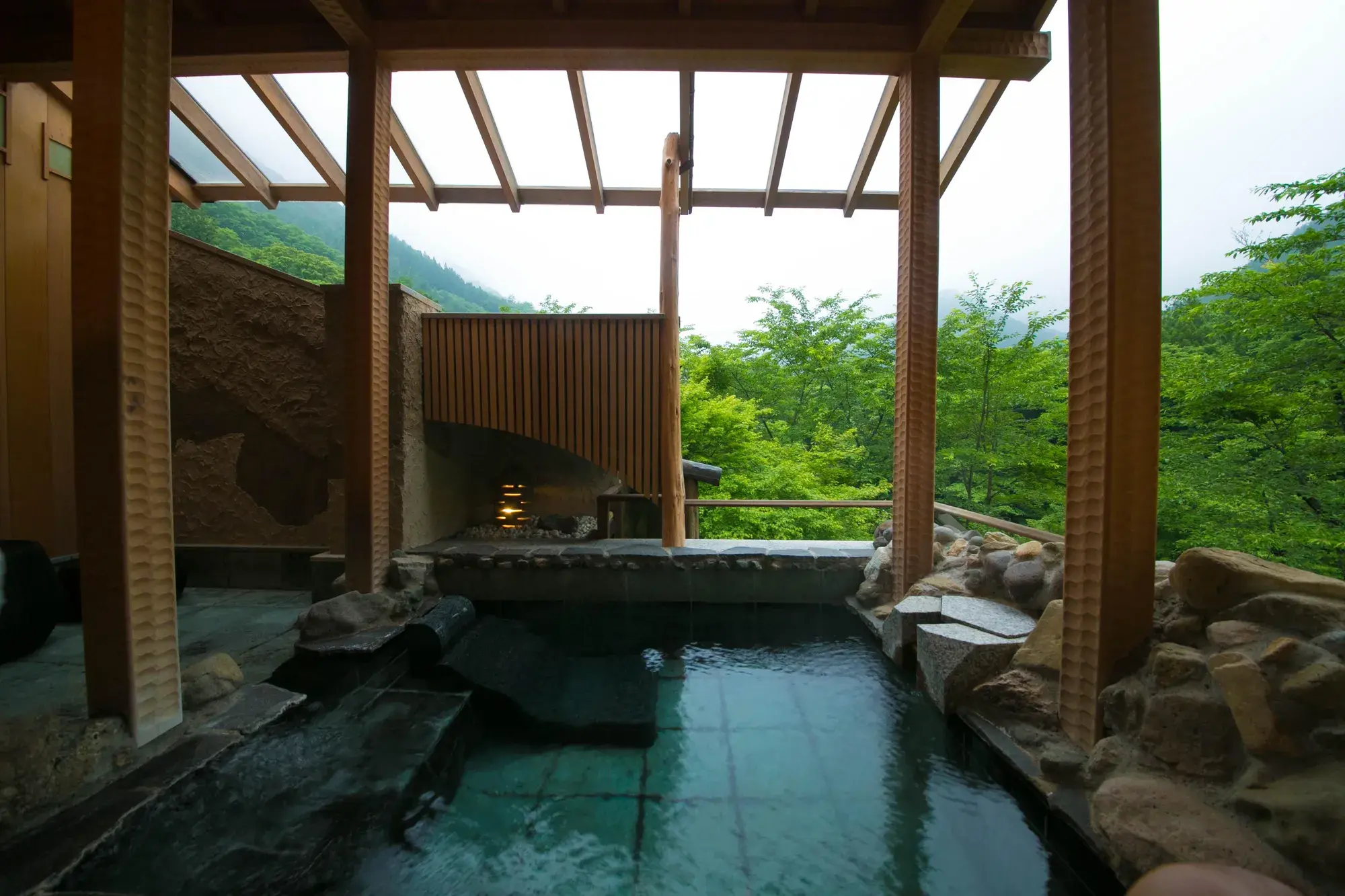
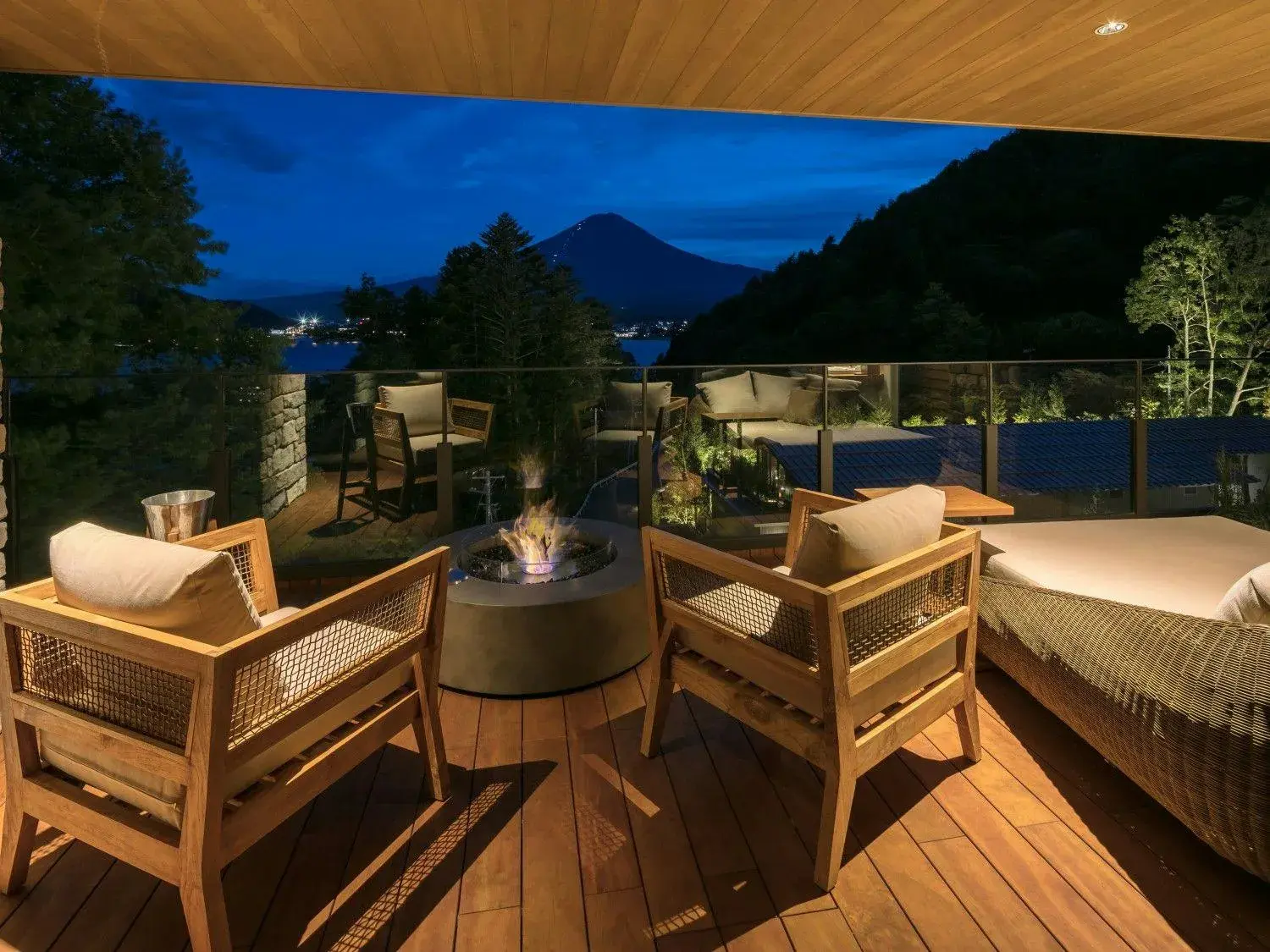
Kawaguchiko, on the north side of the mountain, is about 100 minutes from Busta Shinjuku by highway bus, or by limited express to Otsuki (60 minutes) and the Fujikyu line (about 60). Fufu Kawaguchiko's open-air baths, laid with Fuji lava, take water from its own source above the lake.
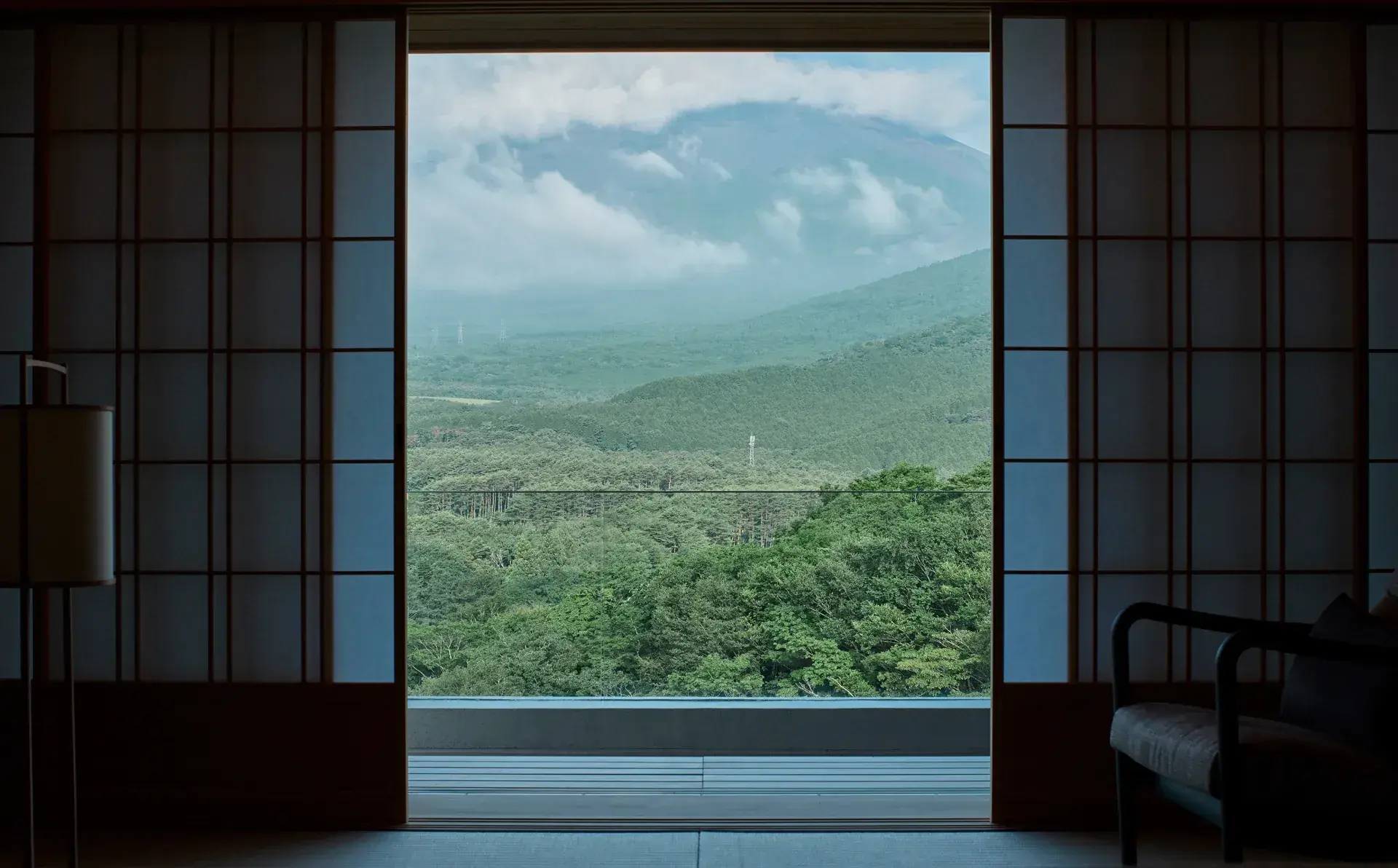
On the east side, Gora Kadan Fuji at Subashiri is about 40 minutes by taxi from Mishima, which is about 35 minutes from Shinagawa. Its 42 suites face the summit, and its hot spring is drawn from about 1,500 metres below the foot of the mountain.
A day trip, or a night
Hakone and Atami are near enough to bathe and come back the same day. A ryokan, though, is built round the evening: check-in at 15:00, dinner at a set hour, the bath again before an 11:00 check-out, as at Fufu Hakone and Fufu Atami. The two-hour towns, Minakami, Nikko, Yugashima, are best taken with a night.
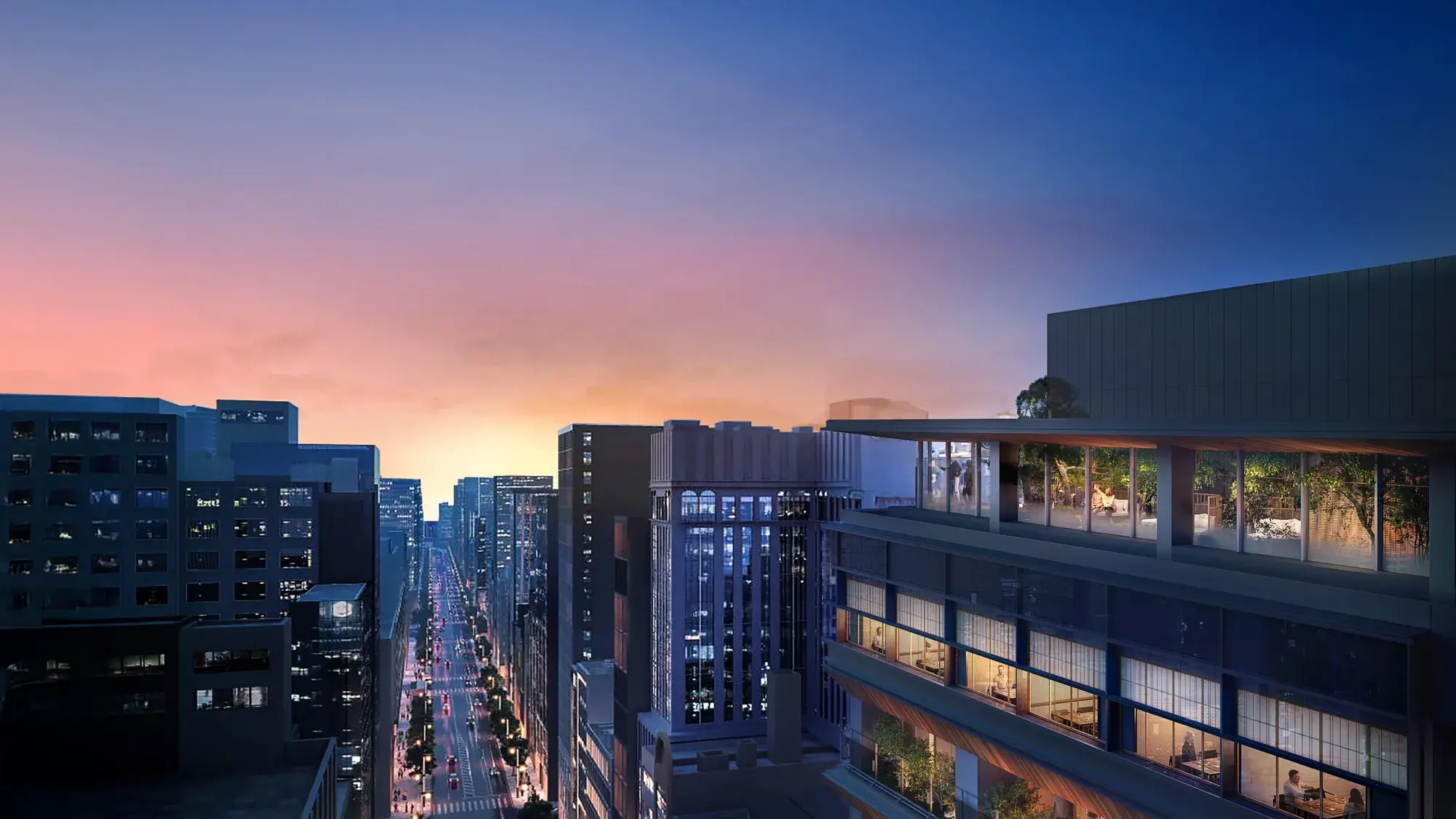
If there is no time to leave Tokyo, Auberge Tokito in Tachikawa, in western Tokyo, has a free-flowing spring of its own in each of its four suites; Fufu Tokyo Ginza fills every suite's bath with Atami spring water, and Hoshinoya Tokyo has hot-spring baths on its top floor. The inns on our list, town by town:
On our list
Tokyo3
Without leaving the city.
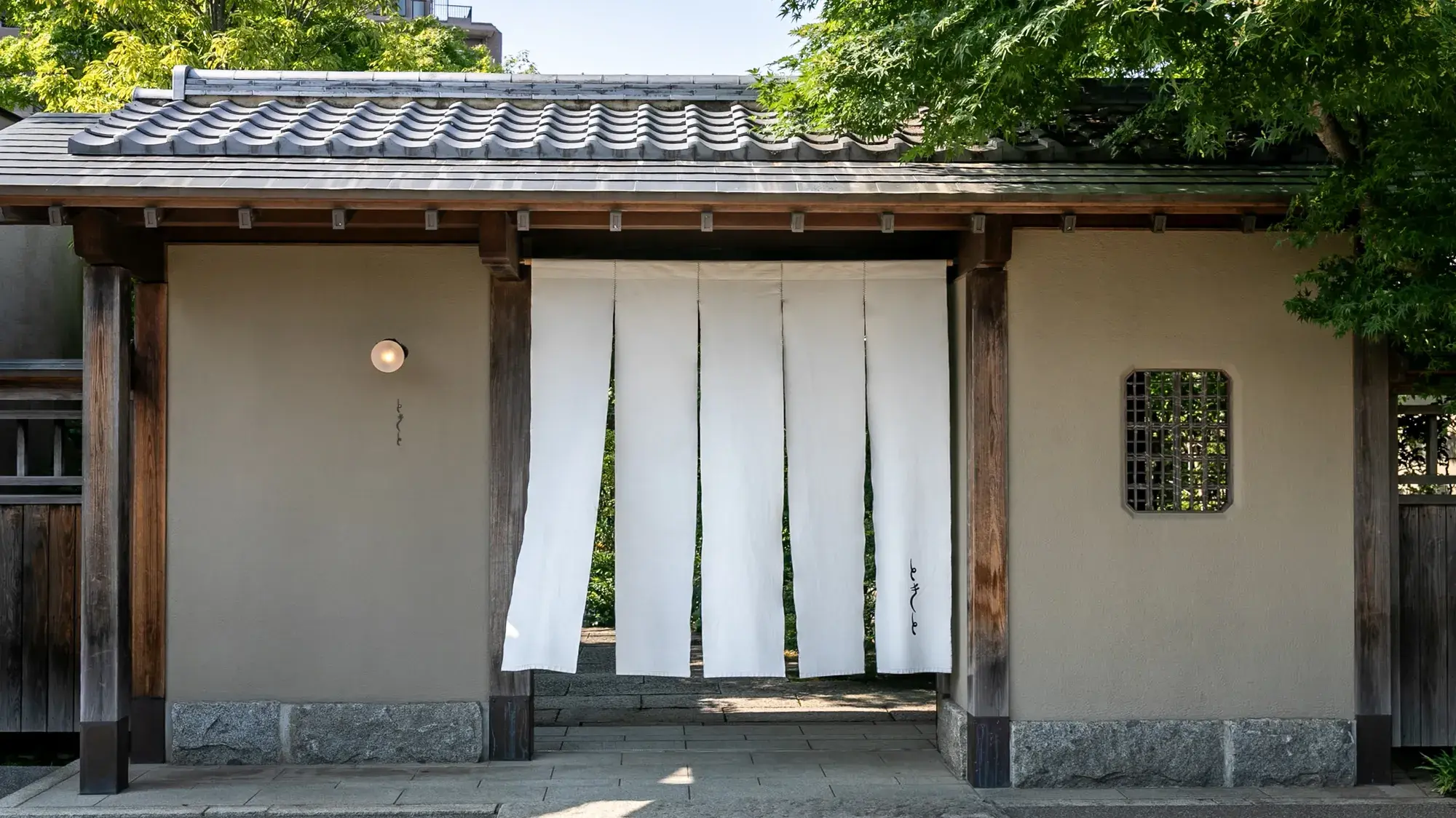 Auberge TokitoNishikicho, Tachikawa
its own spring, free-flowing in each of four suites, a minute from Nishi-Kunitachi station
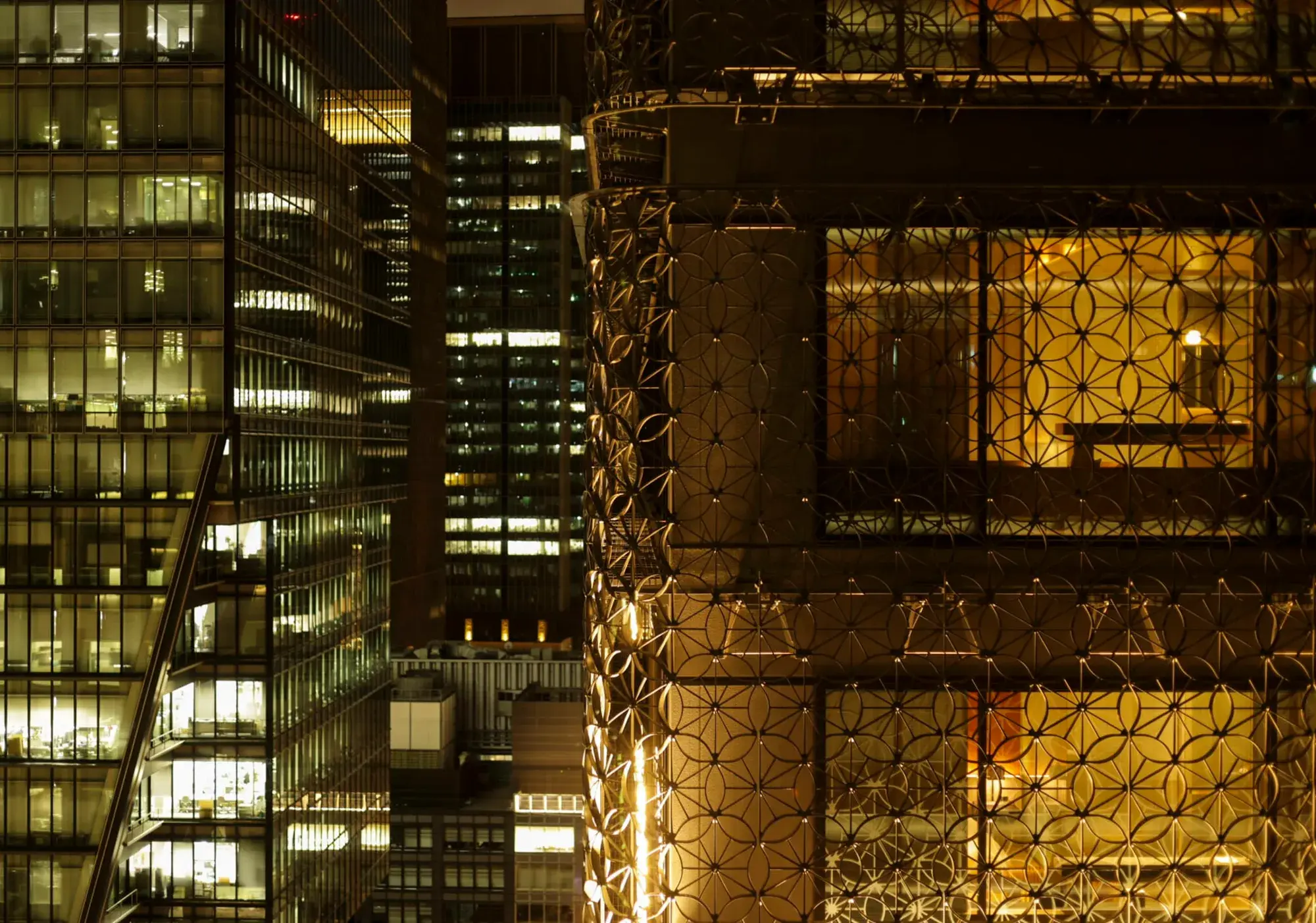
Hakone6
About 90 minutes from Shinjuku by Romancecar, or 35 minutes by Shinkansen to Odawara and the Tozan line.
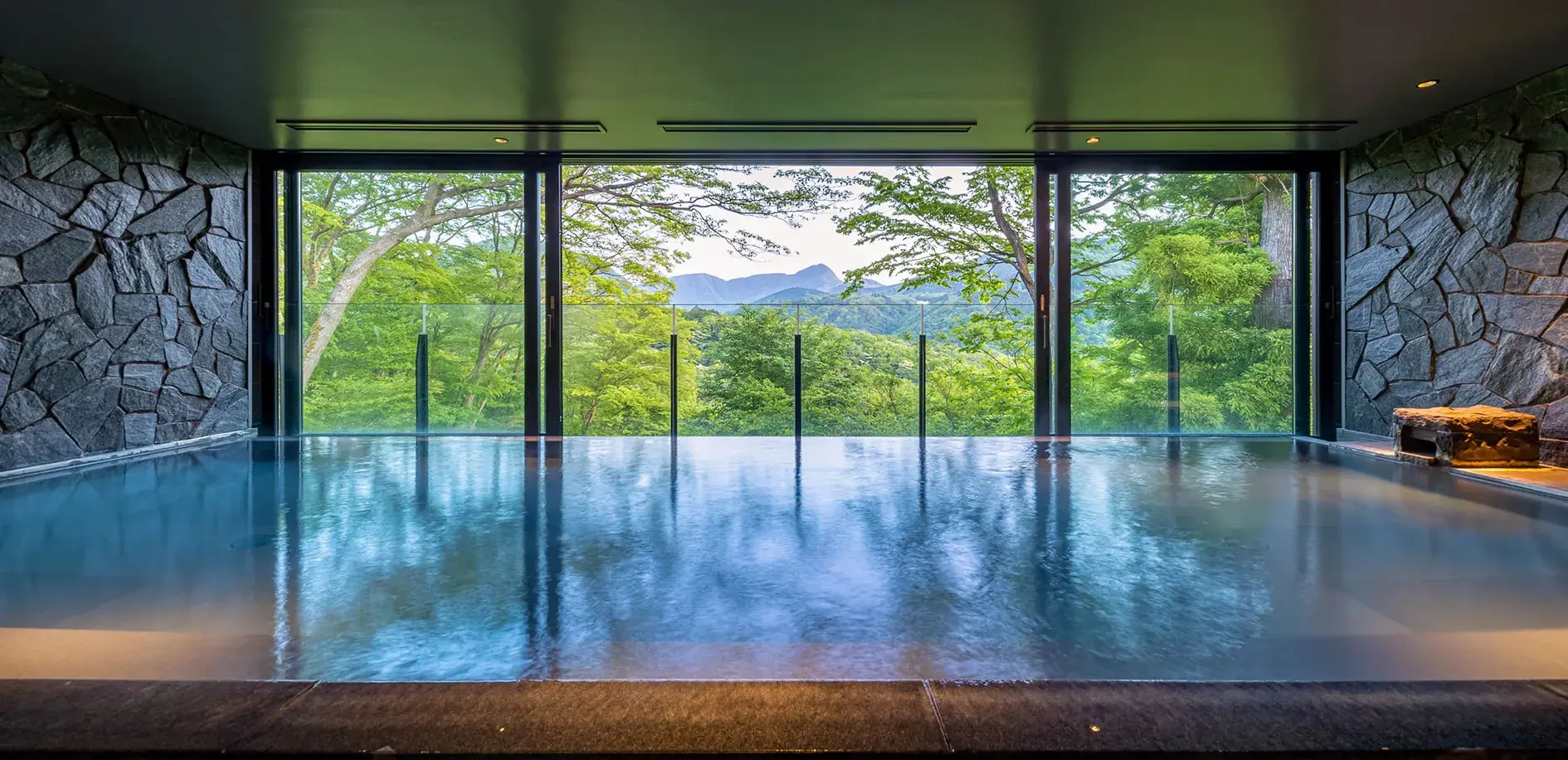 Fufu HakoneGora, Hakone
39 suites in Gora, each with a stone bath of Gora spring water; milky Owakudani water in the top-floor baths
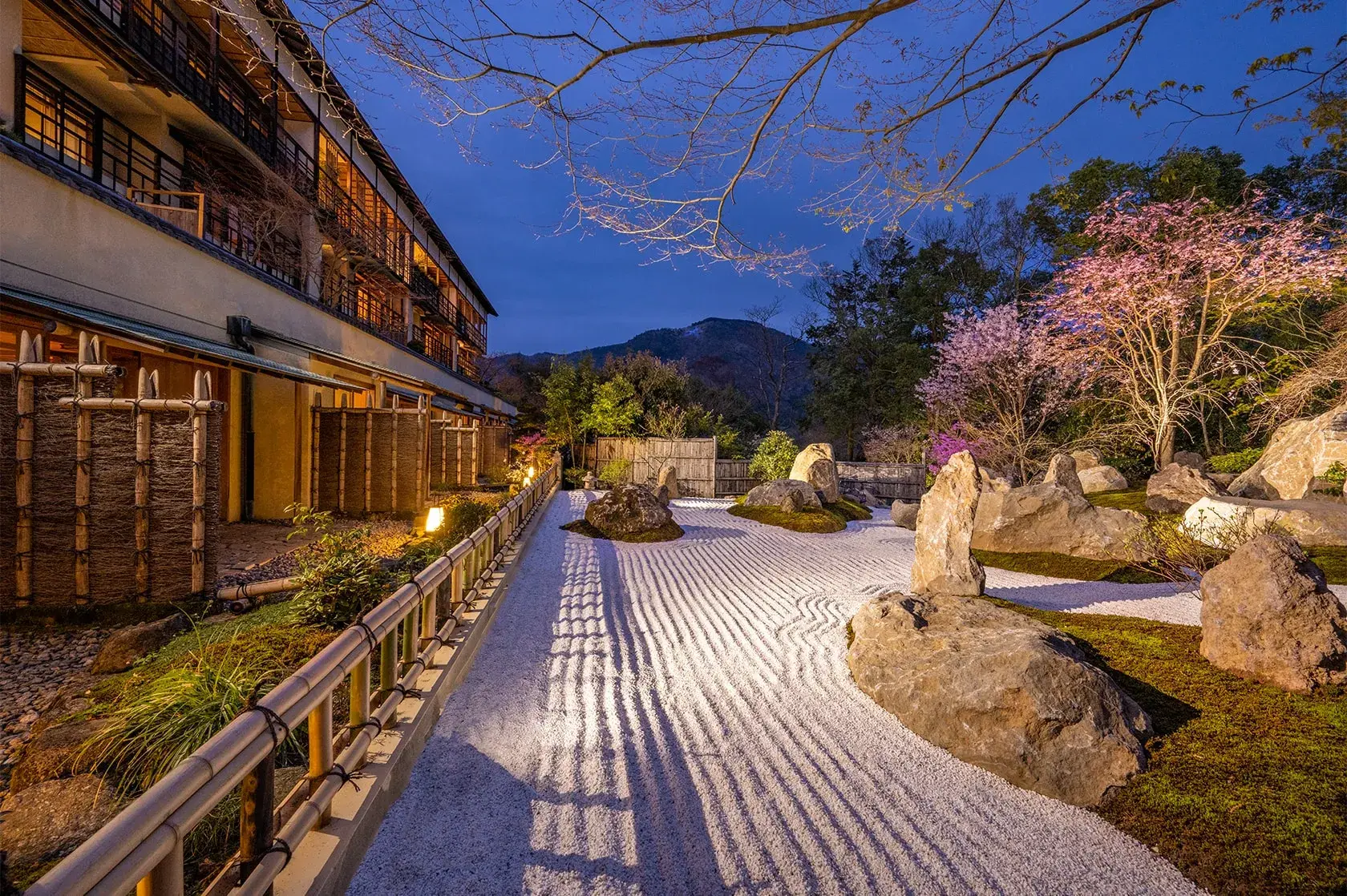 Gora KadanGora, Hakone
the Kan'in imperial summer villa, with three sources of its own; the car from Gora station comes when you call
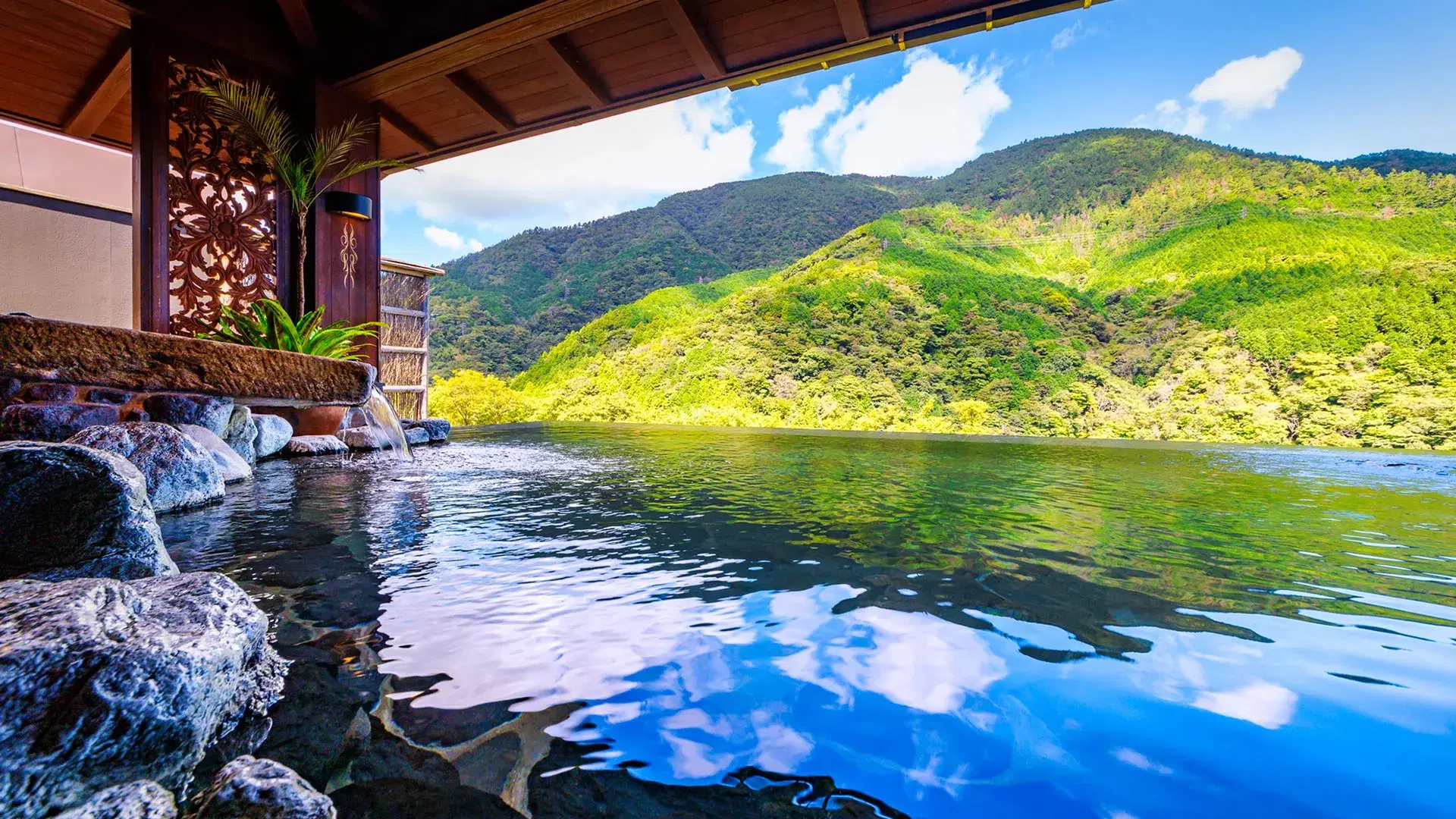 Hakone GinyuMiyanoshita, Hakone
an open-air bath on every room's terrace over the Hayakawa gorge, three minutes' walk from Miyanoshita station
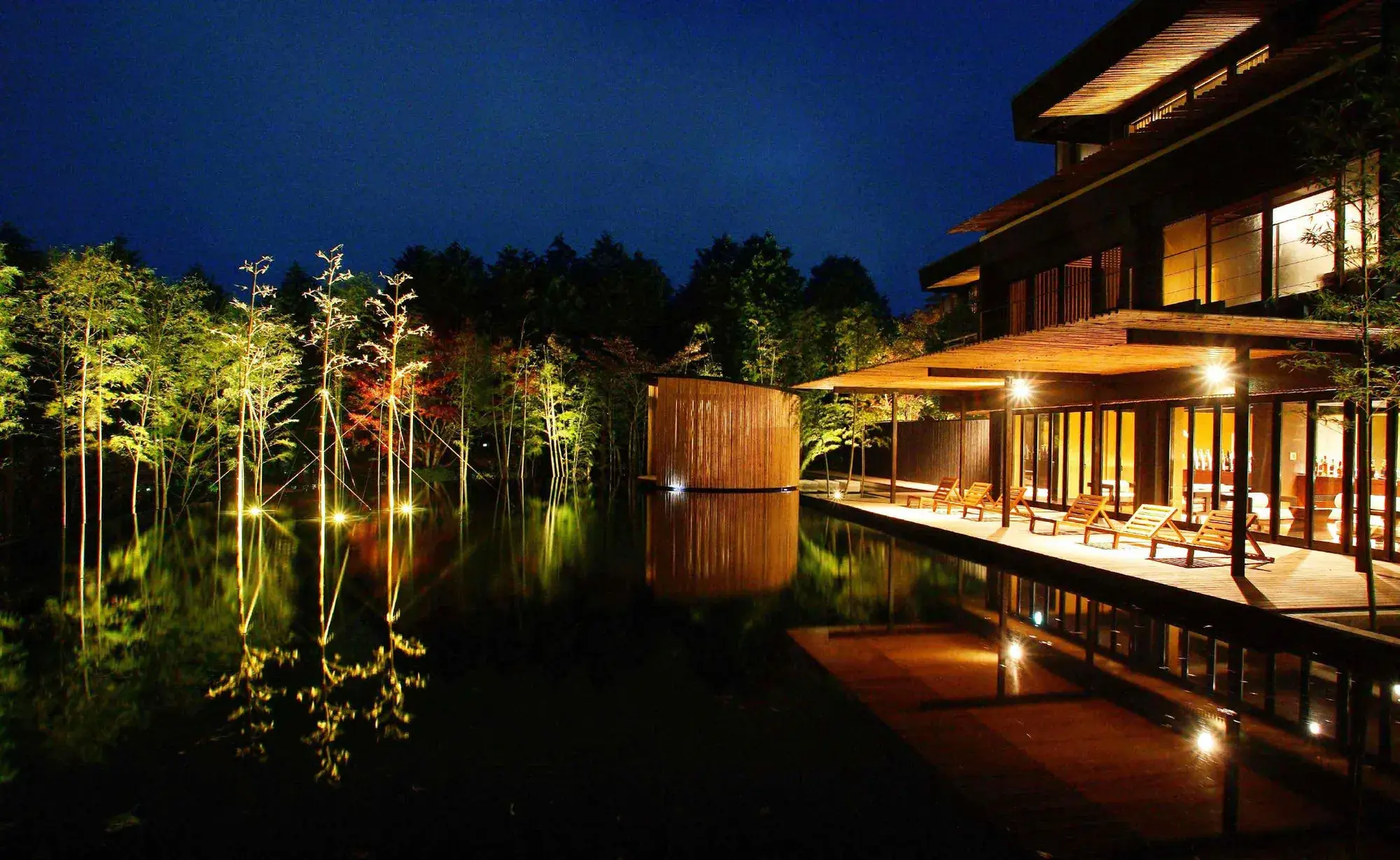 Kinnotake SengokuharaSengokuhara, Hakone
nine adults-only rooms in a bamboo grove, each with an outdoor bath of milky Owakudani water
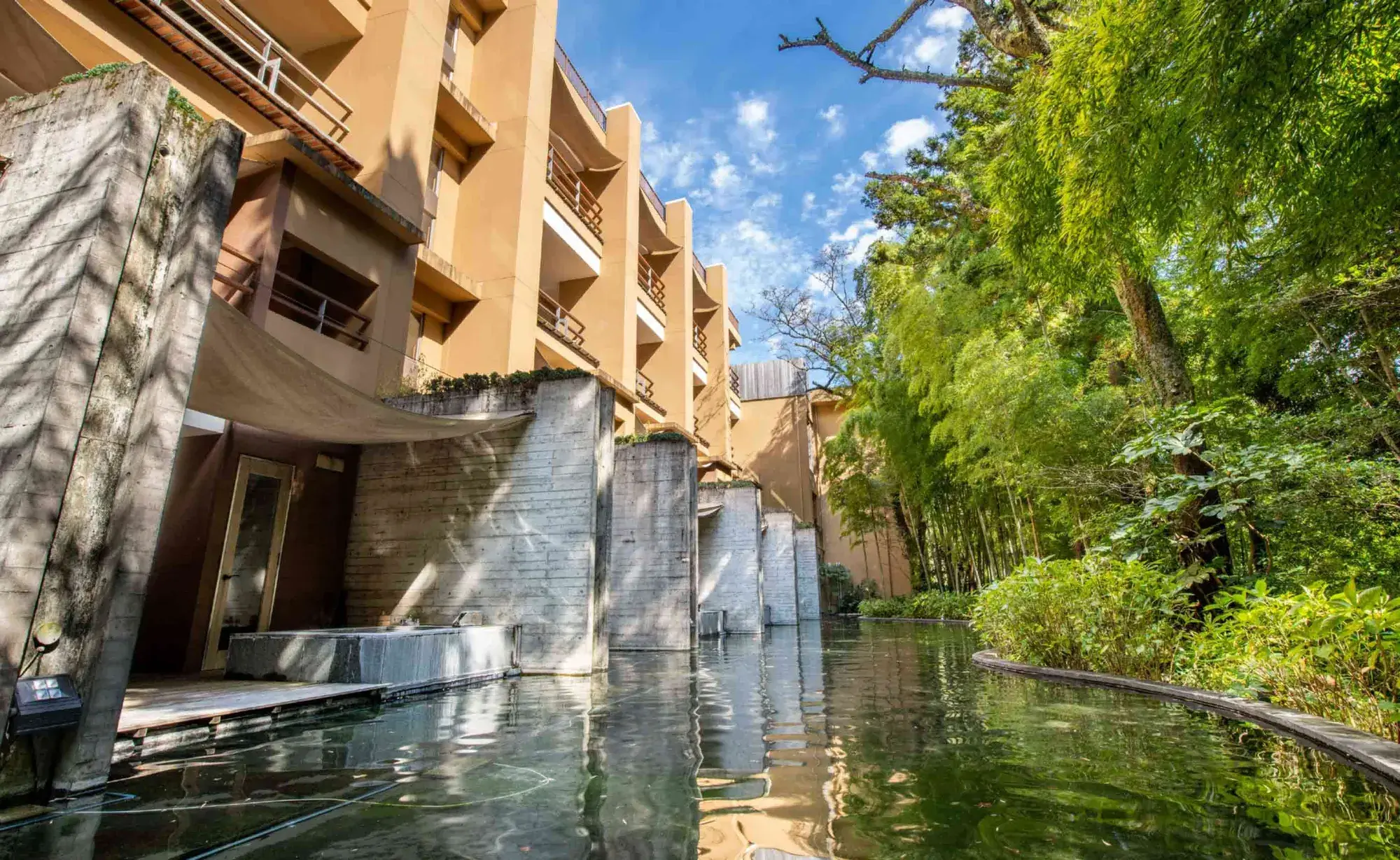 Kinnotake TonosawaTonosawa, Hakone
its own golden alkaline spring on every terrace, across a suspension bridge from the bus stop
The other 1
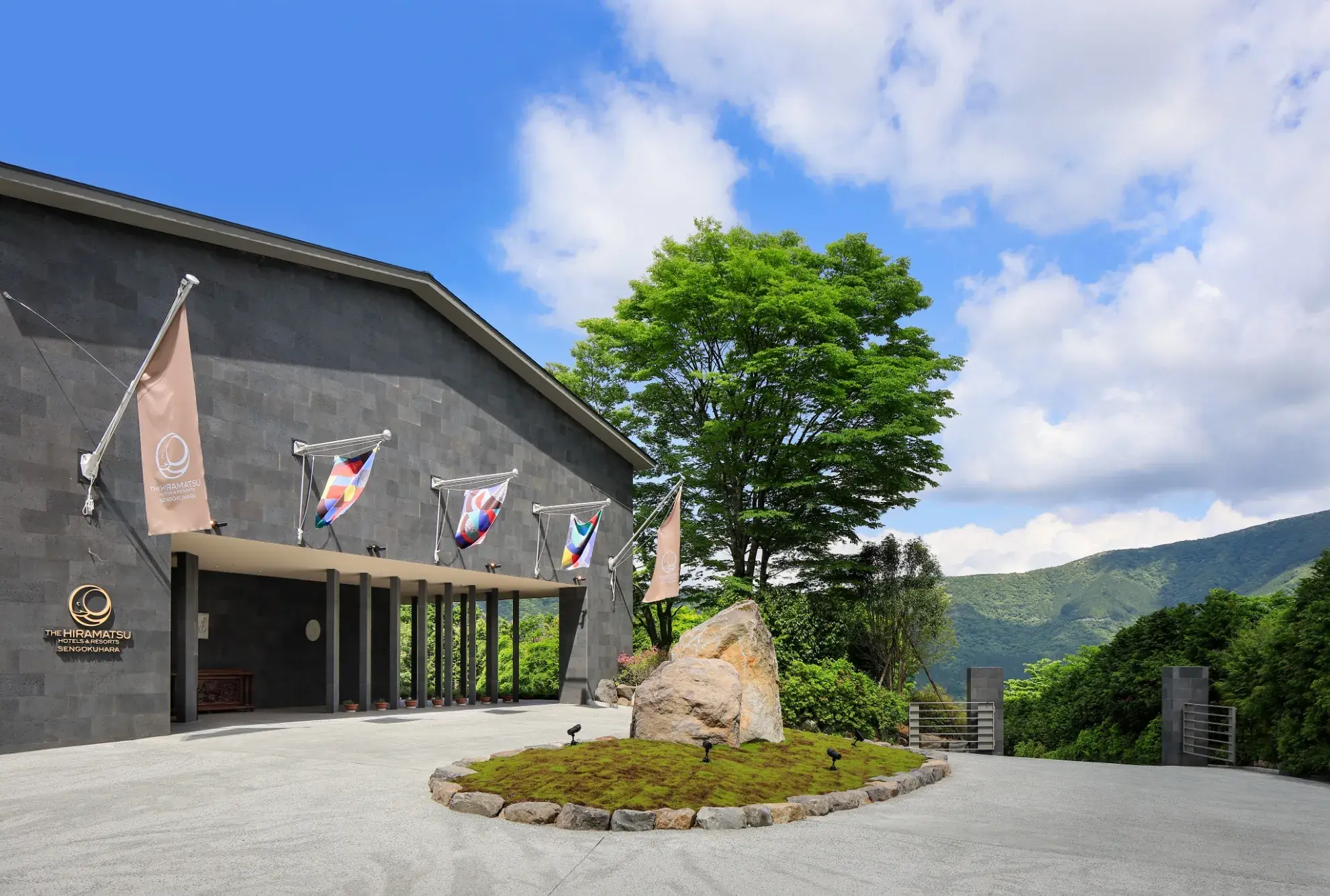 The Hiramatsu SengokuharaSengokuhara, Hakone
an Italian dining room, and a granite hot-spring tub in every room
Atami2
About 45 minutes from Tokyo by Shinkansen, then ten minutes by car.
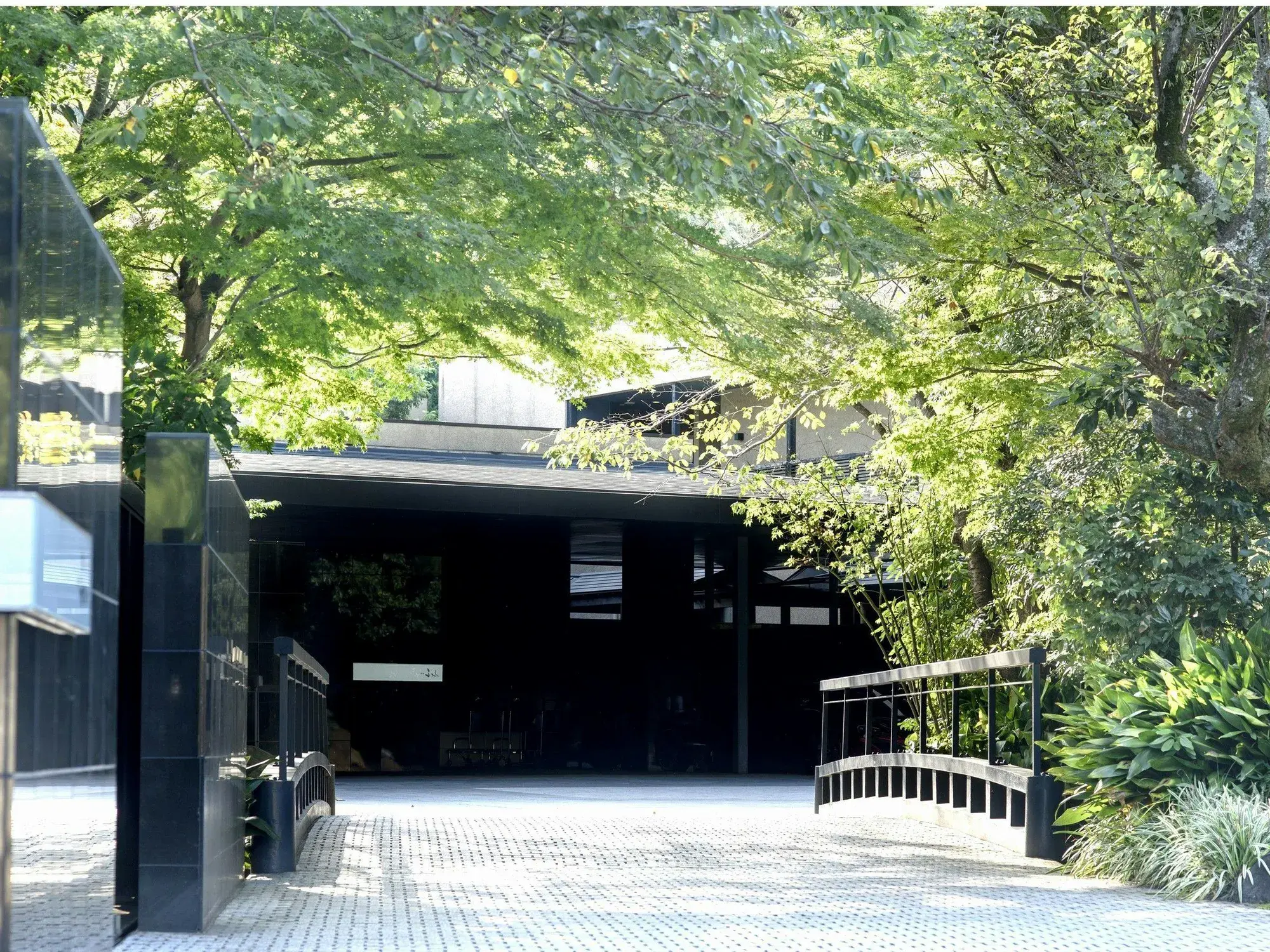 Fufu AtamiMinaguchi-cho, Atami
its own source, Atami No. 47, free-flowing into an open-air bath in every suite
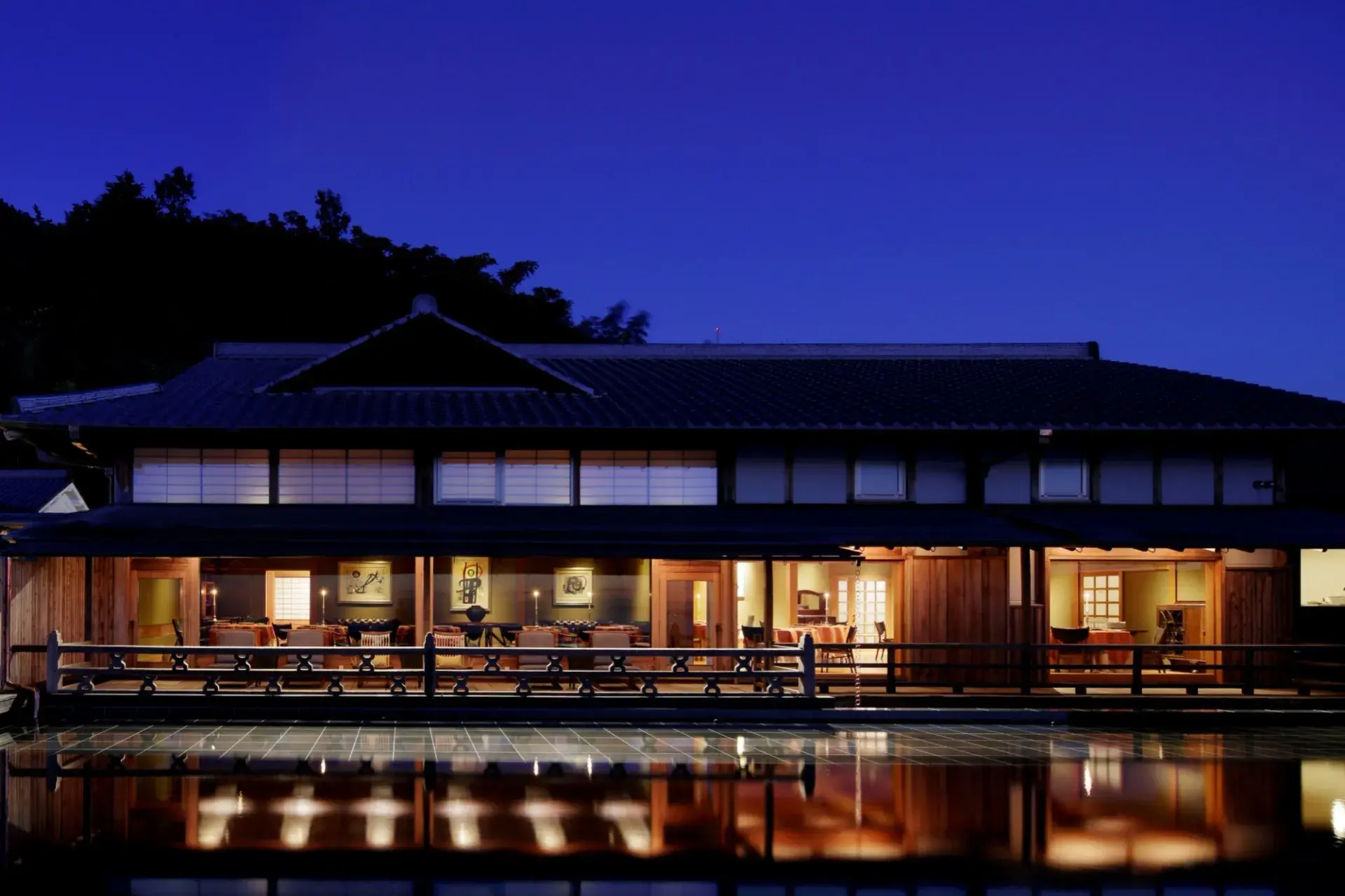 The Hiramatsu AtamiAtami
a 1985 sukiya guest house, all 13 rooms facing Sagami Bay, each with a hot-spring tub
Shuzenji, Izu-Nagaoka and Yugashima5
About two hours or a little more from Tokyo to Shuzenji by the Odoriko; Yugashima is 20 minutes further.
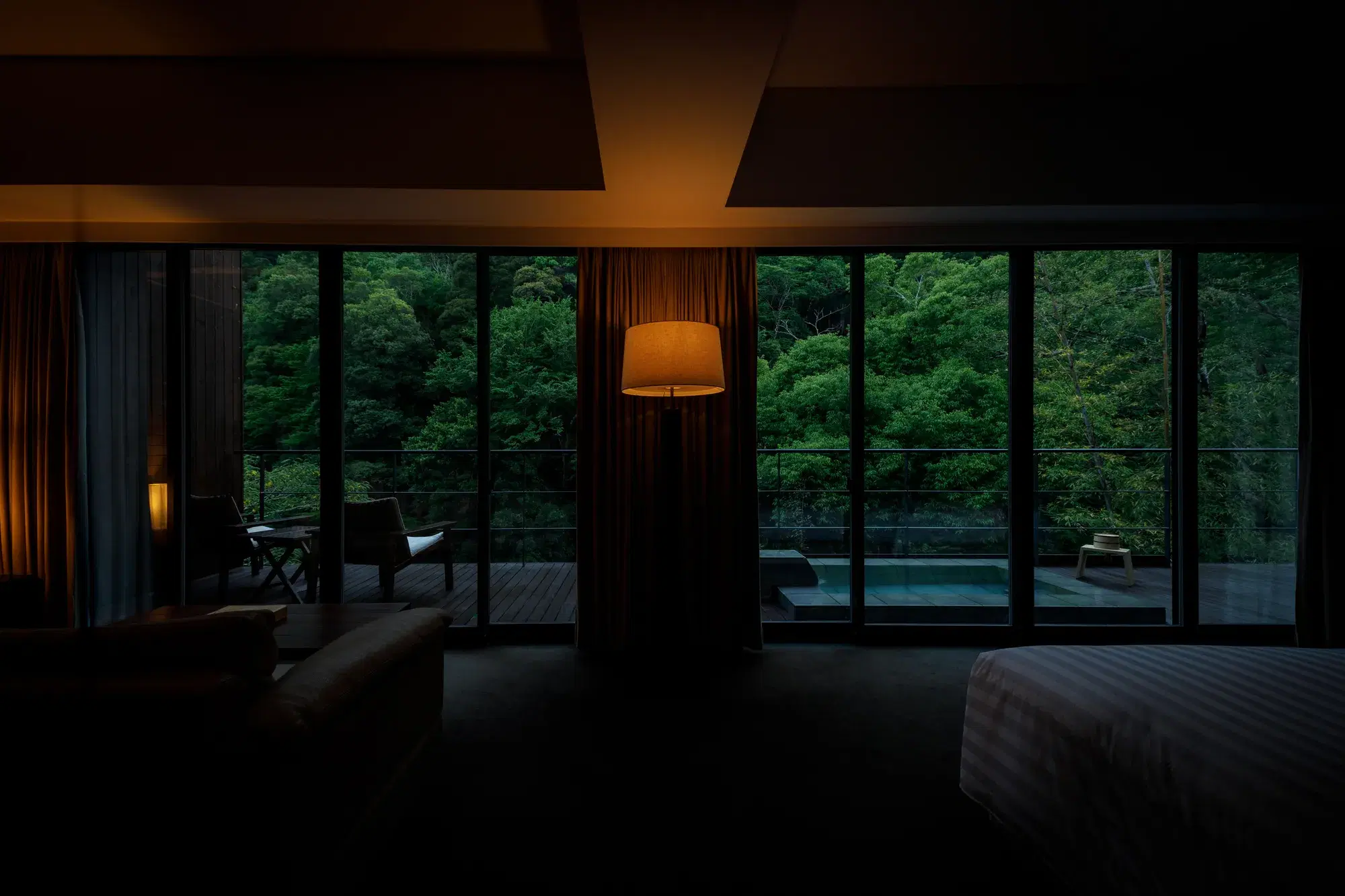 Arcana IzuYugashima, Izu
16 suites over the Kano river at Yugashima, each with an open-air hot-spring bath
 OchiairoAmagi Yugashima Onsen, Izu
an inn at Yugashima since 1874, now a registered cultural property, that Kawabata wrote of
 Sanyo-soIzu-Nagaoka Onsen, Izunokuni
Hisaya Iwasaki's 1929 villa at Izu-Nagaoka, with a free-flowing bath in every room
 Yagyu-no-ShoShuzenji, Izu
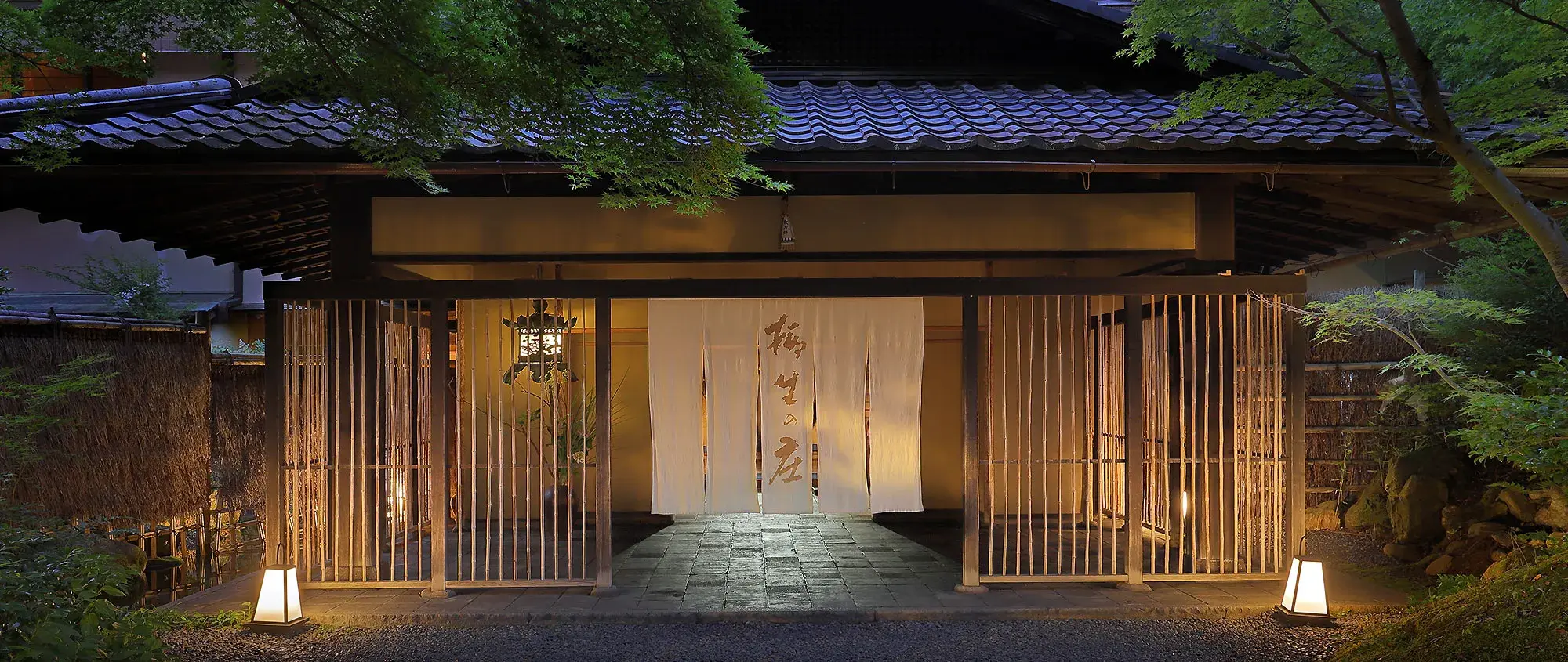
15 rooms in a Shuzenji bamboo grove, every bath of free-flowing spring water
Minakami1
About 100 to 110 minutes from Tokyo station by Shinkansen and bus.
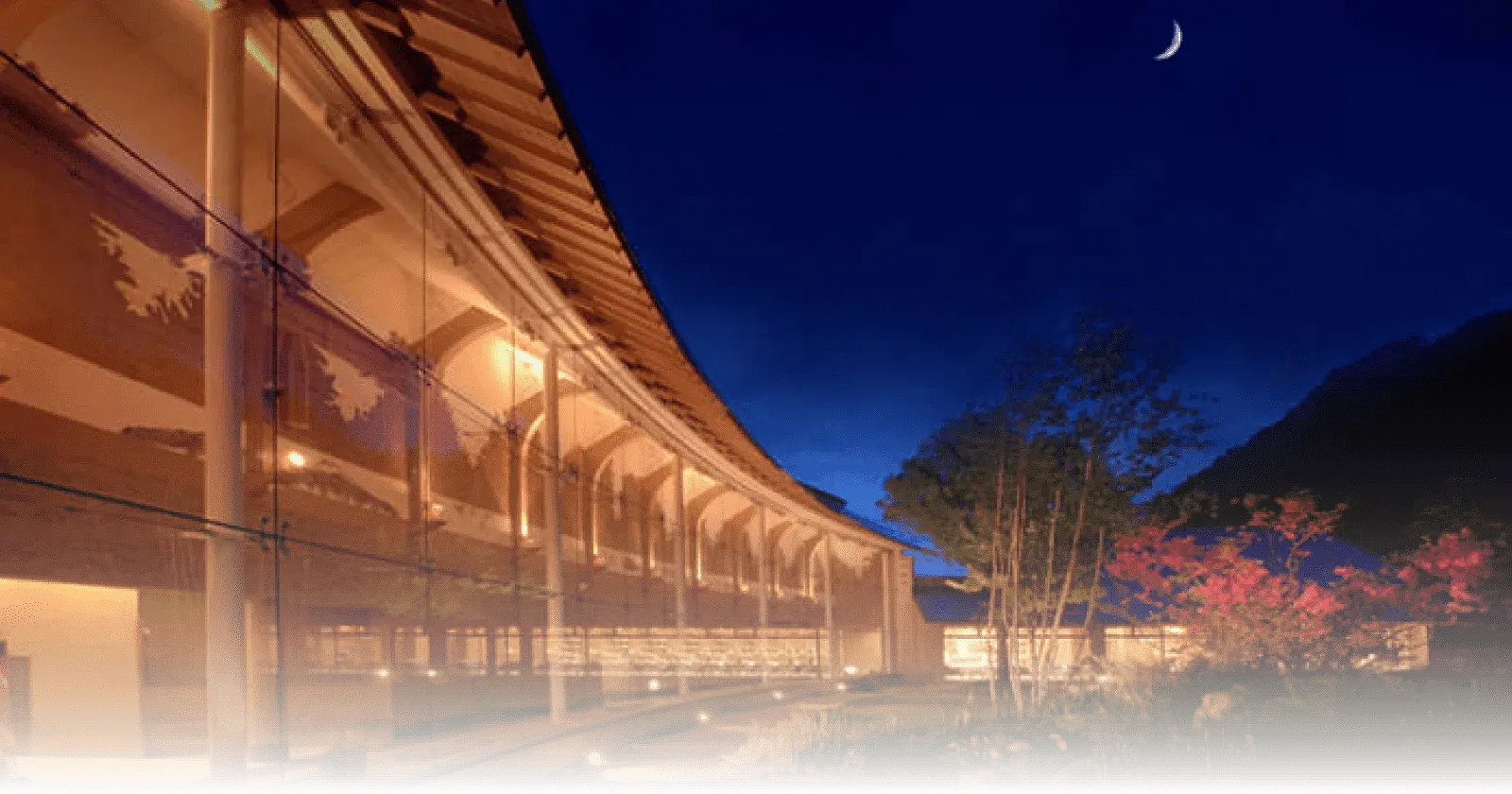 Bettei SenjuanTanigawa Onsen, Minakami
its own free-flowing spring at Tanigawa Onsen, every room with an open-air bath facing Mount Tanigawa
Nikko1
About two hours from Asakusa by Tobu train.
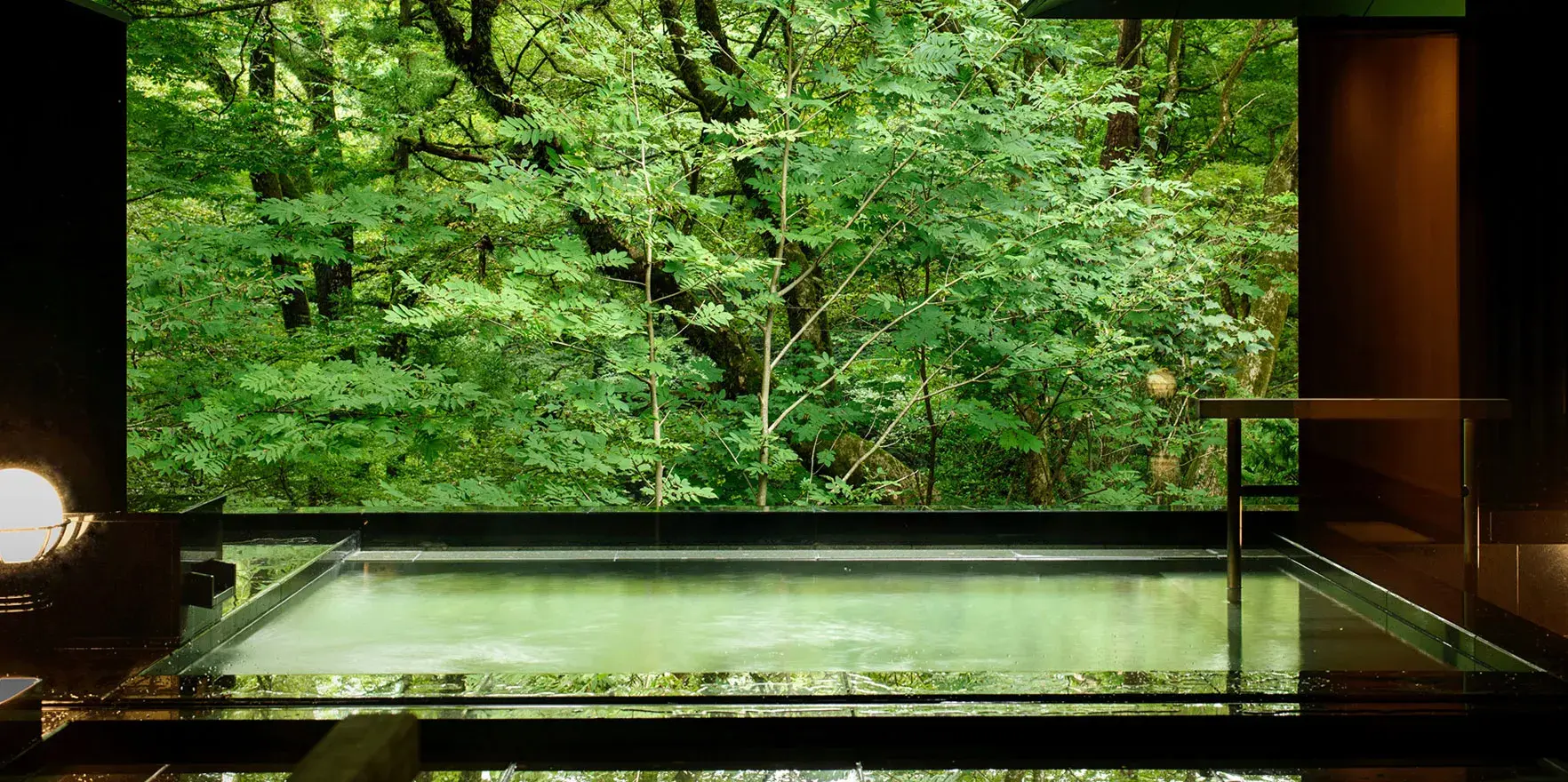 Fufu NikkoHoncho, Nikko
its own spring, on the site of the Tamozawa Imperial Villa's annex, about fifteen minutes' walk from Toshogu
Karuizawa1
Sakudaira is 1 hour 20 minutes from Tokyo by Shinkansen, then 20 minutes by taxi.
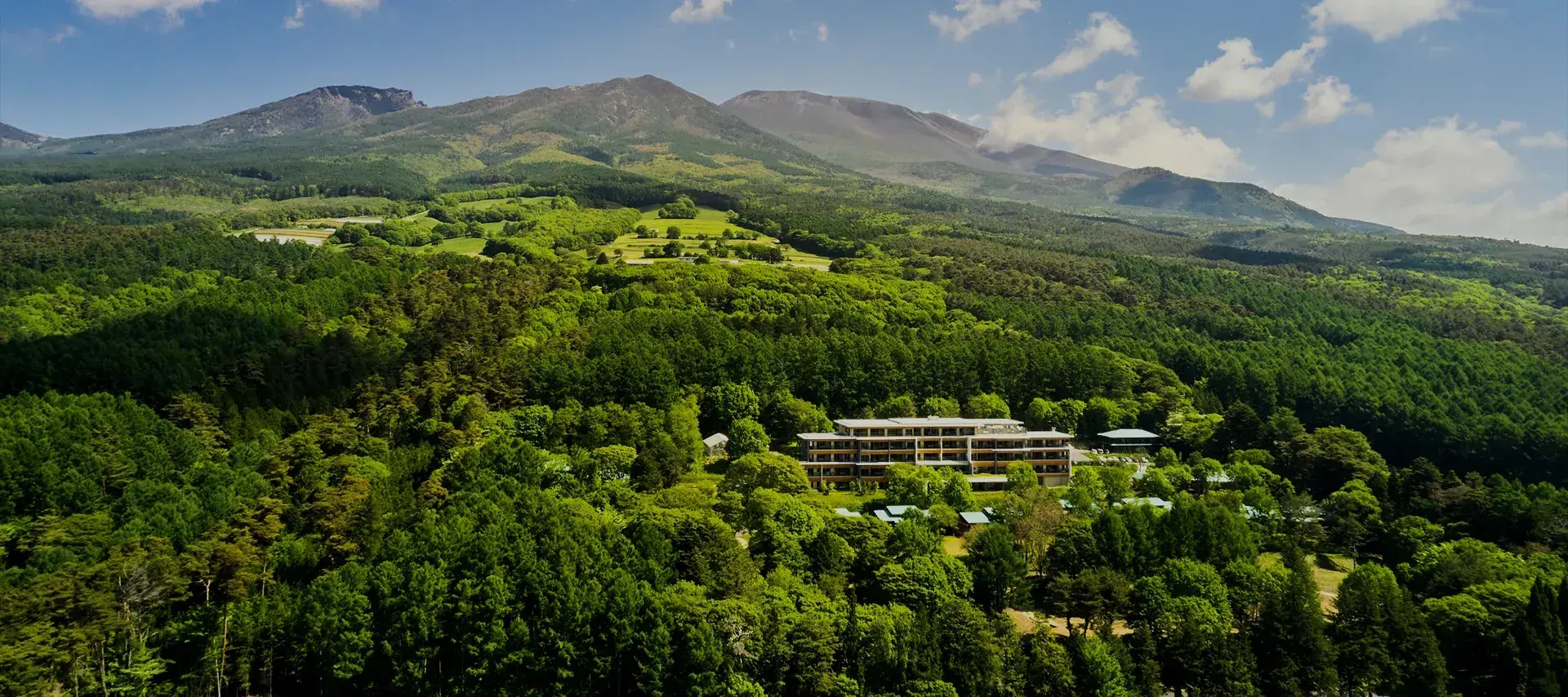 The Hiramatsu Karuizawa MiyotaShiono, Miyota
28 rooms and nine villas in forest below Mount Asama; the onsen water is carried in and heated
Mount Fuji2
About 100 minutes from Shinjuku by bus to Kawaguchiko; Subashiri is 40 minutes by taxi from Mishima.
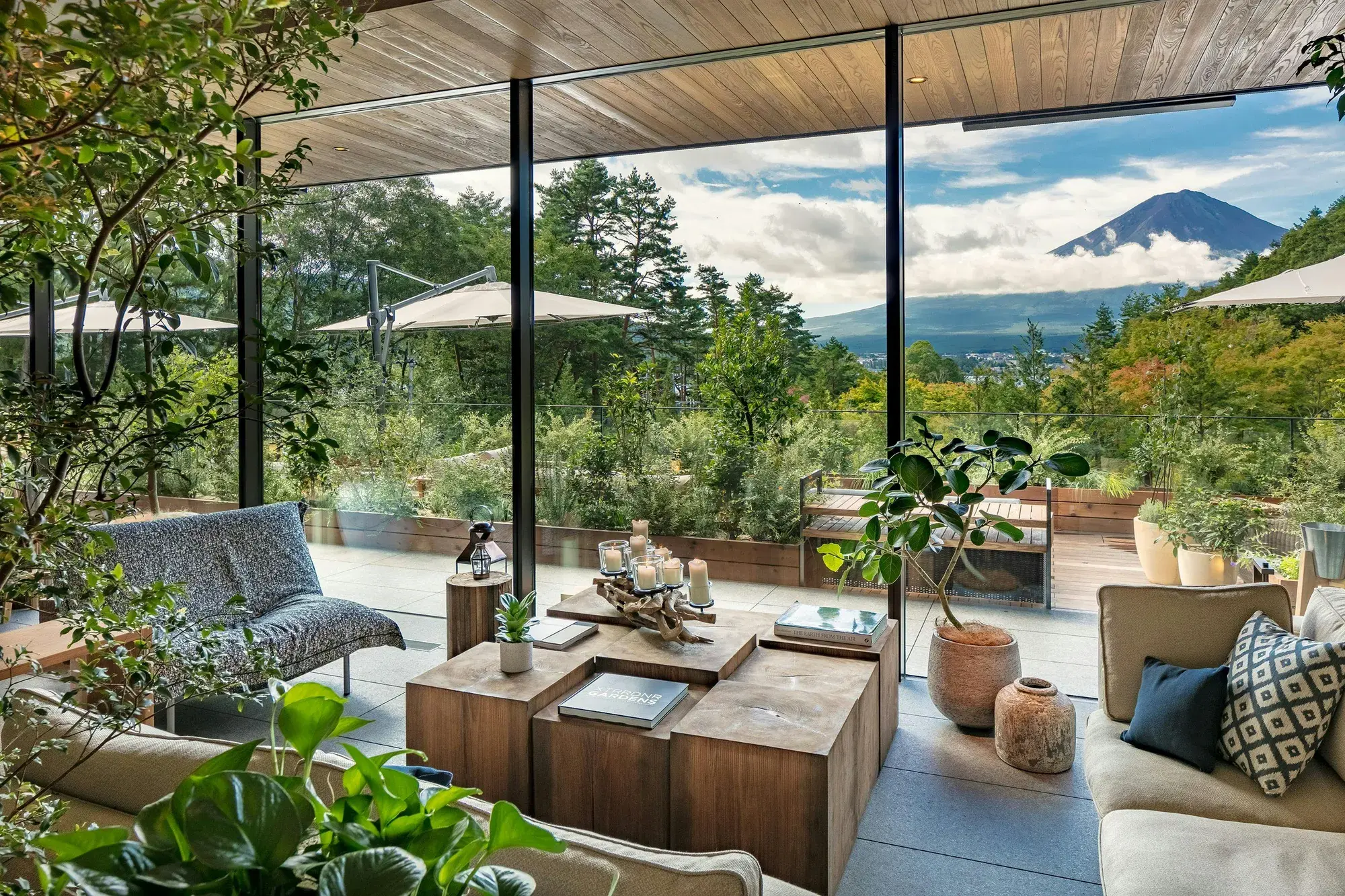 Fufu KawaguchikoKawaguchi, Kawaguchiko
open-air baths laid with Fuji lava, from its own source above Lake Kawaguchi