What the designations mean
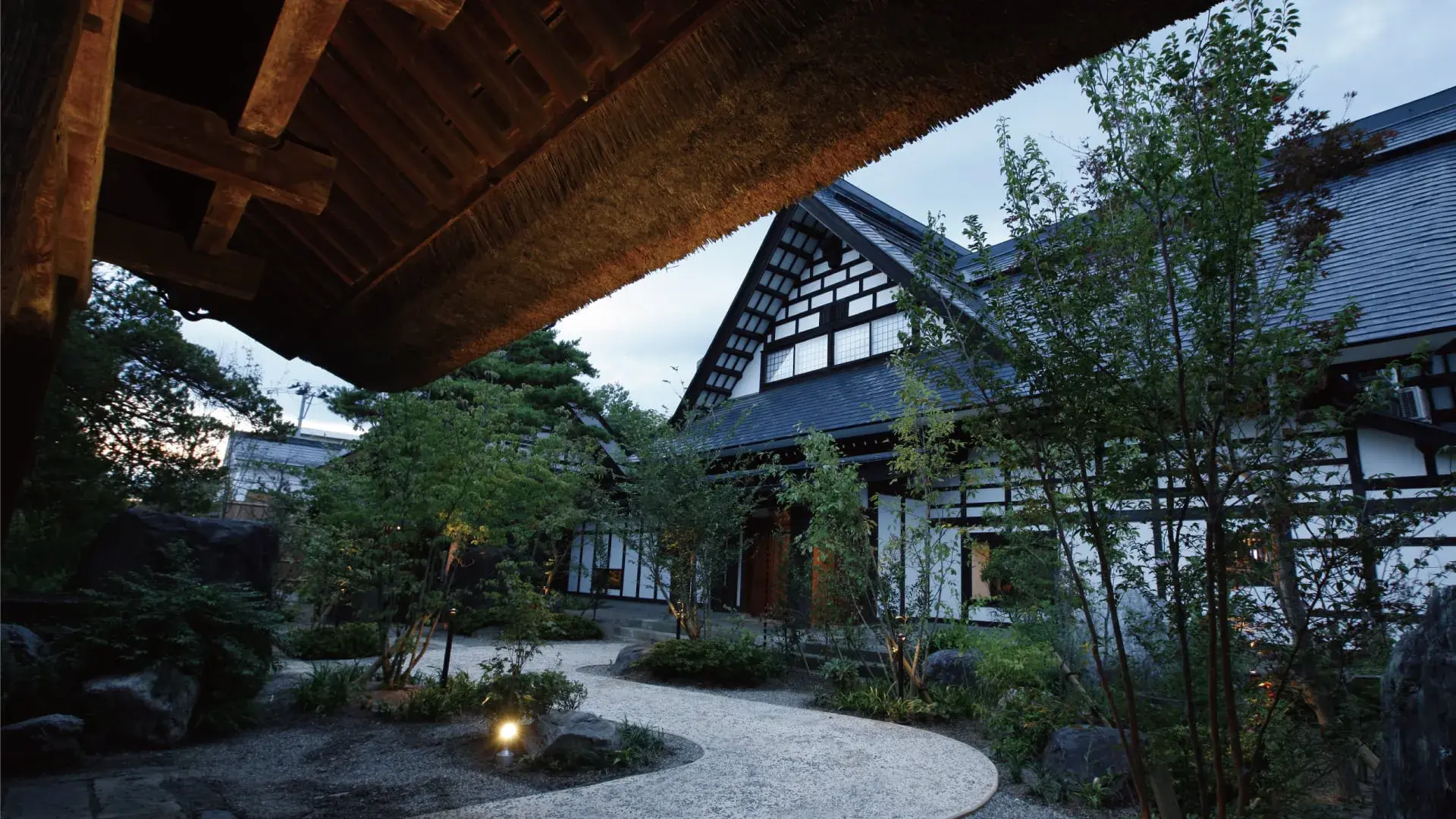
Japan protects buildings in two ways. Designation, as an Important Cultural Property or National Treasure, is strict. Registration as a Registered Tangible Cultural Property (toroku yukei bunkazai), in force since October 1996, is what the Agency for Cultural Affairs calls moderate protection based on notification, instruction and advice, for structures generally over 50 years old. A registered inn can usually still be altered inside; registration records its history rather than freezing it.
On our list Ochiairo's buildings are registered, as is the founding family's house, now Villa Shakunage; seven structures of Sanyo-so's Main Building, Hisaya Iwasaki's villa of 1929, were registered in 2017; at Nishimuraya Honkan the 1960 Hiratakan annex, the Senrei hall and the gate and walls. Shoraiso's guests bathe in Yorozuya's Momoyama Bath of 1953, registered in 2003. Registration does not keep a building standing: Kofuyuden Beniya's 1957 inn, registered in 2015, burned in 2018, and the present inn is new, by Tetsuo Kobori.
The families
Many old inns are run by the house that founded them, generation after generation. Asaba has been kept by the Asaba family since 1484, now in its tenth generation; Araya Totoan's first Araya Gen'emon was made keeper of the Daishoji lords' bath in 1639, and the present proprietor is of the eighteenth generation. Tawaraya has been run by the Satow family since the Hoei era (1704–11), Hiiragiya by seven generations since 1818, Nishimuraya Honkan by seven since 1854.
The okami, the woman of the house who leads its hospitality, is often the face of that line: Chiyo Okumura at Kofuyuden Beniya, Hiroko Nakanishi at Yachiyo. Miyamasou, founded in 1892, is in its fourth generation under Hisato Nakahigashi.
Sukiya, and who built it
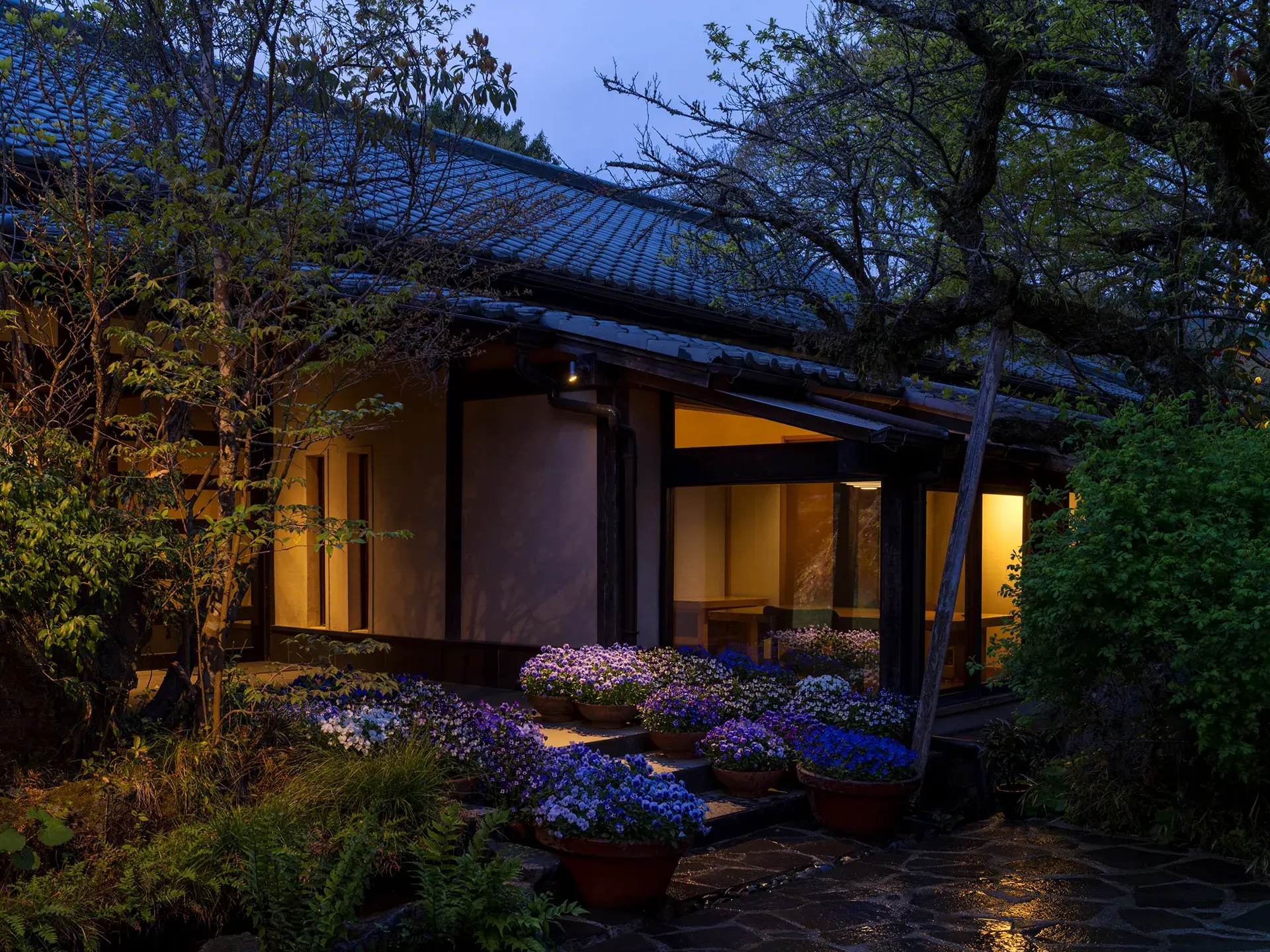
Most of these inns are sukiya-zukuri, a residential style of the Edo period onwards, a freer variation of the shoin house shaped by the tea house. It is built by specialist carpenters, and the names are worth knowing. Nakamura Sotoji Komuten renovated Miyamasou in the sukiya style; the sukiya master Masaya Hirata built Nishimuraya Honkan's Hiratakan; Junzo Yoshimura designed Tawaraya's 1965 annex for the eleventh-generation Toshi Satow; Togo Murano designed Sanyo-so's New Wing in his nineties.
Gardens have their makers too: Jihei Ogawa laid out both Sanyo-so's and Yachiyo's. Look at the details: several of Hiiragiya's bathrooms have stained glass by Sanchi Ogawa, and the alcove floor of its Room 52 is by the Living National Treasure Kiyotsugu Nakagawa.
Old is not always original
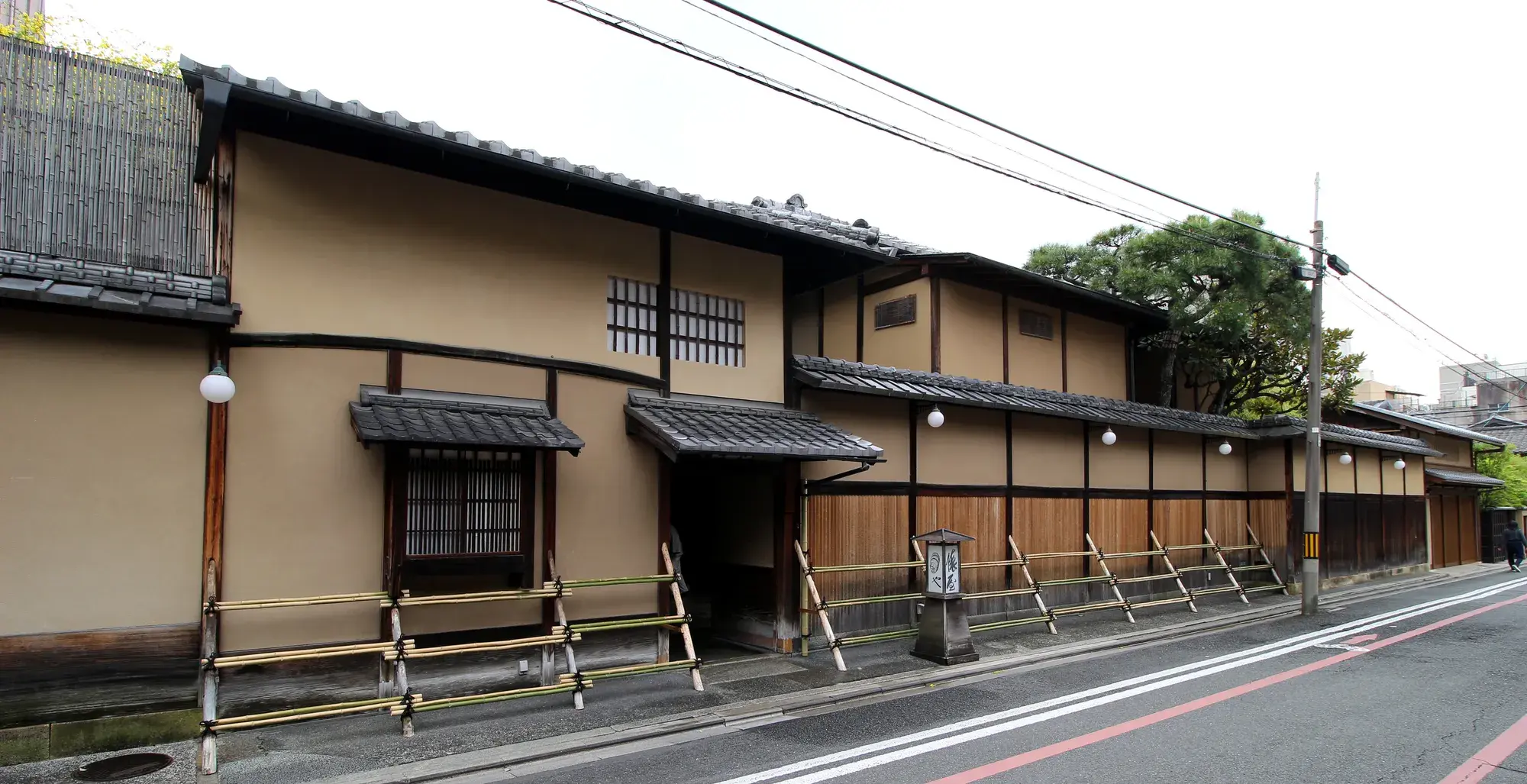
Few old inns are one building of one date. Tawaraya's earlier house burned in 1864 and was rebuilt; Fujiya Inn in Ginzan was remade inside its Taisho-era frame by Kengo Kuma in 2006; Hiiragiya's main building has rooms from the late Edo period to 1952 and a wing of 2006. Others are made of moved buildings: Yamagata The Takinami's lobby is a farmhouse of about 350 years brought to the site. Ryokan Kurashiki's rooms are in a merchant's house and storehouses of about 170 to over 300 years, converted where they stand. Ask which part of the house your room is in.
What staying in an old building means
Old houses have steps and stairs and seldom lifts. Kanamean Nishitomiya has none, with four rooms upstairs; Sumiya has no lift and no wheelchairs inside; Sanyo-so has steps throughout and no rooms adapted for wheelchairs; Hiiragiya has steps inside and one barrier-free room, in its new wing. At Onyado Fukuchiyo the old wooden houses have low ceilings and narrow passages.
Wood carries sound: Satoyama Jujo warns of it, and in Tsuruko's Koju suite footsteps from the floor above can be heard. Winters can be cold under paper and timber, and the inns have added warmth where they can: underfloor heating in Kanamean Nishitomiya's Kagaribi and Yachiyo's Ukifune. If stairs, sound or cold matter, ask for a newer wing; the inns on our list with a founding year or a designation are below.
On our list
Registered or protected9
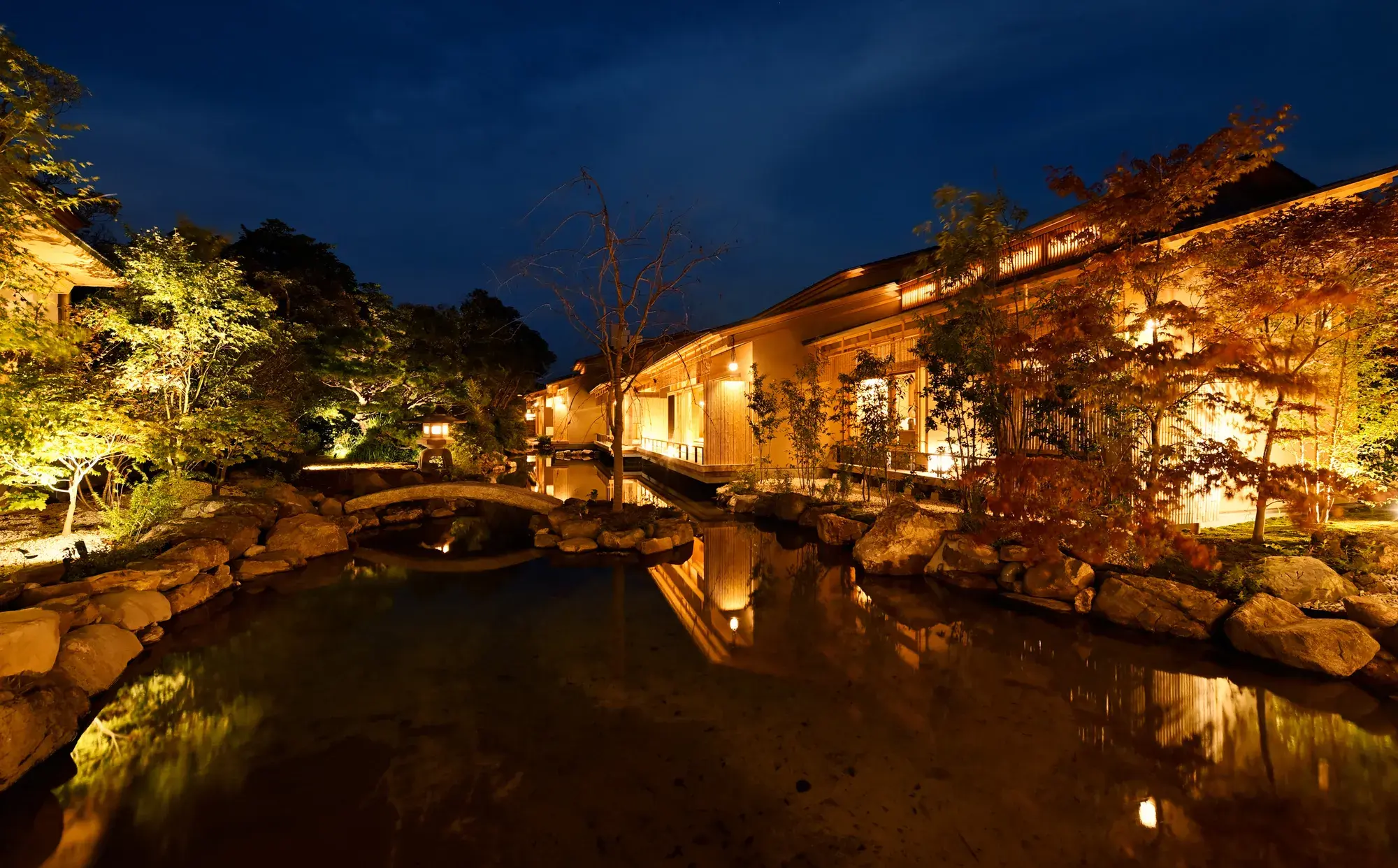 Kofuyuden BeniyaAwara Onsen
founded 1884; its 1957 inn, registered in 2015, burned in 2018 and was rebuilt in 2021
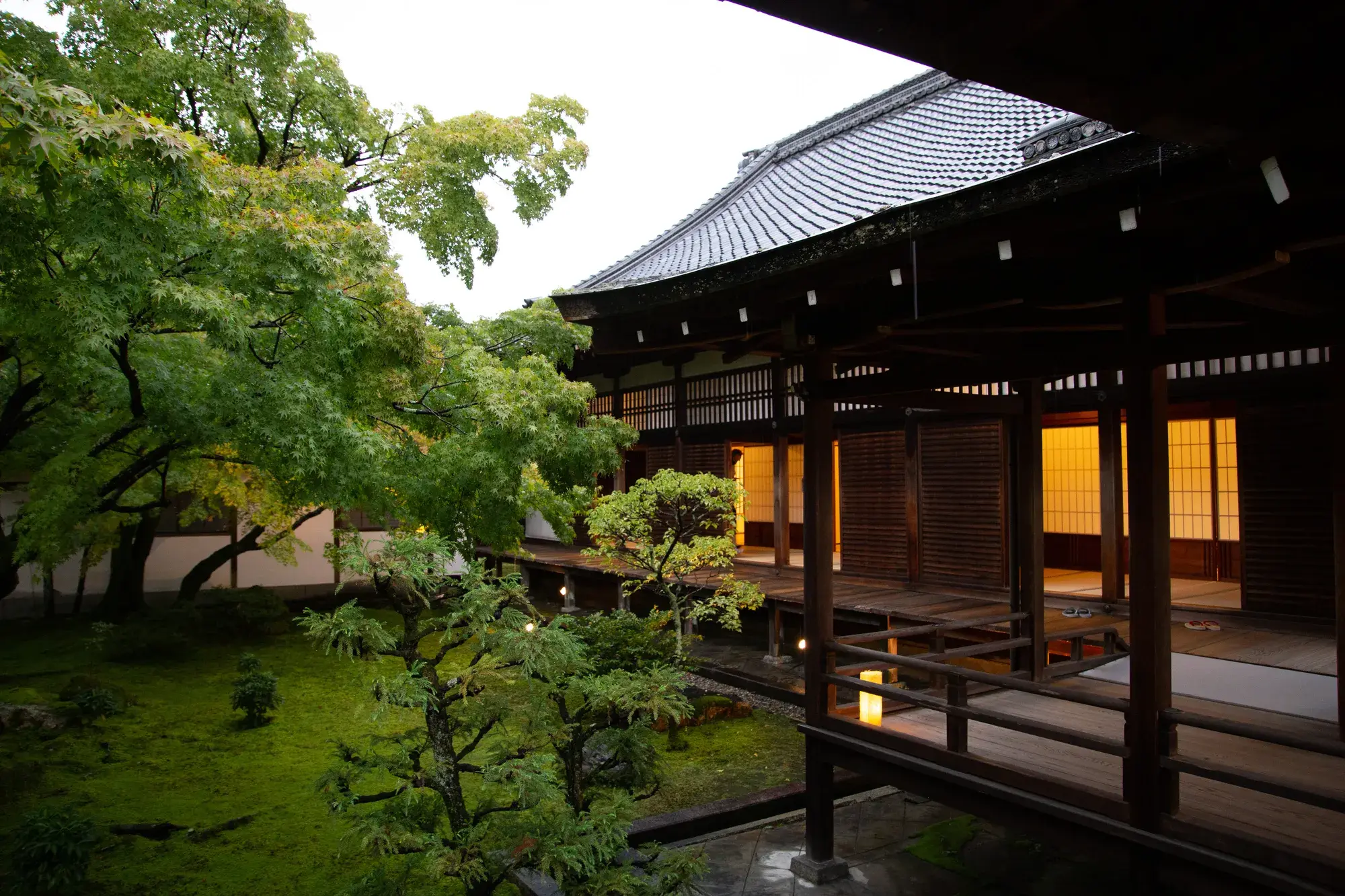
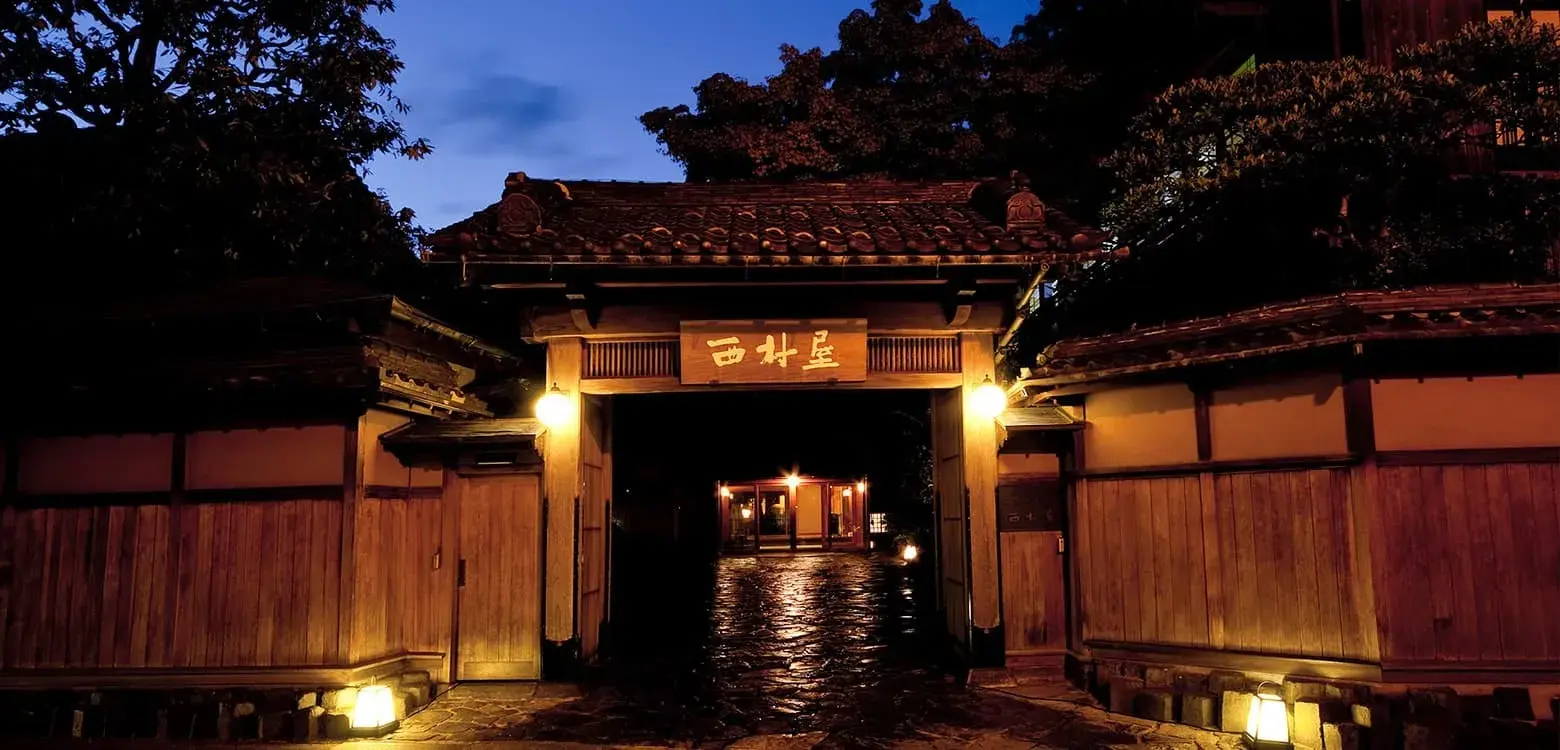 Nishimuraya HonkanKinosaki Onsen, Toyooka
the 1960 Hiratakan annex, the Senrei hall and the gate and walls are registered cultural properties
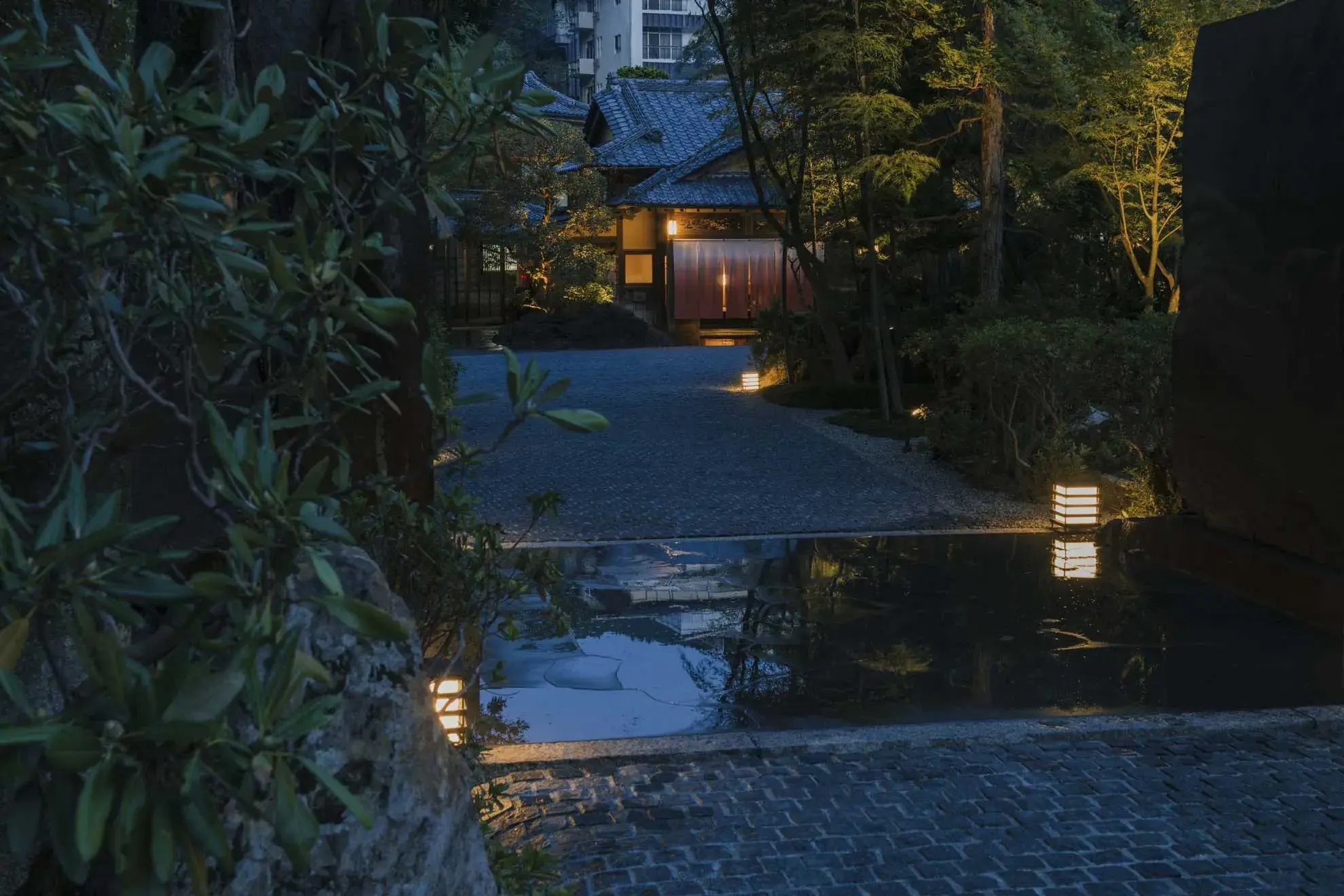 OchiairoAmagi Yugashima Onsen, Izu
founded 1874; seven buildings registered, where Kawabata and Shimazaki stayed
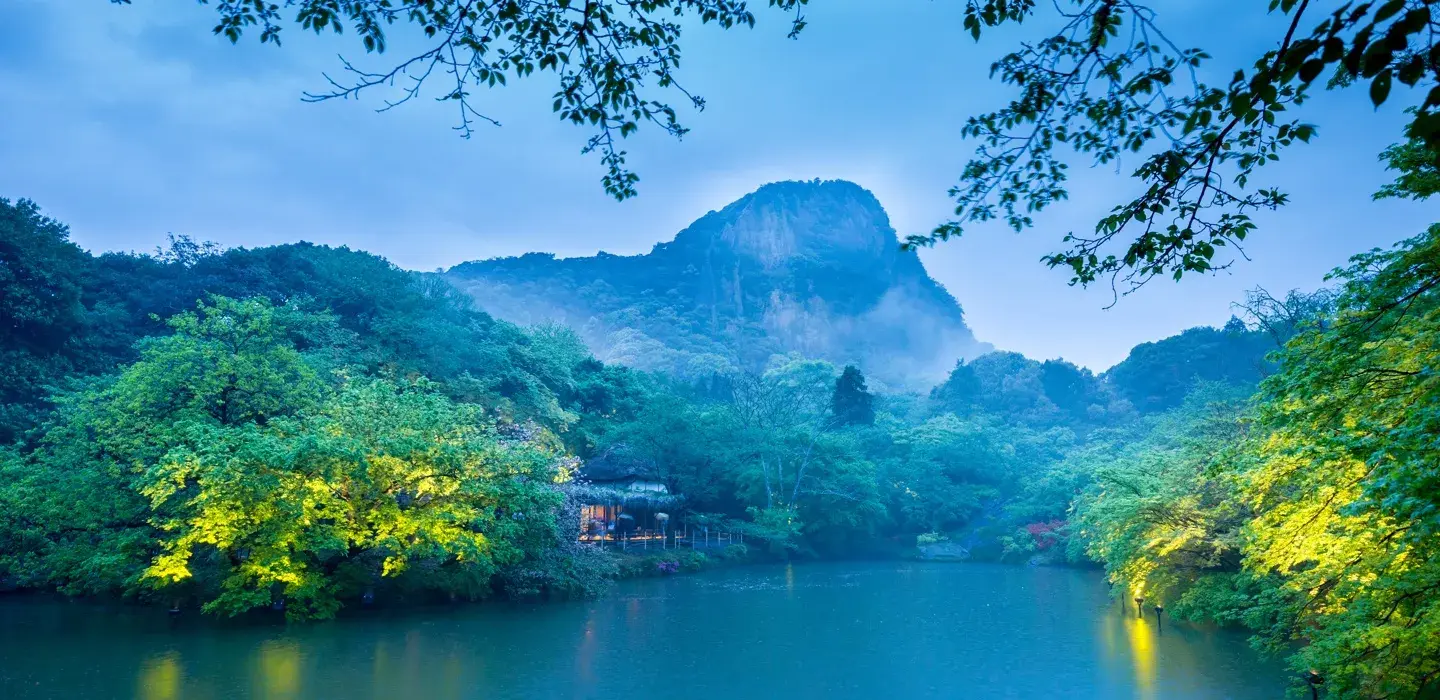 Onyado ChikurinteiMifuneyama Rakuen, Takeo
inside Mifuneyama Rakuen, a garden of 1845 and a Registered Monument
The other 4
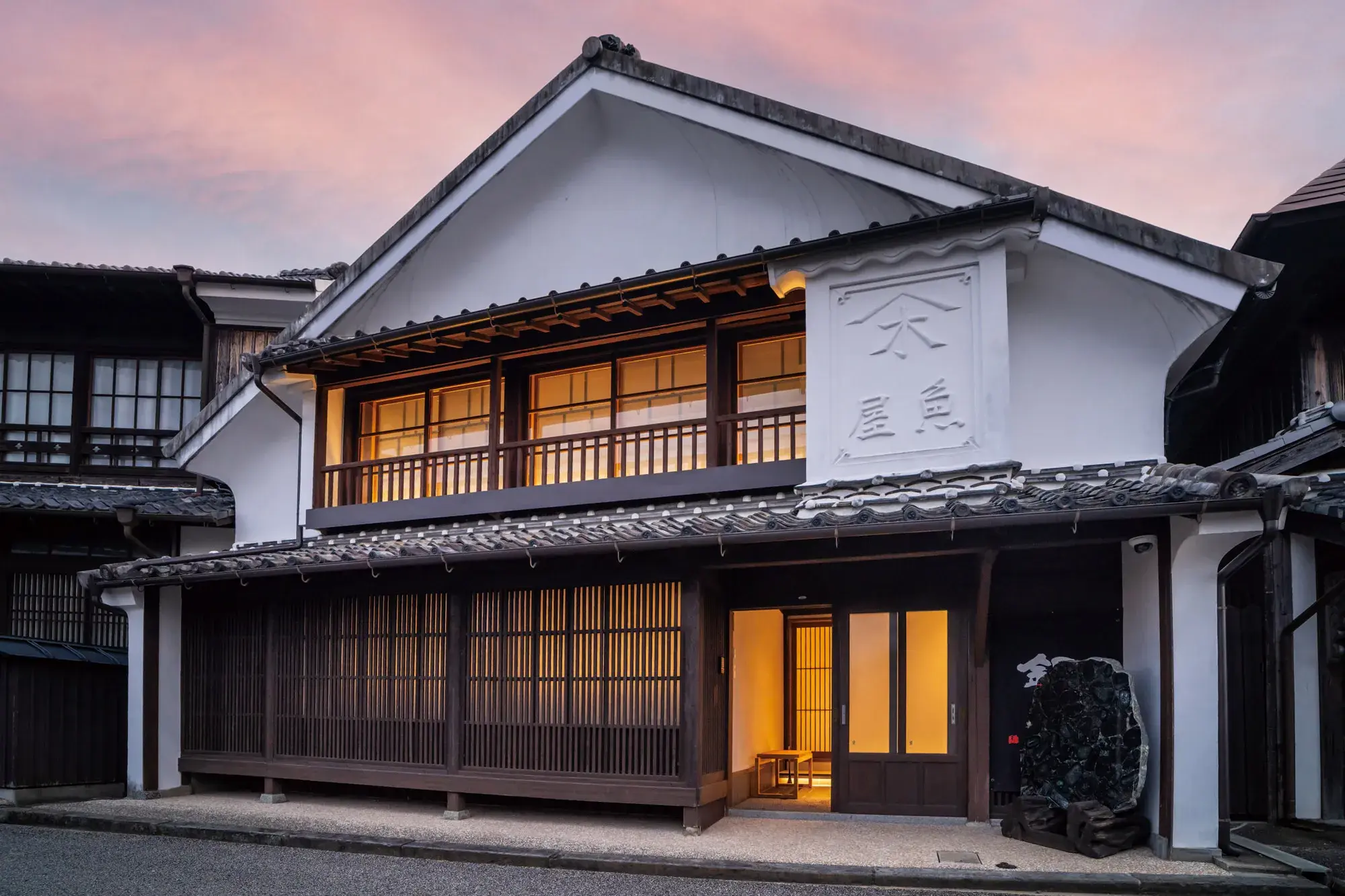 Onyado Fukuchiyo (Nabeshima Auberge)Hizen Hamashuku, Kashima
four houses in the Hizen Hamashuku preservation district, three of them restored old buildings
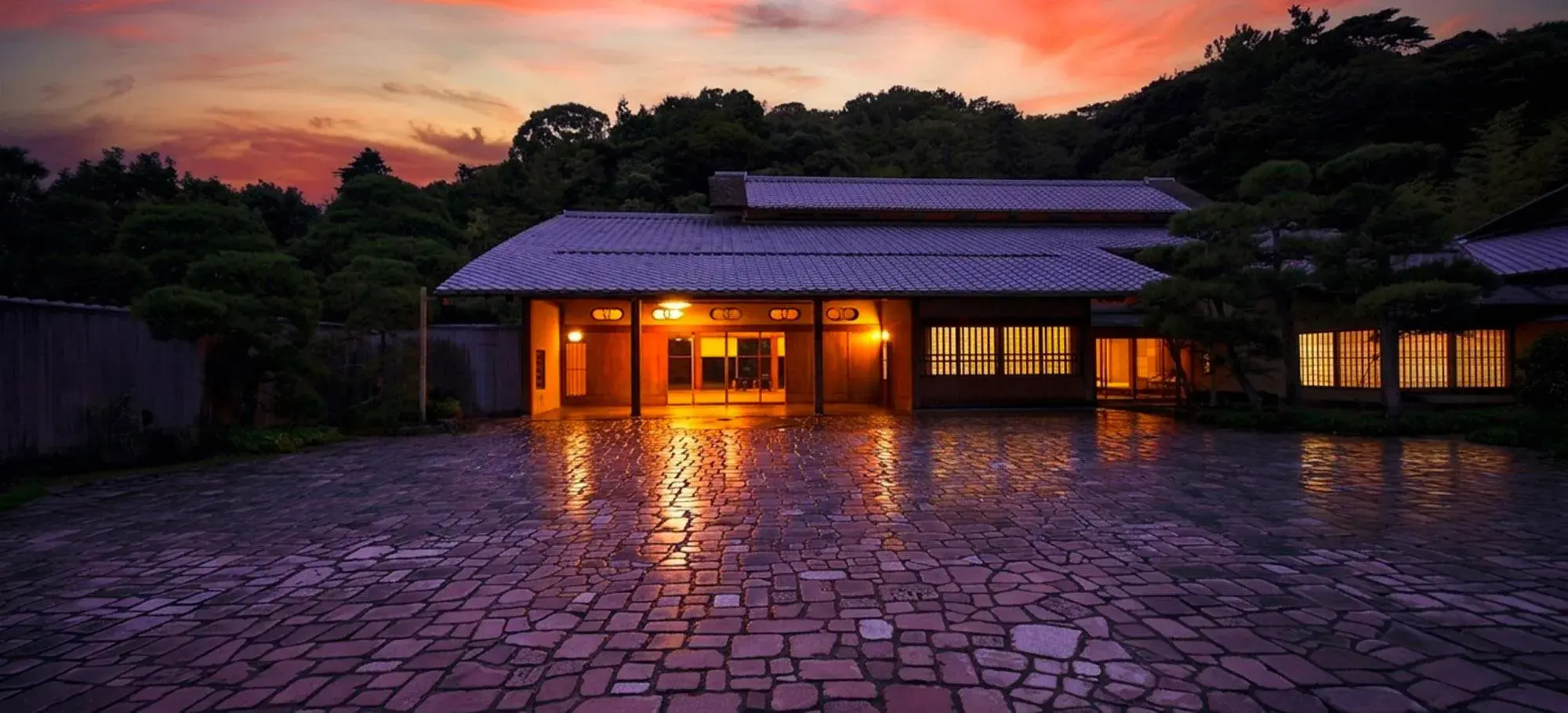 Sanyo-soIzu-Nagaoka Onsen, Izunokuni
Hisaya Iwasaki's 1929 villa, an inn since 1947; seven structures of its Main Building registered in 2017
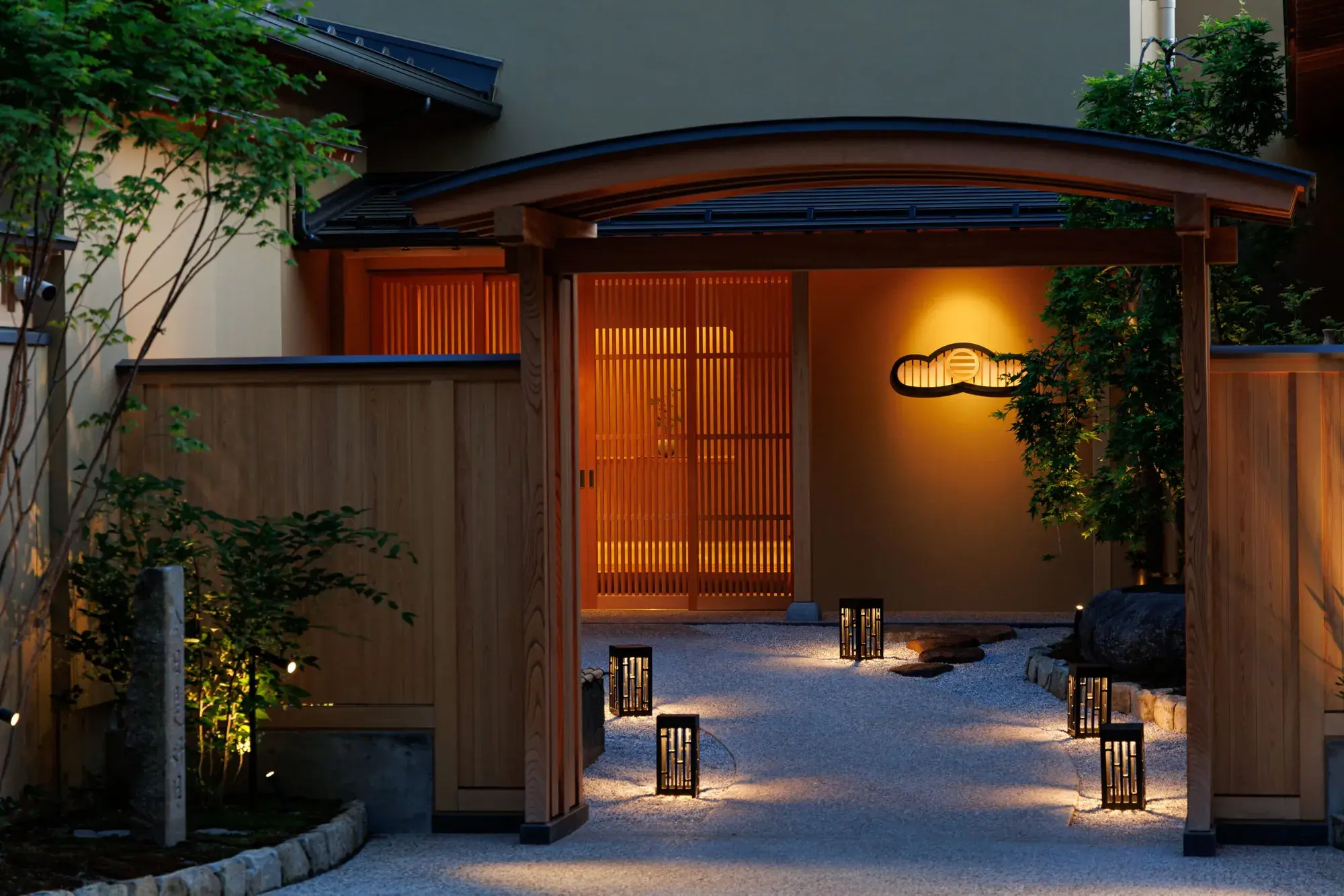 ShoraisoYudanaka Onsen
guests bathe in Yorozuya's 1953 Momoyama Bath, registered in 2003 with the 1939 Shoraiso, which burned in 2021
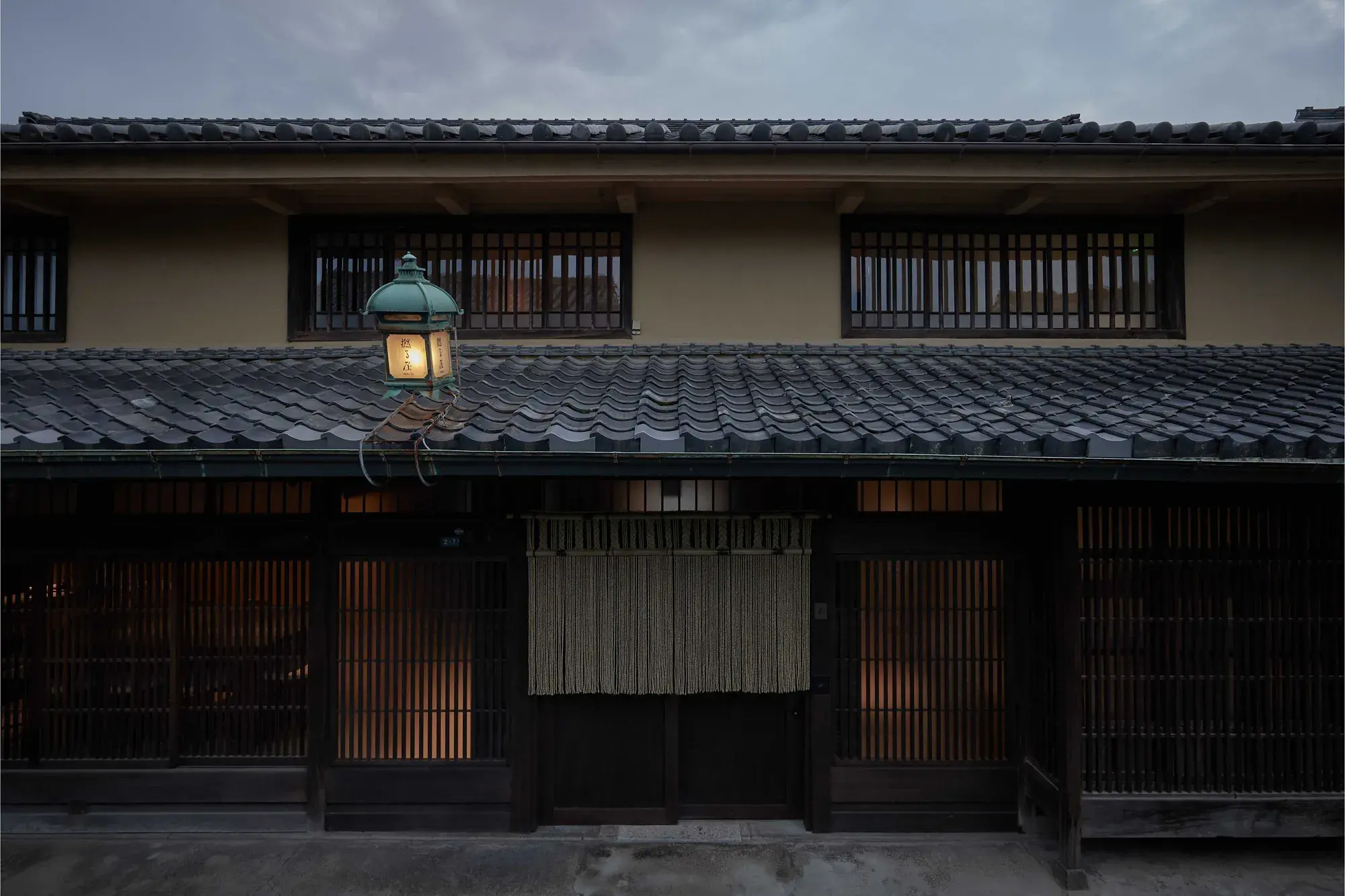 YoruyaHigashimachi, Kurashiki
a Meiji-era kimono merchant's annex, a city-designated traditional building
Kept by one family9
 Araya TotoanYunogawa, Kaga
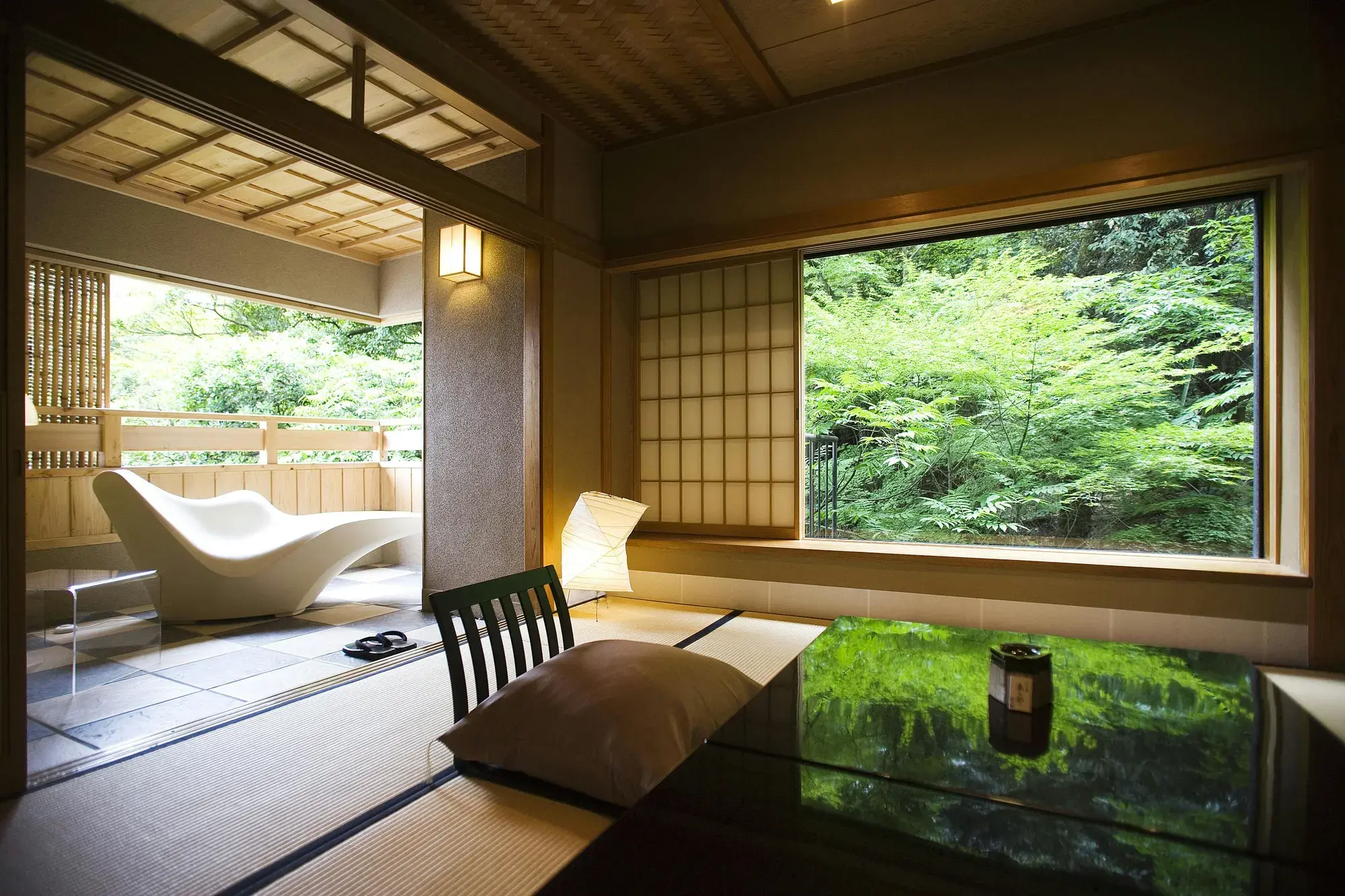
eighteen generations since its first head became the lords' bath keeper in 1639
 Fujiya InnGinzan Onsen, Obanazawa
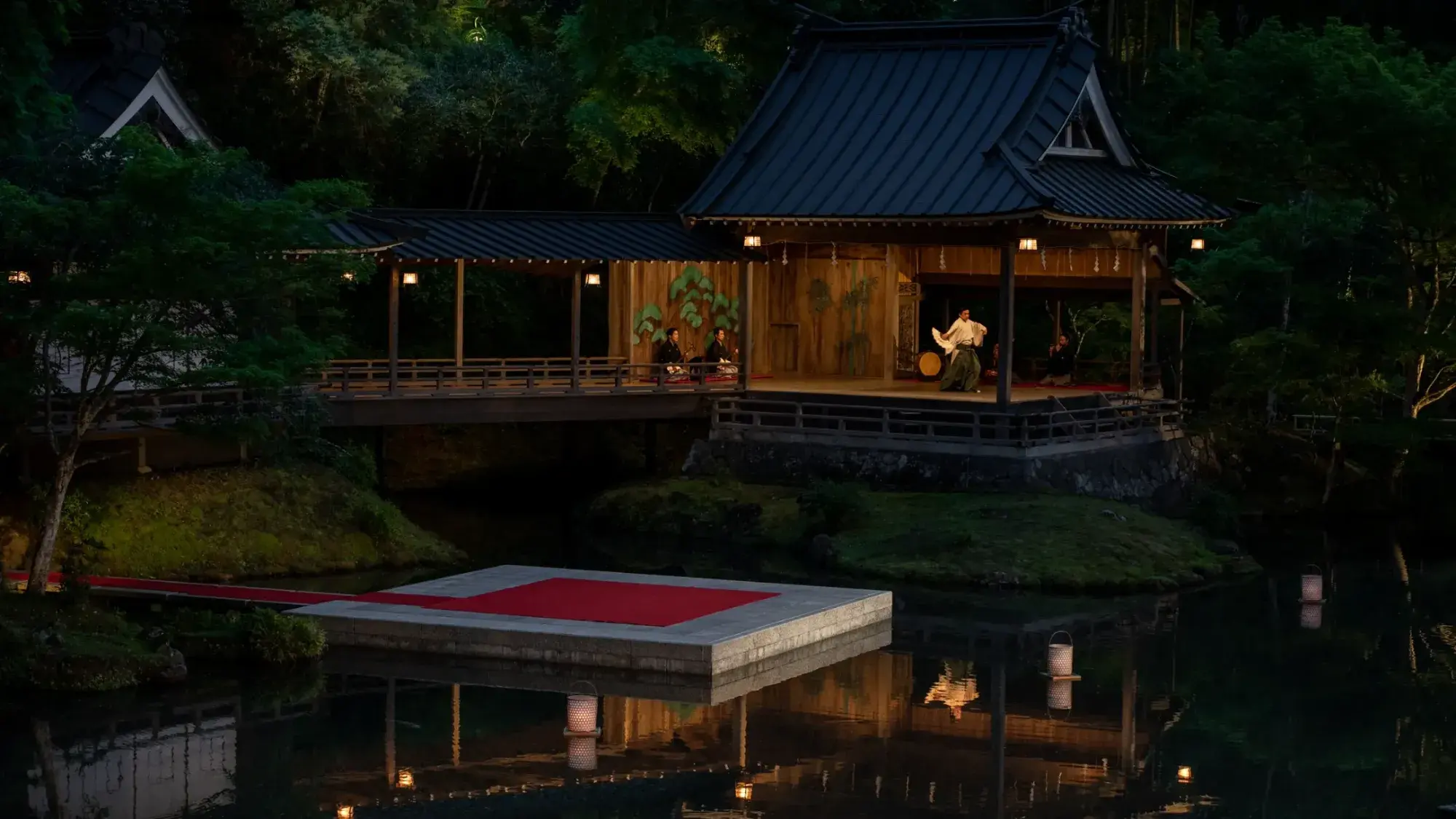
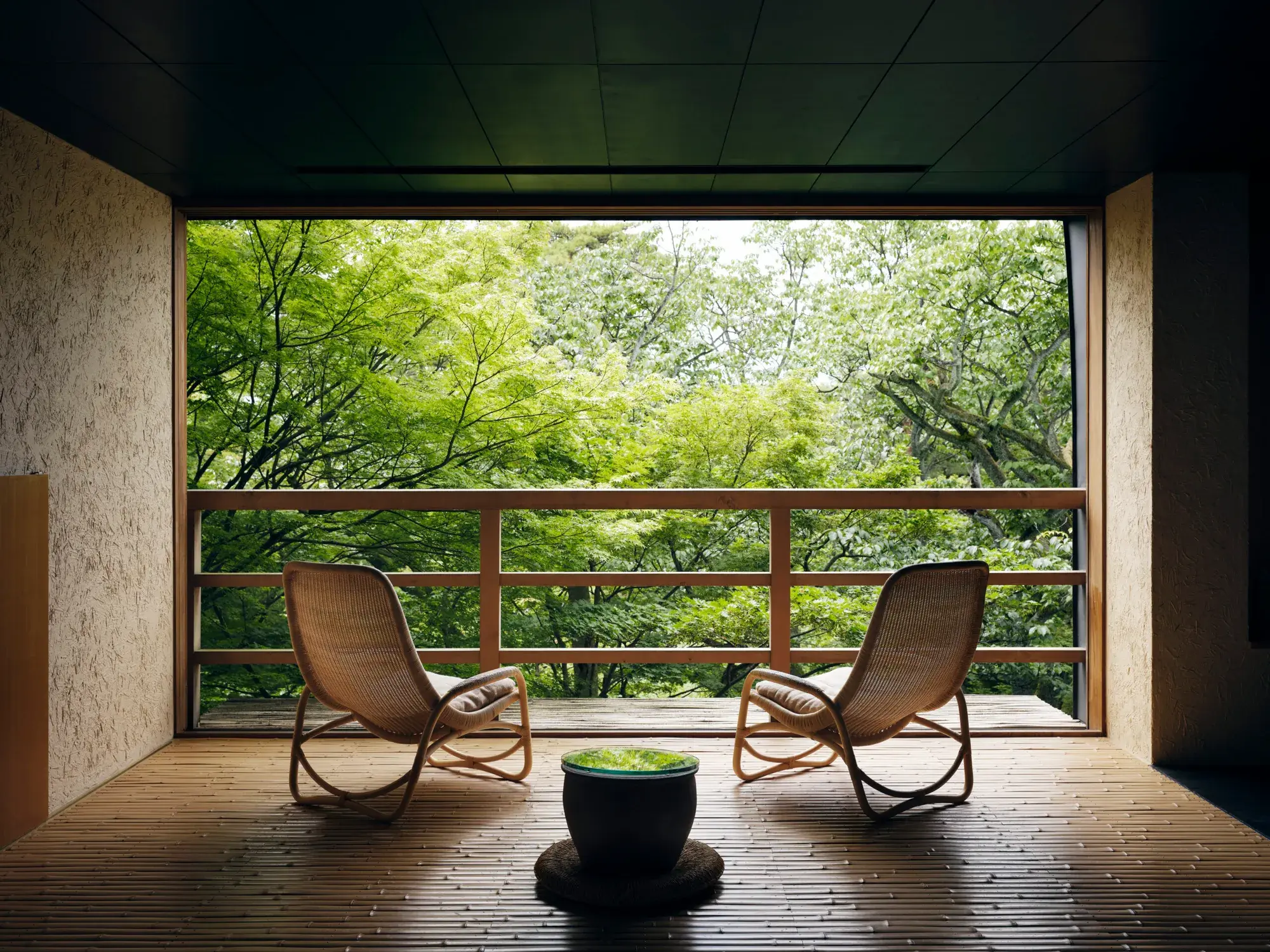
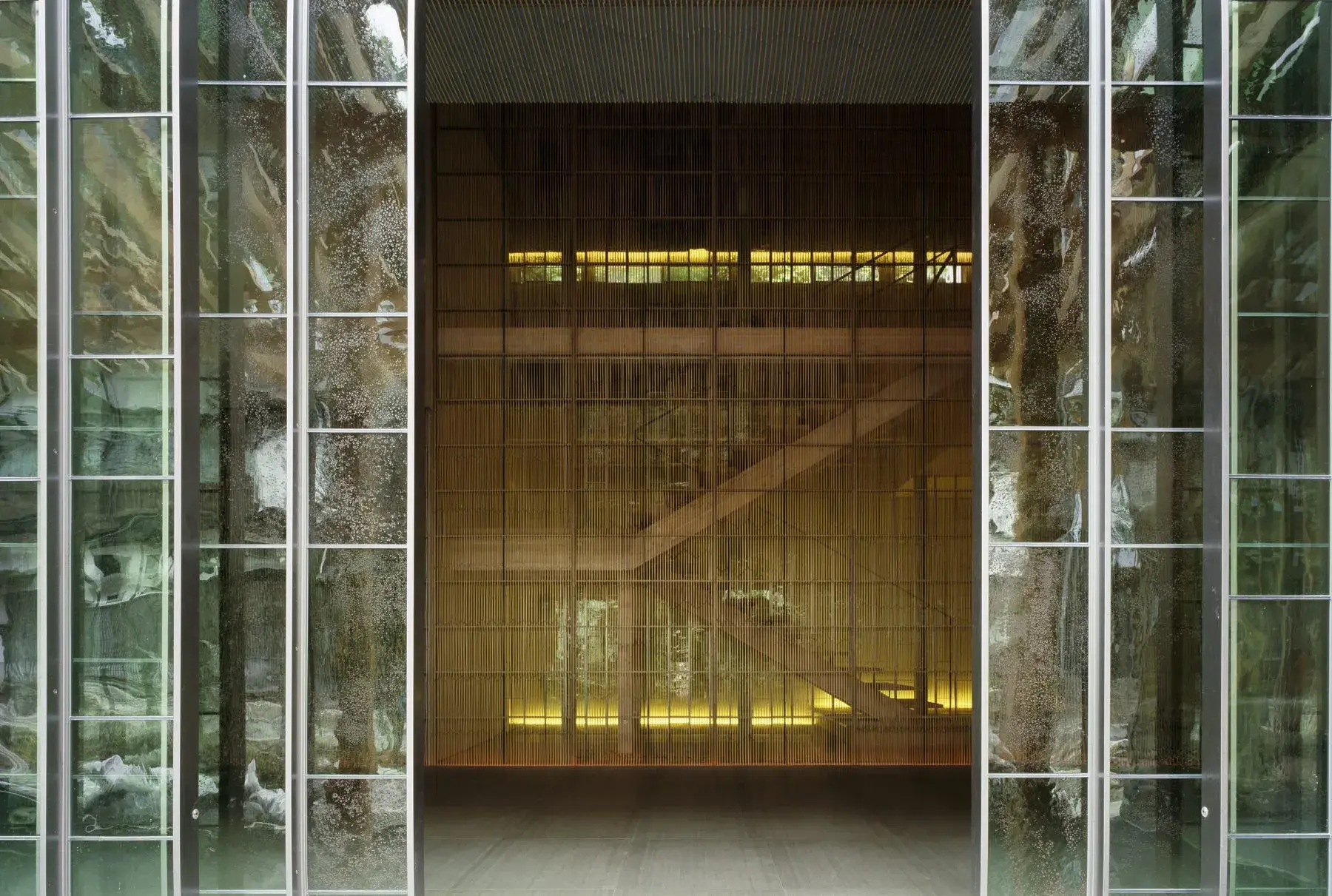
an inn of the family since the Edo period; the fourth generation built the Taisho-era house
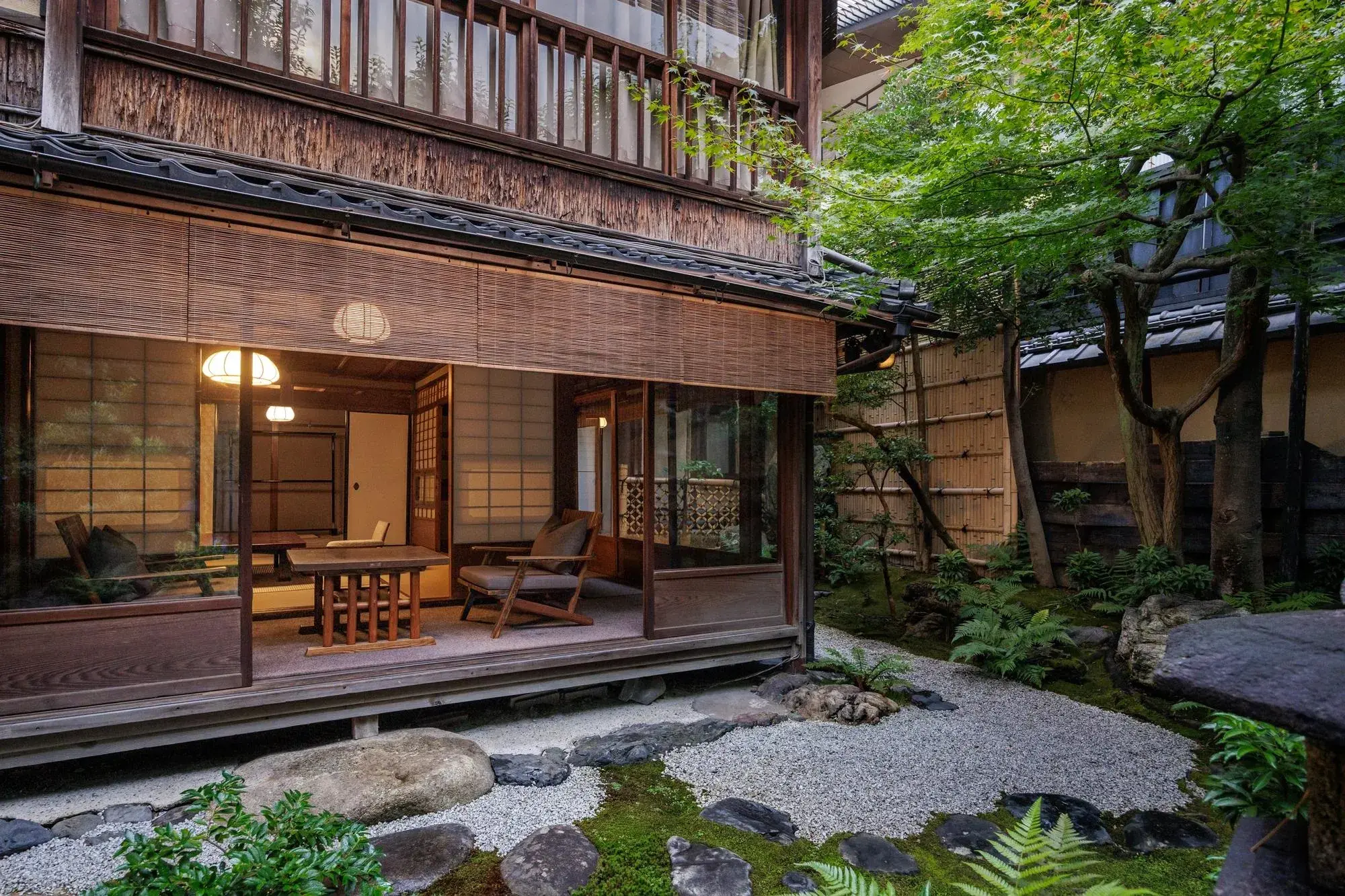 HiiragiyaNakahakusancho, Kyoto
founded 1818, an inn since 1861, seven generations of the Nishimura family
The other 4
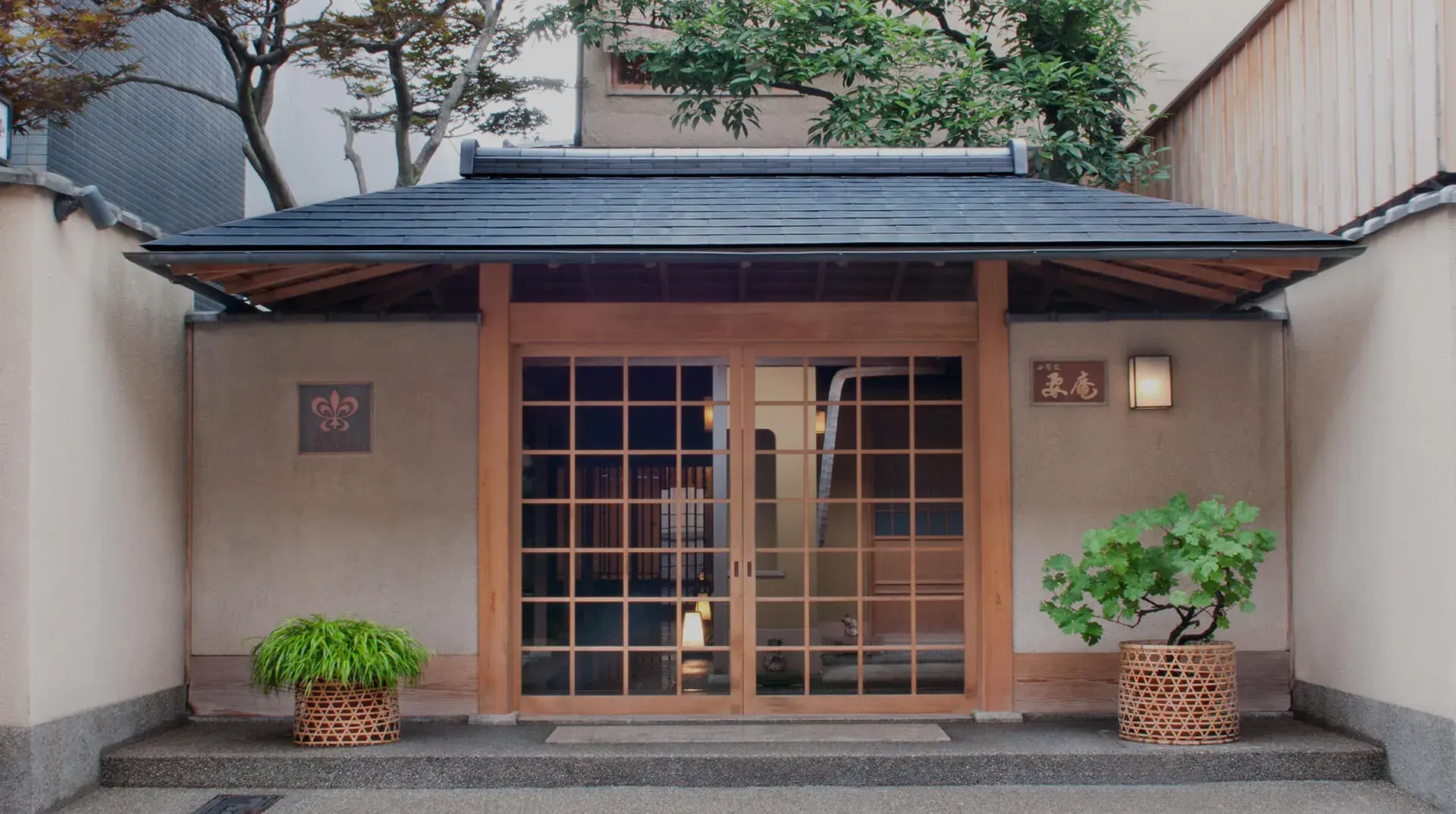
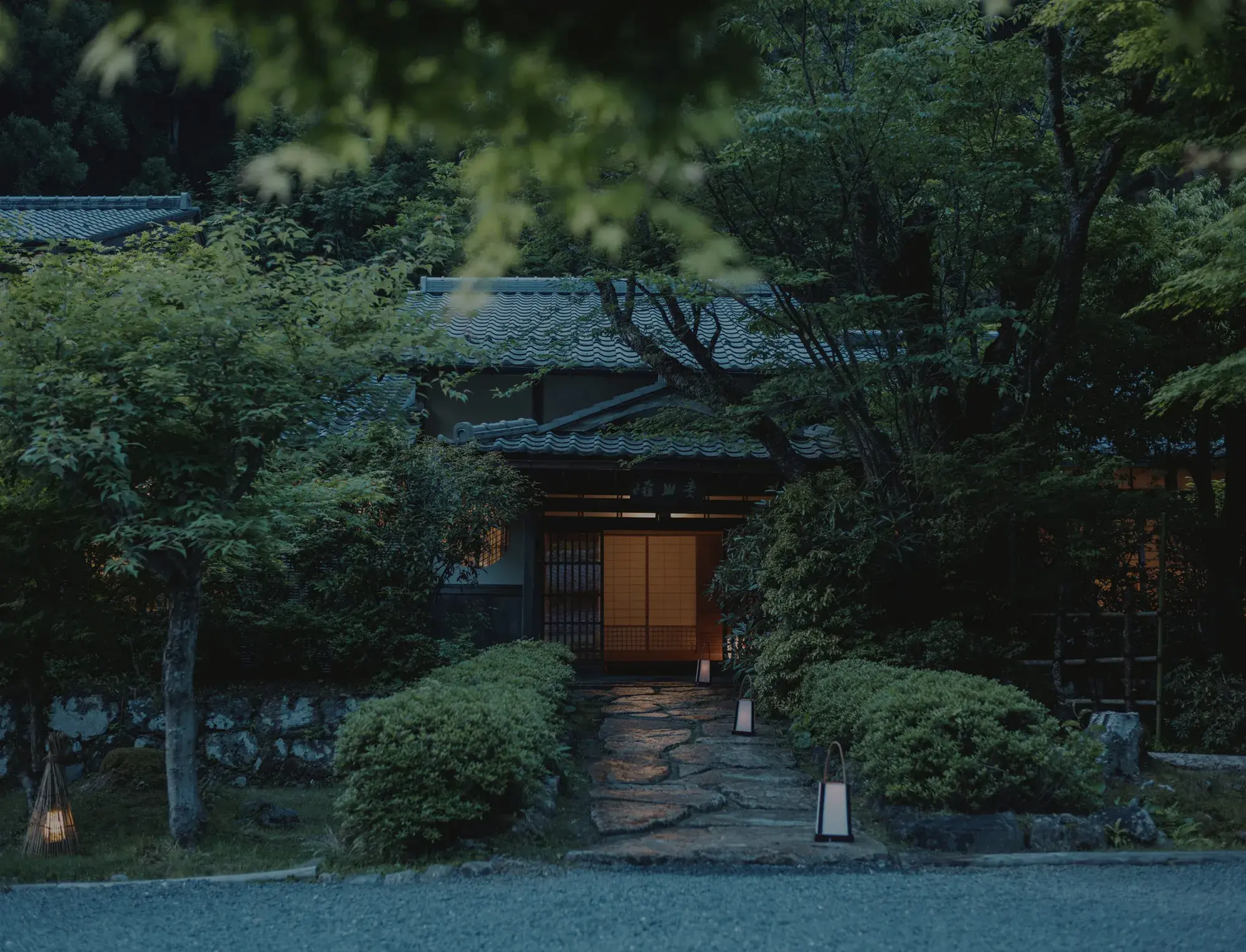
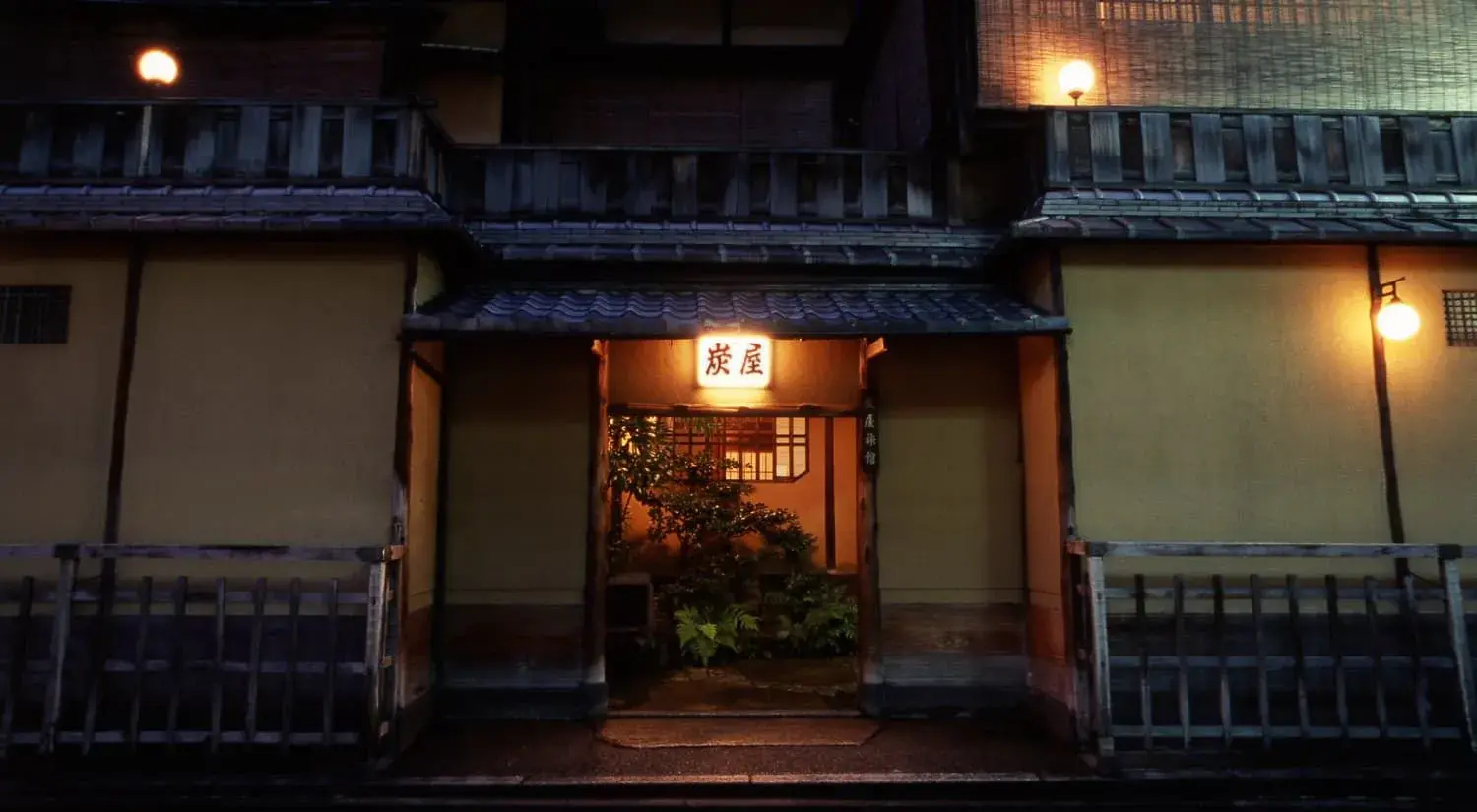
Other old foundations10
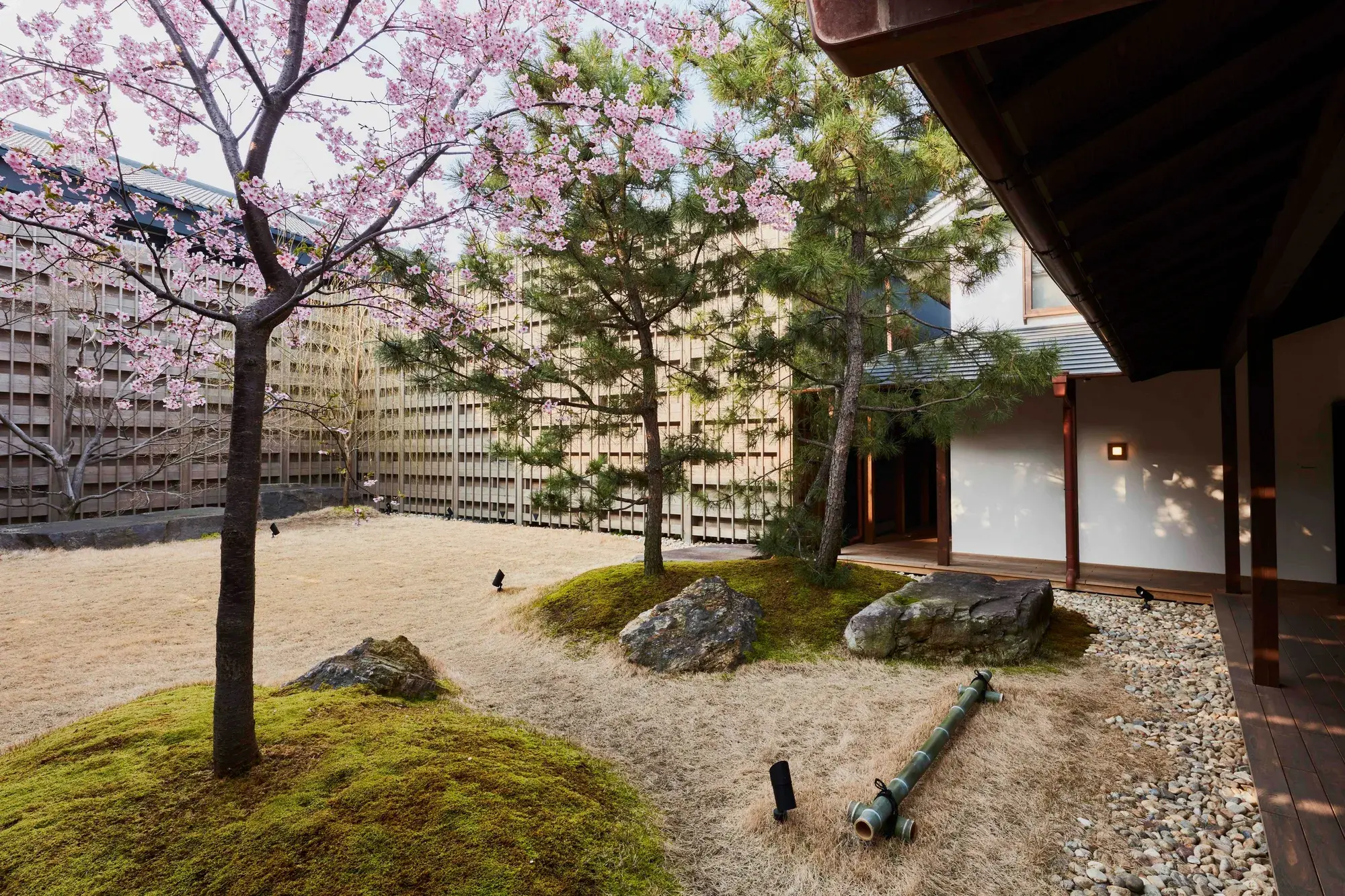
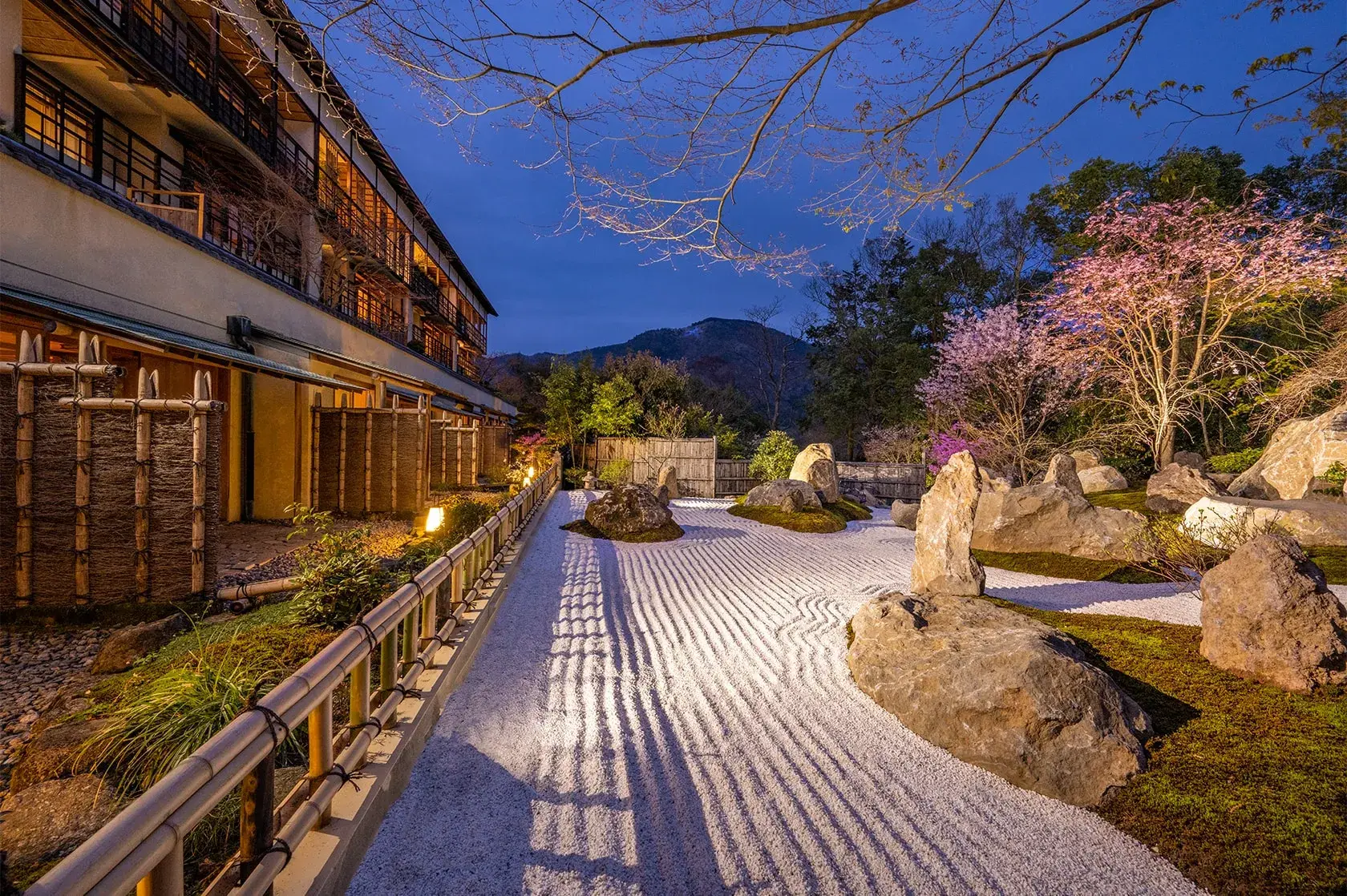
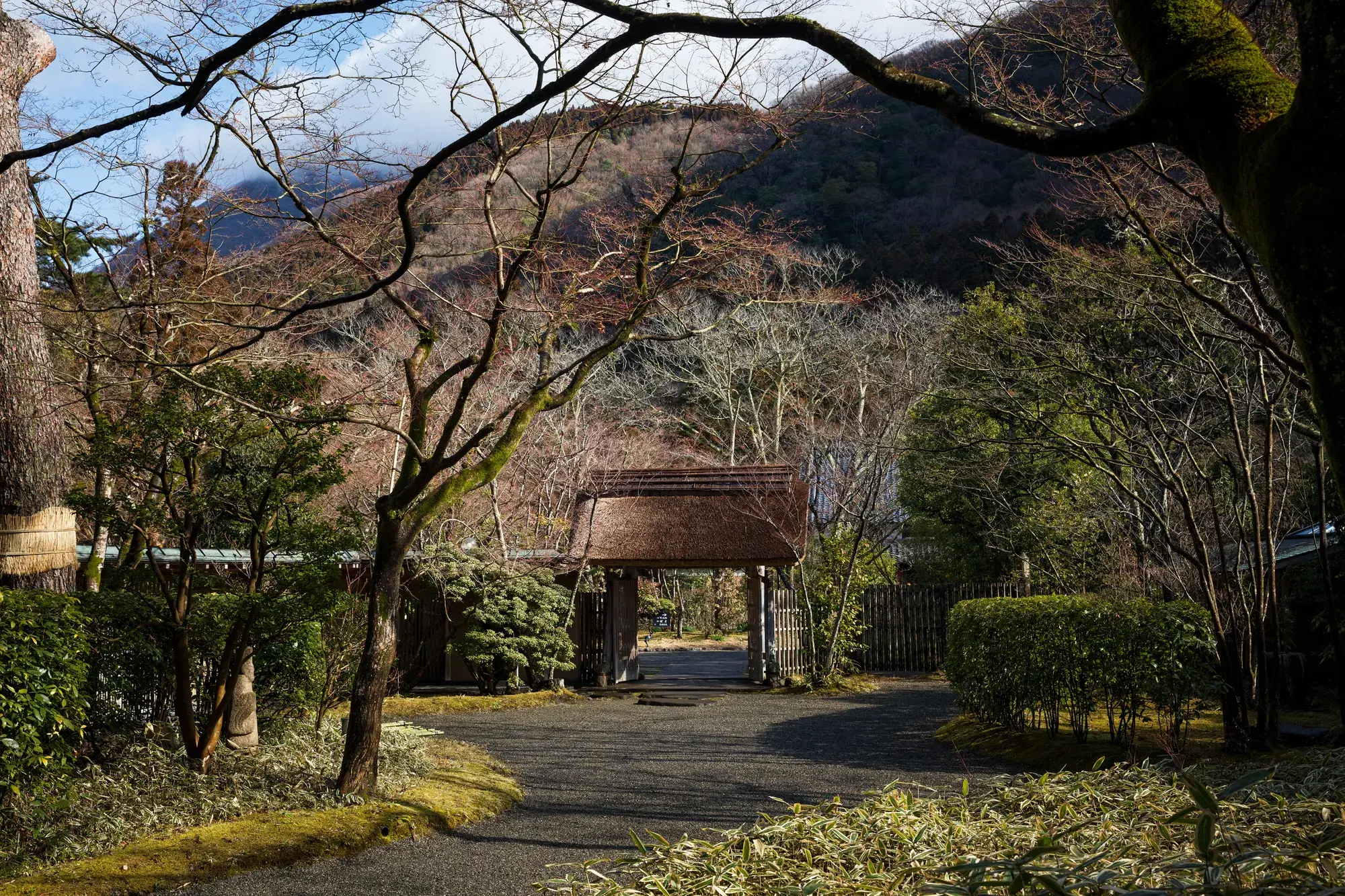 Kamenoi BessouLake Kinrin, Yufuin
begun in 1921 as the villa of Kumahachi Aburaya, who made Beppu a resort
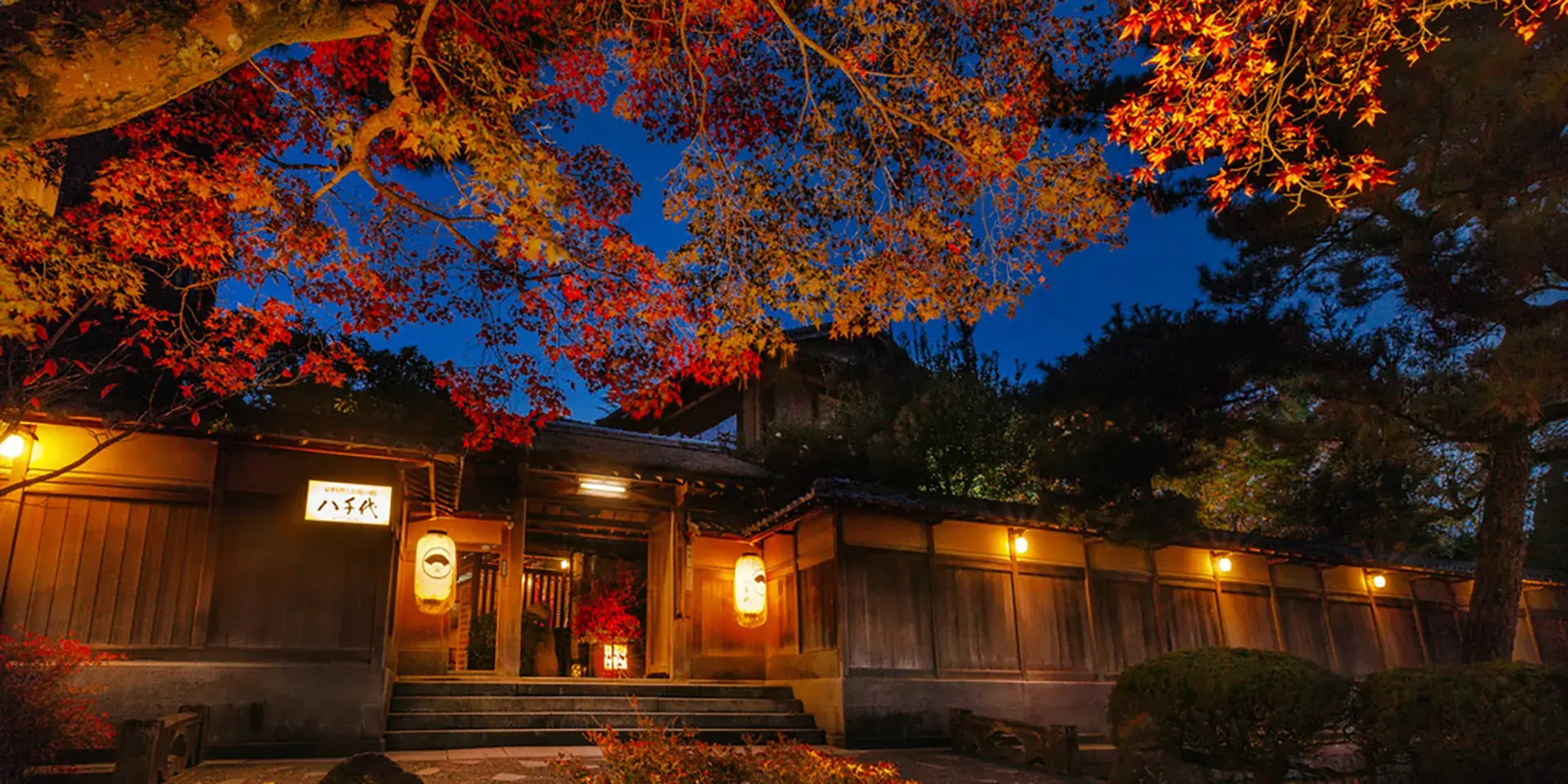 Kyoto Nanzenji Garden Ryokan YachiyoNanzen-ji, Kyoto
opened 1915; its wooden main building of 1890 stands in a garden by Ogawa Jihei
The other 5
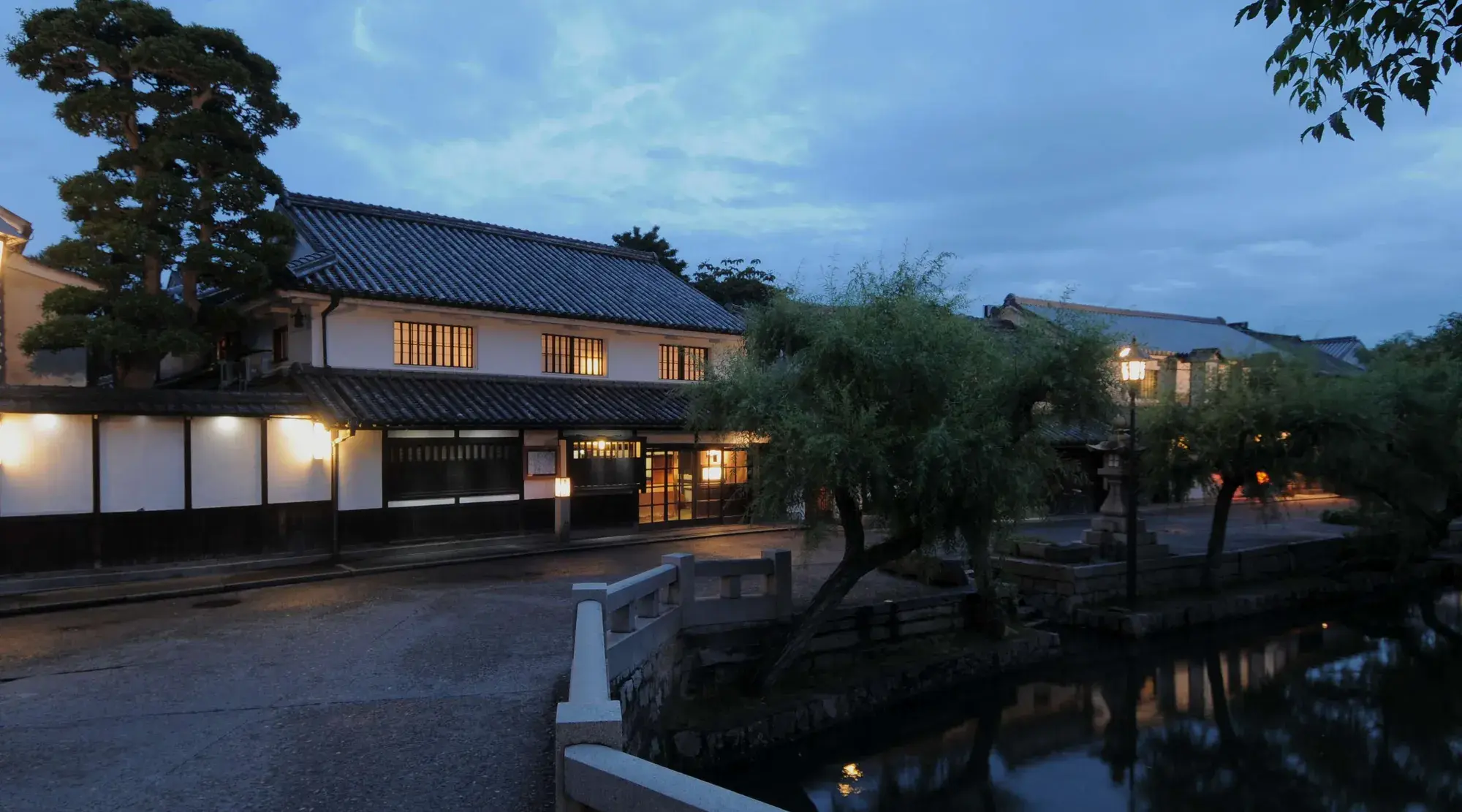 Ryokan KurashikiBikan Historical Quarter, Kurashiki
opened in 1957 in a sugar wholesaler's house and storehouses, the oldest over 300 years
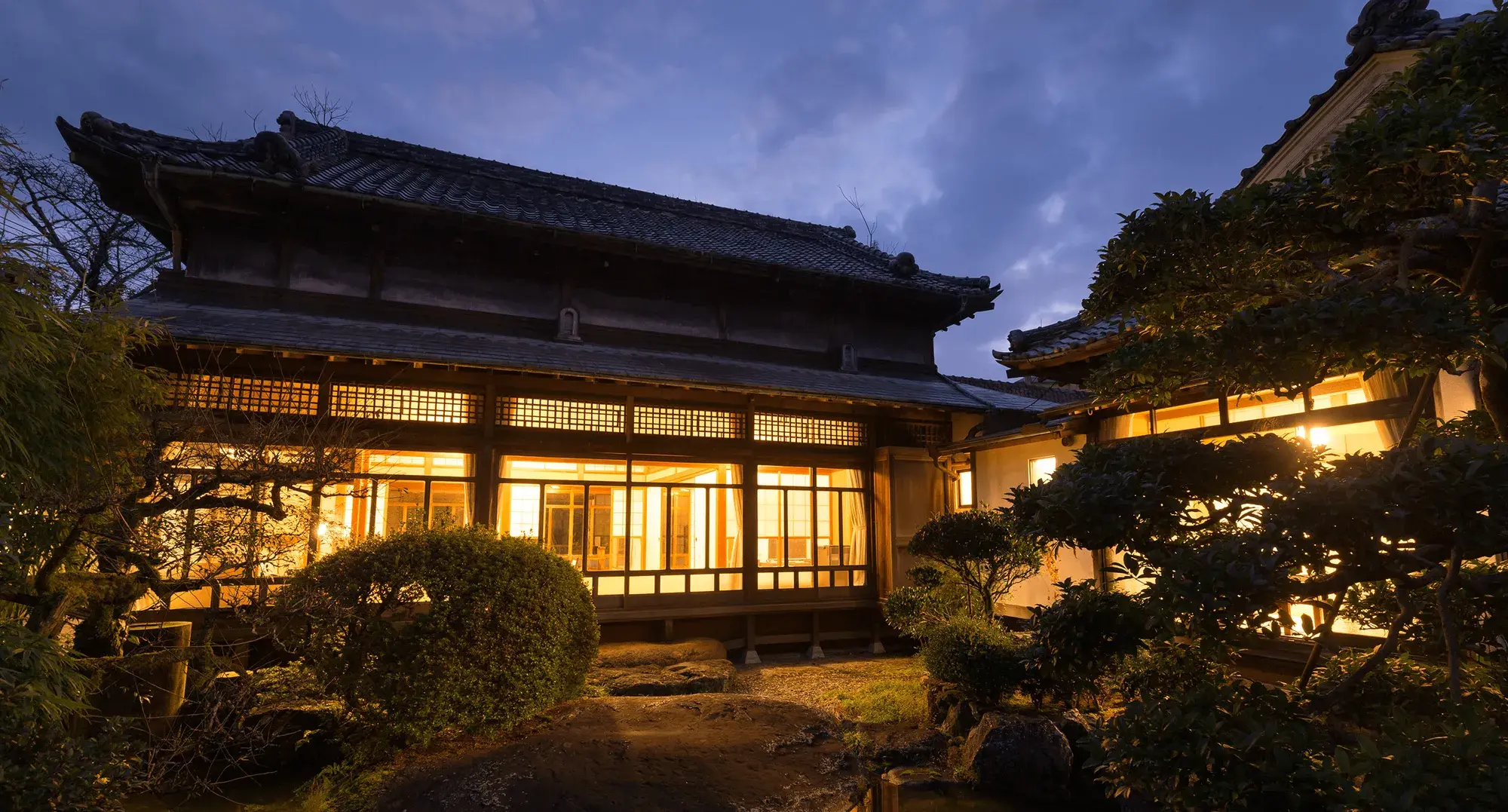 Suimeiso at Wataya BessoUreshino Onsen
founded 1950; Senshin was built from a relocated villa of the Saga Nabeshima domain
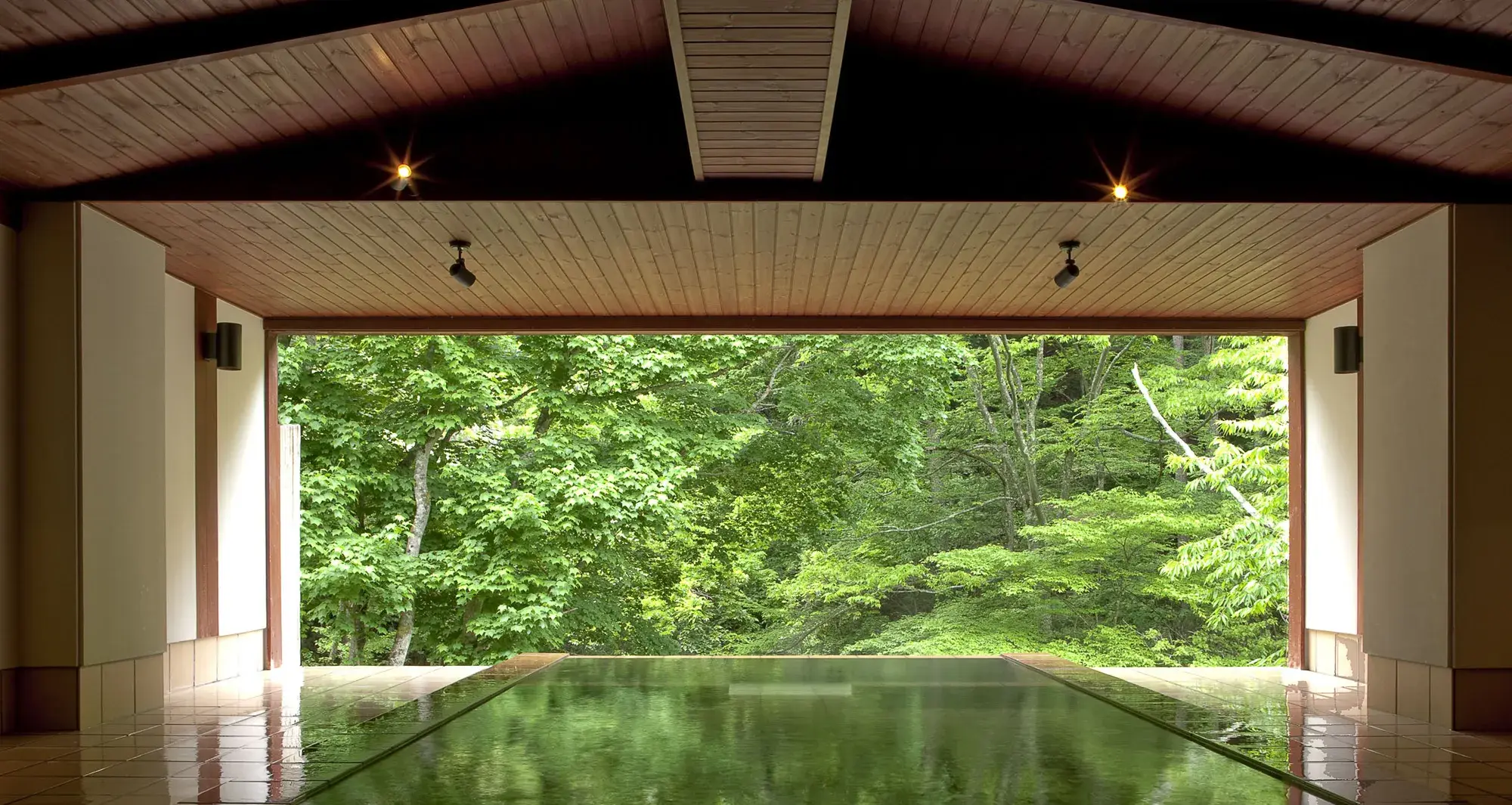 Tobira Onsen MyojinkanTobira Onsen, Matsumoto
founded in 1931 by Takeshige Saito, alone in its valley