Temple lodging, and what our list has instead
A shukubo is a temple's own lodging: at Koyasan, JNTO counts 51, where guests may join the monks' morning prayers and eat shojin ryori, the vegetarian temple cooking. Our list has no working shukubo. It has houses with a temple's history, and one that opens a temple after dark.
Ninnaji Shorinan is a house inside the grounds of Ninna-ji in north-west Kyoto, let to one group of two to four, who have the temple to themselves from 17:00 to 08:30; dinner is arranged in advance in the temple's Shinden hall, as shojin ryori or Kyoto kaiseki. Miyamasou began in 1892 as the pilgrims' lodging of Bujo-ji, a mountain-ascetic temple in the Hanase hills, an hour and forty minutes from central Kyoto by a bus with two round trips a day. Yufuin Tamanoyu opened in 1953 as a rest house for a Zen temple.
Farmhouses, moved and rebuilt
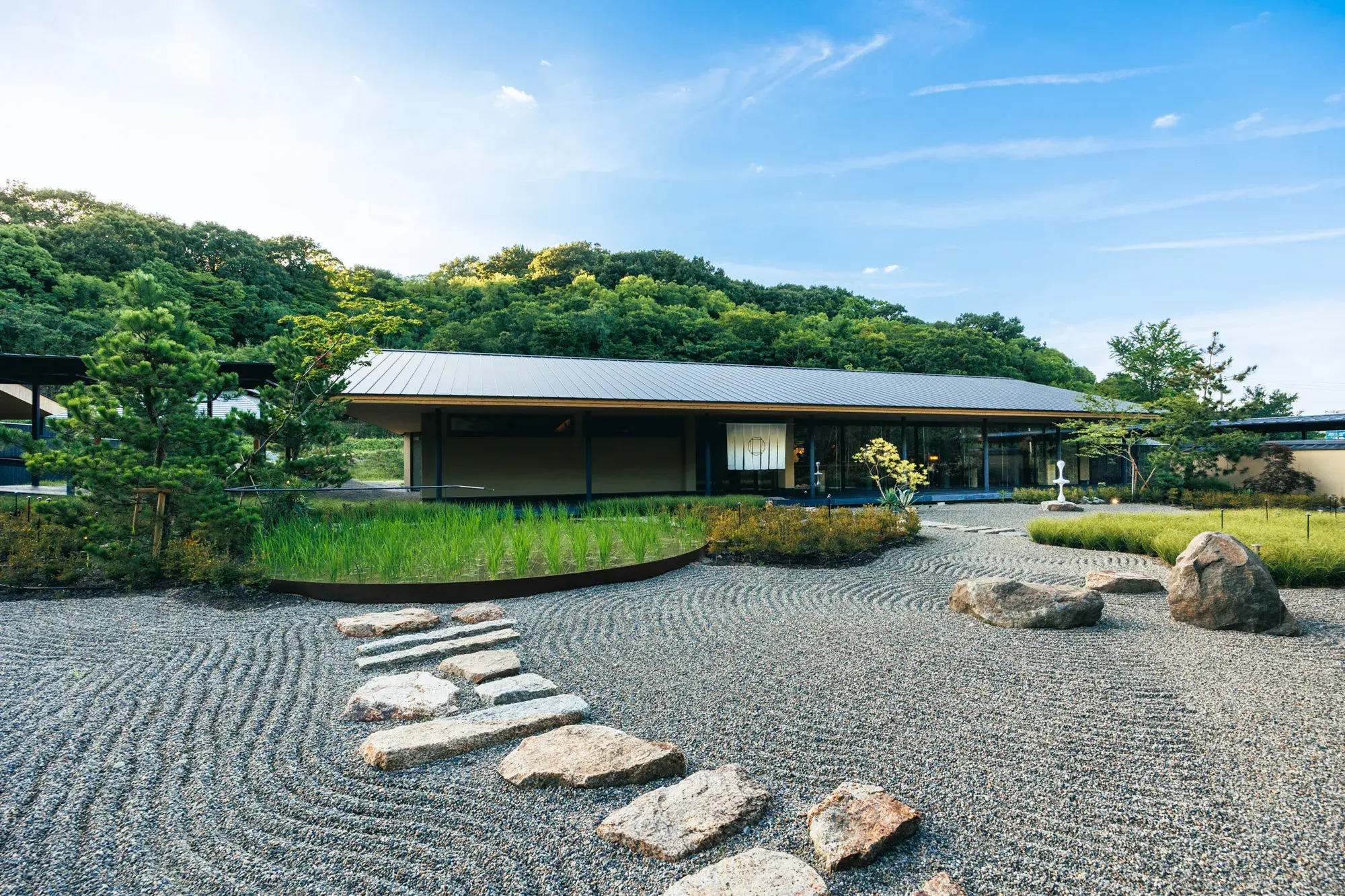
Kominka means simply an old house, and the farmhouse inns on our list are mostly old buildings taken down elsewhere and rebuilt. Wanosato, south of Takayama, is made of Hida farmhouses and gassho-zukuri houses, the steep thatched type of the Shirakawa-go valleys, with an irori hearth at the centre of a 160-year-old main house. Wasure no Sato Gajoen at Myoken Onsen has laid out thatched farmhouses like a hamlet since 1970 and cooks from its own farm. Sanso Murata in Yufuin is twelve houses, most of them moved farmhouses; Yamagata The Takinami has a 350-year-old village headman's house as its lobby; Satoyama Jujo is built around a farmhouse of about 150 years.
Old houses keep their manners: Wanosato has no lift, Onyado Fukuchiyo warns of low ceilings and narrow passages, and at Satoyama Jujo the wooden buildings carry sound.
Island inns
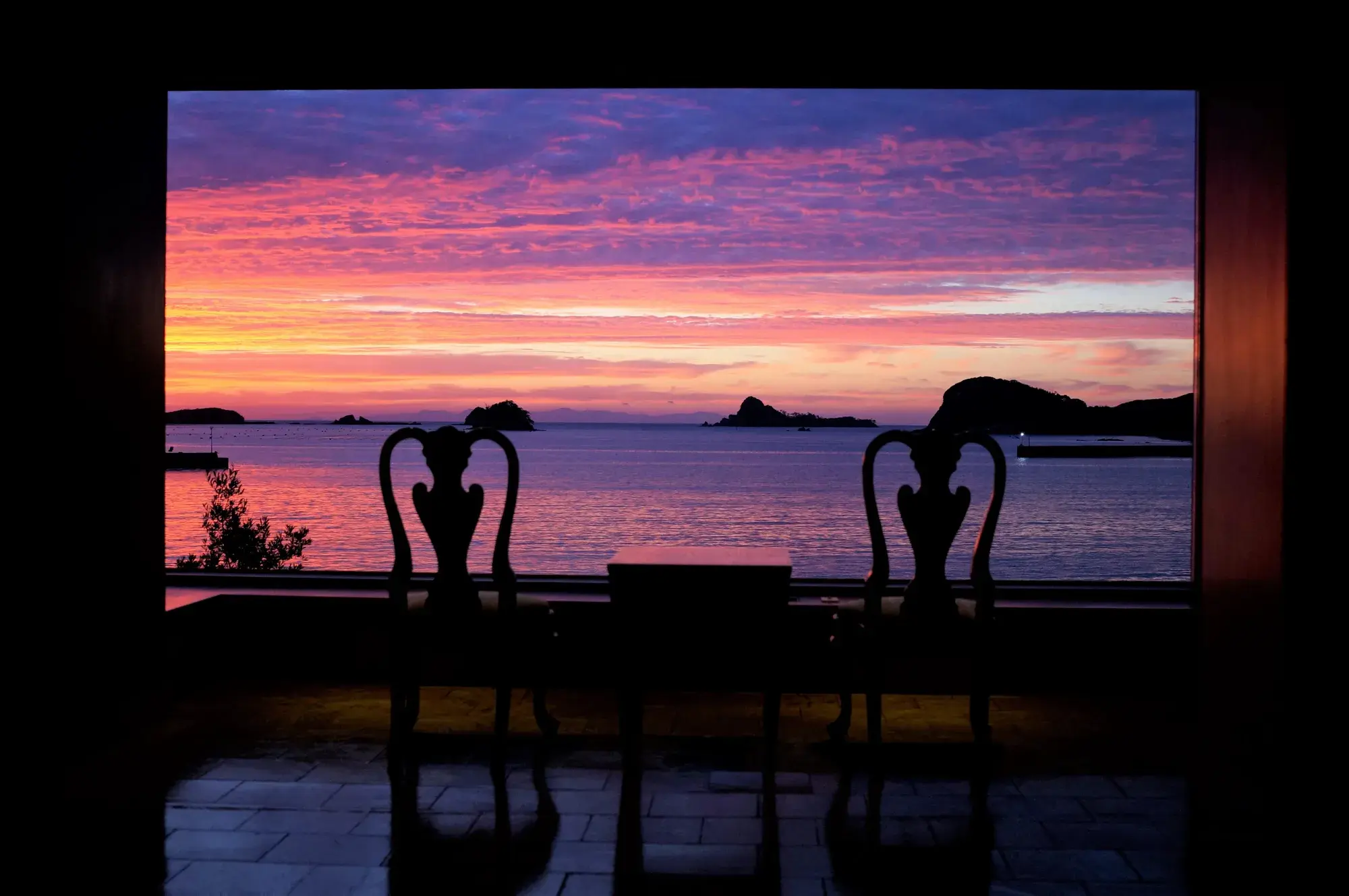
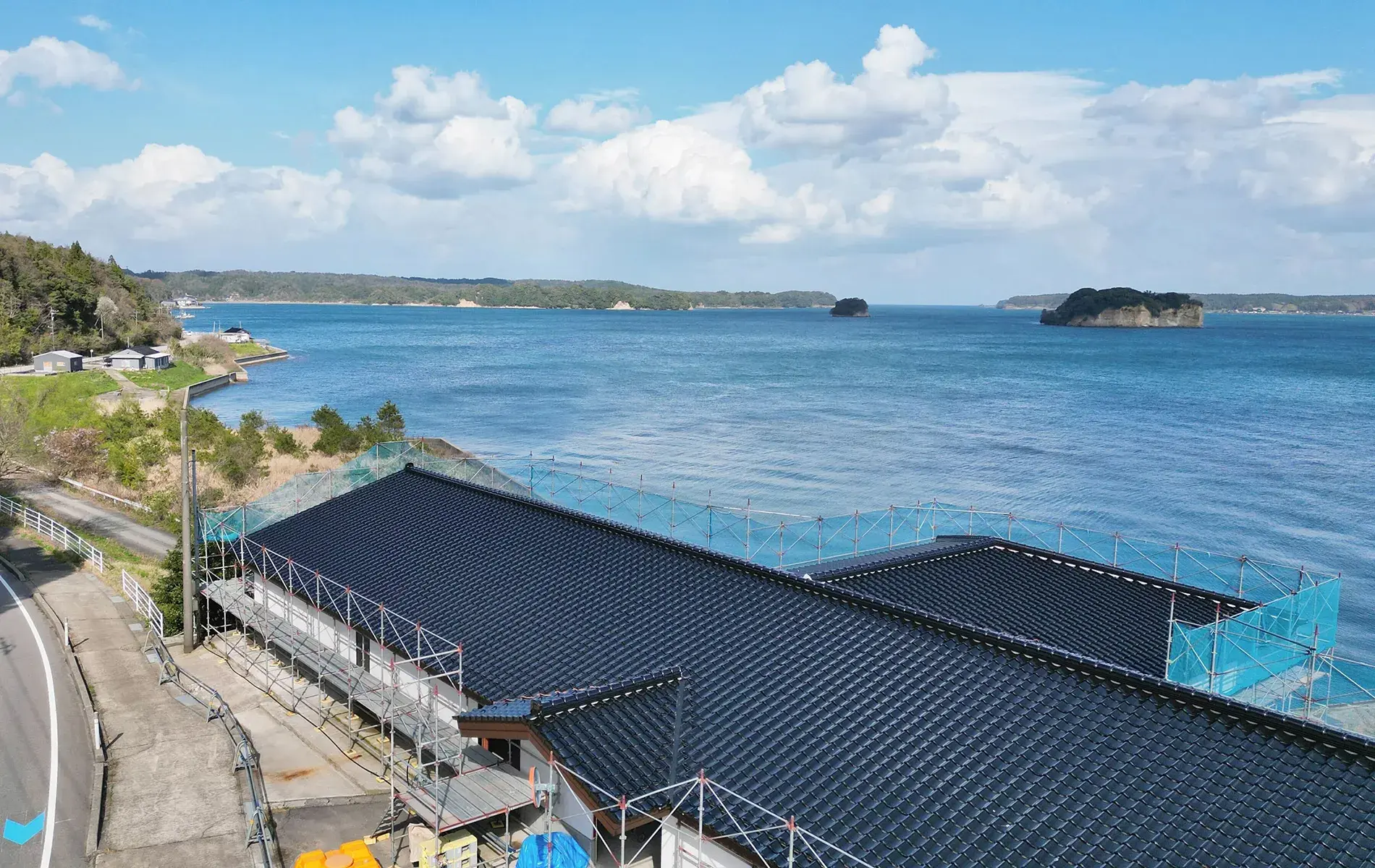
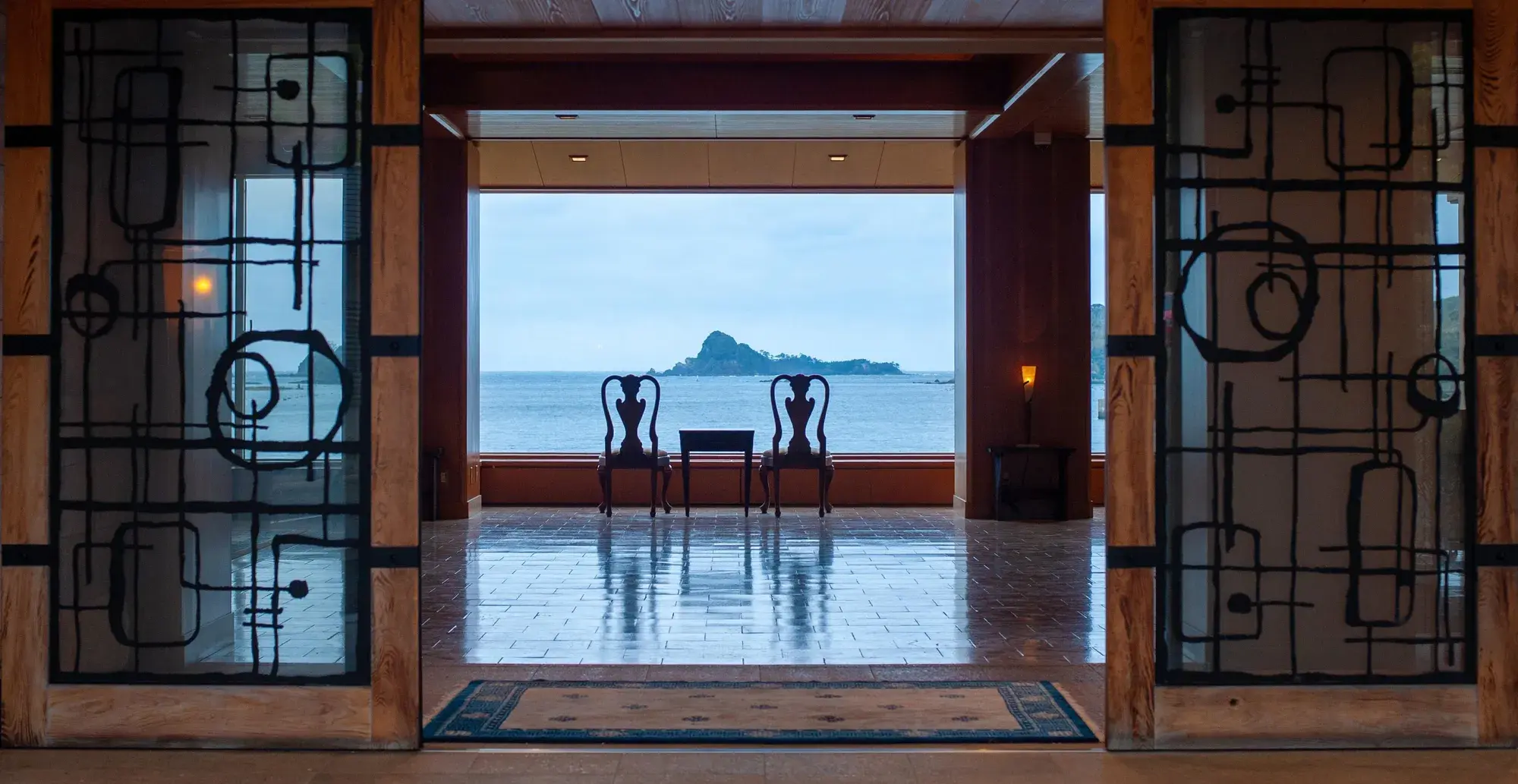
On an island the ferry sets the day. IKI Retreat Kairi Murakami is an hour by jetfoil from Hakata, with a free pickup from Iki's ports booked at least three days ahead; every room faces the sunset and has an open-air bath of the inn's own hypertonic spring, golden in the air. Naoshima Ryokan Roka's shuttle meets your ferry from Uno or Takamatsu. Azumi Setoda is on Ikuchijima, 40 minutes by fast ferry from Onomichi, in a merchant's estate of 1876 with the town bathhouse across the street. Hitotsu Notojima is across a bridge on Notojima, reopened after the earthquake of 2024.
Onsen villages at the end of the line
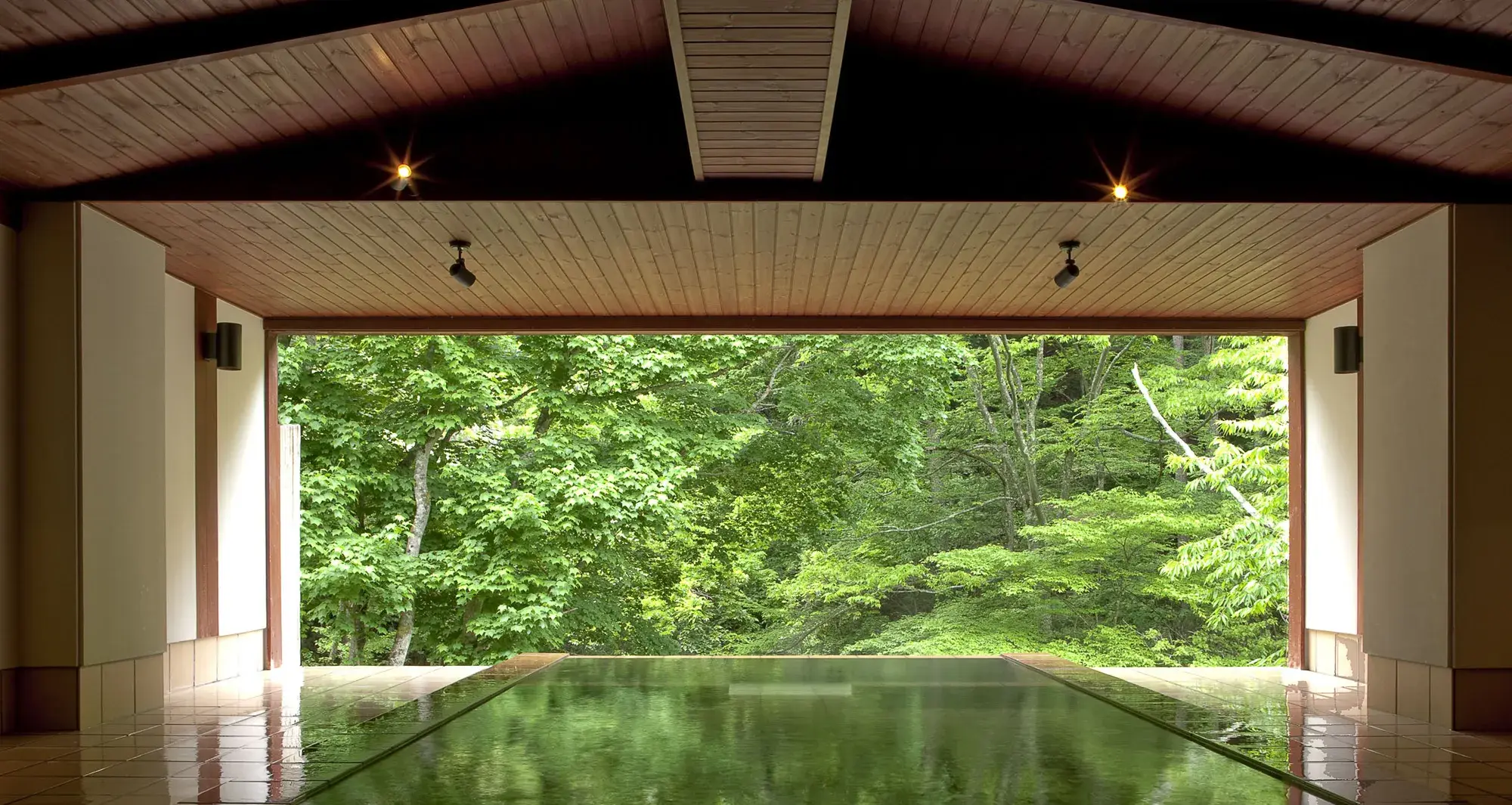
Fujiya Inn is in Ginzan Onsen, the Taisho-era hot-spring street along the Ginzan river, about three hours ten minutes from Tokyo to Oishida and forty minutes on by the inn's car; cars cannot enter the street, and there is nowhere else in Ginzan to eat dinner. Tobira Onsen Myojinkan stands alone at 1,050 m east of Matsumoto, reached by its shuttle at 15:15 or 16:30. Takefue's villas sit at about 1,000 m near Kurokawa, where it often snows from December to March; Ryotei Hanzuiryo at Unzen, at about 700 m, bathes in acidic water piped from the Unzen Jigoku. Moku no Sho is in Konbu Onsen, an old cure village in the woods of inner Niseko.
What to expect
Plan the arrival first: pickups run at set times and want notice, a week at Wanosato. Dinner is the inn's set course, often at one time for everyone, because there is nowhere else to go. Few records say how much English is spoken, so do not count on it; tell us any dietary needs and we pass them on in Japanese. Mobile signal can fail too, as Miyamasou warns of its valley. Our guide to getting to a ryokan covers trains, pickups and luggage.
The inns on our list, by kind
Each inn appears once, under the kind its record shows most clearly.
On our list
Temple4
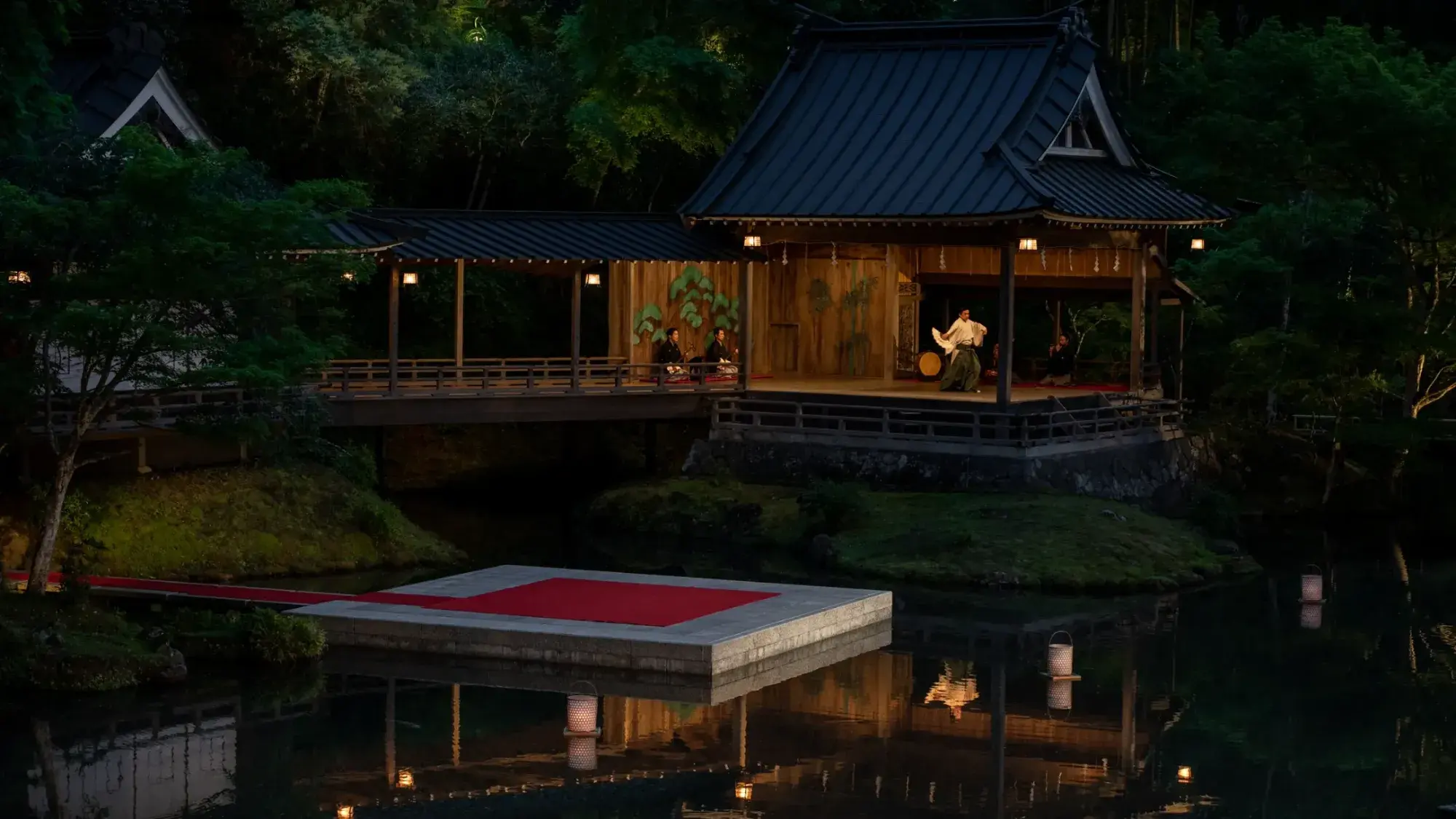
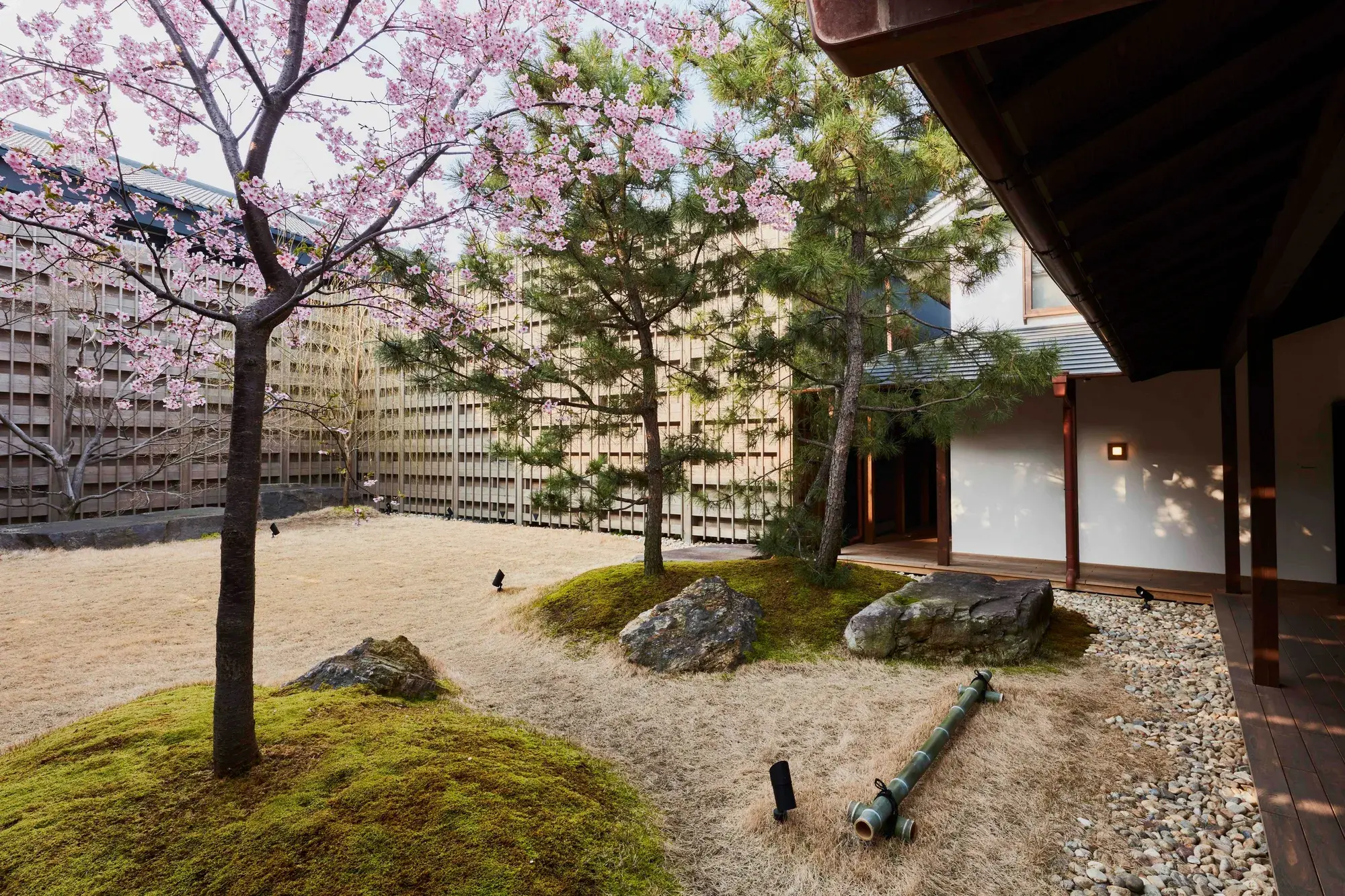
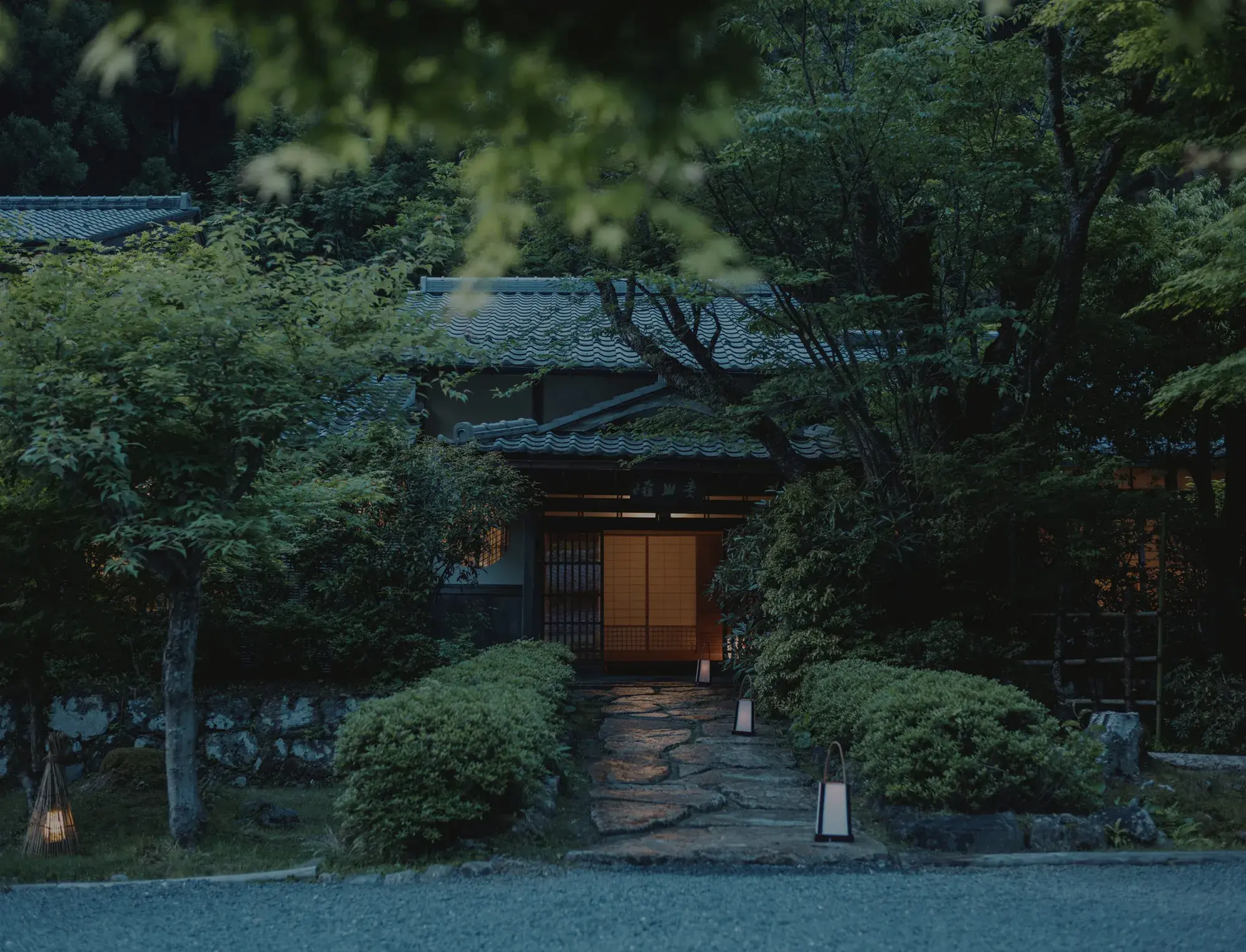 MiyamasouHanase, Kyoto
founded in 1892 as the pilgrims' lodging of Bujo-ji, a mountain-ascetic temple
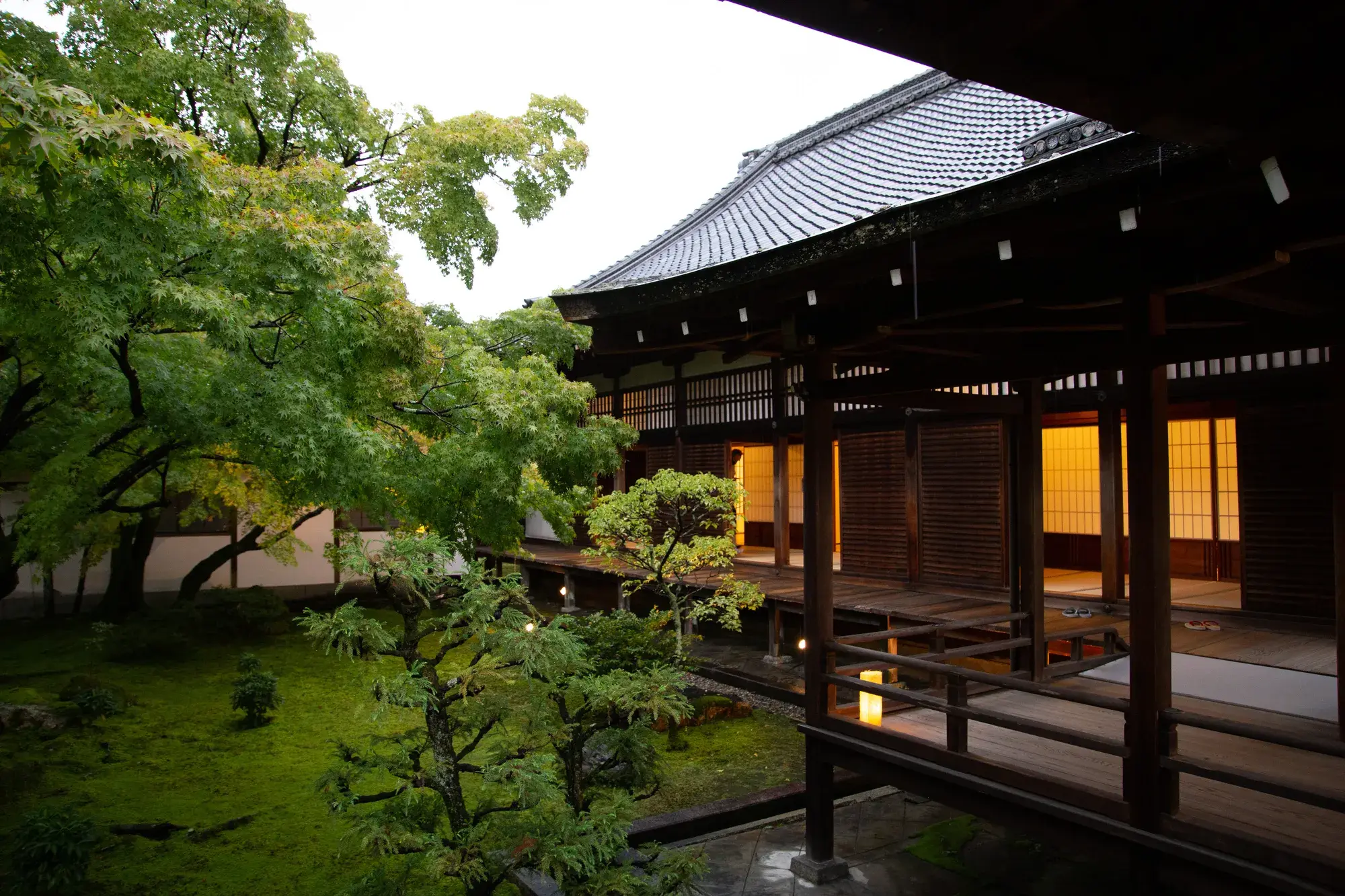 Ninnaji ShorinanOmuro, Kyoto
a house inside Ninna-ji, the temple's grounds closed to all but you from 17:00 to 08:30
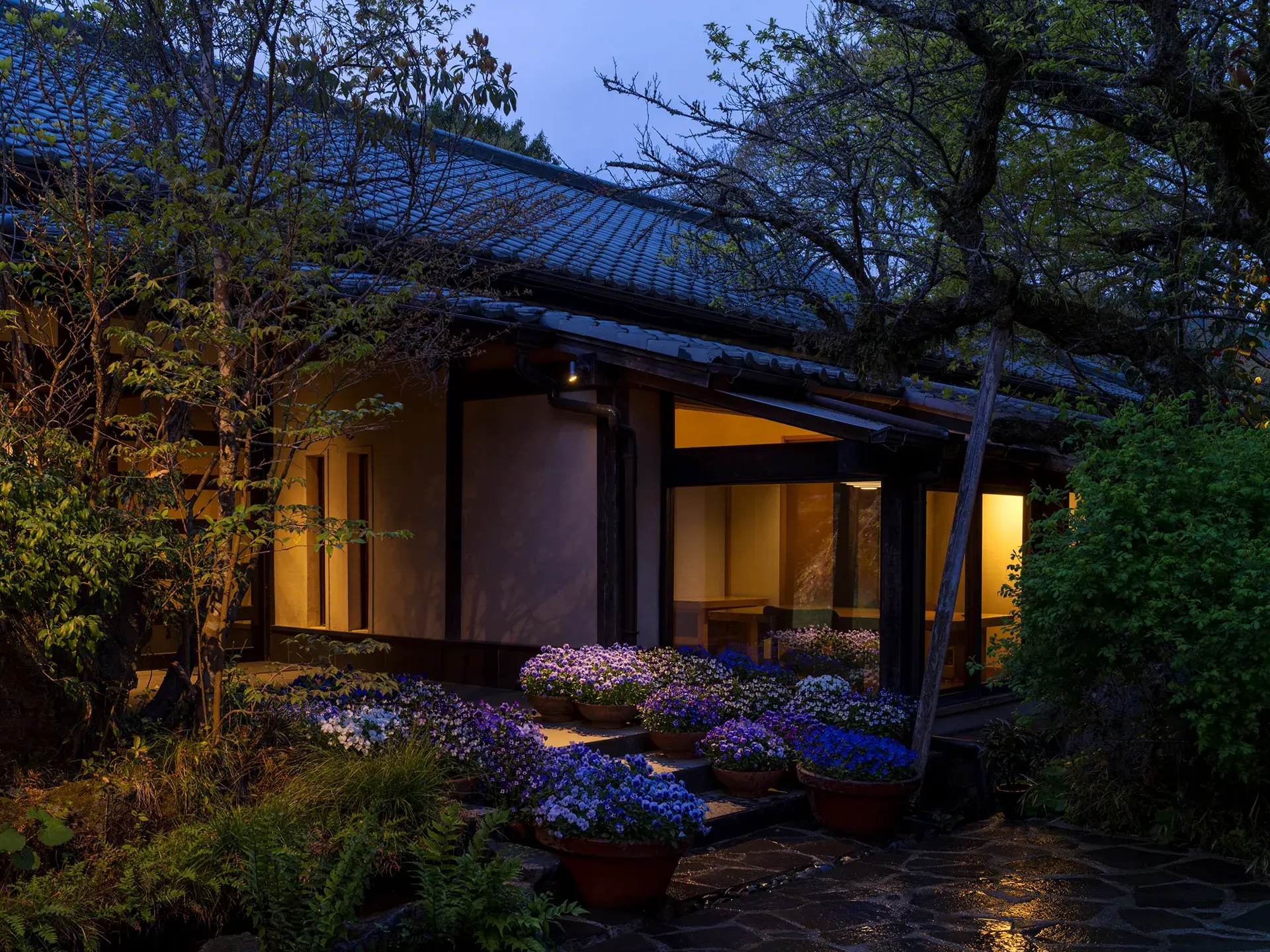
Farmhouse5
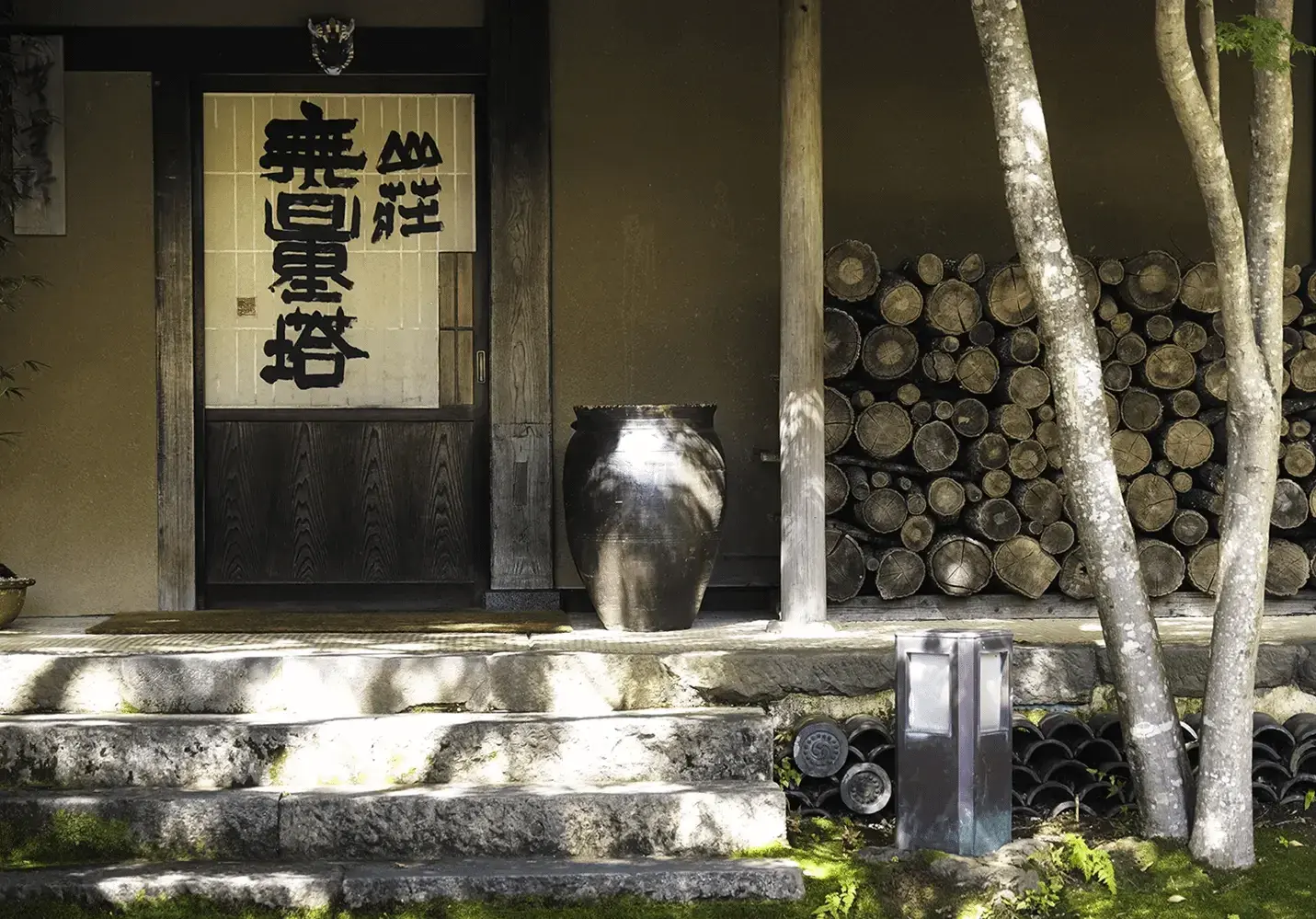
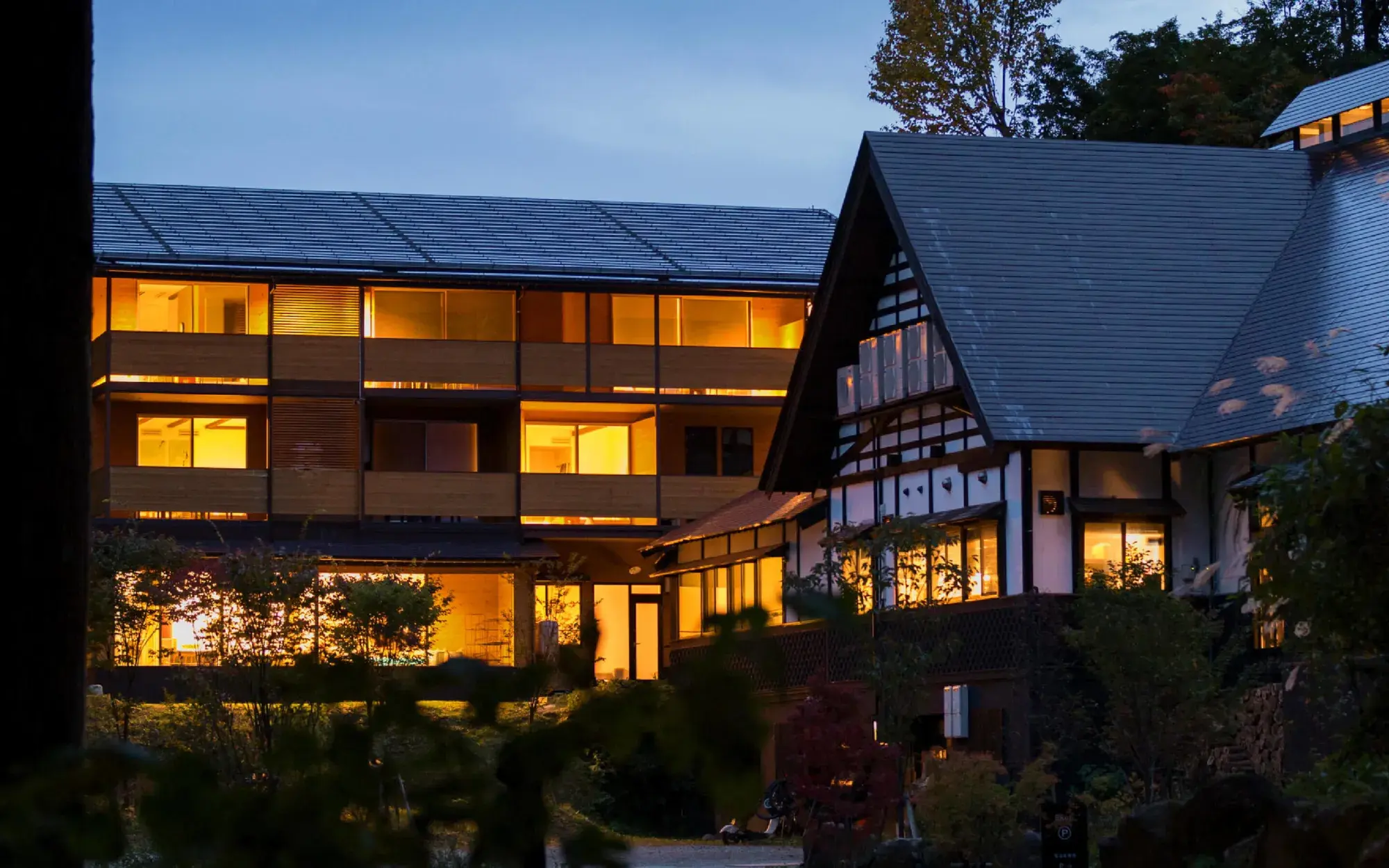
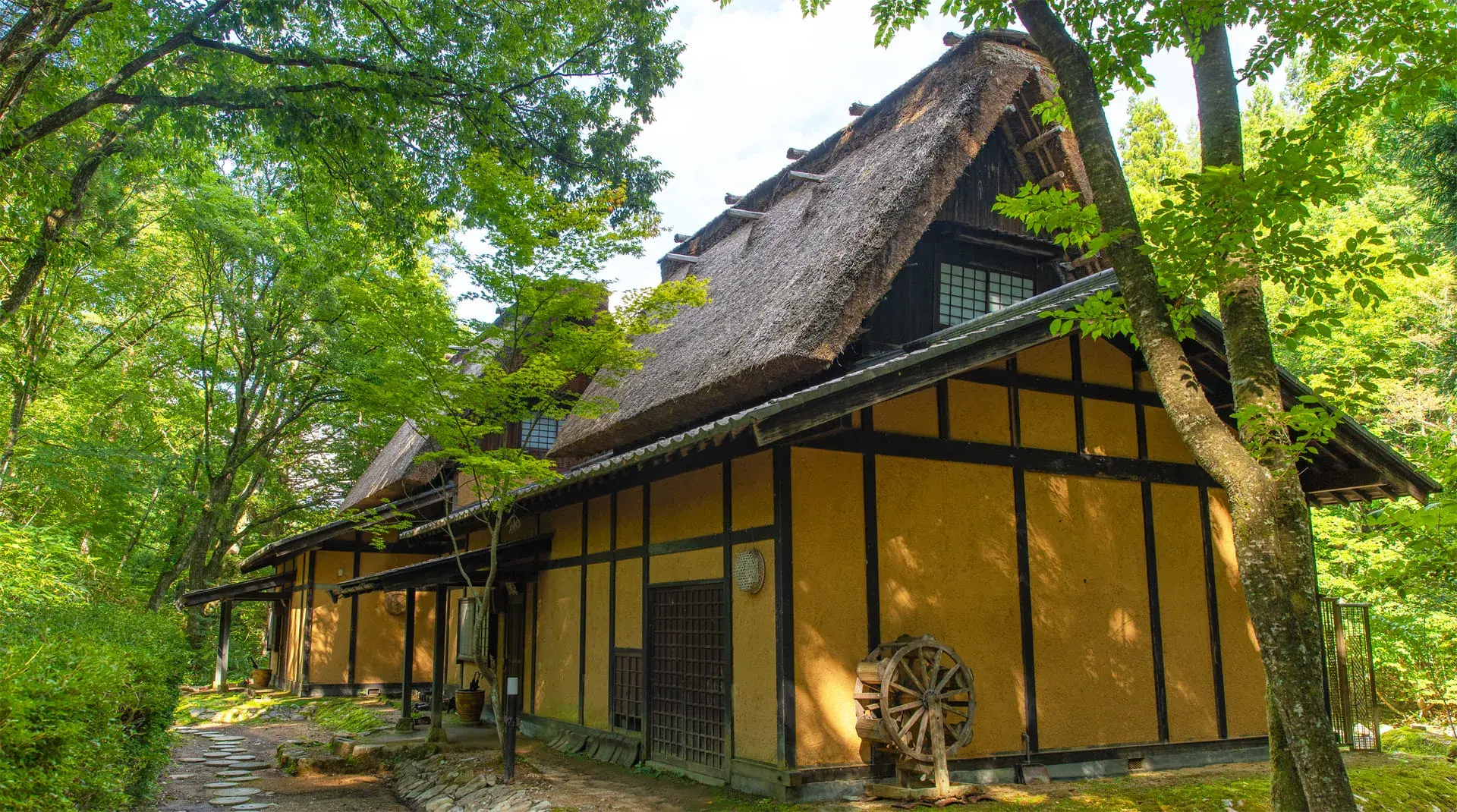 WanosatoIchinomiya, Takayama
relocated Hida farmhouses and gassho-zukuri houses around a 160-year-old main house
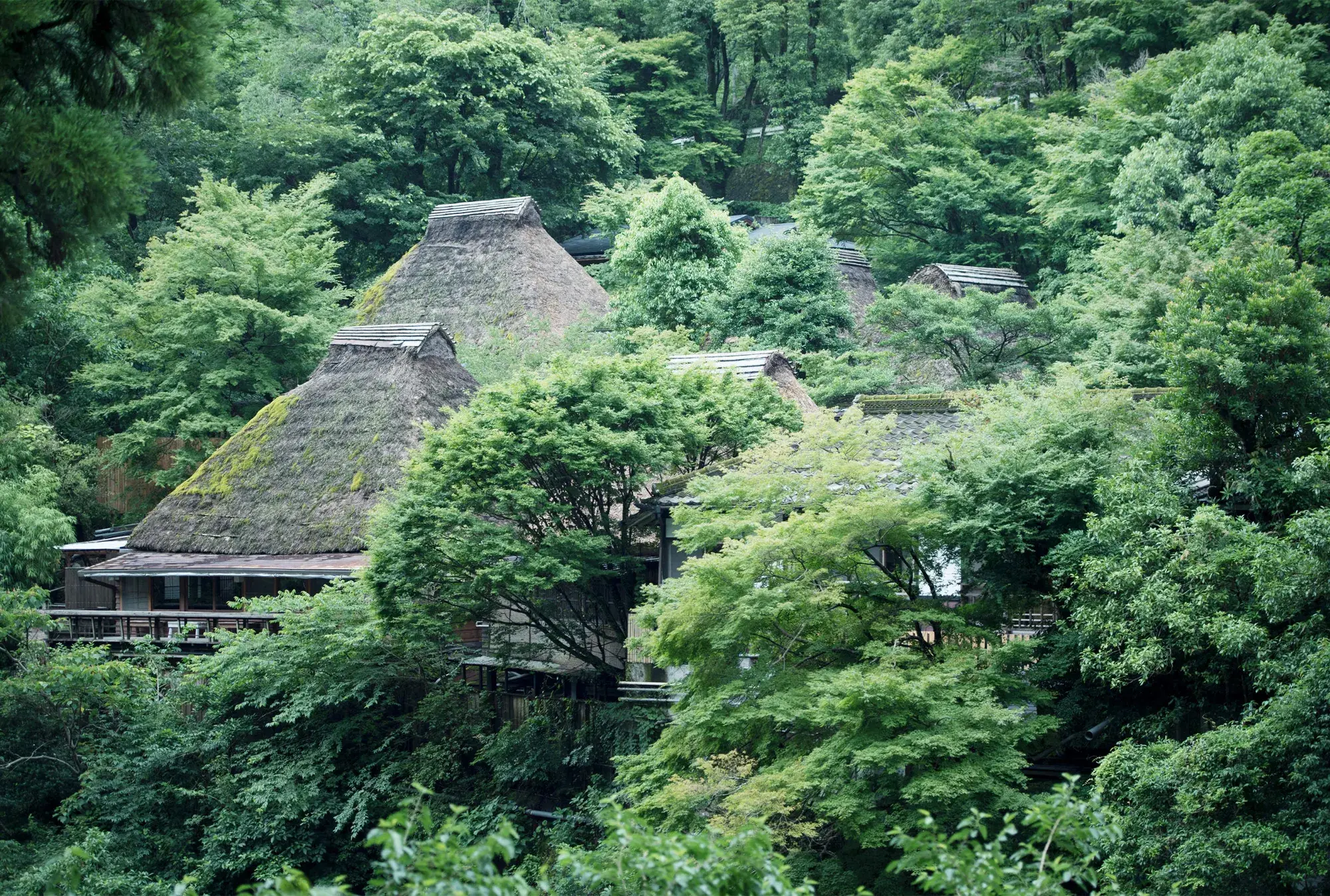 Wasure no Sato GajoenMyoken Onsen, Kirishima
thatched farmhouses moved to the Amori river and laid out like a hamlet
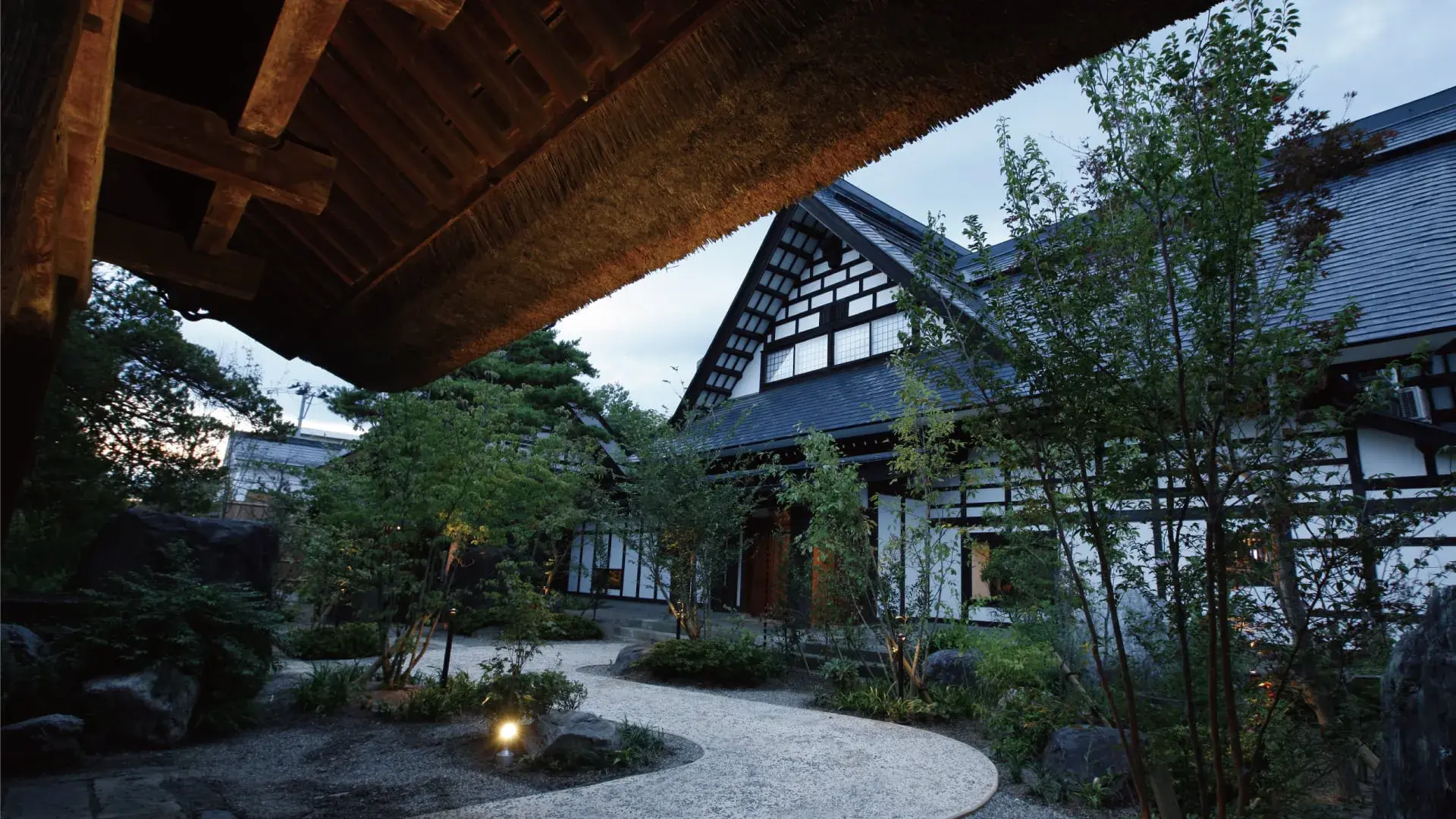 Yamagata The TakinamiAkayu Onsen, Nanyo
a 350-year-old village headman's farmhouse as lobby and lounge
Island4
Remote onsen6
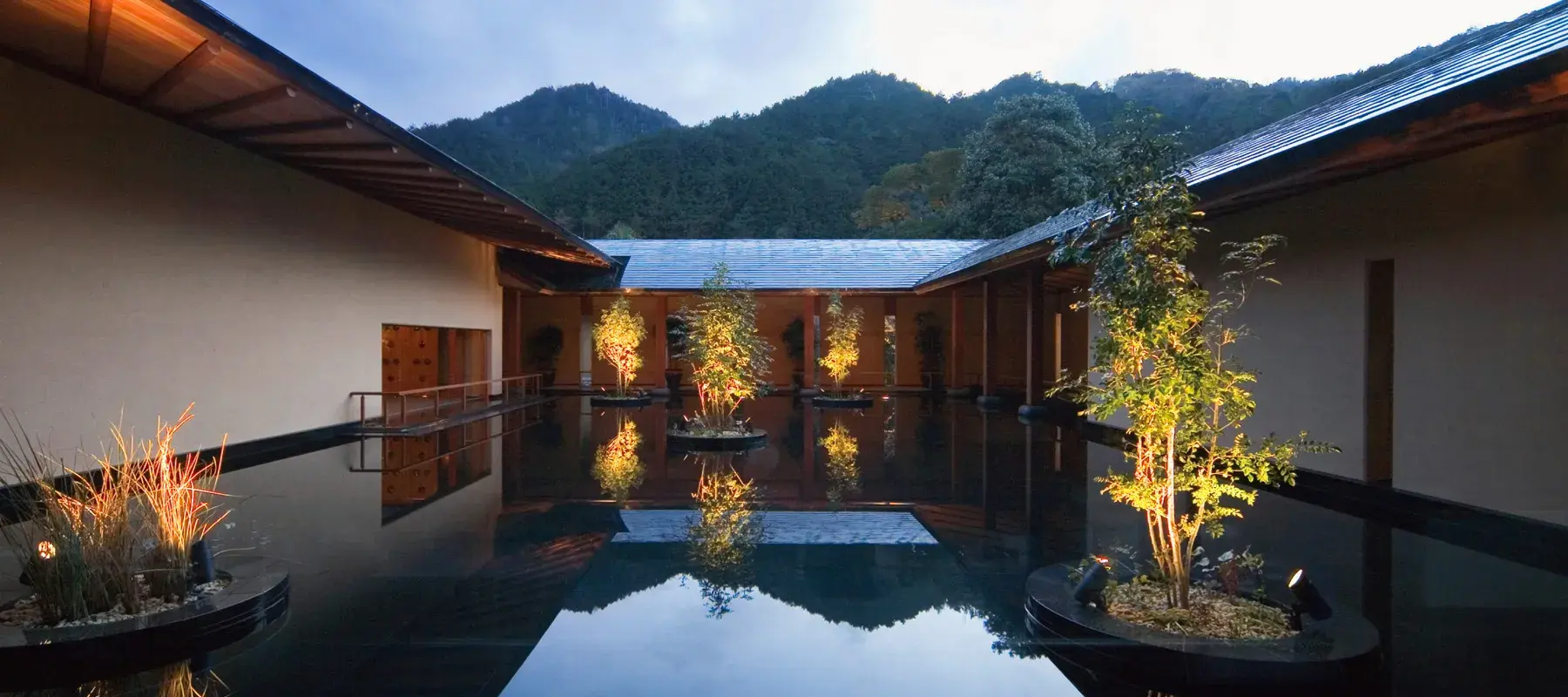
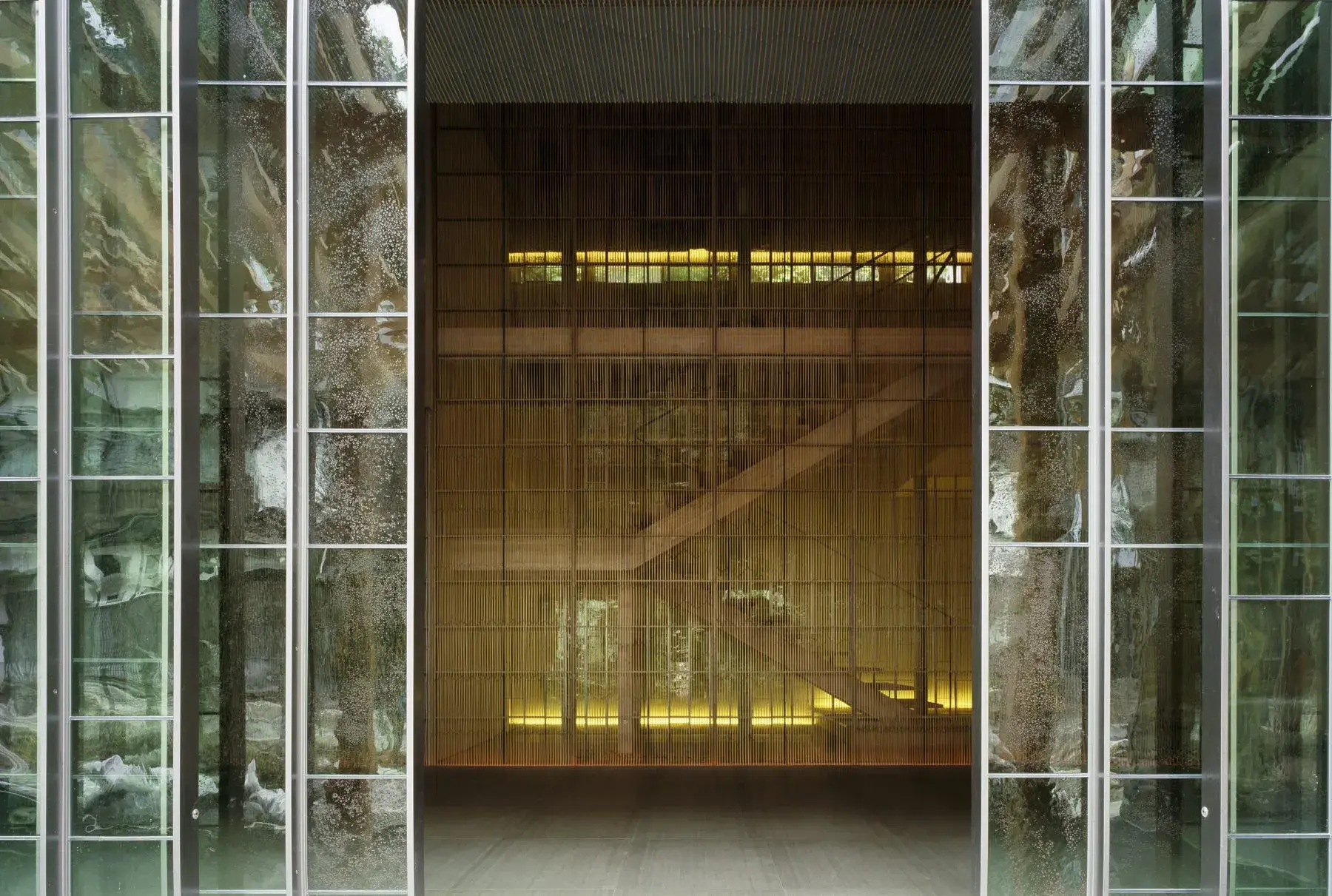 Fujiya InnGinzan Onsen, Obanazawa
Ginzan Onsen, 40 minutes by the inn's car from Oishida, with no other dinner in the village
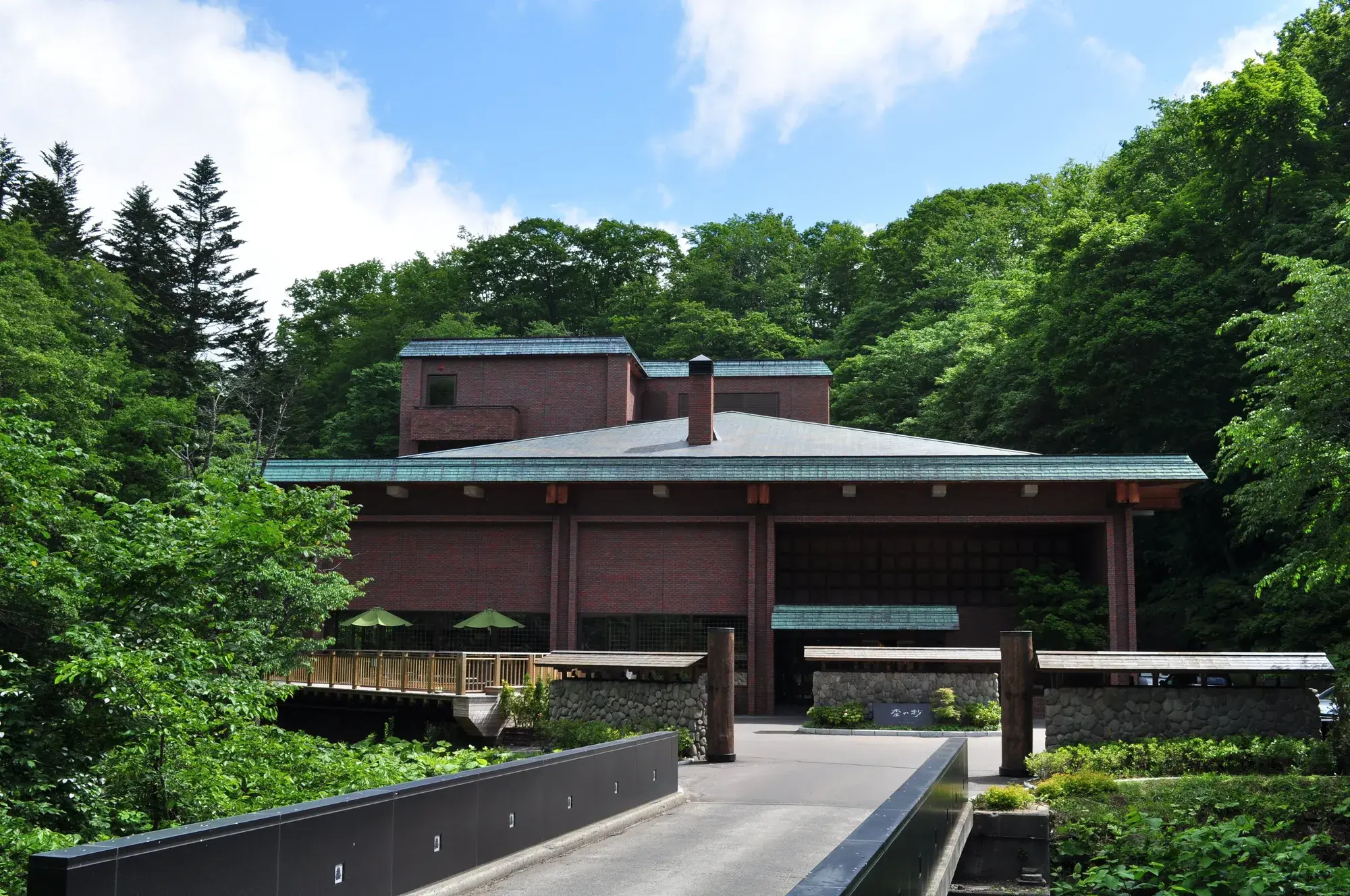 Niseko Konbu Onsen Tsuruga Besso Moku no ShoKonbu Onsen, Niseko
Konbu Onsen, an old cure village in the back country of Niseko
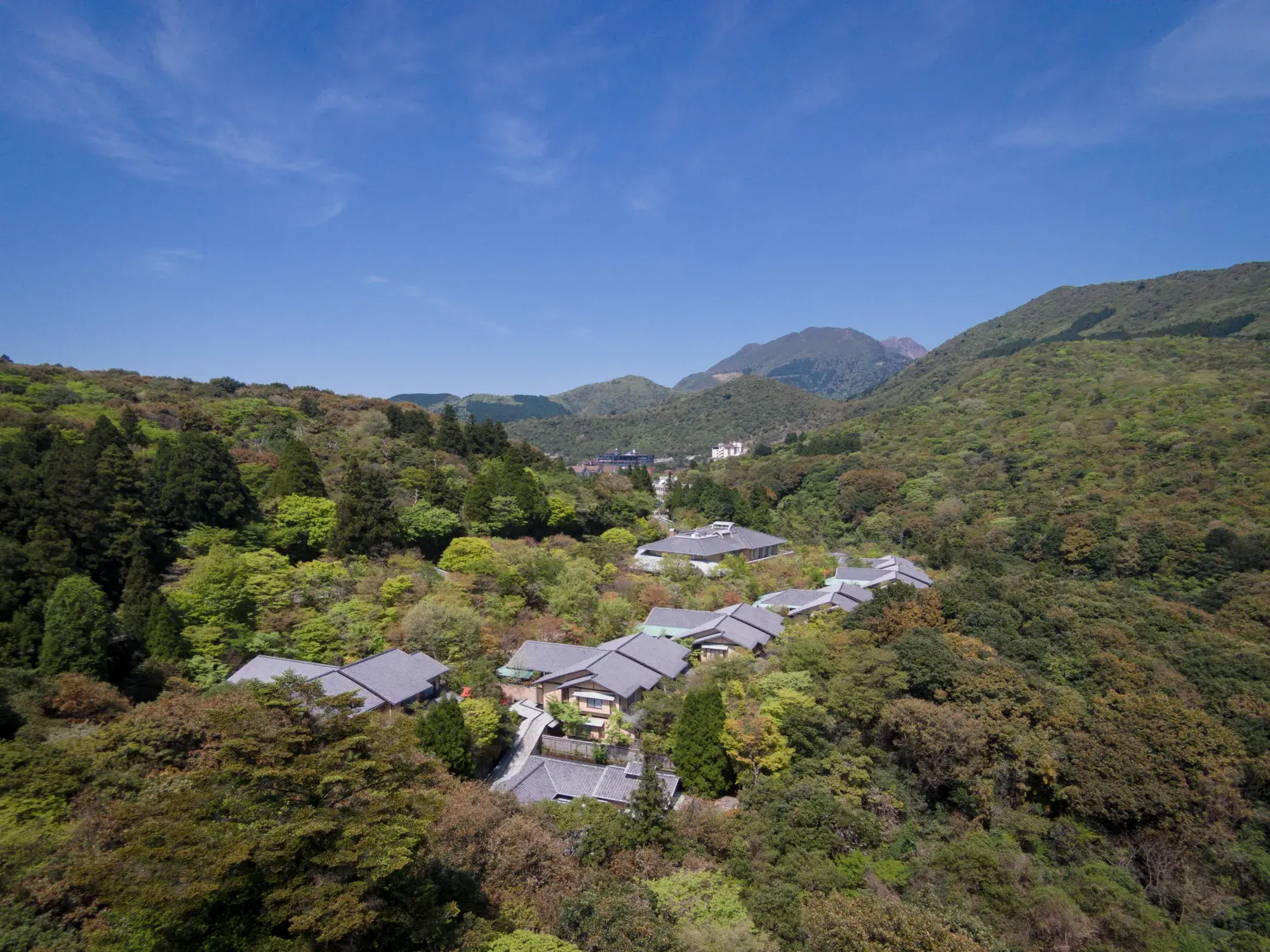
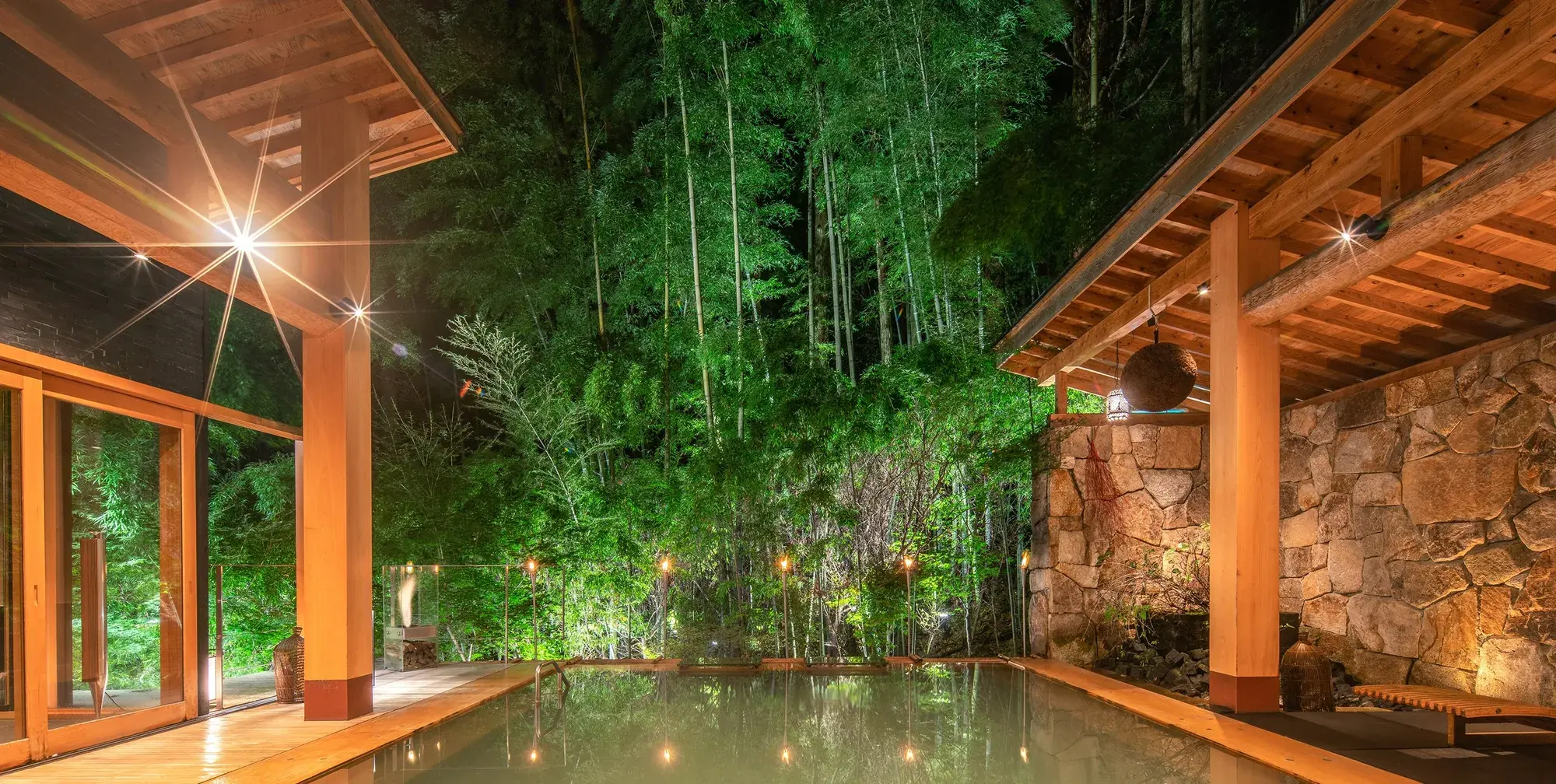 TakefueManganji, Kurokawa Onsen
about 1,000 m up near Kurokawa Onsen, often snowbound from December to March