What a ryokan gives you
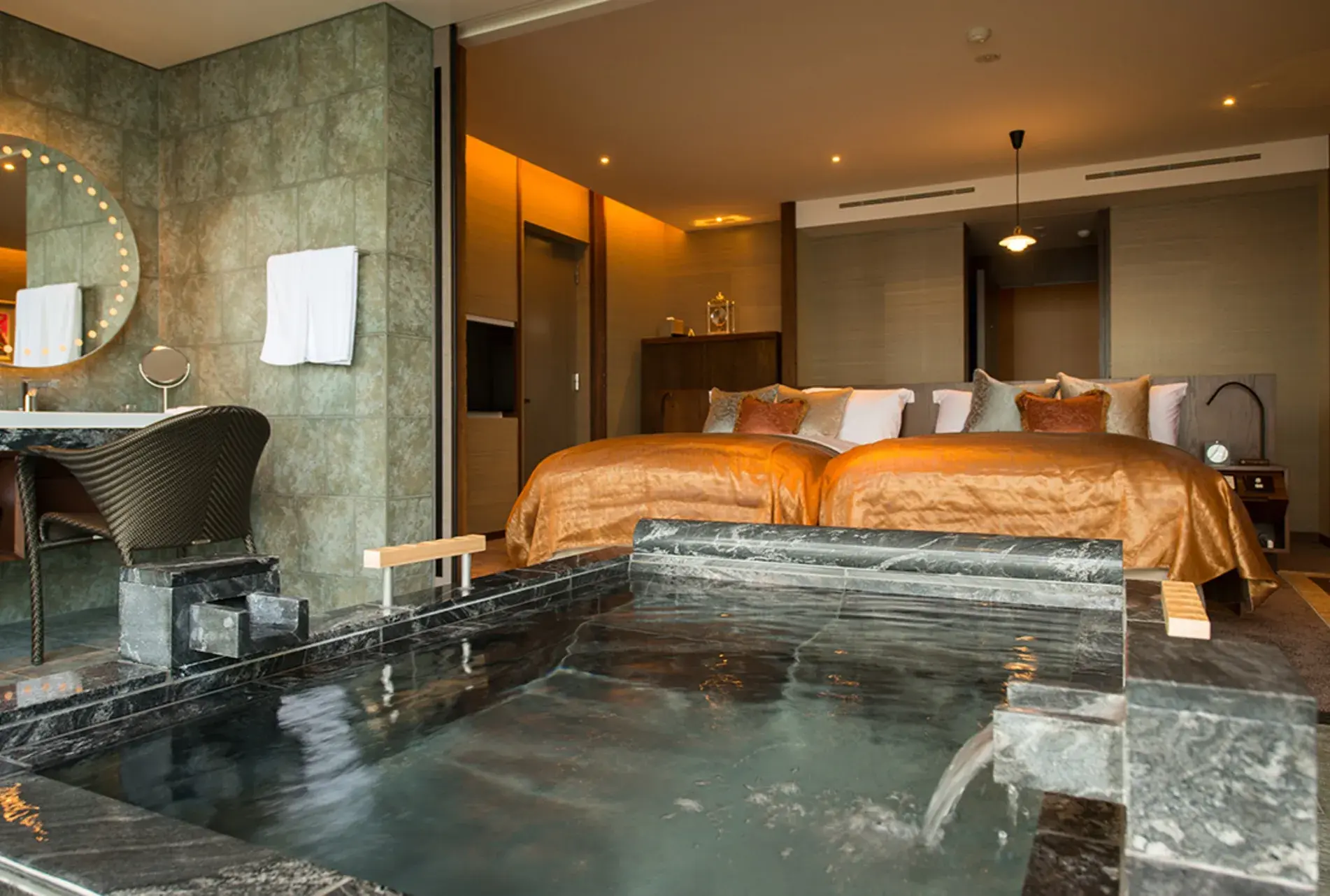
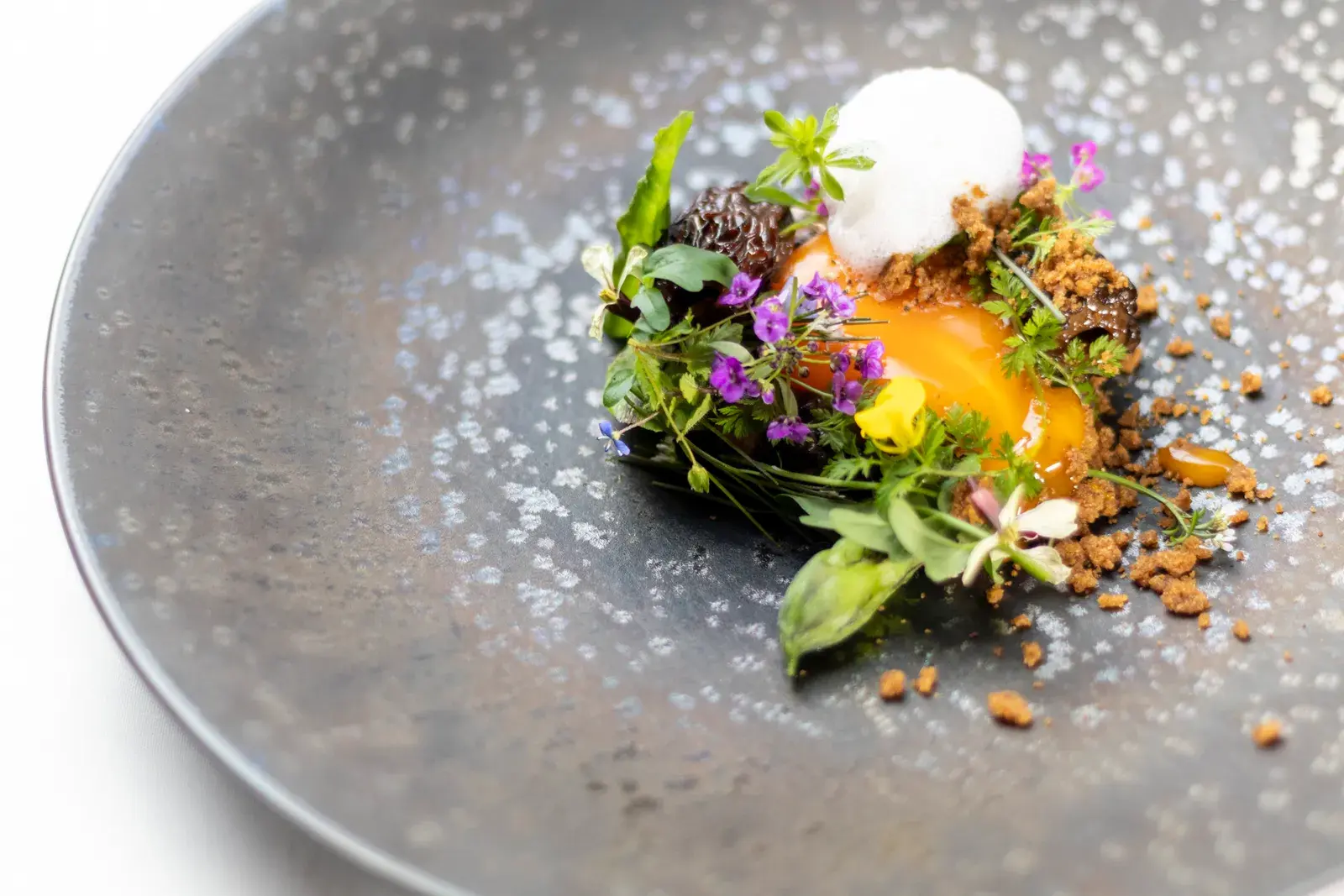
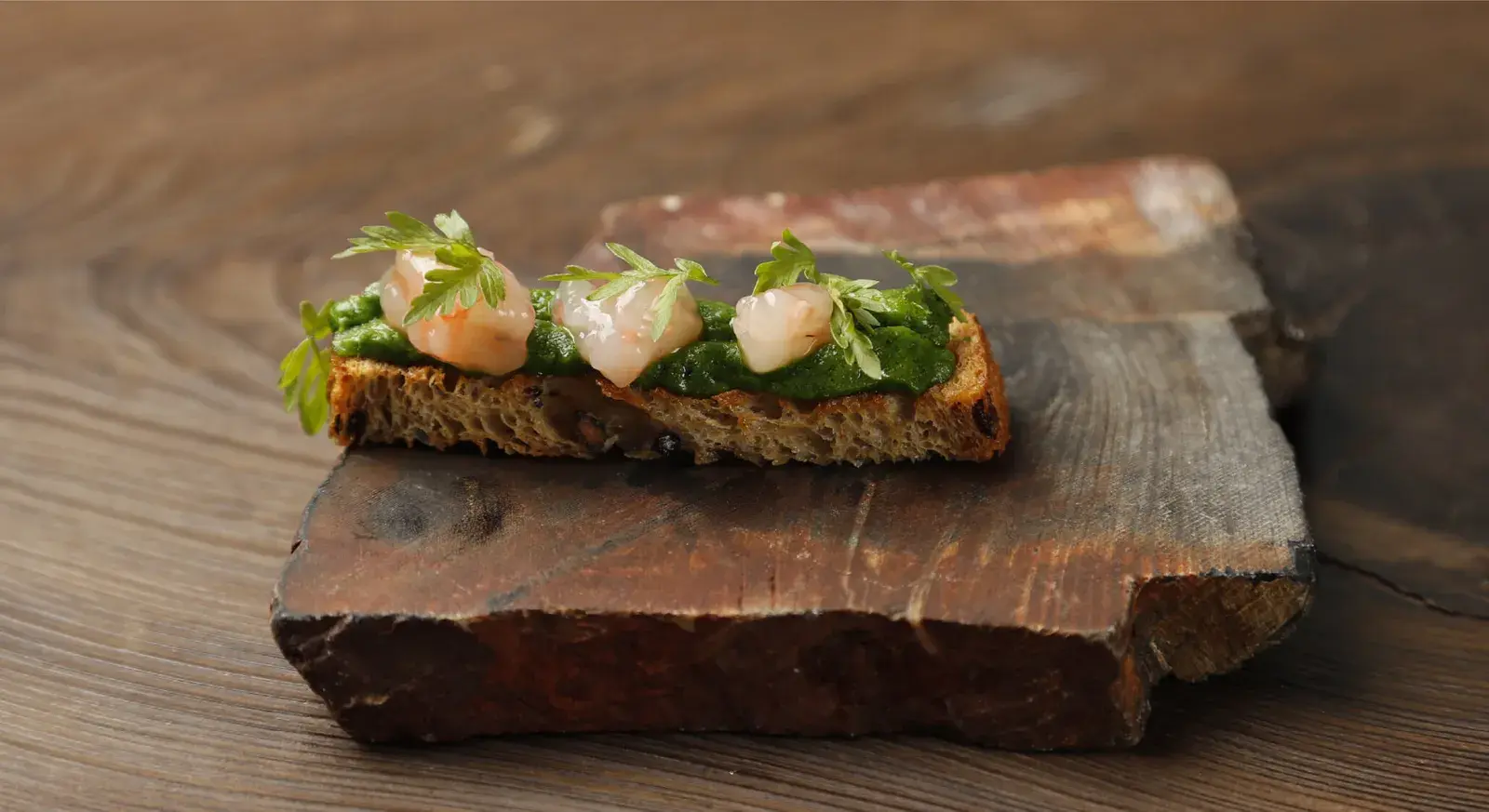
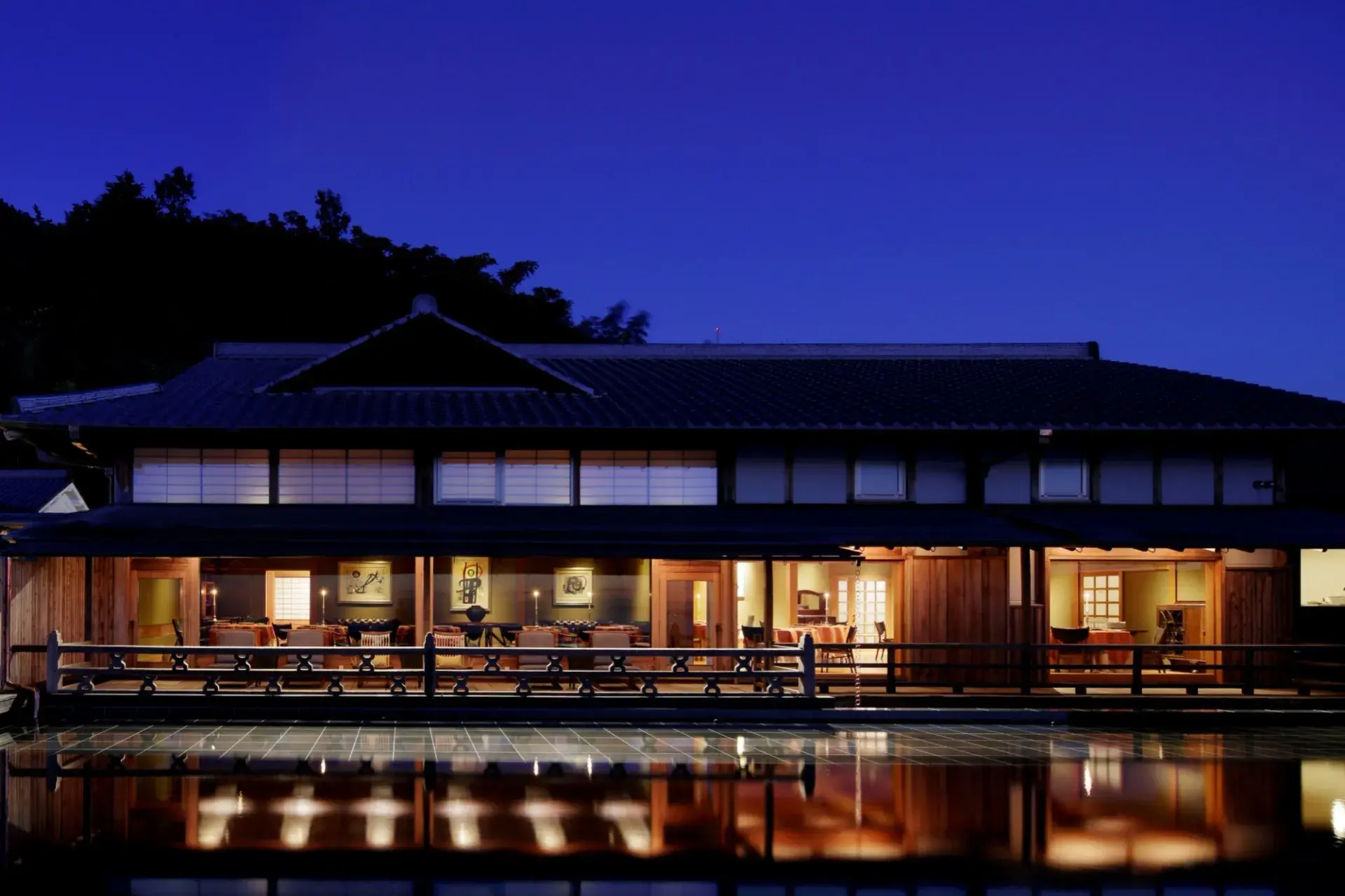
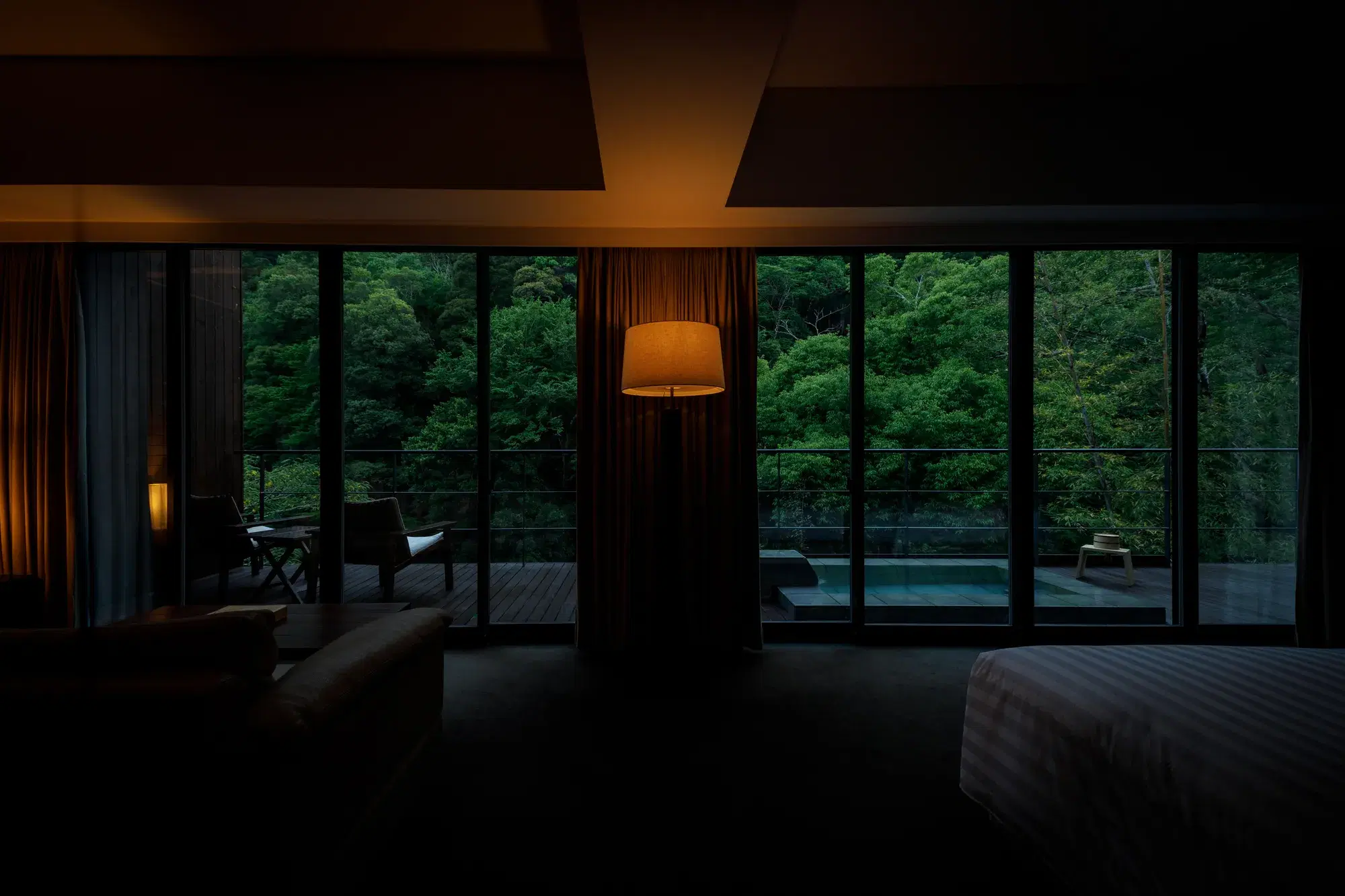
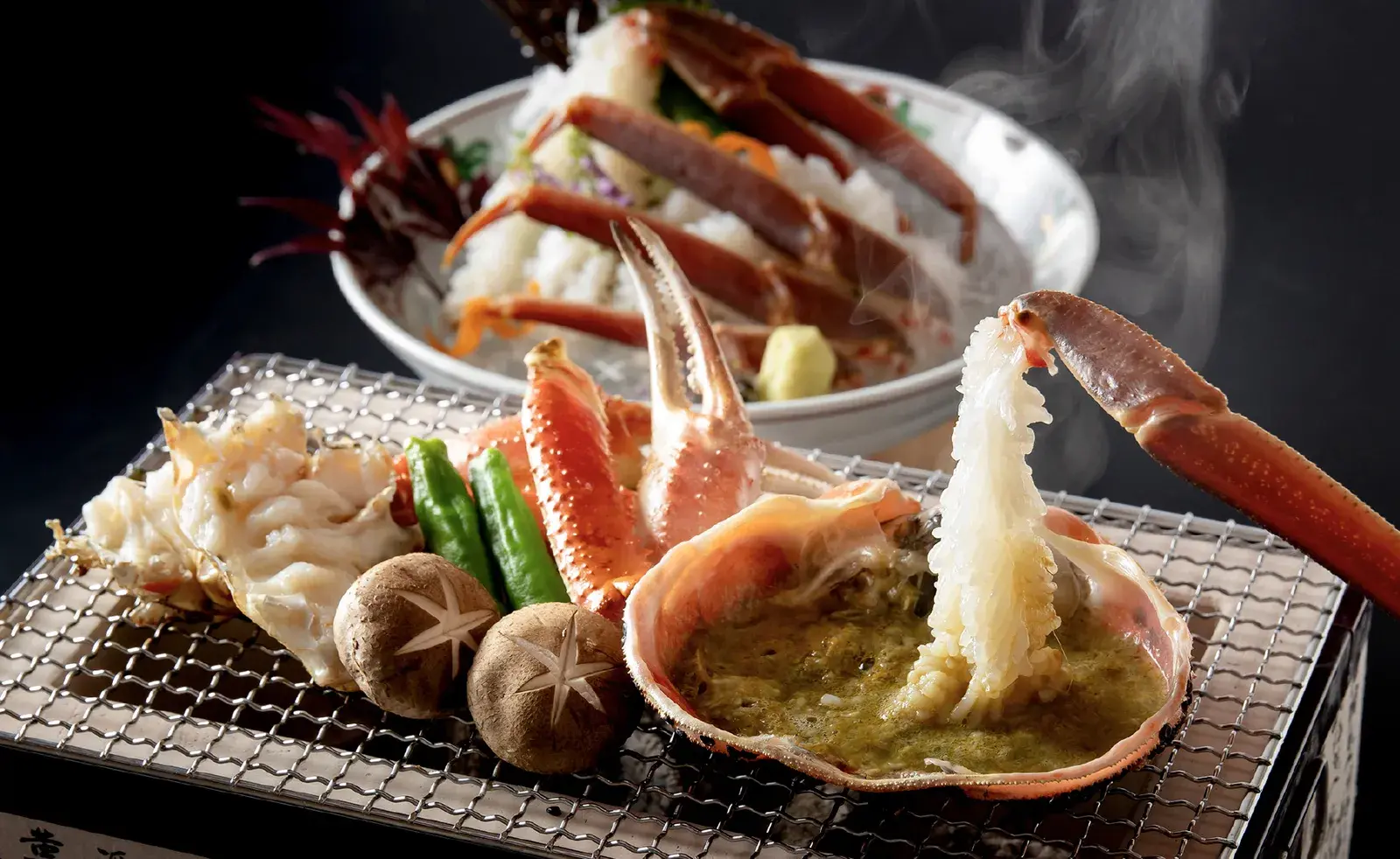
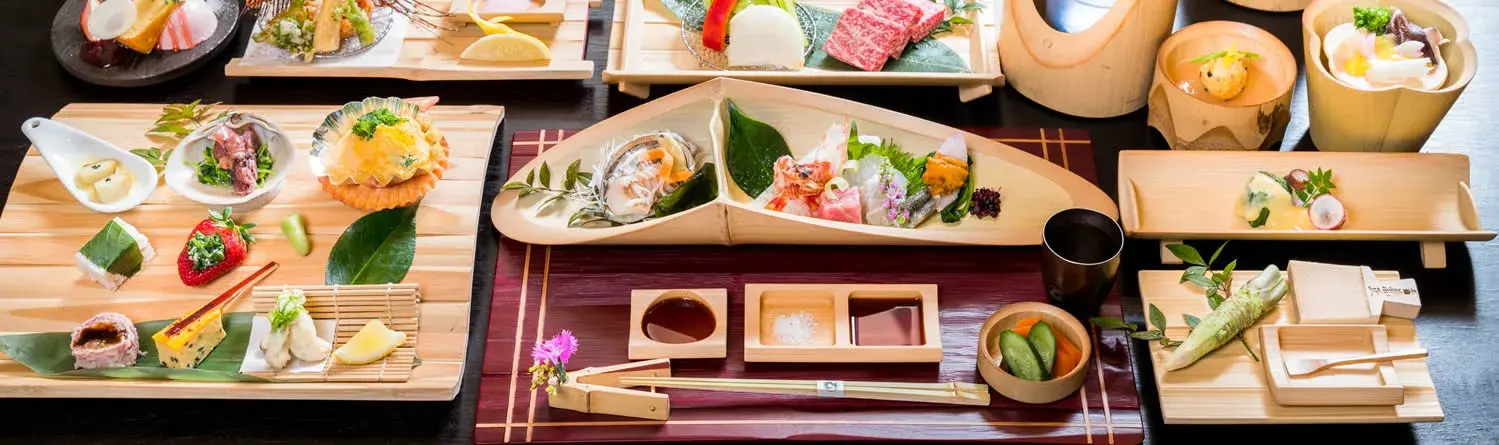
The case for a ryokan is the evening. You arrive in the afternoon and bathe, often in a hot-spring bath of your own: at Kinnotake Tonosawa every room has an outdoor hot-spring bath on its terrace, at Takefue every villa its own open-air bath. Dinner is a long kaiseki included in the stay; at Nishimuraya Honkan one attendant, the nakai, serves it in your room and then lays out your futons.
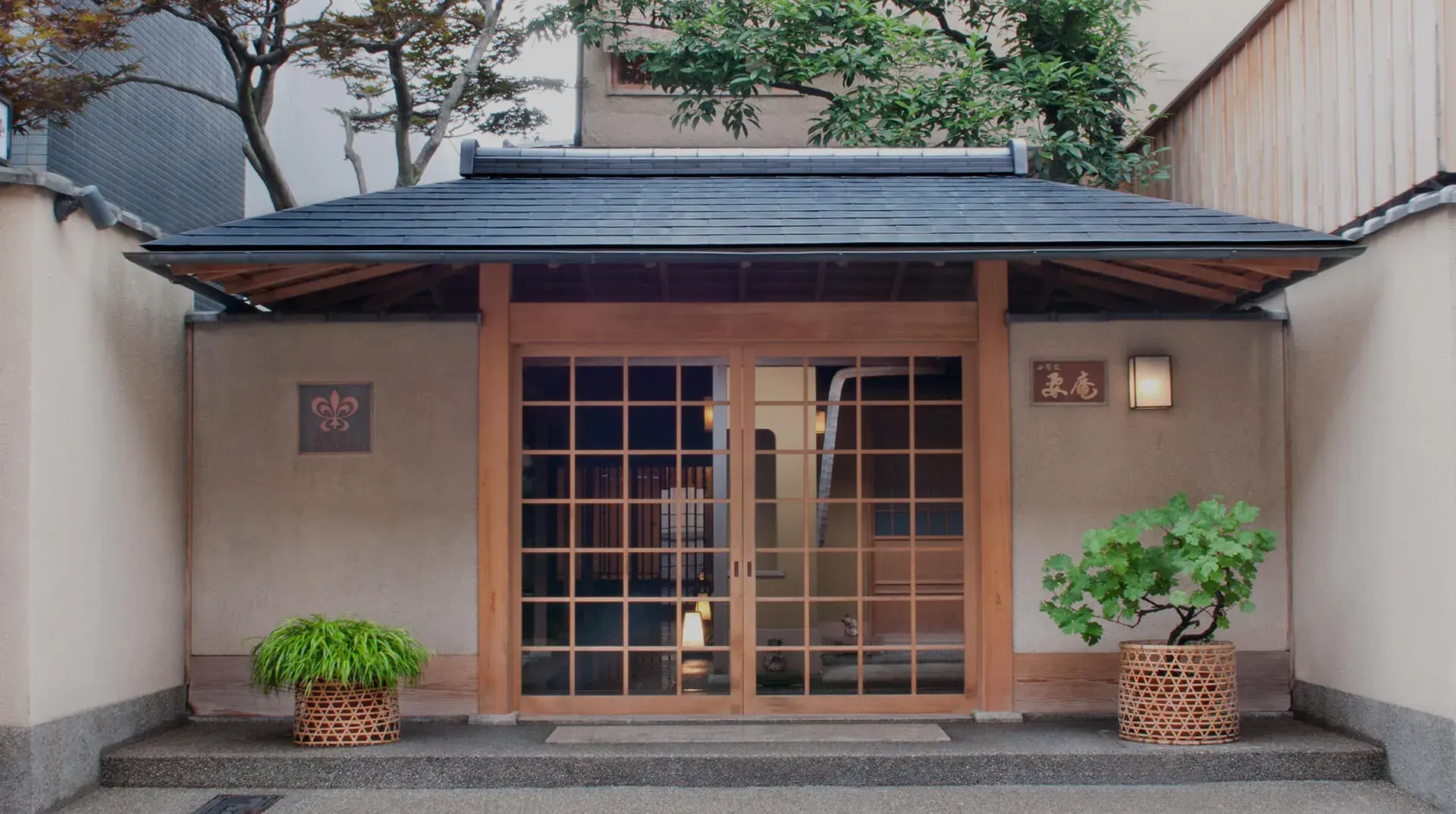
The service is personal: at Kofuyuden Beniya you can check in and out in your room; at Tsuruko you are served matcha and a sweet in the tea room on arrival. Our guides to kaiseki and private onsen say more. What you give up is the freedom a hotel takes for granted.
What a hotel gives you
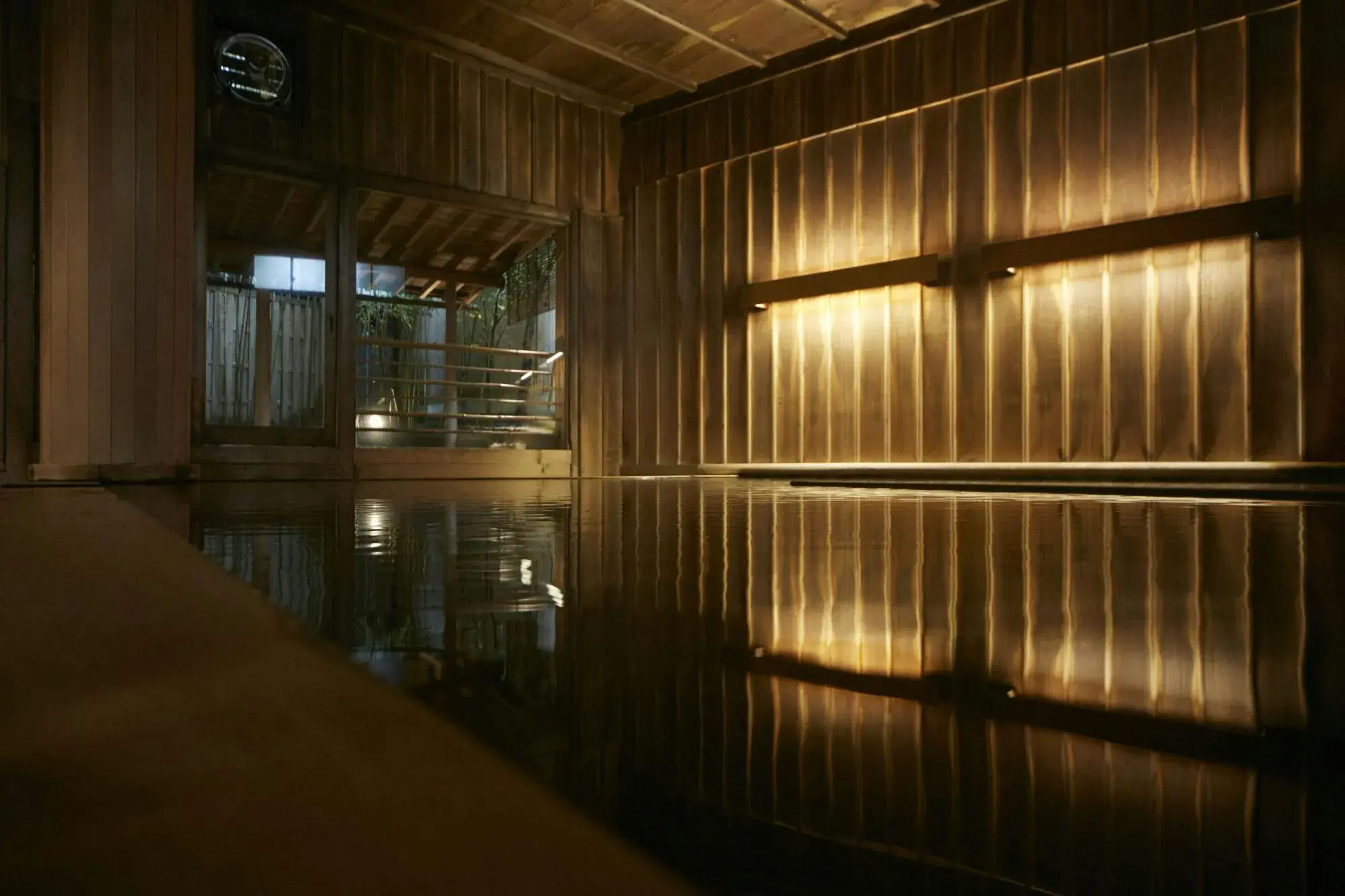
A hotel gives you the night back. Dinner is not part of the stay at most of the city hotels on our list: the Palace Hotel Tokyo has ten restaurants and bars, and you are as free to book a sushi counter across town. Check-out is often 12:00, where a ryokan's is usually 11:00 and sometimes earlier: 10:00 at Fujiya Inn and Ryokan Yoyokaku.
You sleep in a bed and come and go at any hour. The line has blurred from the hotel side too: Suiran in Arashiyama gives 17 of its 39 rooms an open-air hot-spring bath, and HOTEL THE MITSUI KYOTO draws its own spring for its Onsen Suites.
The differences, point by point
Set side by side, they differ in five ways.
- The bath: at a ryokan usually a hot spring, shared or in the room; at a city hotel usually a bathtub, with a few exceptions
- Dinner: at a ryokan one set kaiseki, included and served at a fixed hour; at a hotel whatever and wherever you like
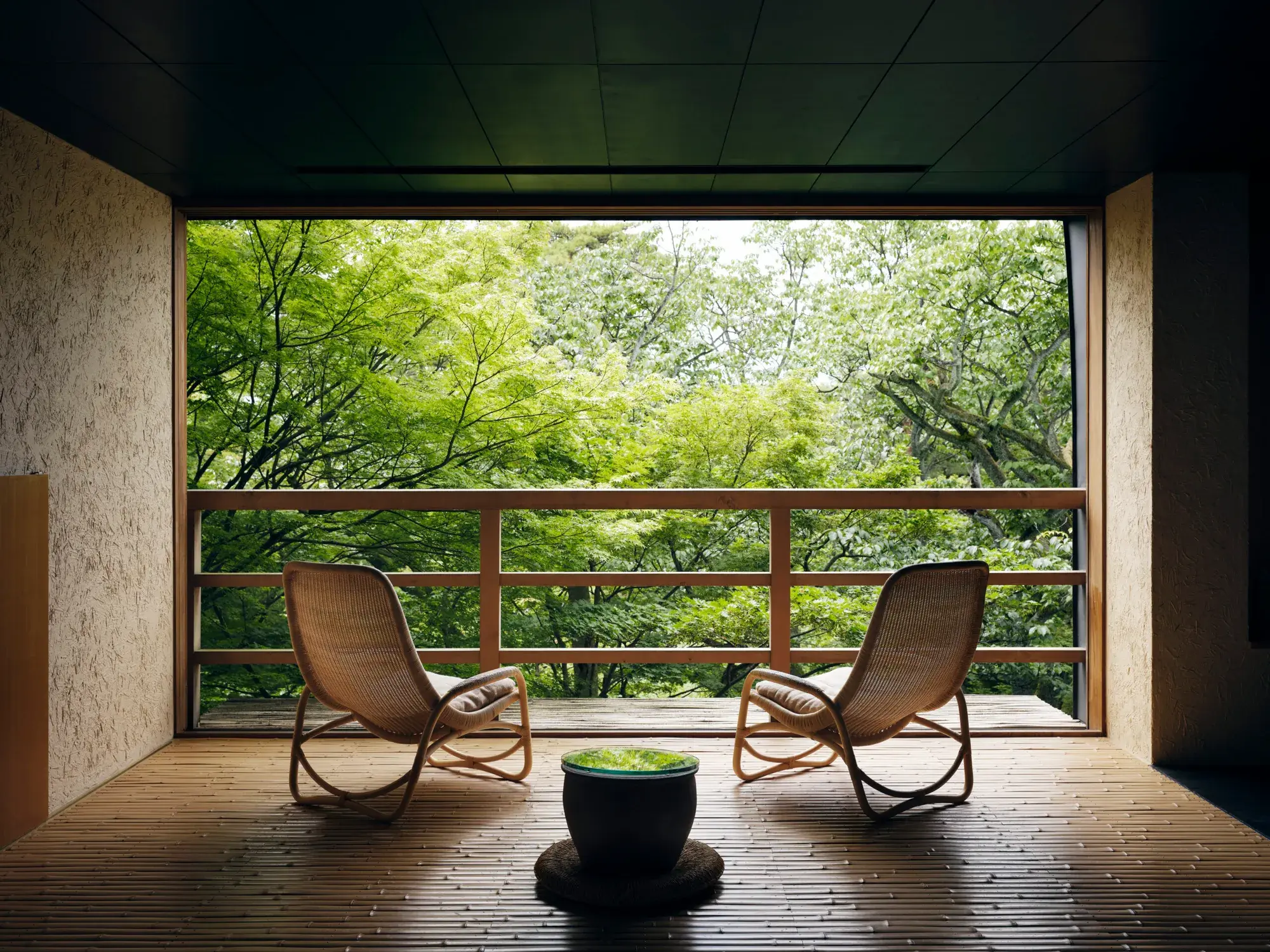
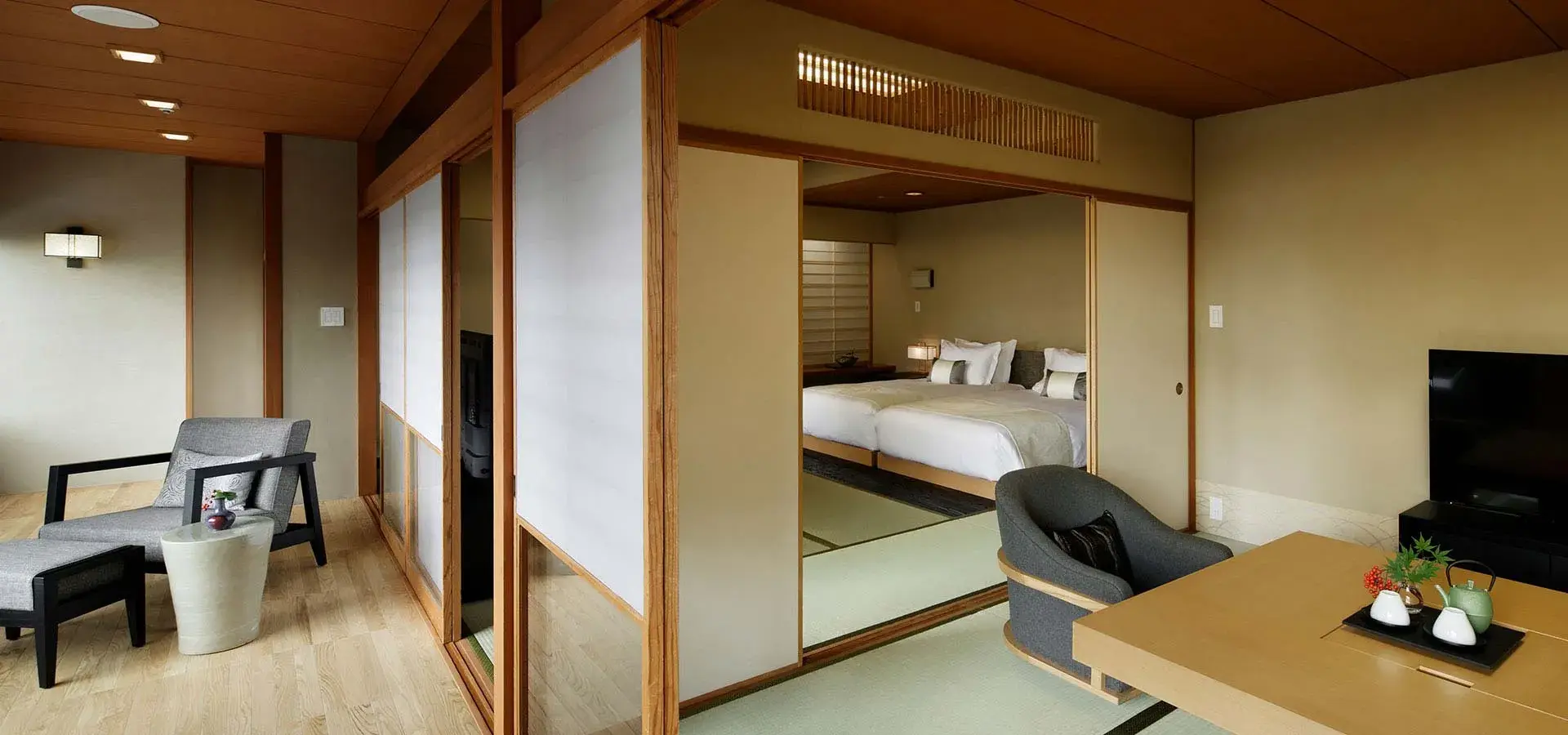
- The room: tatami, a low table and futons laid at night, against beds and chairs
- Privacy: staff come into a ryokan room to serve dinner and lay bedding; a hotel room is yours once the door shuts
- Times: most ryokans want you in by about 18:00 and serve dinner between about 17:30 and 19:30; Tawaraya serves no dinner to guests arriving after 18:30, and late check-out is not offered at Araya Totoan or The Hiramatsu Atami
Who each suits
A ryokan suits anyone who wants one unhurried night with nothing to plan, and anyone who has come to Japan partly to eat. A hotel suits those who move every day, eat late, find the floor hard or want a different restaurant each night. In Tokyo, where the evening is the city itself, a hotel is usually the better choice; in Hakone, Izu or Kaga, where there is little to do after dark but bathe and eat, the ryokan wins.
Splitting a trip between them
The usual pattern is a hotel in the city and one or two nights at an inn between cities: Tokyo, then Hakone; Kyoto, then the Kaga hot springs. One night gives you the whole ritual; two let you rest, though check the dinner. At Tsuruko a second night brings the same menu and the inn suggests eating out in Kanazawa instead, while at Naoshima Ryokan Roka the menu changes each night.
Inns that sit between the two
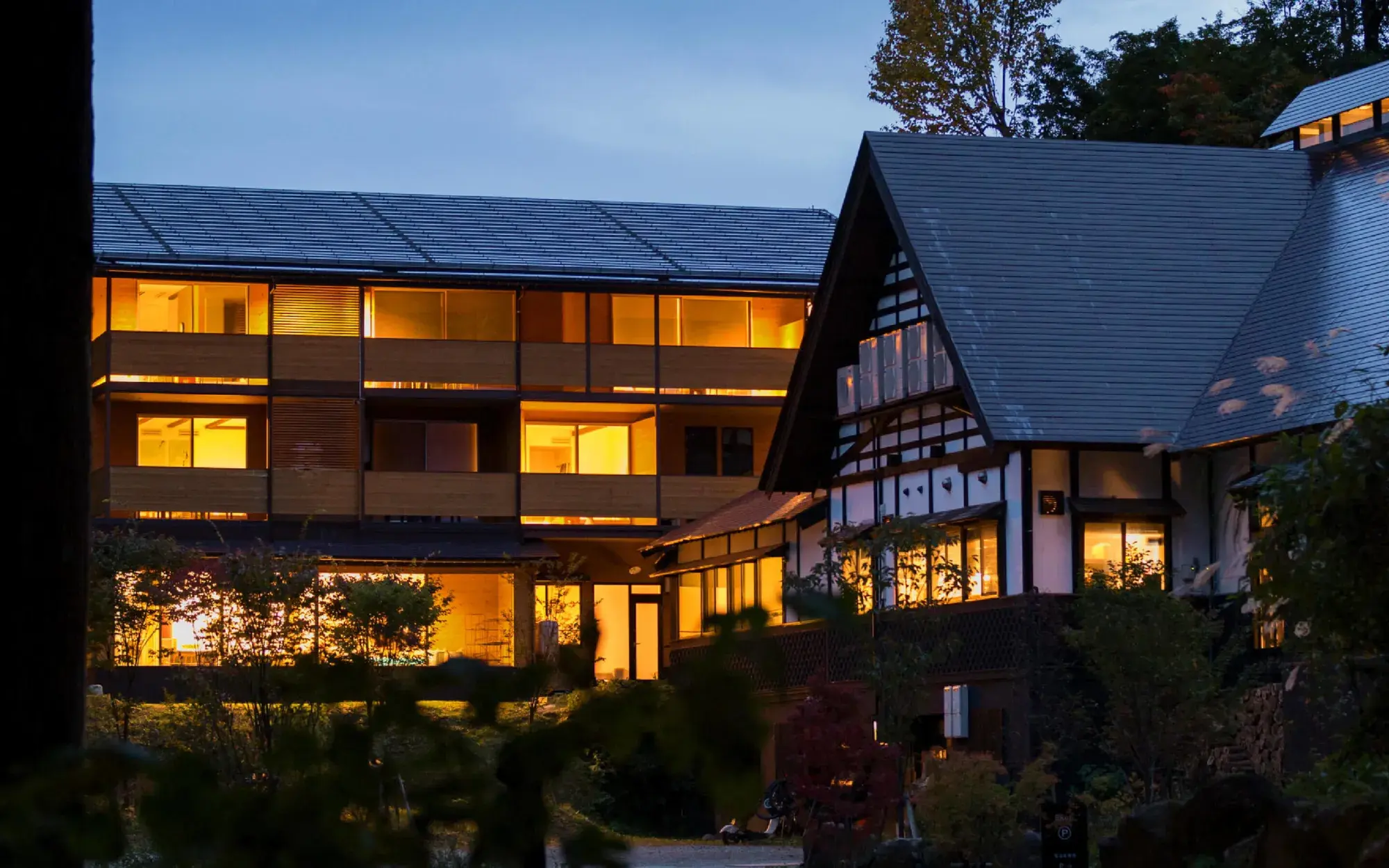
If you want the bath without all the ritual, some inns on our list meet you halfway. Some auberges serve a restaurant dinner rather than kaiseki: The Hiramatsu Atami a French tasting menu in a sukiya-style house with a hot-spring tub in every room, Arcana Izu a French set menu above the Kano river. At Satoyama Jujo, staff do not come into the rooms after showing you in.
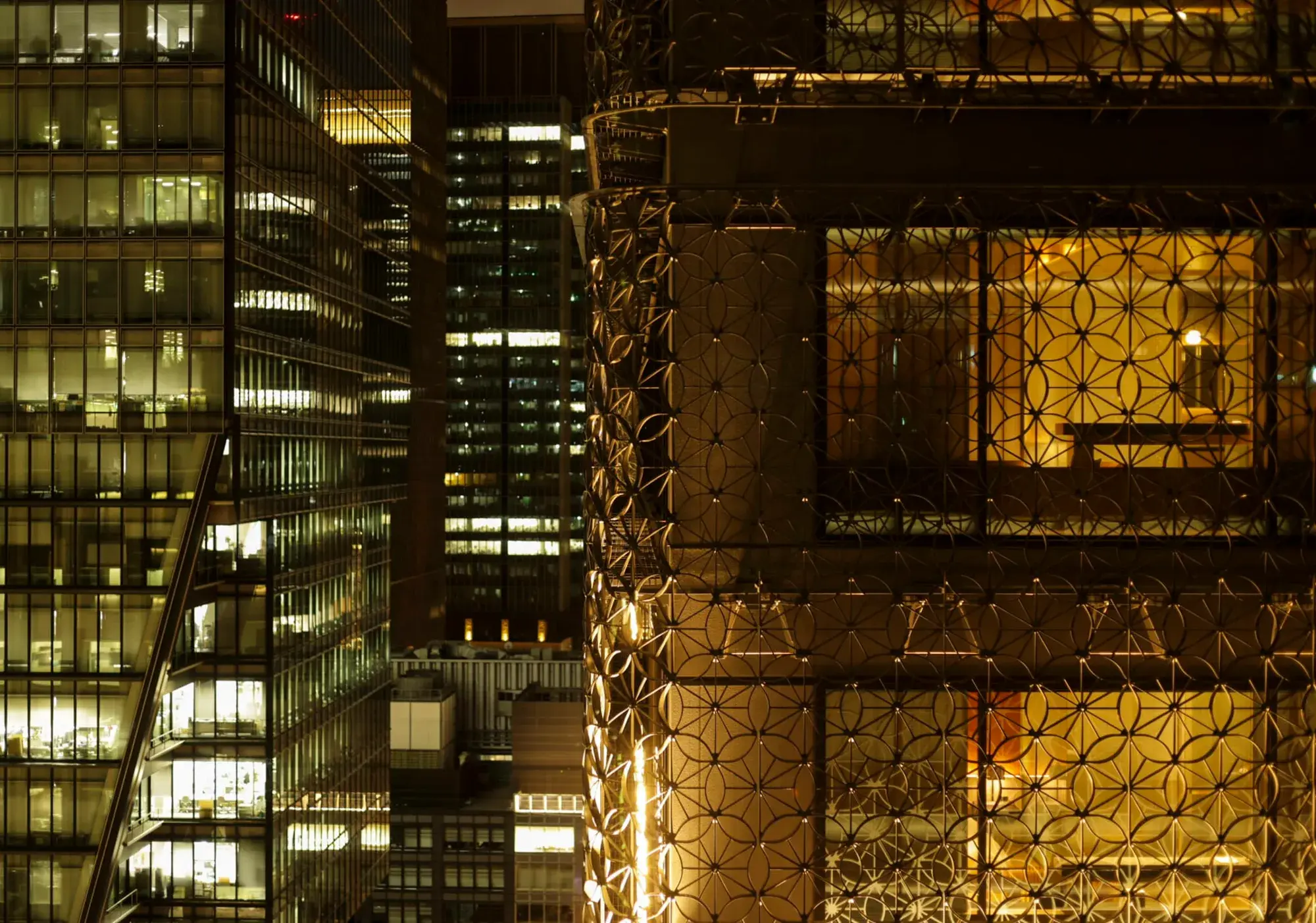
Others keep the tatami and add a hotel's comforts. Beniya Mukayu has beds in all but four rooms, Ryokan Kurashiki in all but one and room service until 23:00. At Takanawa Hanakohro, a 16-room ryokan inside the Grand Prince Hotel Takanawa, residents choose among the estate's restaurants or order in-room dining, and Hoshinoya Tokyo is a ryokan in an Otemachi tower, with dinner booked separately. Breakfast need not be fish and rice: Gora Kadan and Nishimuraya Honkan offer Japanese or Western, Kanamean Nishitomiya a Continental one.