Why ten rooms is a useful line
Since 2018 Japanese law has licensed ryokan and hotels under a single category, ryokan-hotel business, so the word on the sign says nothing about how a place is run. Size says more. At ten rooms or fewer an inn tends either to serve each room in private or to seat everyone at one counter, and both change the evening.
Our list has twenty inns of that size, from the single house of Ninnaji Shorinan to the ten rooms of Asaba.
What changes when an inn is that small
Dinner is fitted to your room rather than to a sitting. At Asaba a private server brings the kaiseki to the room, starting when you choose between 18:00 and 19:00; at Suimeiso, the seven-room annex of Wataya Besso, a cook who works only for those seven rooms serves it; each of Tsuruko's four suites has its own dining room, where the kaiseki comes straight from the kitchen. At Ryokan Kurashiki, on a plan of two nights or more, the okami (the woman who runs the house) chooses a Kurashiki restaurant for the nights after the first.
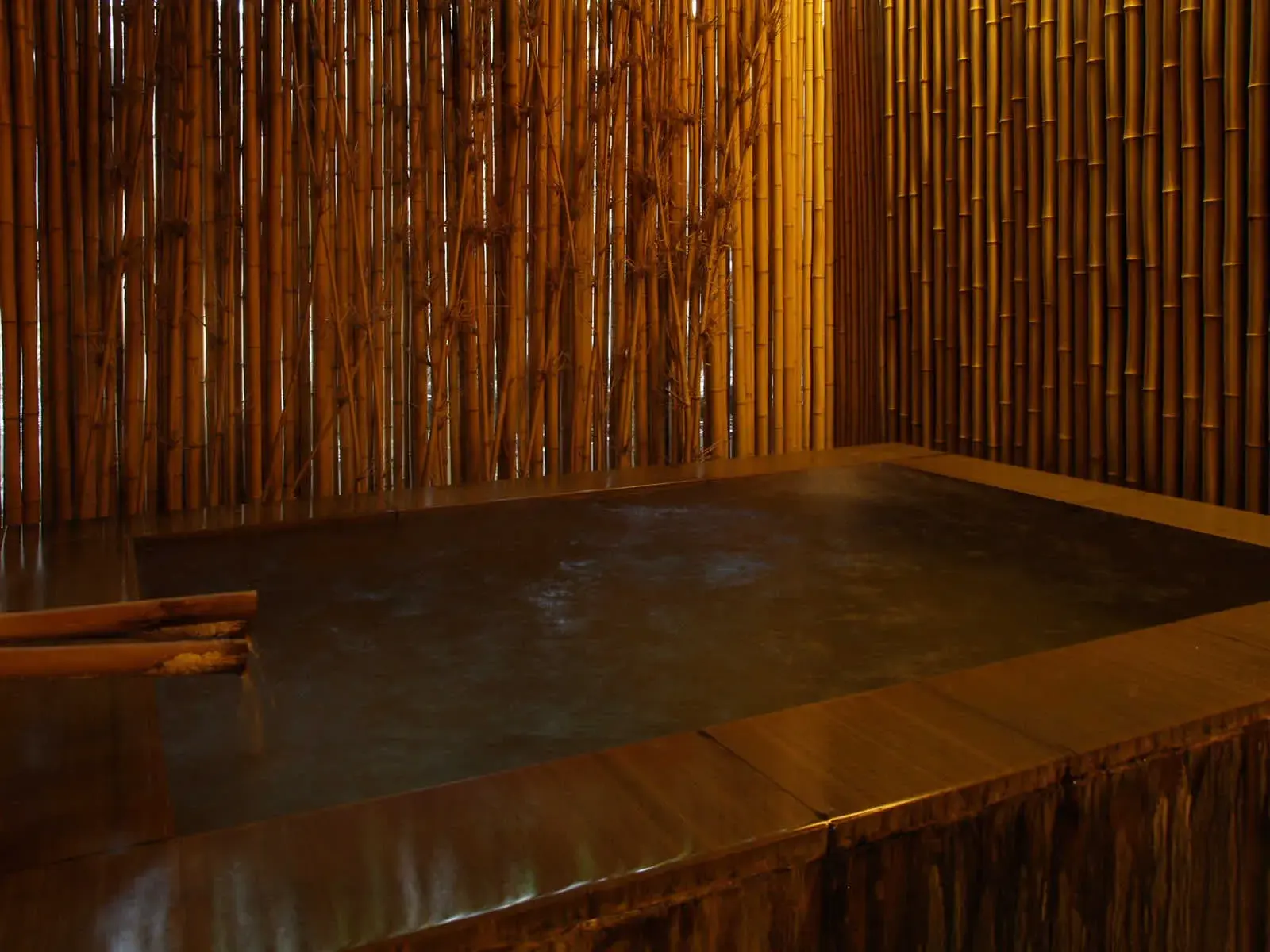
The baths empty out. Fujiya Inn has no shared bath at all: its eight rooms share five private hot-spring baths, each taken alone or as a couple whenever it is free, day and night. Kinnotake Sengokuhara gives each of its nine rooms an outdoor bath of milky Owakudani water and keeps guests from crossing paths inside the inn.
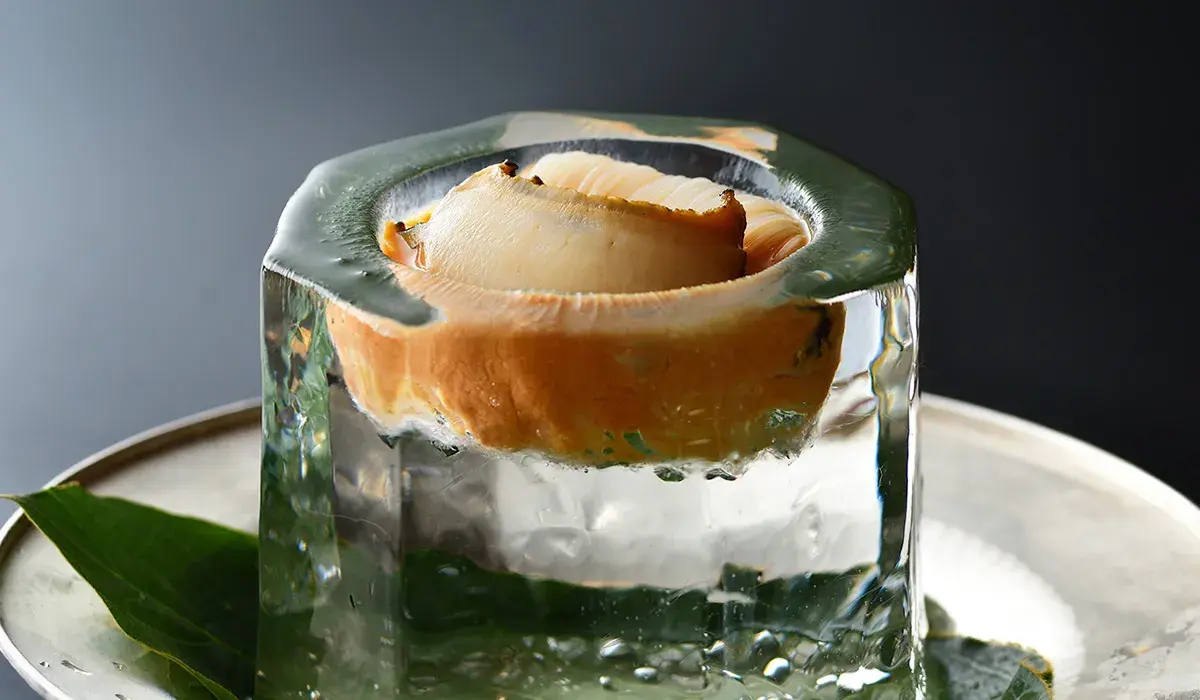
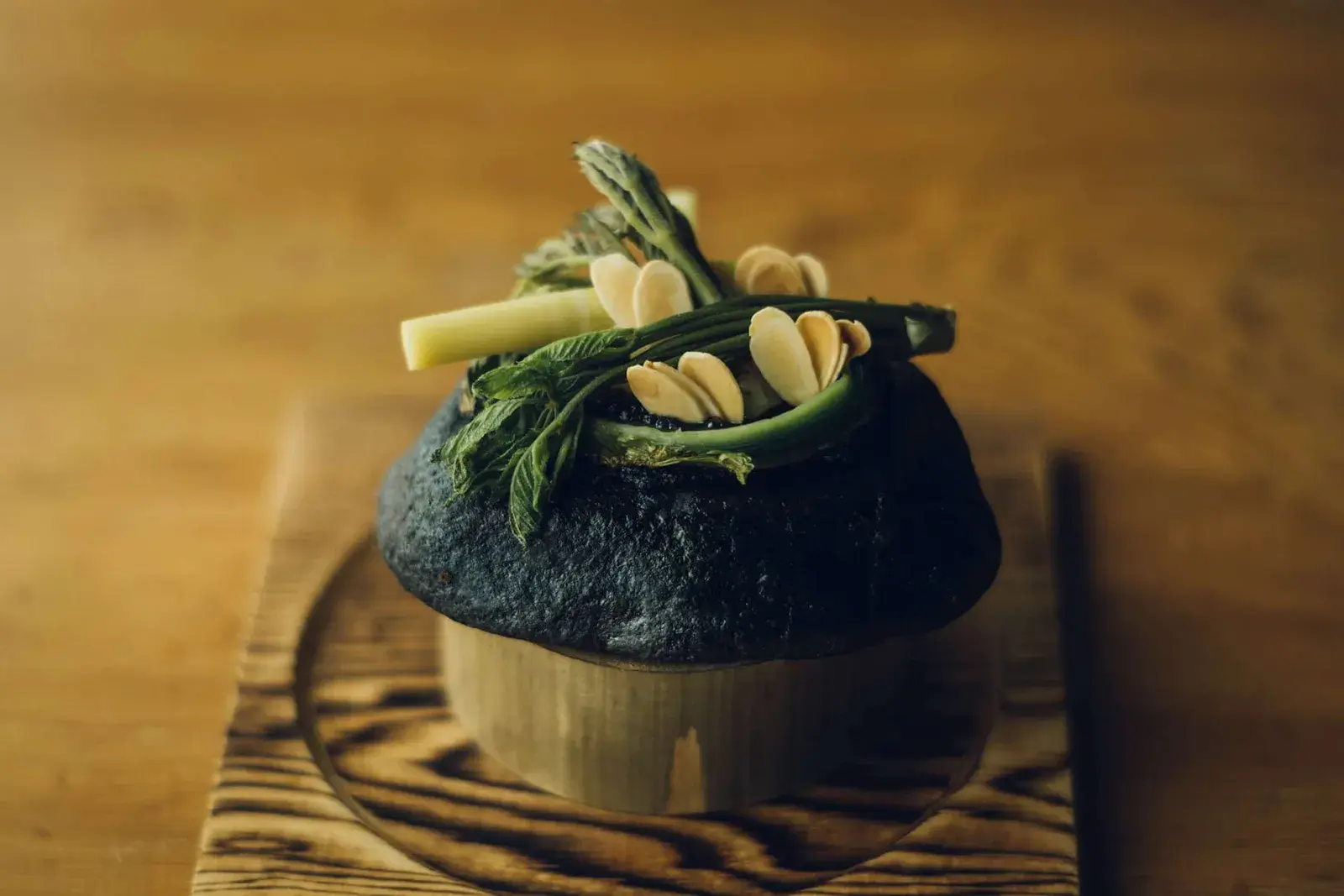
And the kitchen buys for a handful. Tsukihitei's chef chooses from each day's deliveries for five houses; Miyamasou, four rooms in the Hanase hills, cooks wild plants its chefs gathered that day.
The trade-offs
Times are the kitchen's, not yours, wherever everyone eats together. Onyado Fukuchiyo seats the guests of all four houses at a counter of six at 17:00, and late arrivals may get fewer dishes; at Hitotsu Notojima all six rooms start the sushi course at 18:30. Small inns also close: Fukuchiyo on Mondays and Tuesdays, Auberge Tokito on Tuesdays and Wednesdays, Miyamasou on several days a month, and neither Miyamasou nor Fukuchiyo takes a second night.
Fewer rooms means fewer nights to go round. Fujiya opens bookings 150 days ahead at midnight Japan time, and popular dates fill within 30 minutes; Fukuchiyo opens four months ahead. Facilities thin out too: Miyamasou's rooms have no bath, only two family baths offered to each room in turn; Hitotsu has no hot spring; Fukuchiyo has no staff on site from 21:00 to 7:30; Tsukihitei has no foreign-language staff.
A small inn or a small hotel?
Room count alone will not tell you. Look at where dinner is served, whether staff come to your room, and what you may wear to the table. Simose Art Garden Villa has ten villas but serves dinner in a 50-seat French restaurant with no room service; The Hiramatsu Kashikojima has eight rooms, a French dining room and a rule against room slippers and pyjamas at dinner; Kanshukuen Eshikoto serves dinner in its two restaurants, never in the villas. These are small hotels in the best sense, built around a kitchen.
The reverse also holds: Suimeiso's seven rooms sit inside a 102-room inn whose restaurants and spa its guests share, yet dinner is served as at a very small one. Our guide to choosing a ryokan or a hotel covers the wider choice.
The small inns on our list
Every inn on our list of ten rooms or fewer, by the room count in its record, grouped by how dinner is served.
On our list
Served to your party alone10
In the room, or a dining room used only by you.
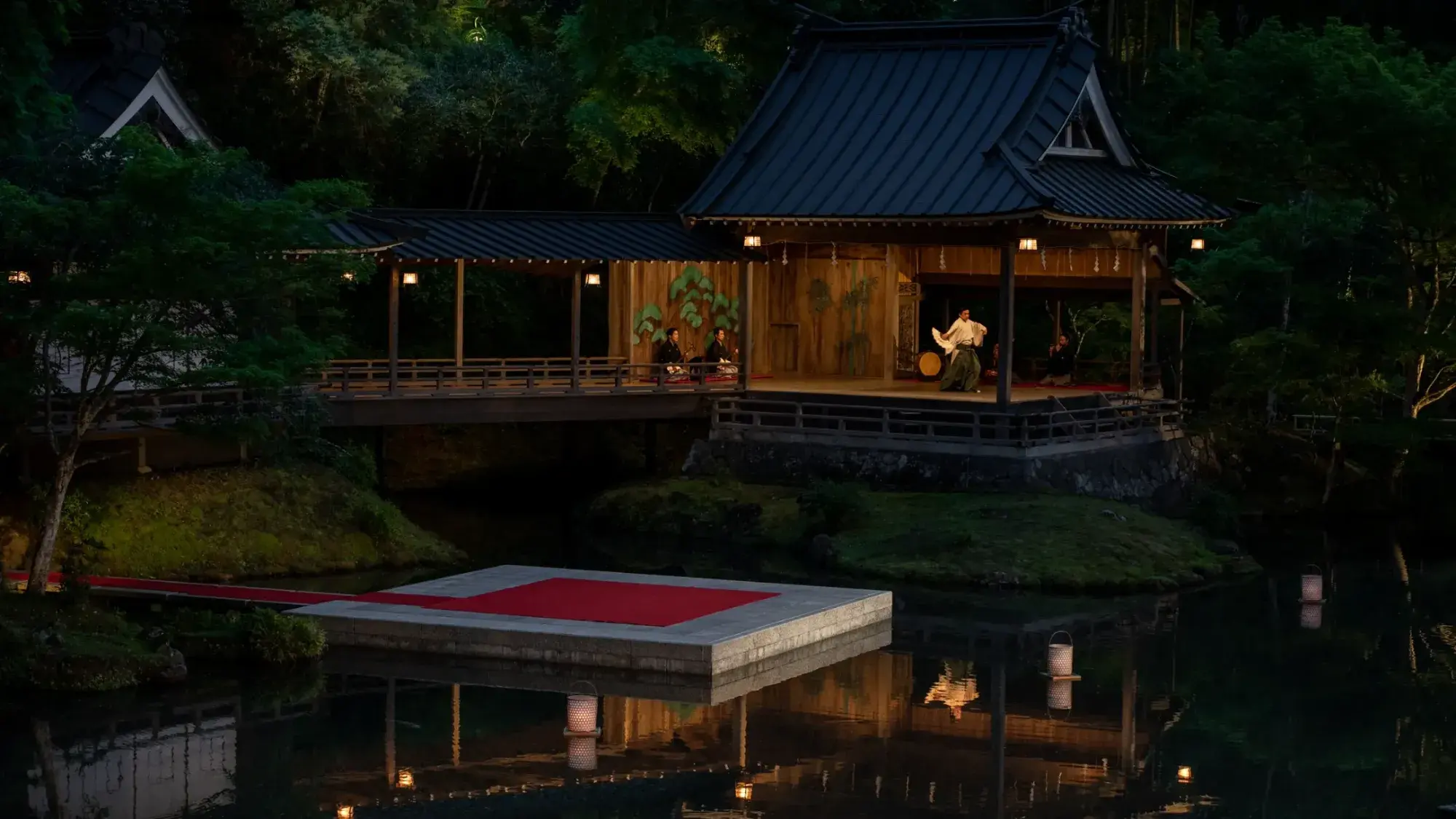 Asaba RyokanShuzenji, Izu
10 rooms; kaiseki in the room from a private server, starting between 18:00 and 19:00
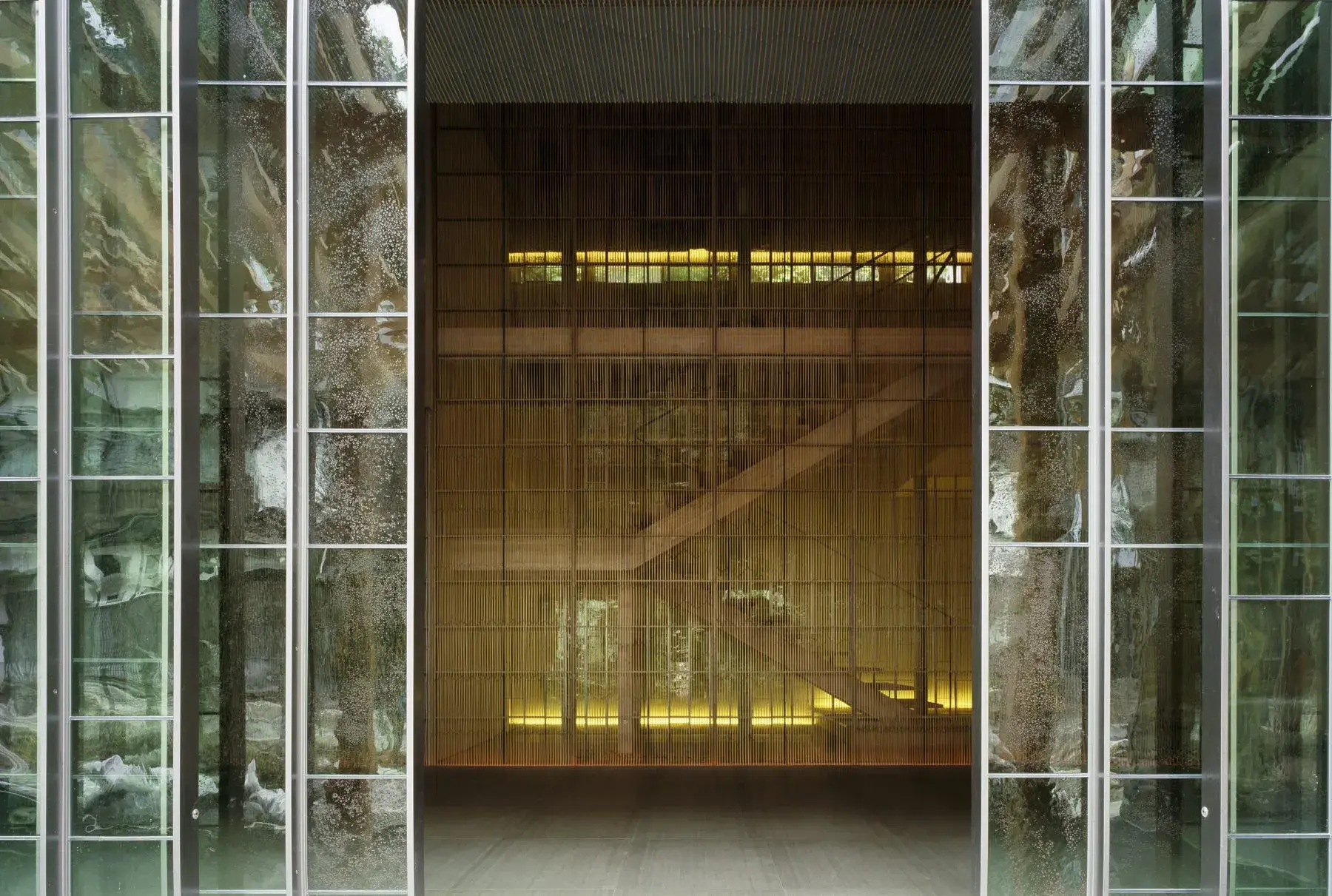 Fujiya InnGinzan Onsen, Obanazawa
8 rooms; kaiseki in the room, and five private hot-spring baths in place of a shared one
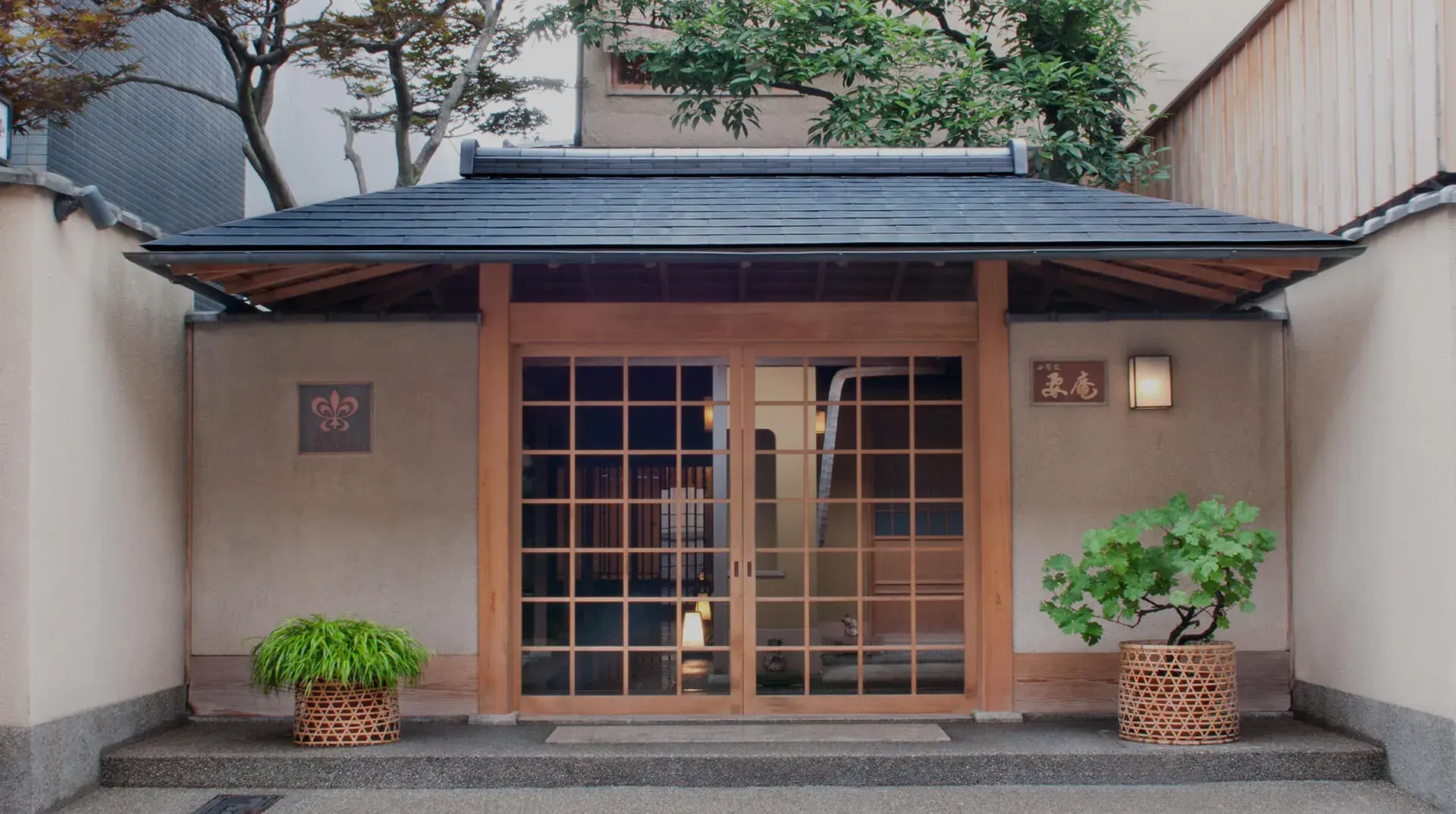 Kanamean NishitomiyaTominokoji-Rokkaku, Kyoto
8 rooms; kaiseki in a private dining room at table and chairs, or the six-seat counter Kaname
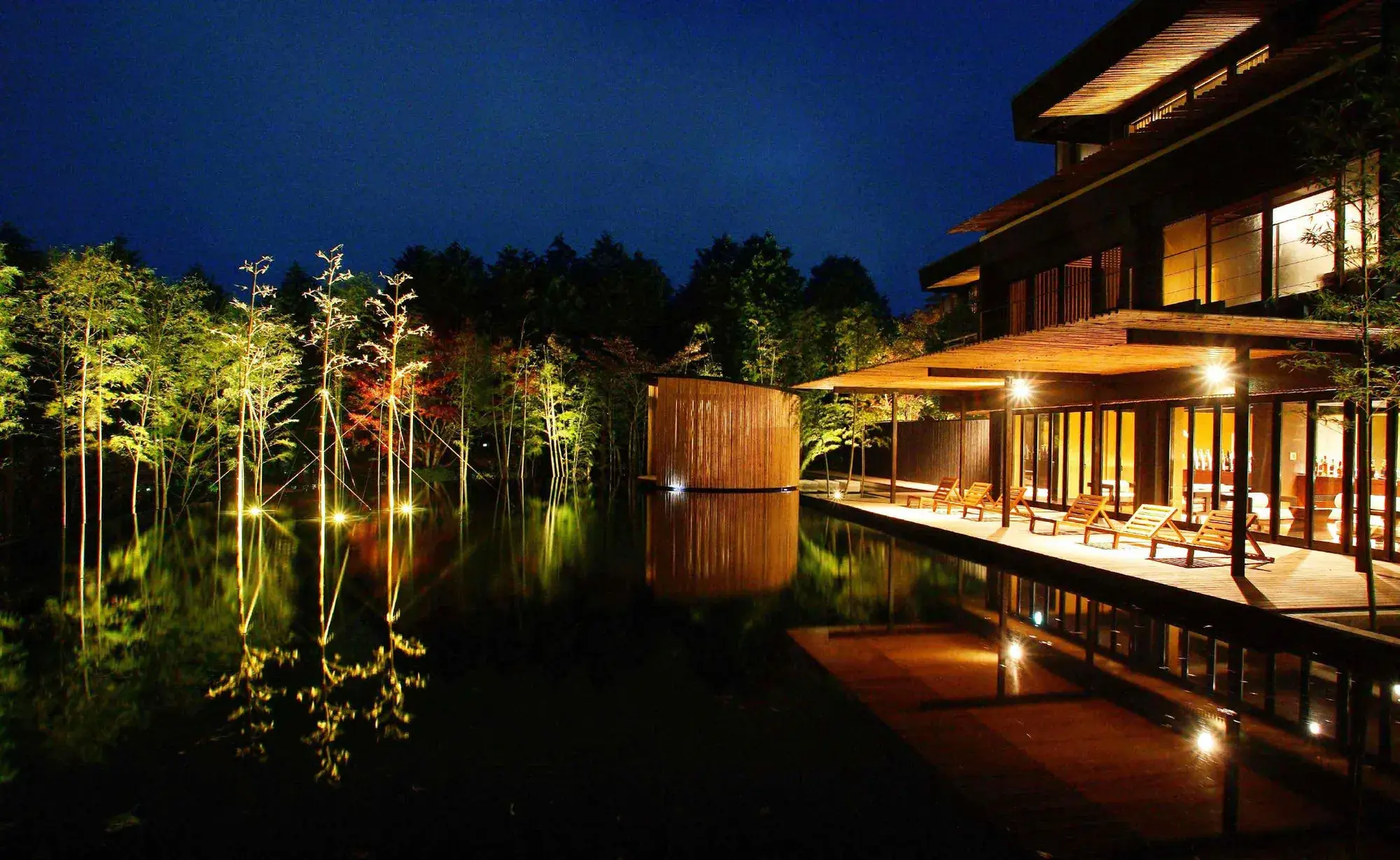 Kinnotake SengokuharaSengokuhara, Hakone
9 rooms; kaiseki course by course in the room, and guests kept from crossing paths
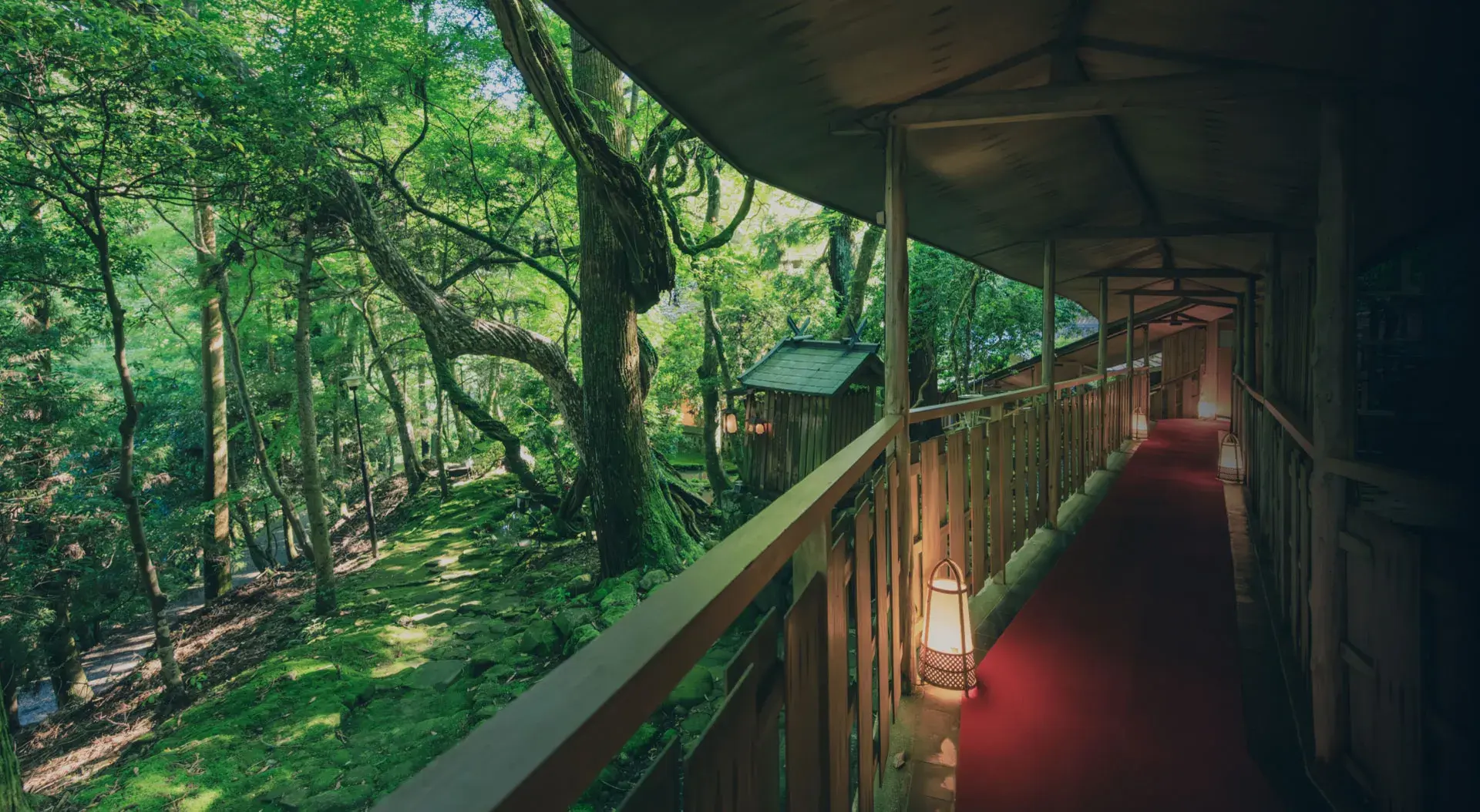 Nara Kasugaokuyama TsukihiteiKasugano, Nara
5 houses in the Kasugayama forest; kaiseki in the room or a private dining room, from the day's deliveries
The other 5
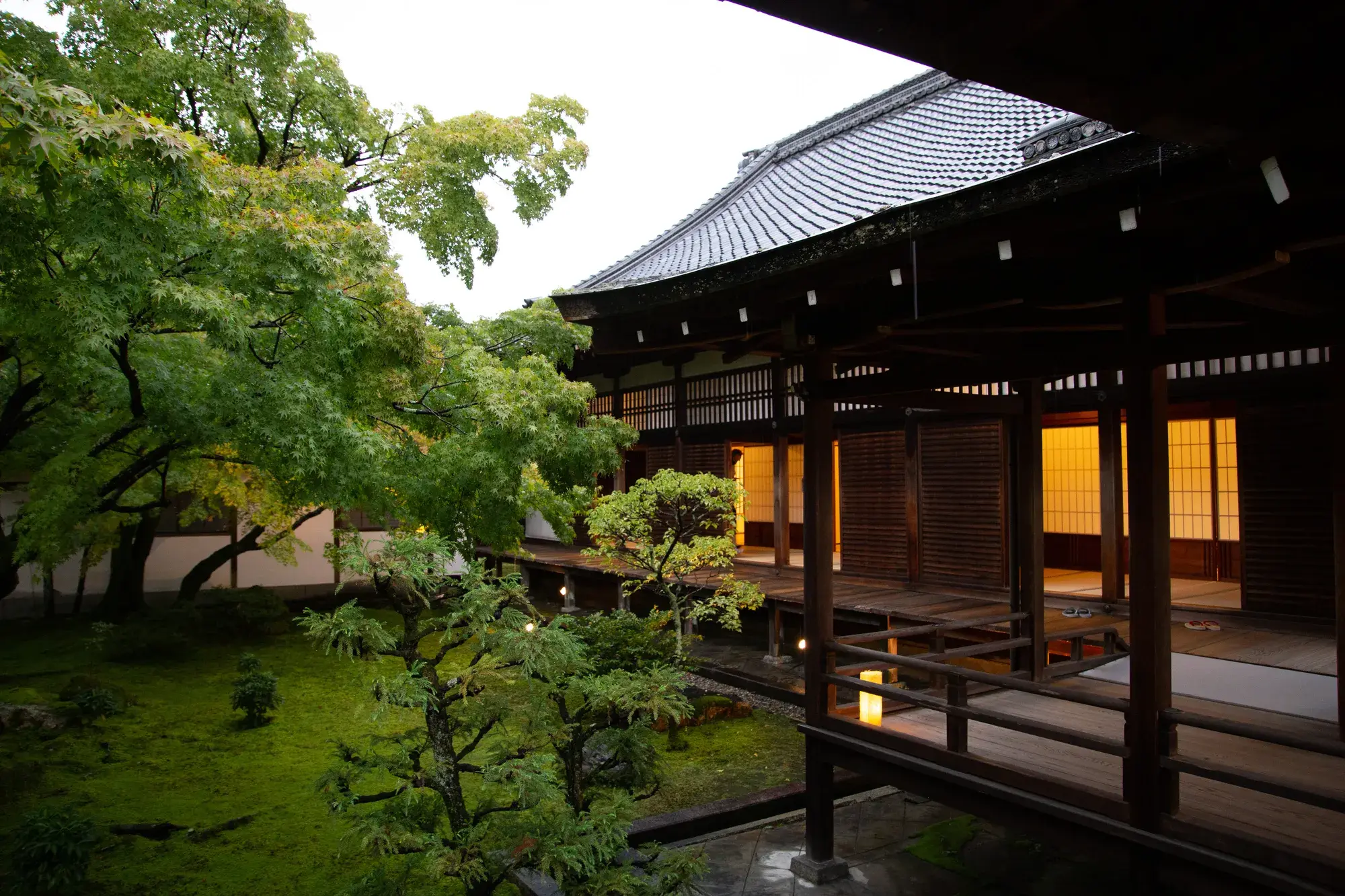 Ninnaji ShorinanOmuro, Kyoto
one house for two to four, with Ninna-ji's grounds to yourselves from 17:00 to 08:30
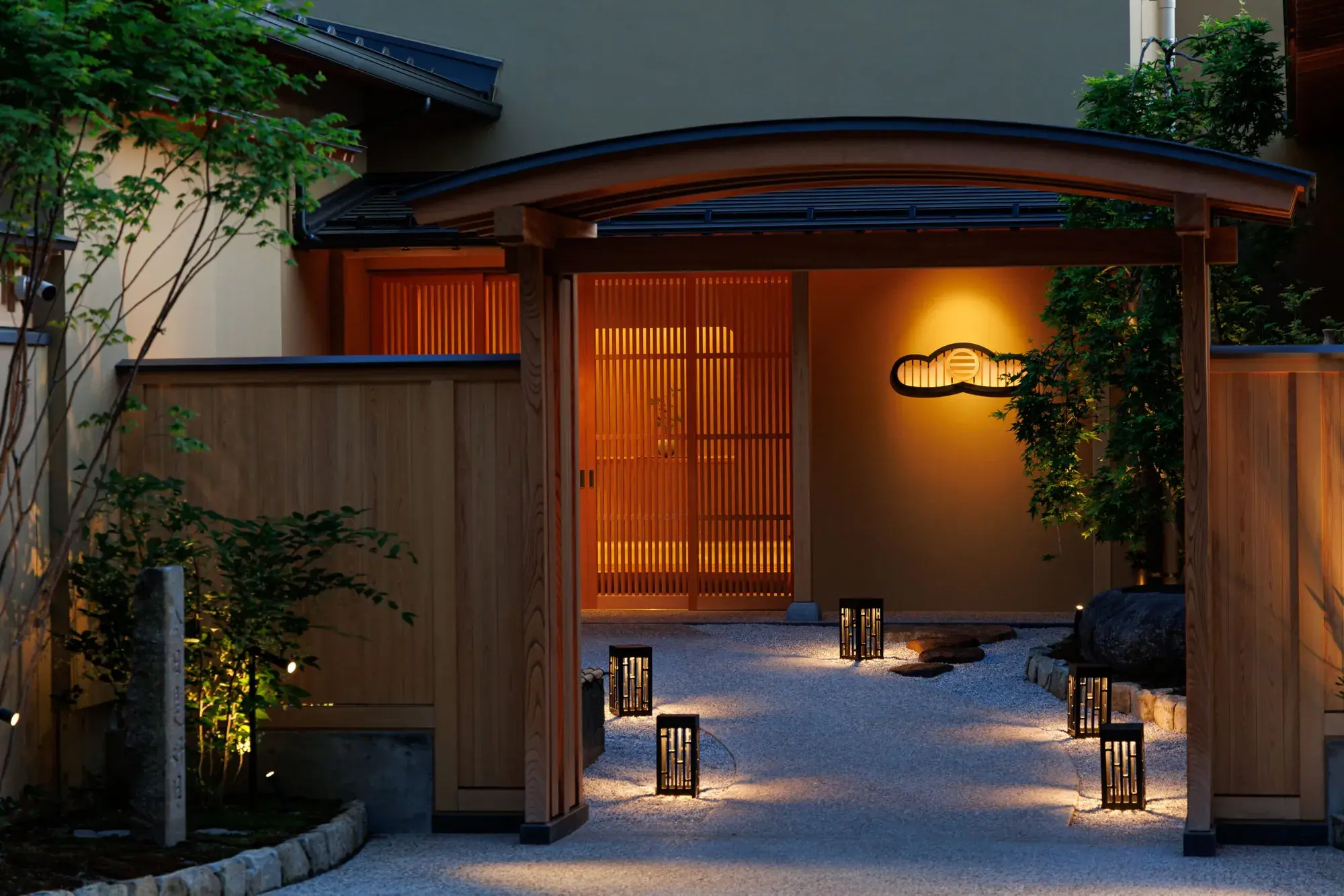 ShoraisoYudanaka Onsen
5 rooms; kaiseki in the room's own dining room in three of them, a private dining room in the other two
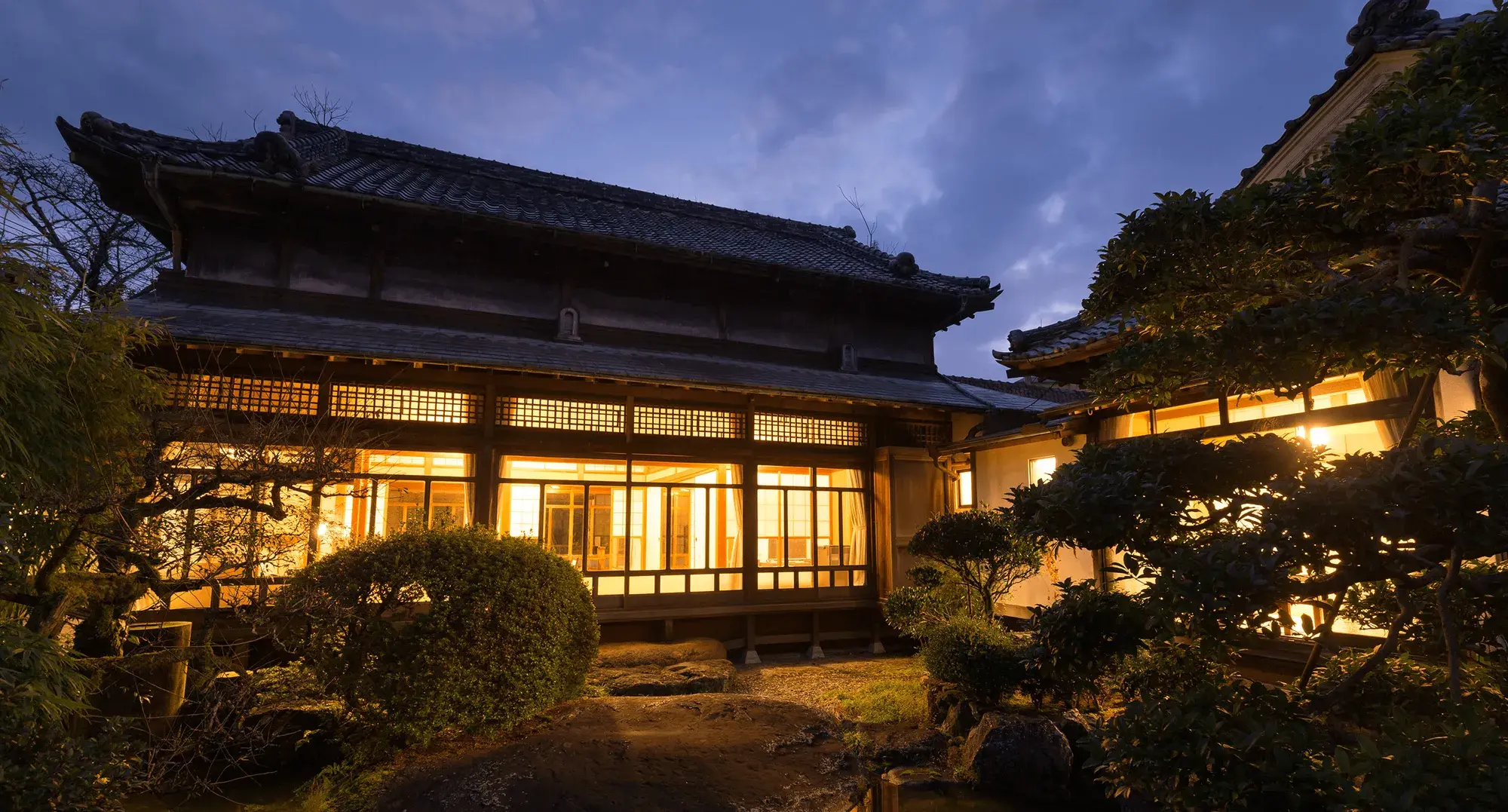 Suimeiso at Wataya BessoUreshino Onsen
7 rooms with a cook of their own, who serves the kaiseki in the room
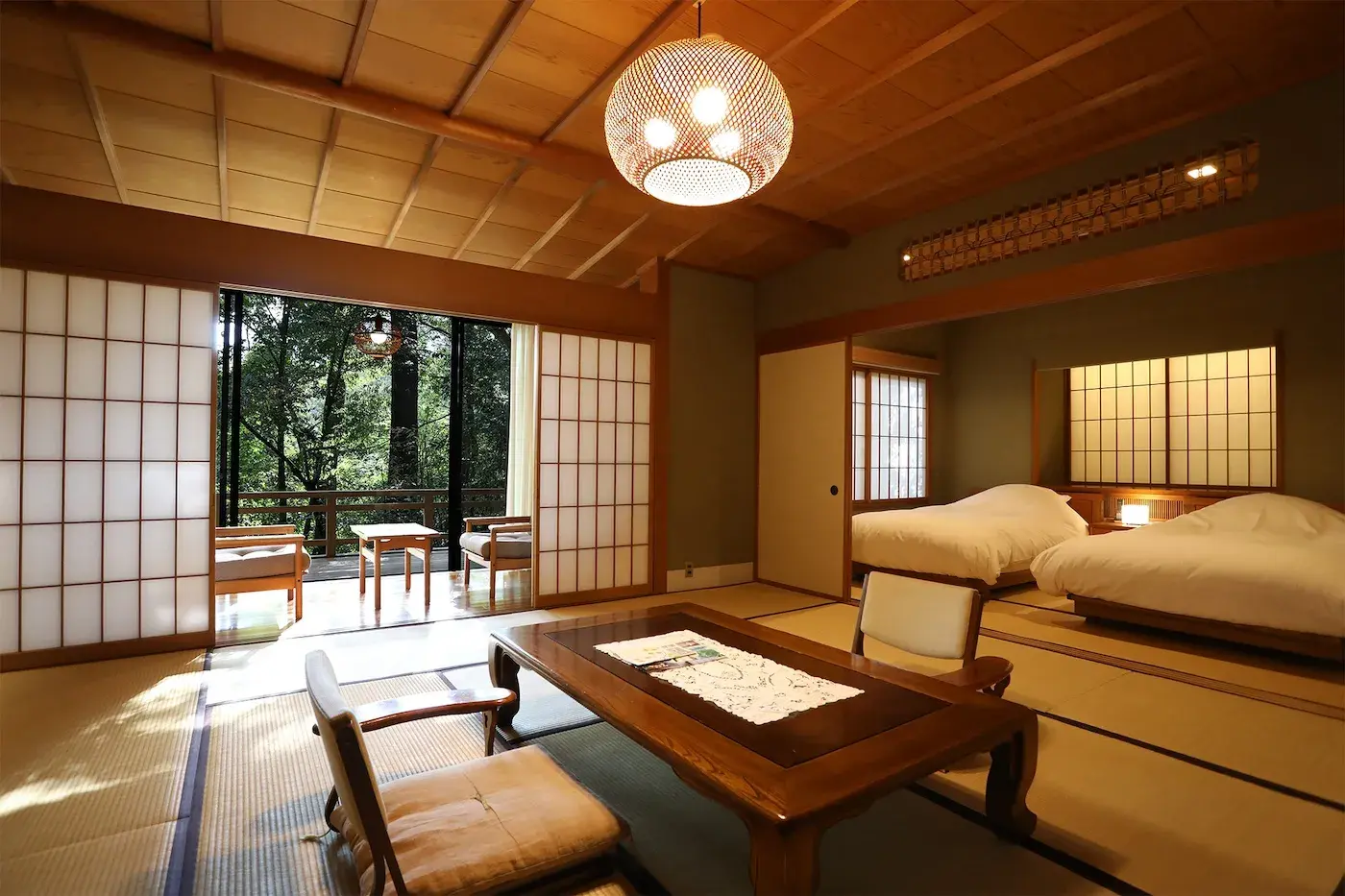 The KayoteiYamanaka Onsen, Kaga
10 rooms on about 33,000 sq m of its own forest; kaiseki in private tatami dining rooms
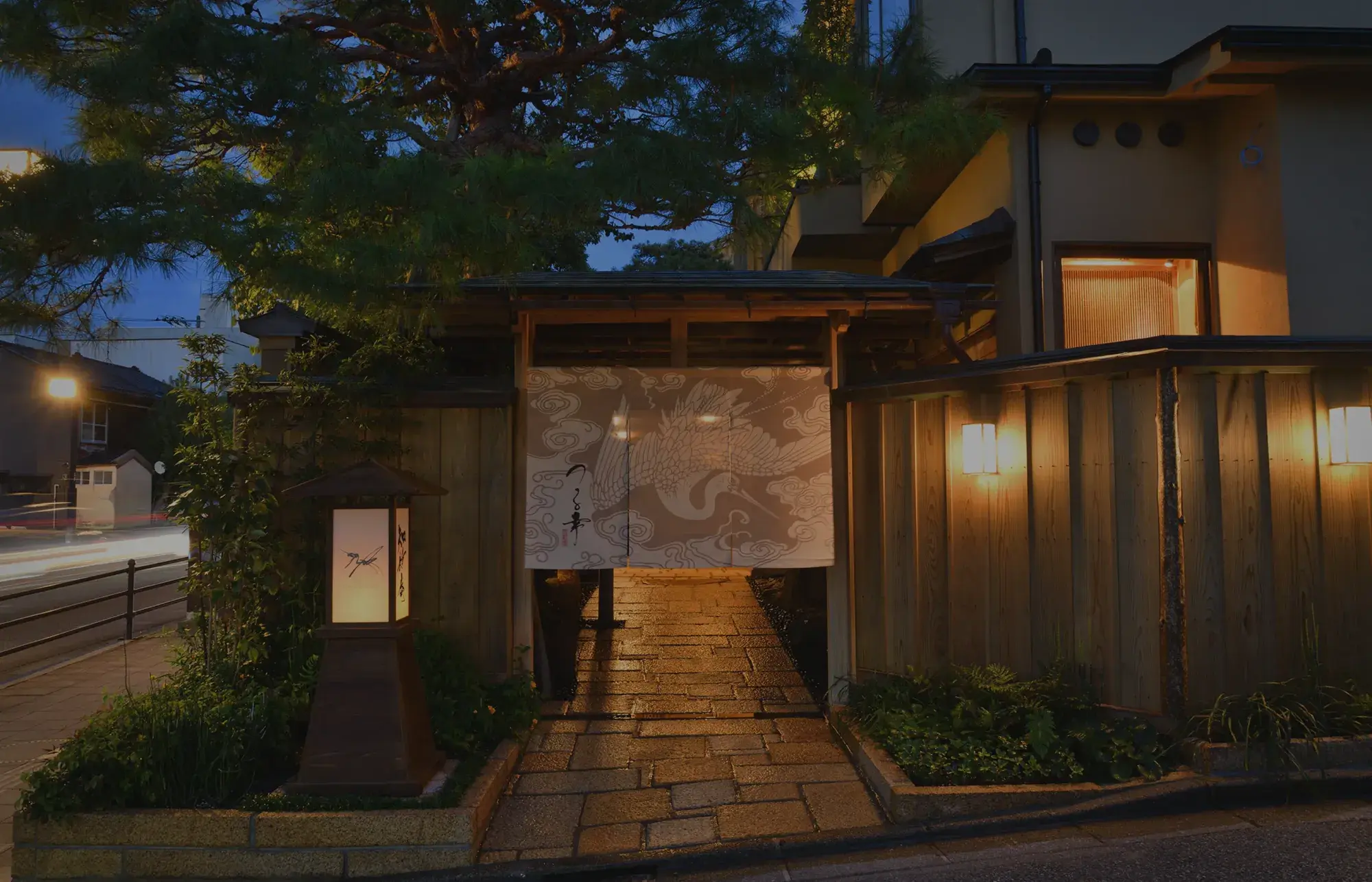 TsurukoTakaokamachi, Kanazawa
4 suites, each with a dining room where the kaiseki comes straight from the kitchen
At a counter or table with the other guests8
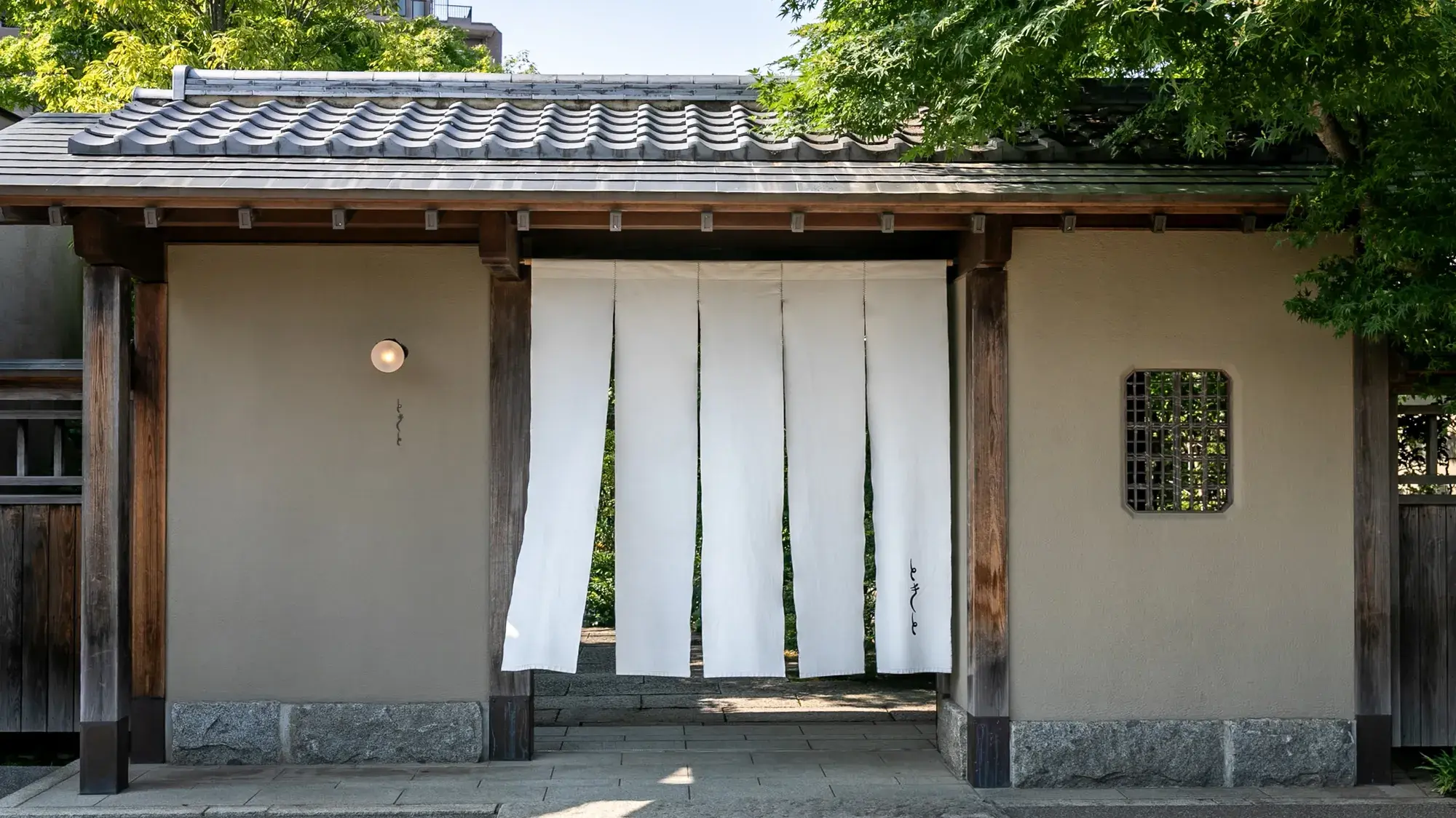 Auberge TokitoNishikicho, Tachikawa
4 suites; dinner at tables or a ten-seat counter where staying guests have priority
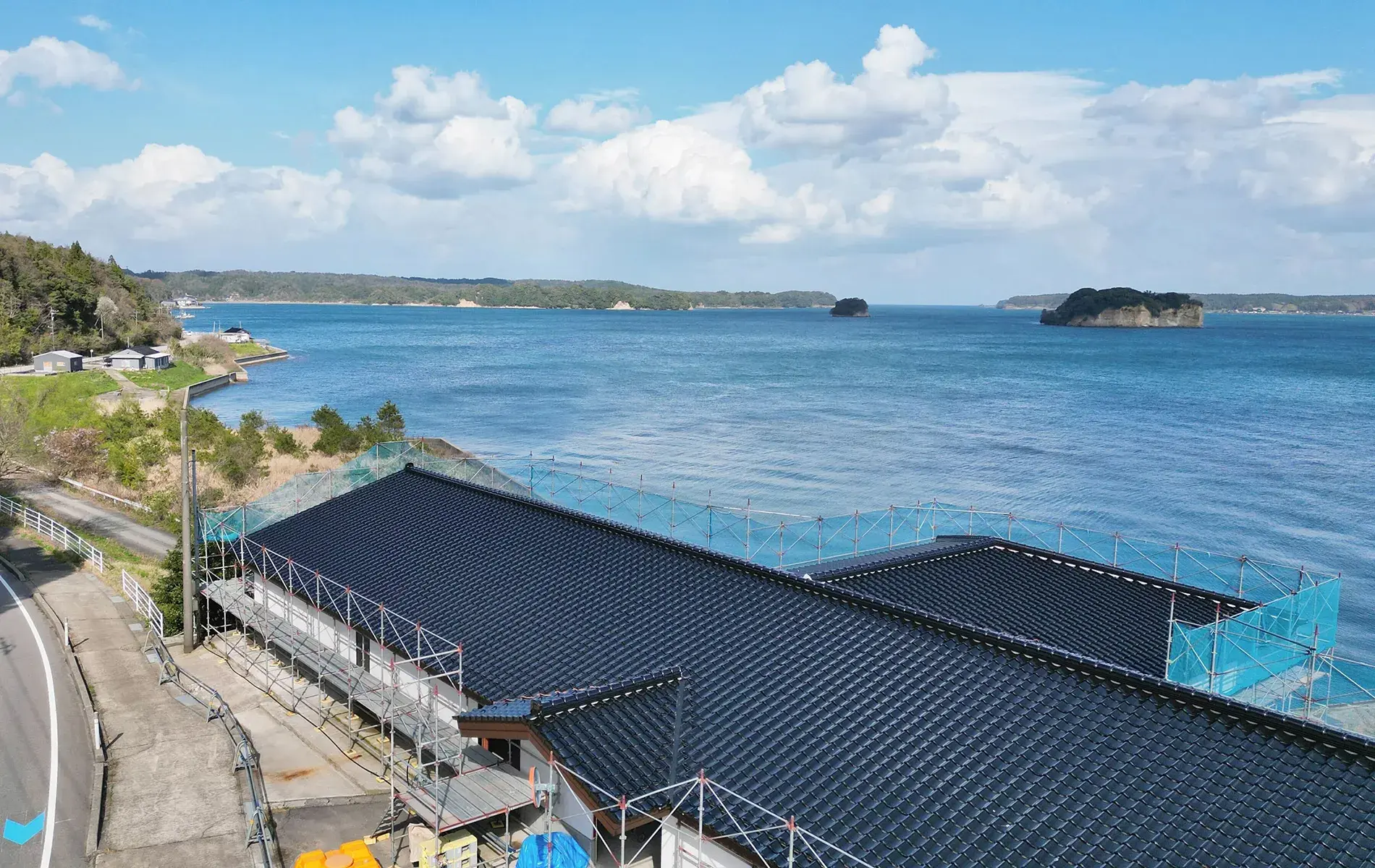
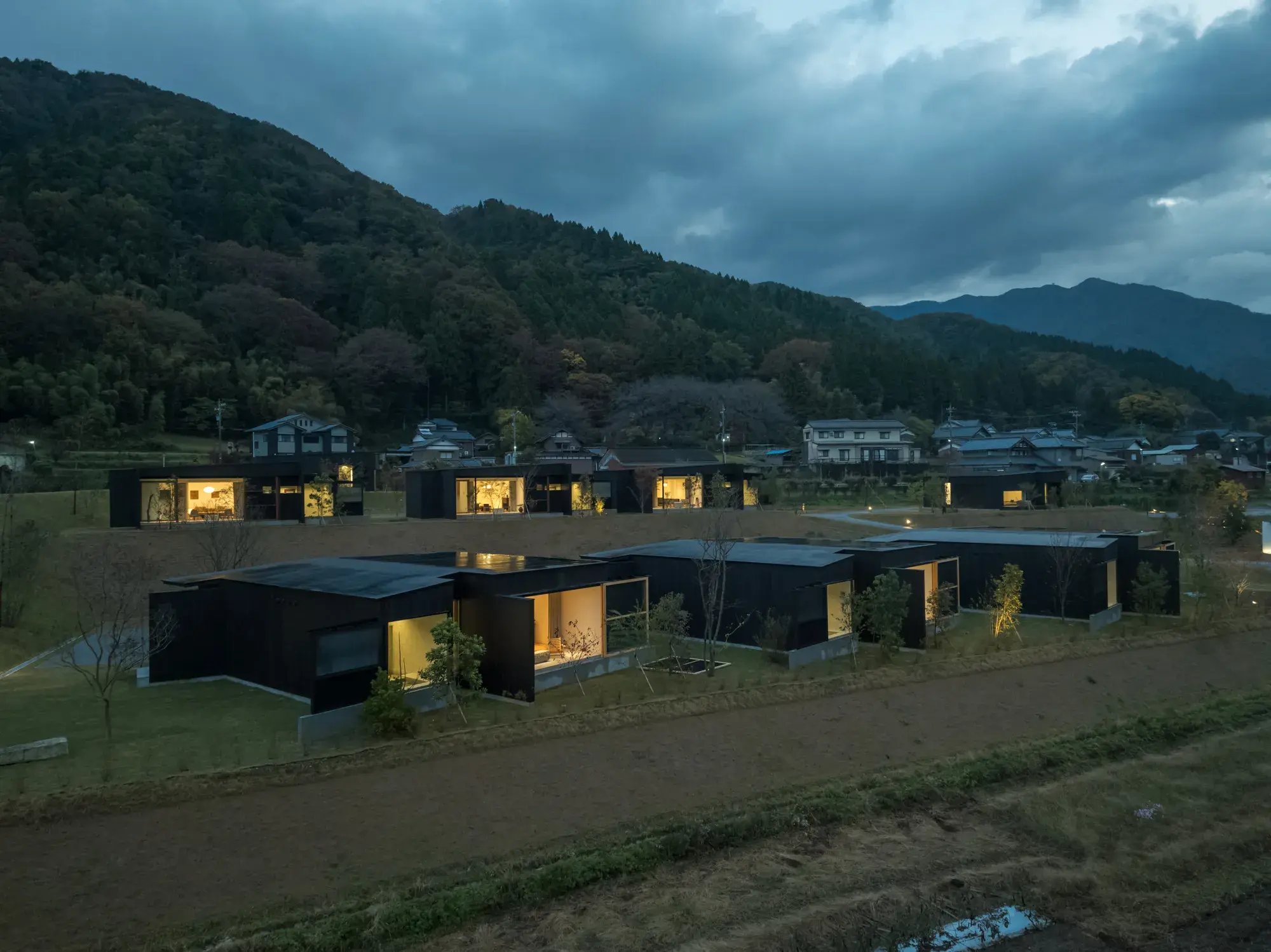 Kanshukuen EshikotoShimojohoji, Eiheiji
9 villas; dinner in one of two restaurants, never in the villa
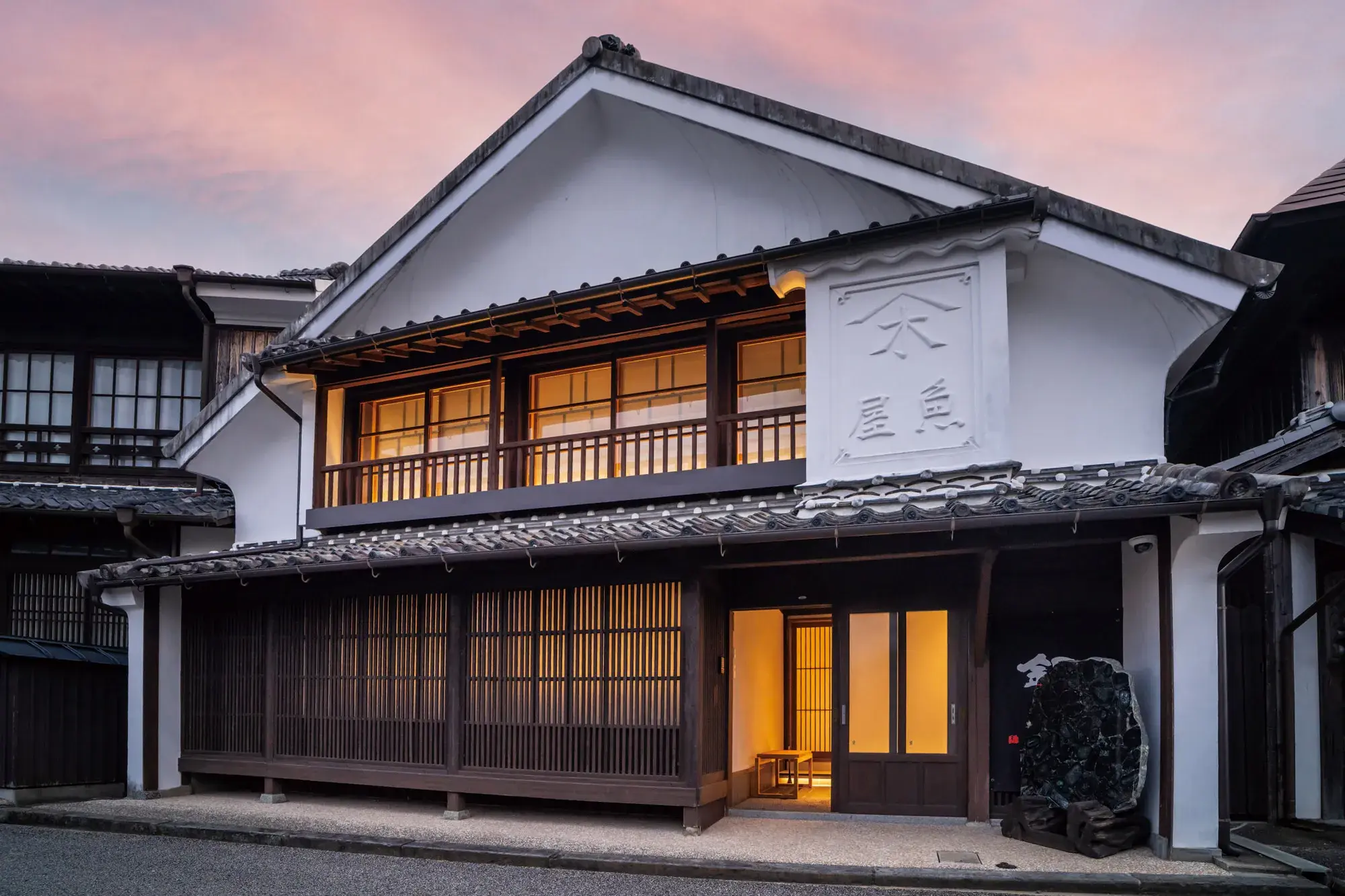 Onyado Fukuchiyo (Nabeshima Auberge)Hizen Hamashuku, Kashima
4 houses let whole; everyone dines at a six-seat counter at 17:00
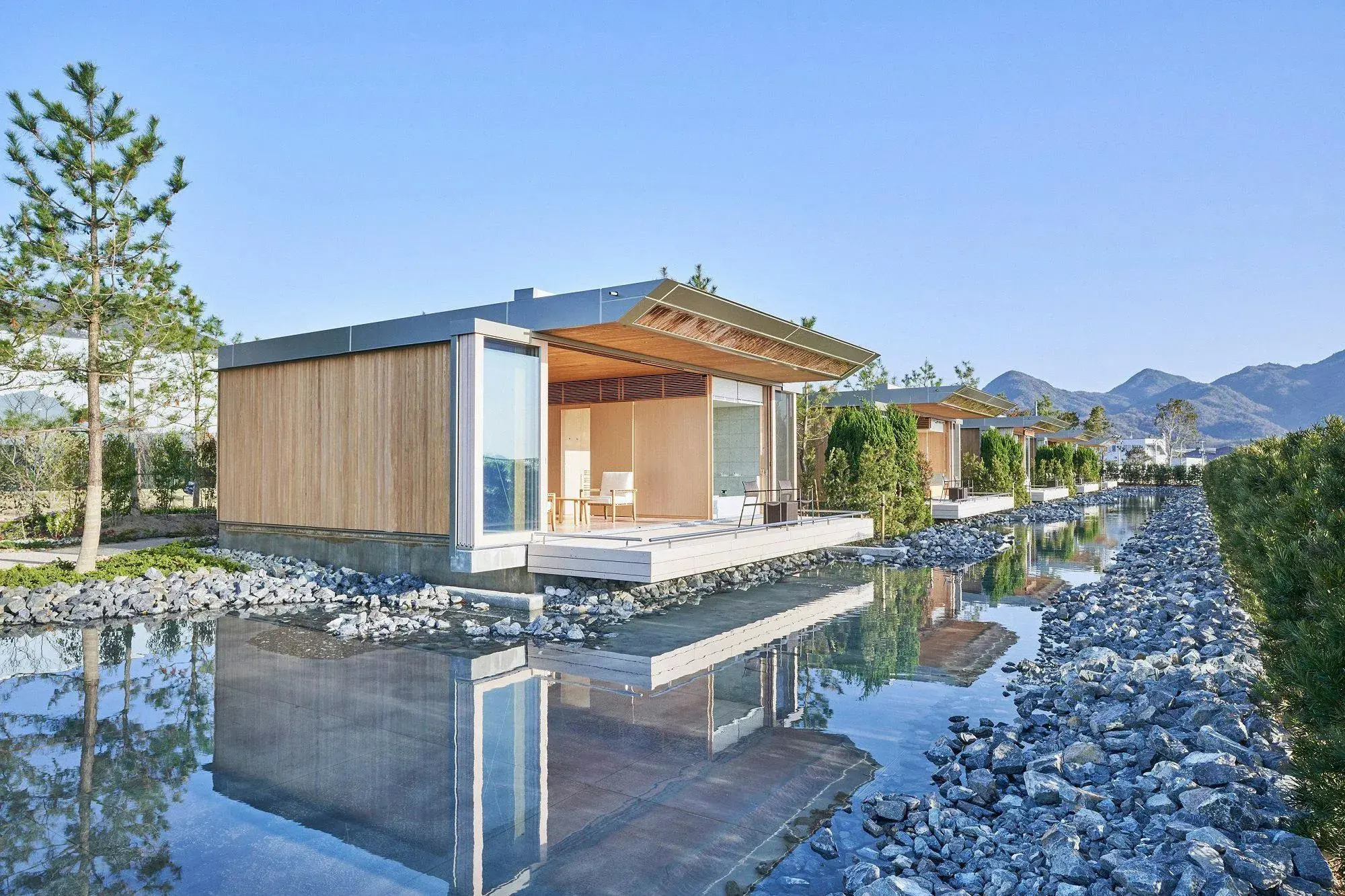 Simose Art Garden VillaHarumi, Otake
10 villas by Shigeru Ban; French dinner in the sea-view restaurant, no room service
The other 3
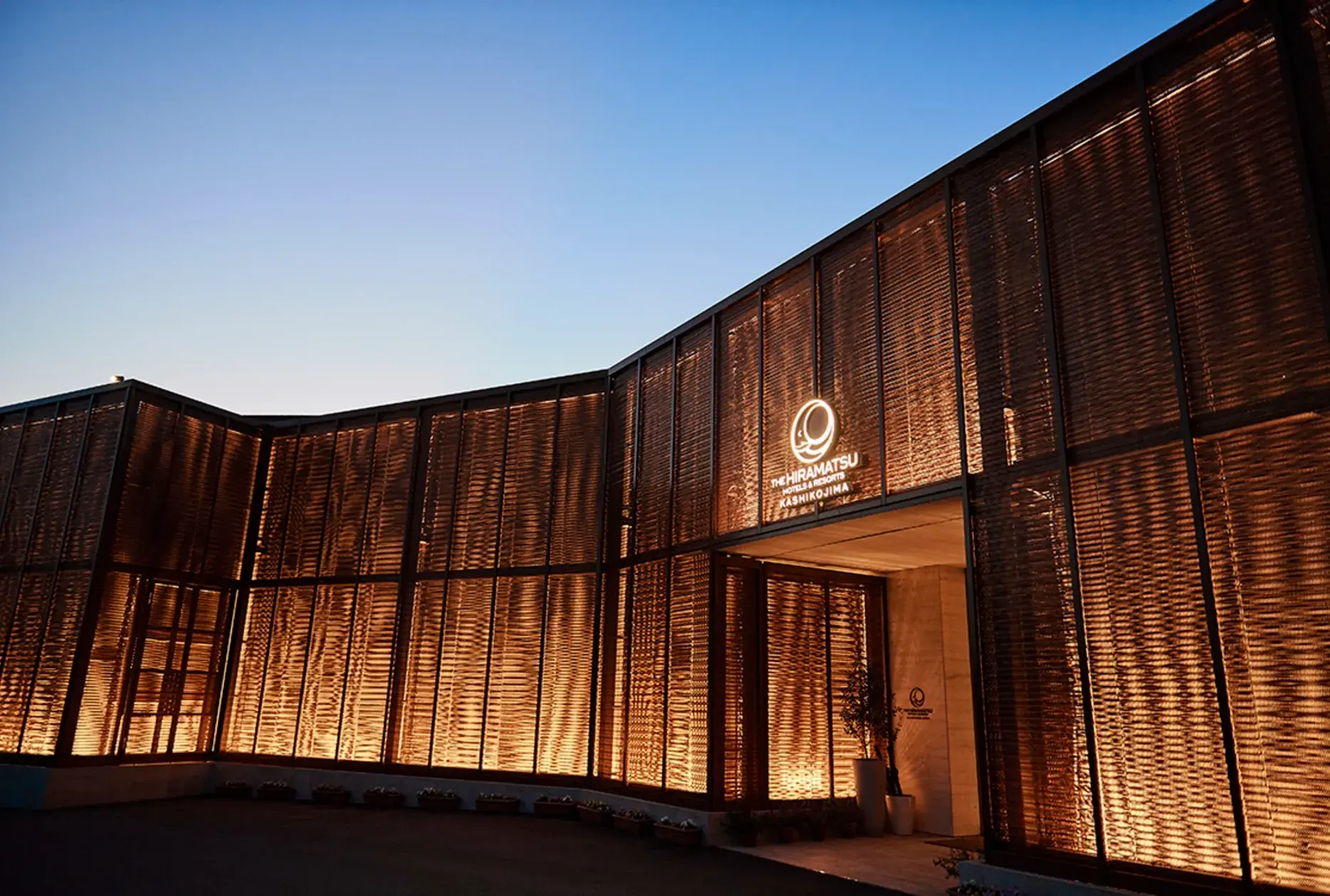 The Hiramatsu KashikojimaUgata, Ise-Shima
8 rooms; French dinner in the dining room, and one private open-air bath taken in turns
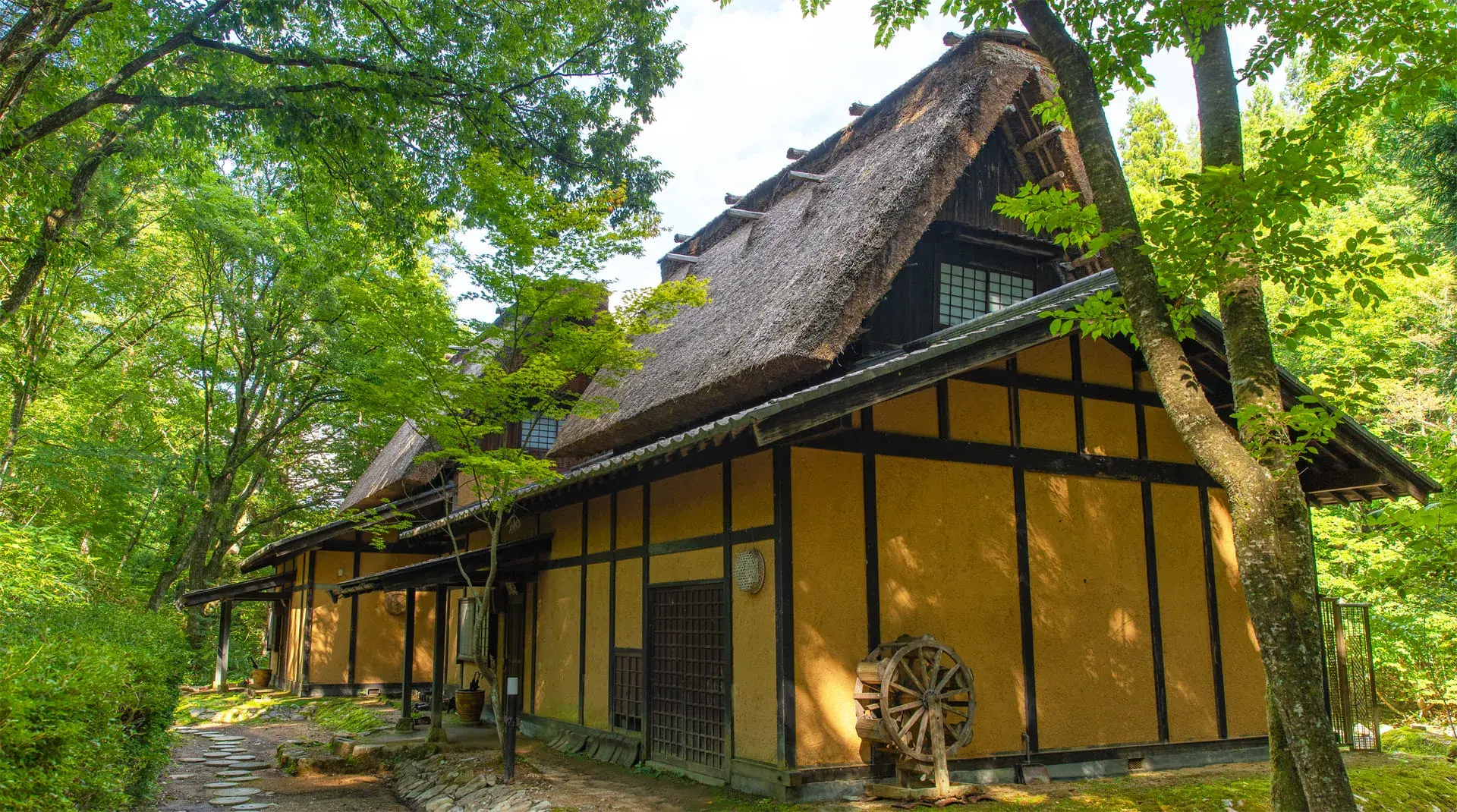 WanosatoIchinomiya, Takayama
8 rooms; kaiseki in the main building's dining rooms, then sake by the hearth, where tables may be shared
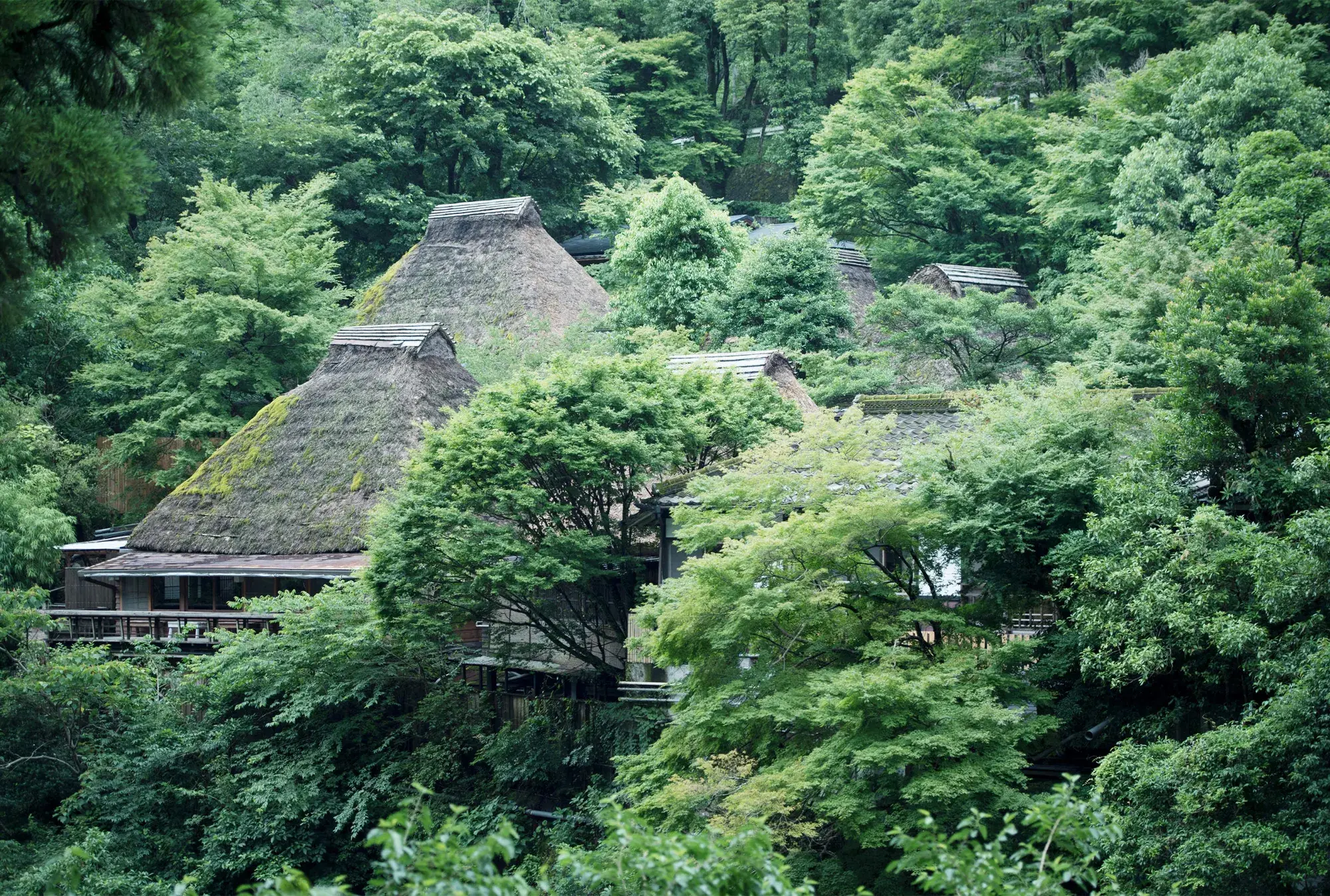 Wasure no Sato GajoenMyoken Onsen, Kirishima
8 rooms; Satsuma country dinner in a thatched farmhouse, from the inn's own farm
Either, by the day or the plan2
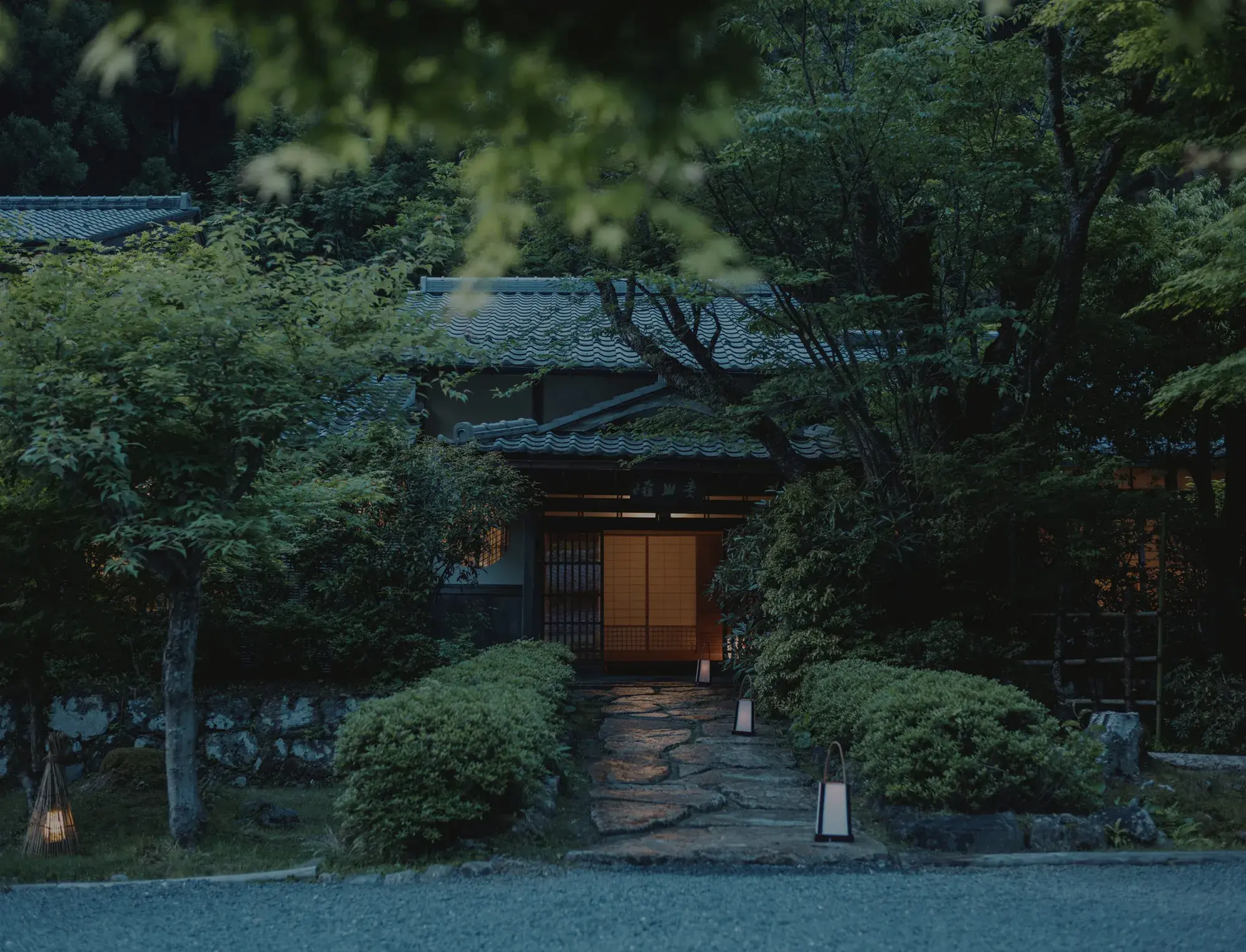 MiyamasouHanase, Kyoto
4 rooms; dinner in the room, a private room or at the counter, depending on the day
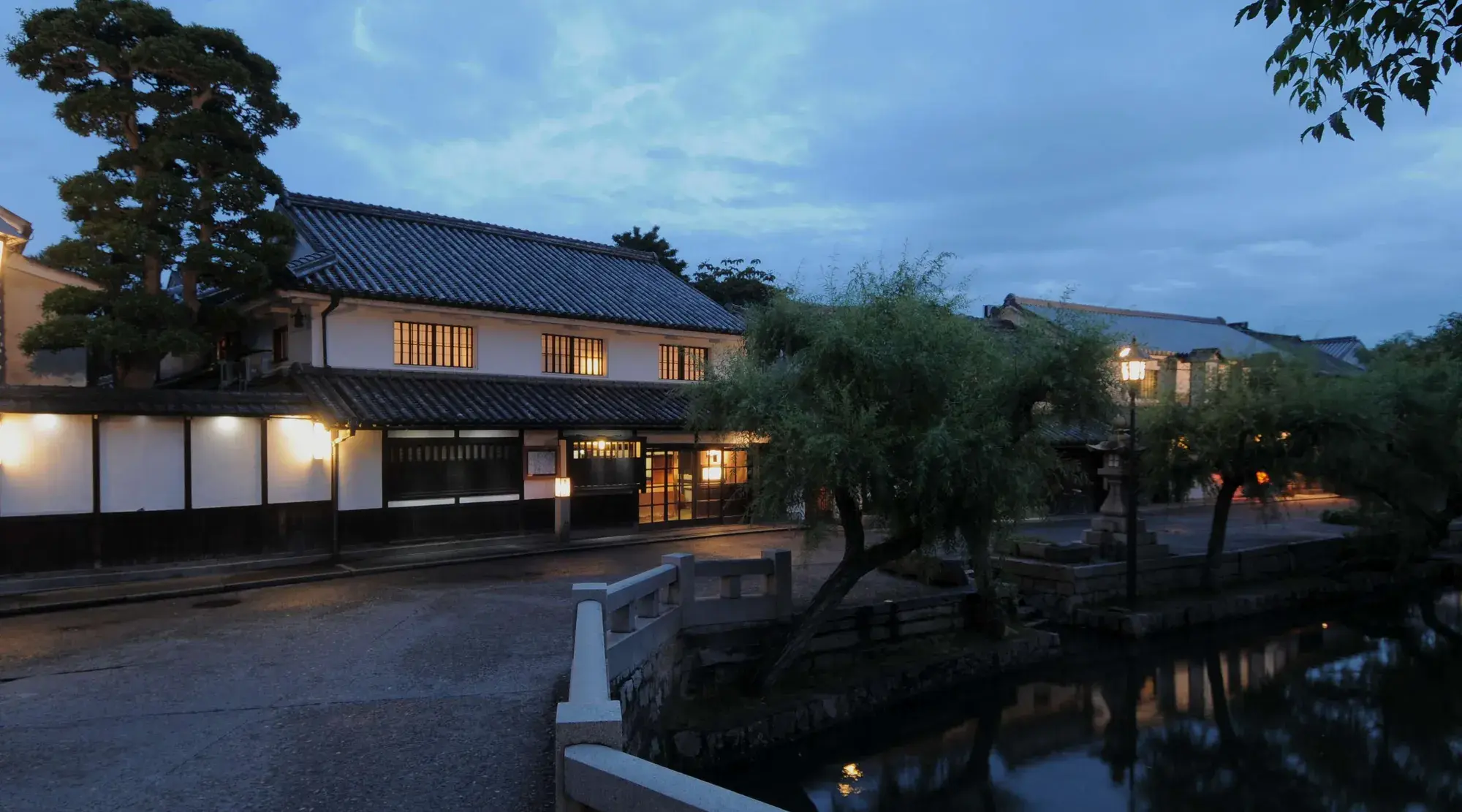 Ryokan KurashikiBikan Historical Quarter, Kurashiki
8 rooms and 2 townhouses; kaiseki in the restaurant at a time you choose between 18:00 and 20:00, in the room on some plans