Why dashi is the difficulty
Japanese cooking rests on dashi, a stock usually made of kombu seaweed and katsuobushi, dried and smoked bonito. It goes into the soups, the simmered vegetables, the dipping sauces and even the rolled omelette, so a dish with no visible fish may still contain it. A ryokan kitchen cooks one kaiseki for the night, as our guide to kaiseki explains, and makes its stock for everyone.
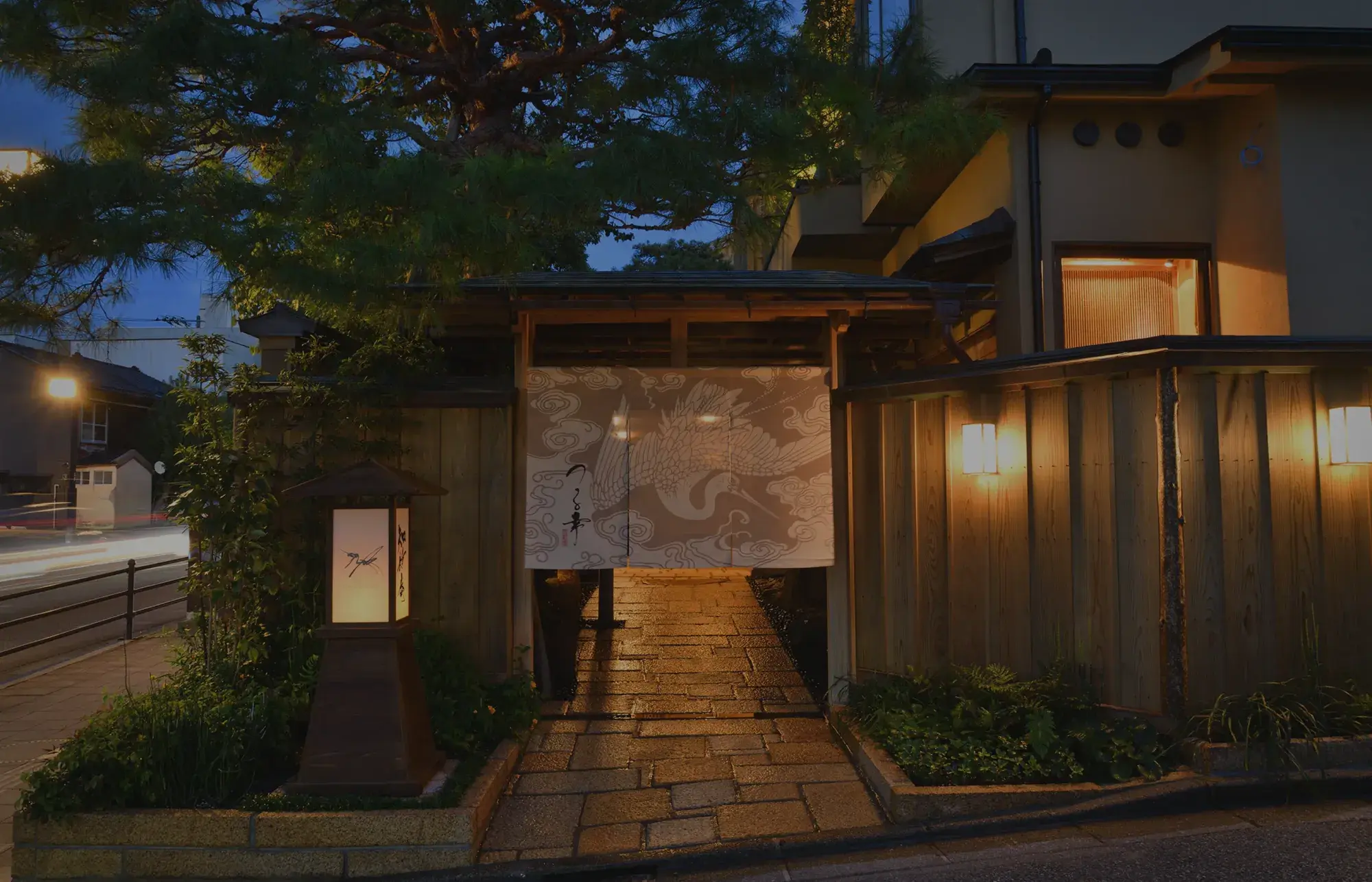
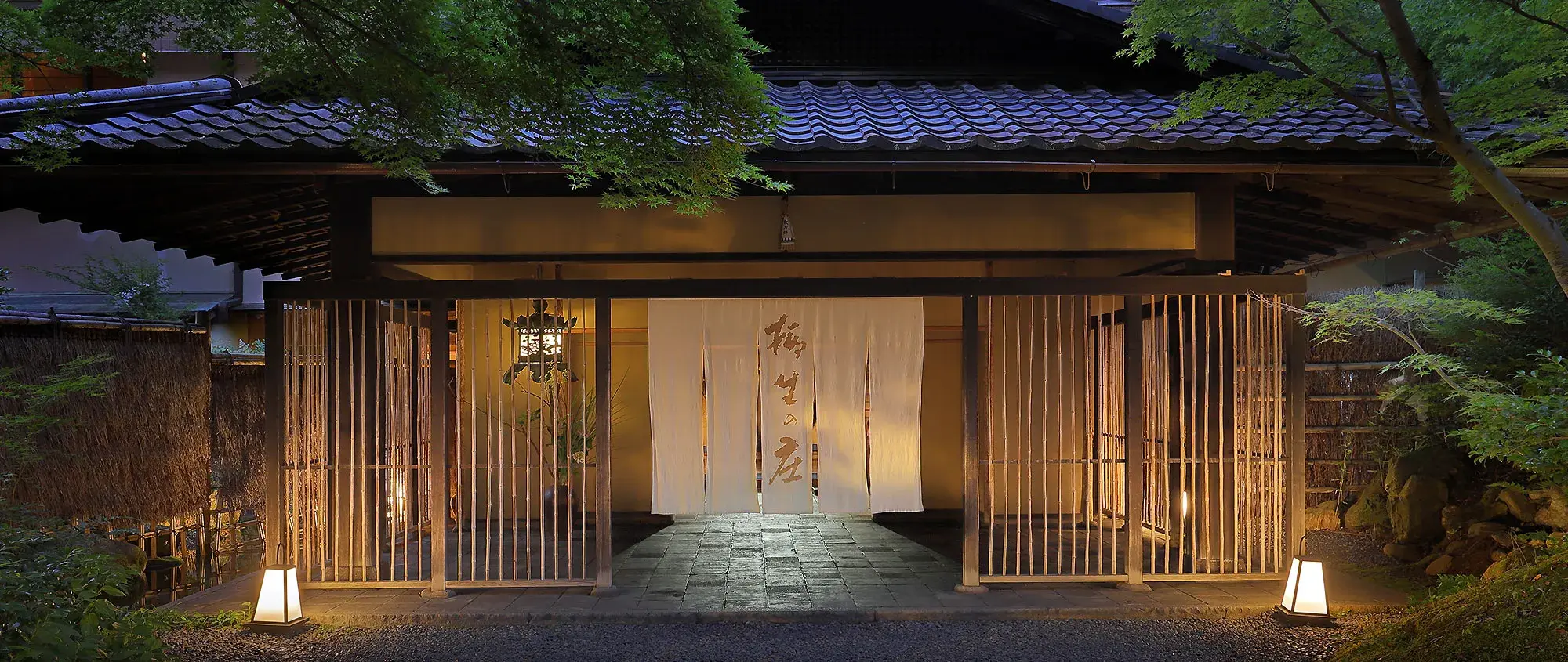
Some inns say so plainly. Sumiya will cook vegetarian with three days' notice, but its dashi cannot be changed; Yagyu-no-Sho makes no meals without fish dashi; Tsuruko cannot take guests allergic to seafood, dashi included, or to wheat, soy sauce included. So ask in precise terms: no meat, no fish, no fish stock, and whether eggs, dairy and honey are acceptable. JNTO warns that "vegetarian" is often understood loosely in Japan.
Shojin ryori, the temple kitchen
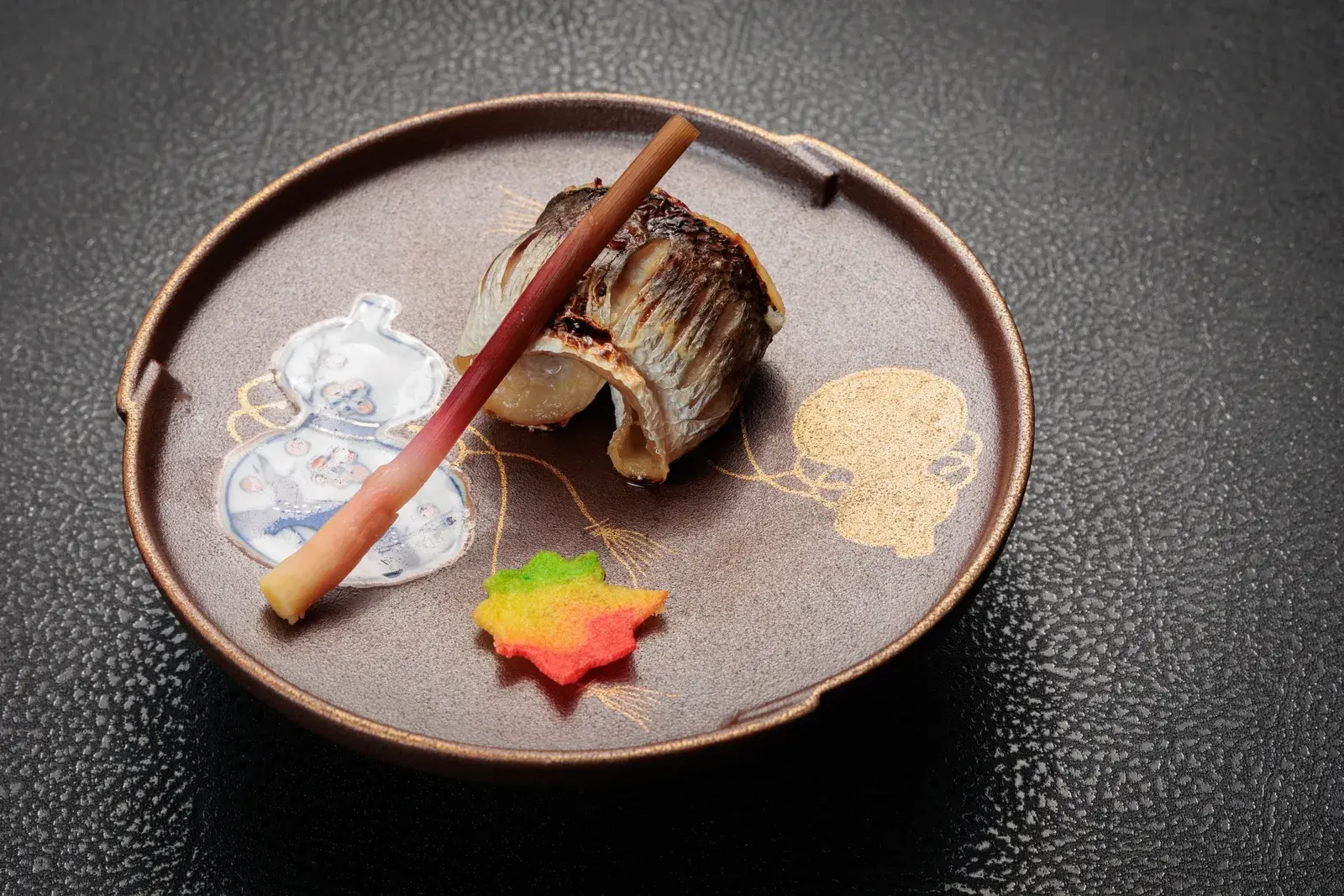
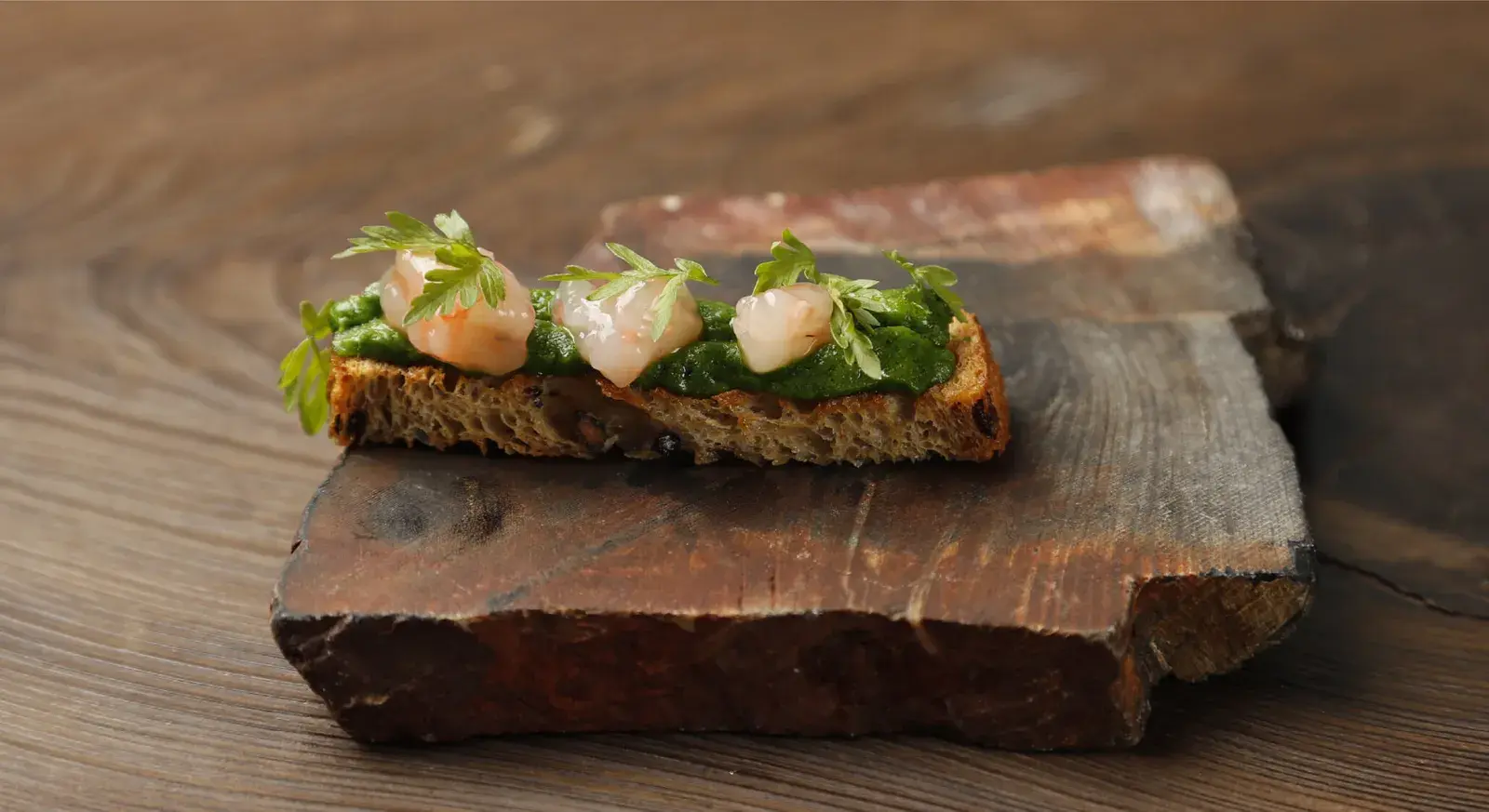
Japan does have a vegetarian tradition of its own. Shojin ryori is the cooking of Buddhist temples: no meat or fish, and traditionally none of the pungent vegetables such as garlic and onion, with stock made from kombu and dried shiitake. Tofu, yuba (the skin of soy milk), sesame tofu and the vegetables of the season do the work. It is traditionally vegan, though JNTO notes that dairy is occasionally used today, so ask.
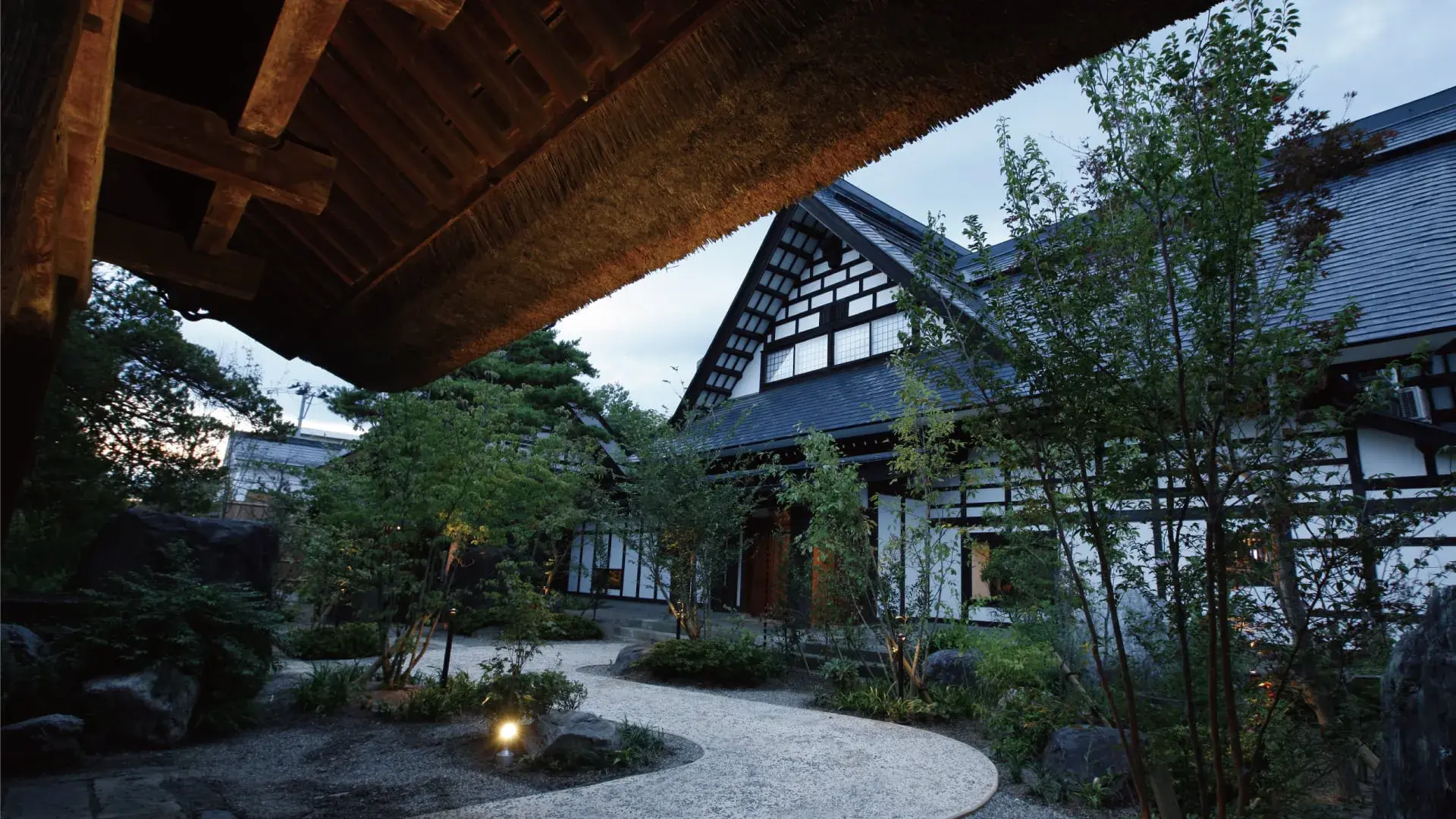
At Sanyo-so the vegetarian dinner is a shojin one, with five days' notice. At Ninnaji Shorinan, a house let to one group inside the grounds of Ninna-ji in Kyoto, dinner can be arranged in the temple's Shinden hall as shojin ryori.
The inns that say they can
Some kitchens go well beyond a vegetarian plate. Araya Totoan makes vegetarian, vegan and gluten-free dinners on request; Satoyama Jujo vegetarian, vegan and macrobiotic menus, from a restaurant whose cooking is led by vegetables in any case; both Kinnotake inns vegan, vegetarian or pescatarian ones with three days' notice. Naoshima Ryokan Roka and Simose Art Garden Villa take vegan requests at booking.
Others cannot. Tawaraya, Yagyu-no-Sho, Tsuruko and Yamagata The Takinami make no vegetarian dinner, and Arcana Izu's set French menus are not adapted for any special diet. The lists below give every inn on our list whose record says either way.
On our list
Vegetarian or vegan, with notice13
Notice as the inn gives it; ask for vegan by name where it is not mentioned.
The other 8

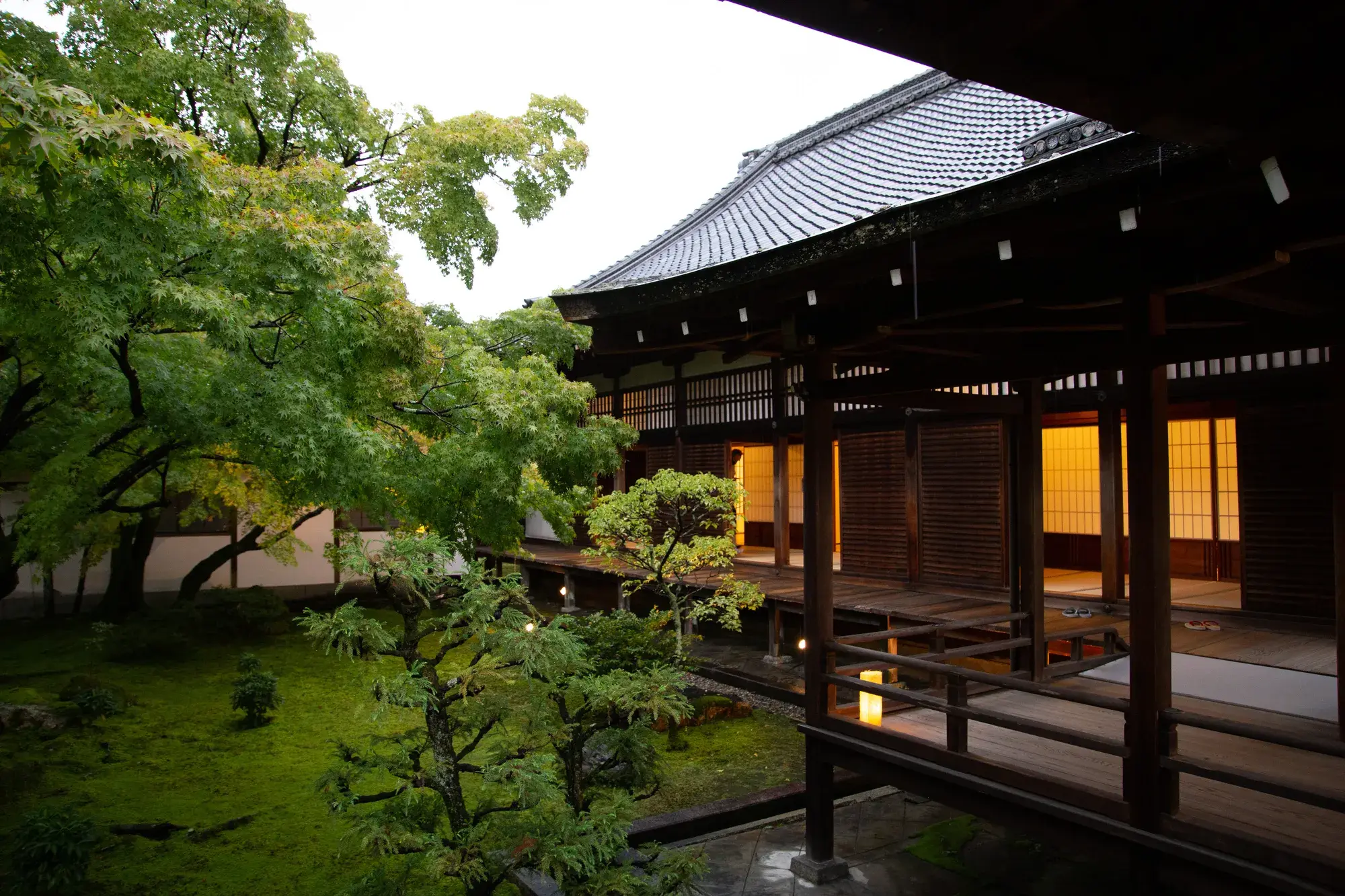
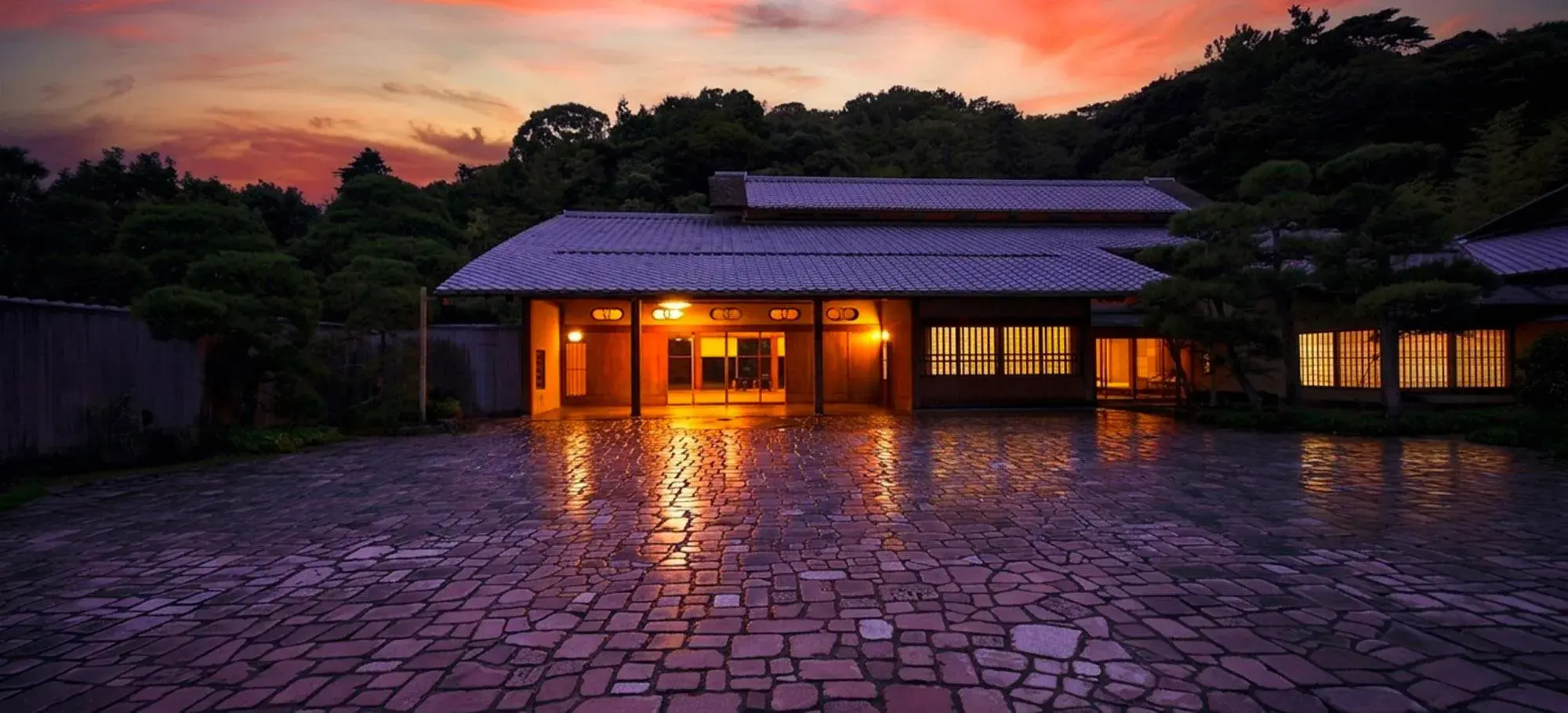
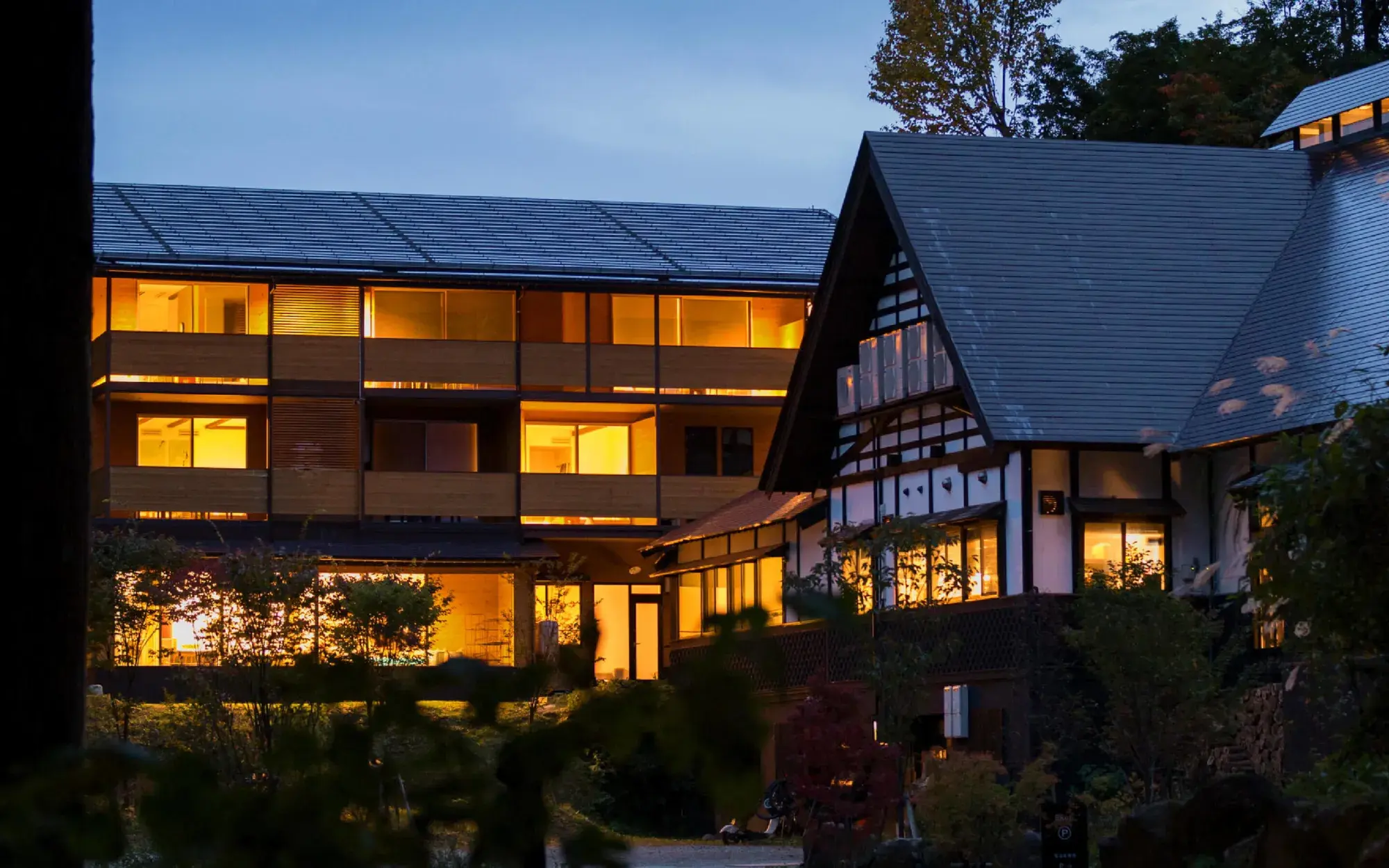 Satoyama JujoOsawayama Onsen, Minamiuonuma
vegetarian, vegan and macrobiotic menus with three days' notice
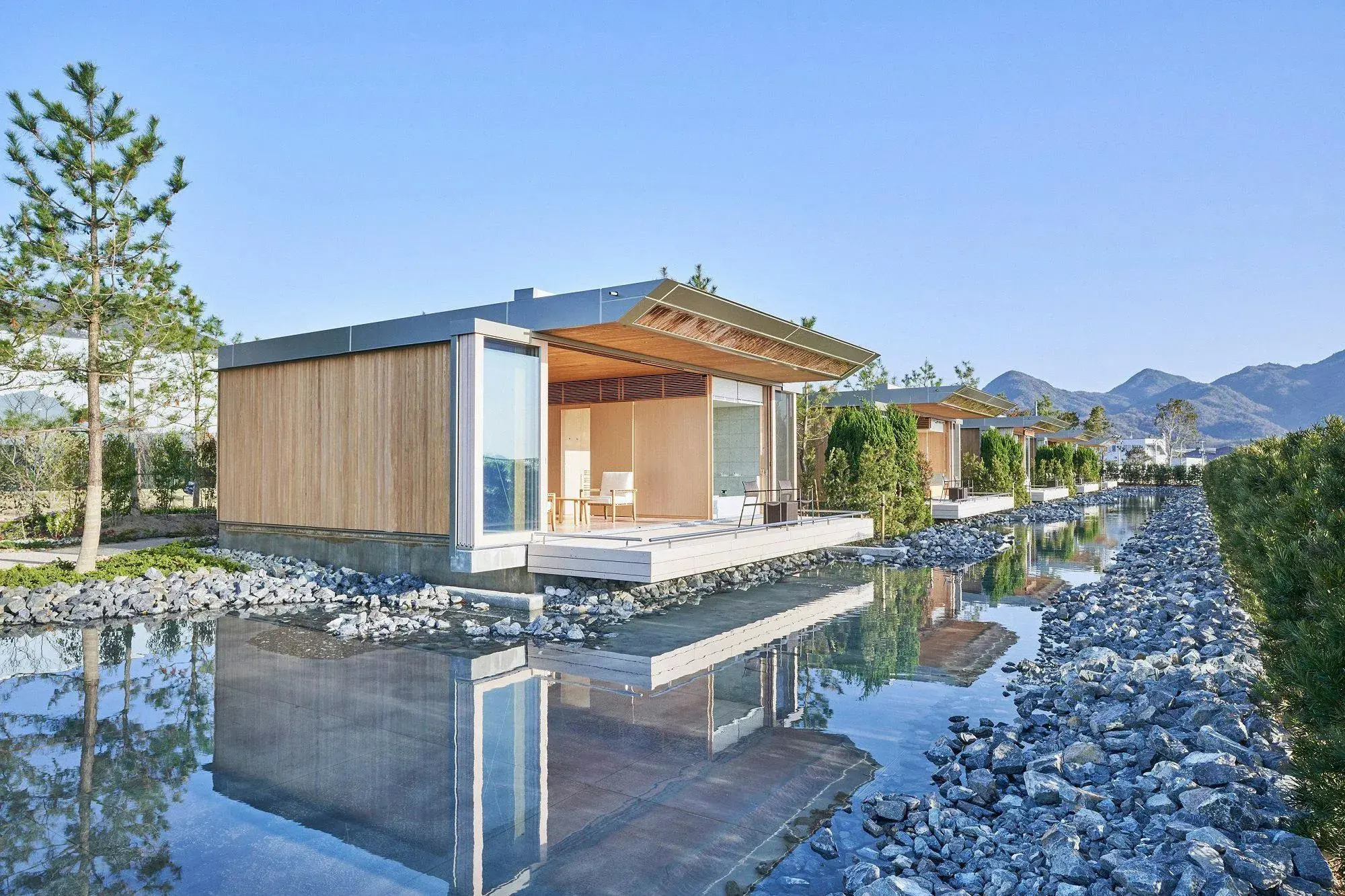
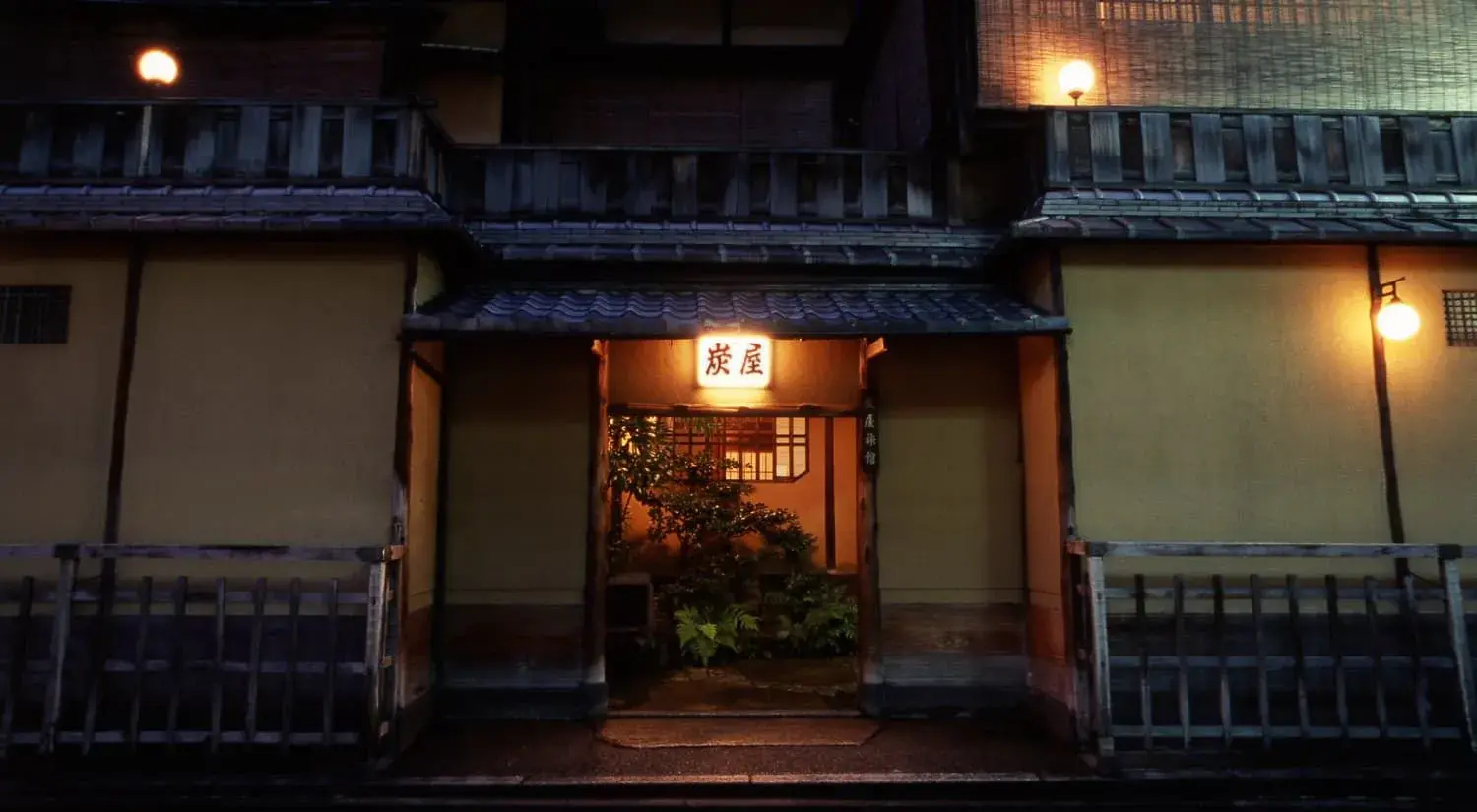 Sumiya RyokanFuyacho Sanjo, Kyoto
vegetarian with three days' notice, though the dashi cannot be changed
Allergies, with notice9
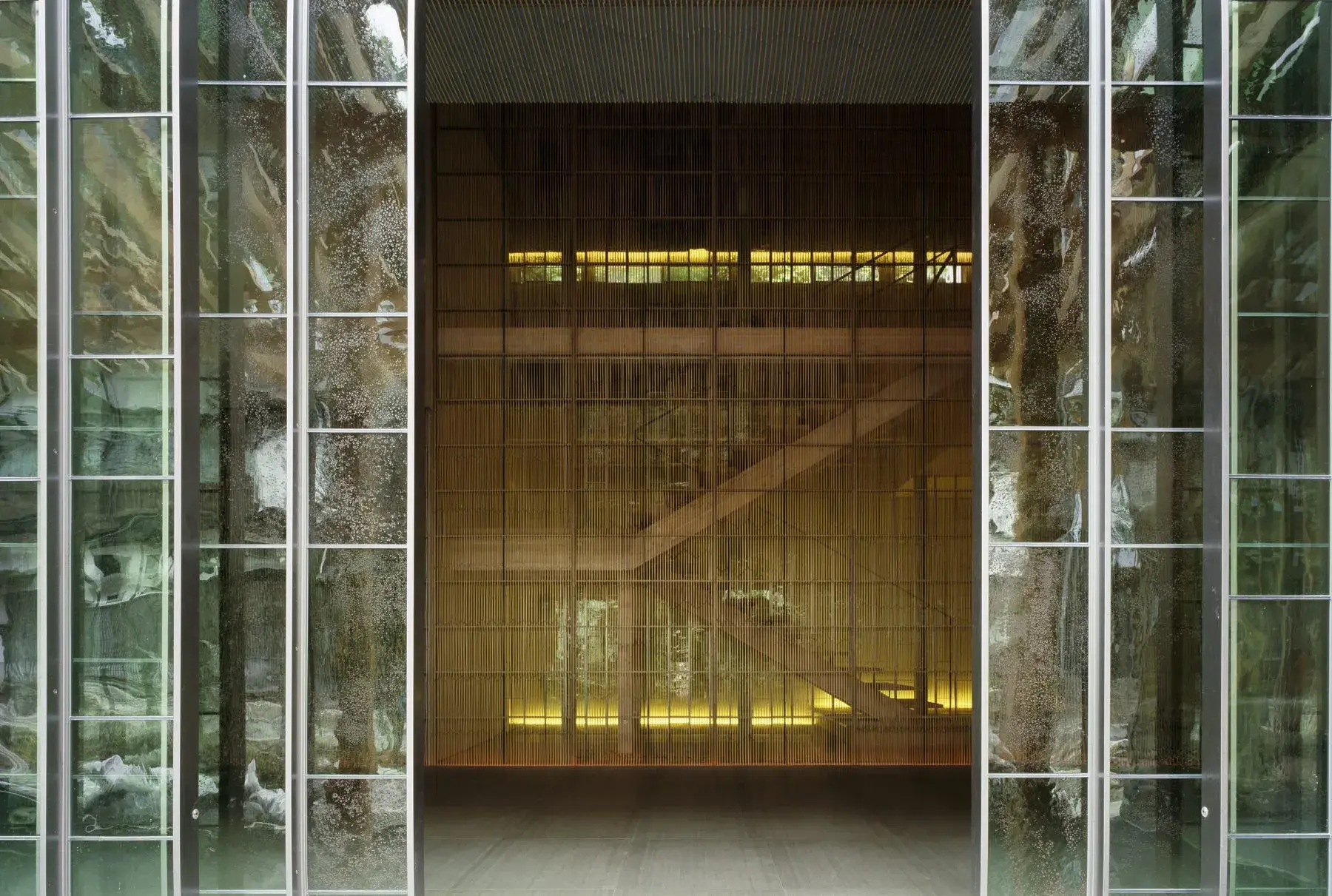 Fujiya InnGinzan Onsen, Obanazawa
allergies and dislikes adjusted where possible, with three days' notice
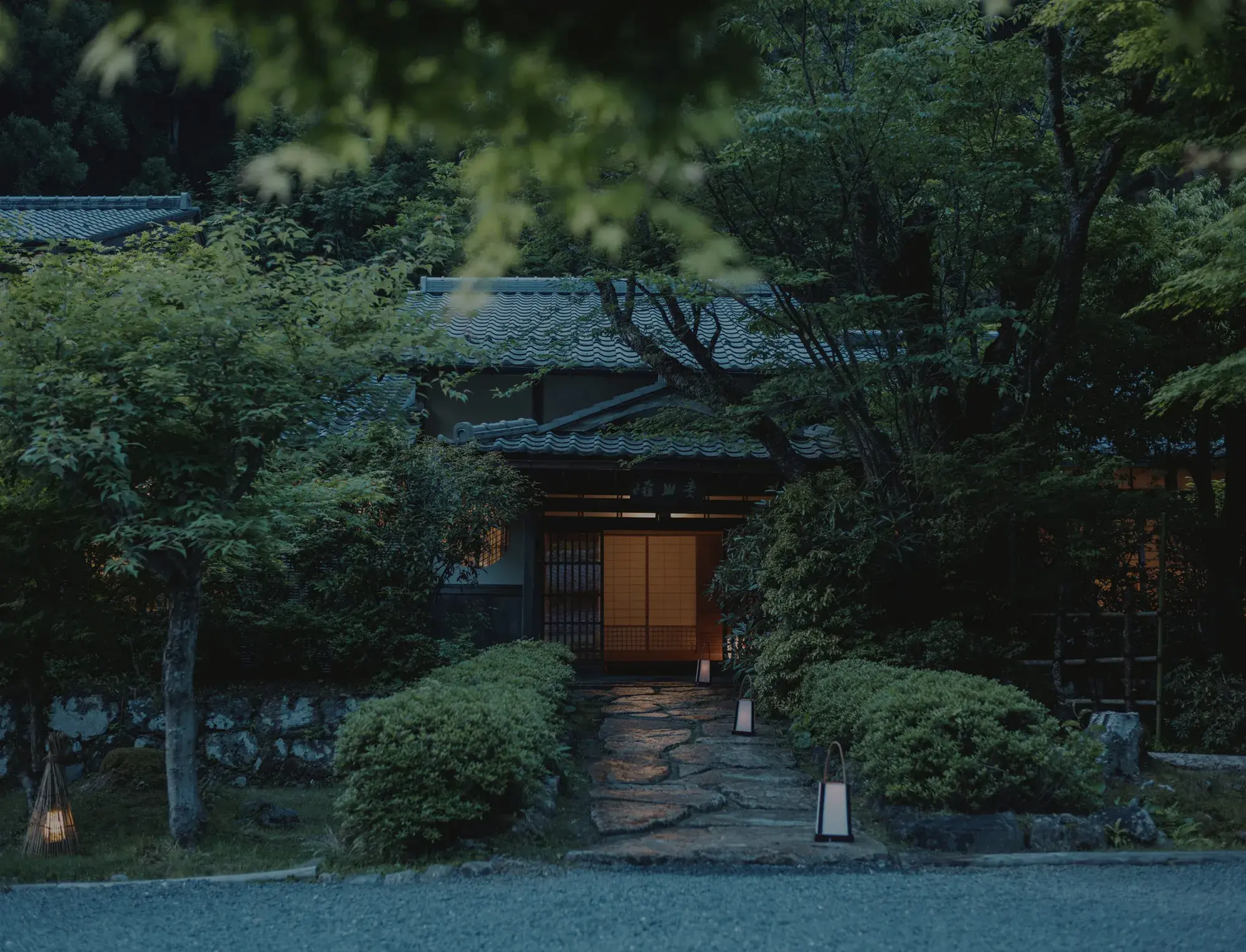
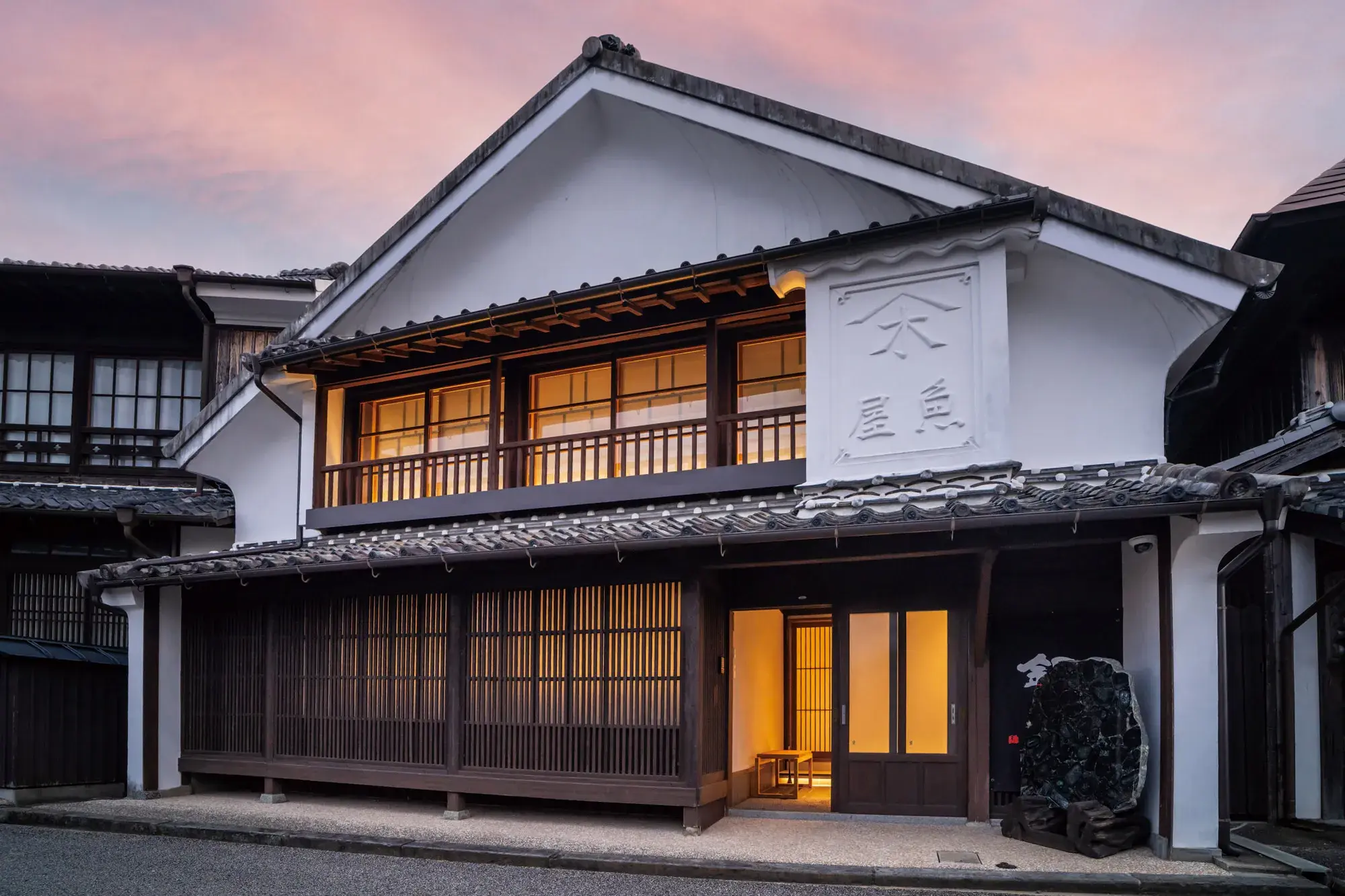
The other 4
 Tobira Onsen MyojinkanTobira Onsen, Matsumoto
allergies and dietary restrictions catered for when booking
No vegetarian dinner5
How much notice, and how to give it
Three days is the commonest rule: asaba, Gora Kadan, Hiiragiya, Sumiya, Satoyama Jujo and the Kinnotake inns all ask for it. Sanyo-so wants five days for its shojin dinner; Shoraiso and Arcana Izu a week for allergies, The Hiramatsu Kashikojima seven days. The kitchen buys for the night in advance, so a request made at the door is usually too late.
Write the request down, in Japanese if you can, naming what you cannot eat and what happens if you do: an allergy is handled differently from a preference. If only one of your party has the restriction, say so, and name them.
Allergies, gluten and coeliac disease
Allergies are taken seriously, but an inn's scope is set out in its terms. Sanyo-so handles only the eight main allergens named in Japanese labelling: prawn, crab, walnut, wheat, buckwheat, egg, milk and peanut. Wheat is the hard one, because ordinary soy sauce is brewed with it; Araya Totoan and Gora Kadan cook gluten-free on request, while Tawaraya and Tsuruko cannot.
Halal, kosher and religious diets
These are the hardest to arrange, because Japanese cooking uses mirin and sake as seasonings and few ryokan kitchens are certified. Hiiragiya and Sumiya say they cannot cook halal or kosher, Gora Kadan no halal, and Yachiyo no certified halal meals. asaba accepts religious diets with three days' notice. A vegetarian dinner avoids pork and meat slaughtered otherwise, but not the alcohol in the seasoning, so ask about both.