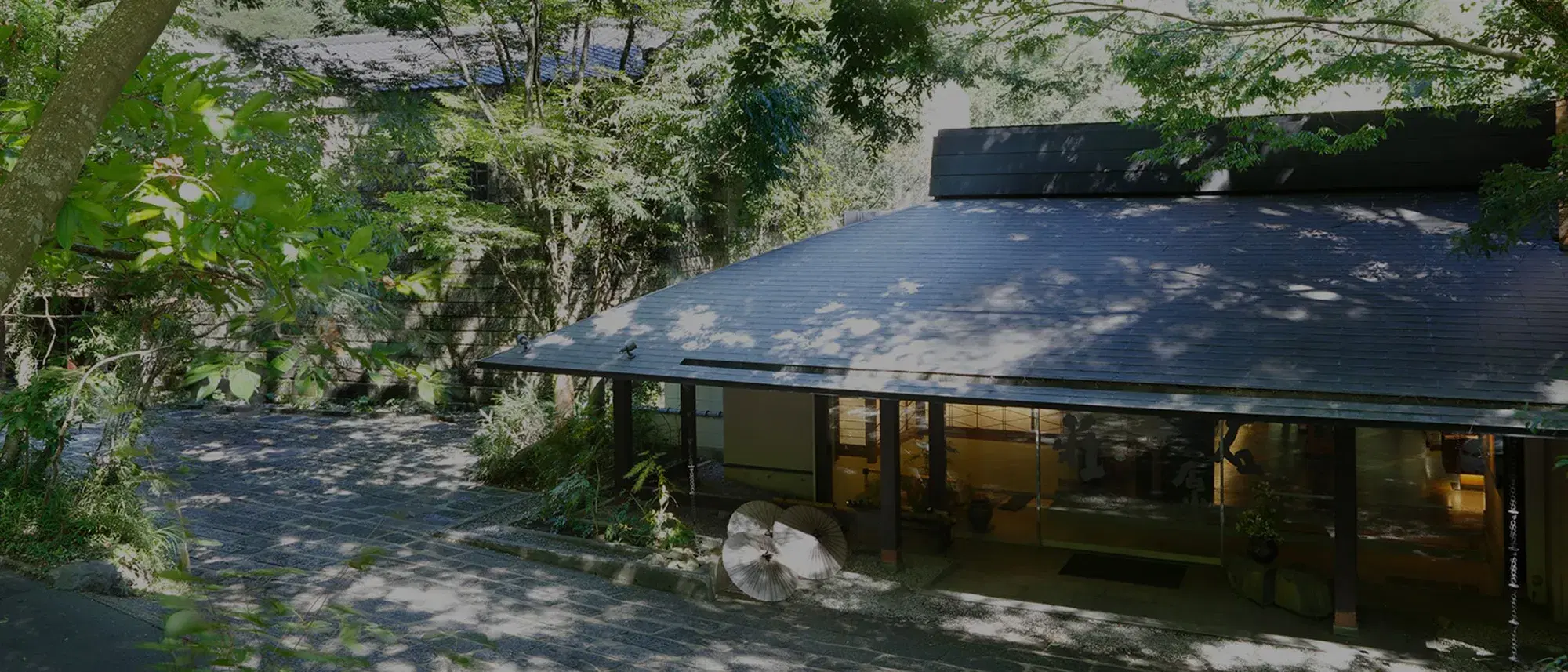
Shoes and slippers
Take your shoes off in the genkan, the entrance hall, and step up into the inn in socks or the slippers set out for you. Slippers come off again before tatami, which is walked on only in socks or bare feet; the bathroom has its own slippers, which stay in the bathroom.
Some inns are barefoot throughout, which makes it simpler: Kofuyuden Beniya has no slippers at all, Hoshinoya Tokyo asks you to walk barefoot on its tatami floors, and at Hakone Ginyu you go about in tabi socks.
The yukata
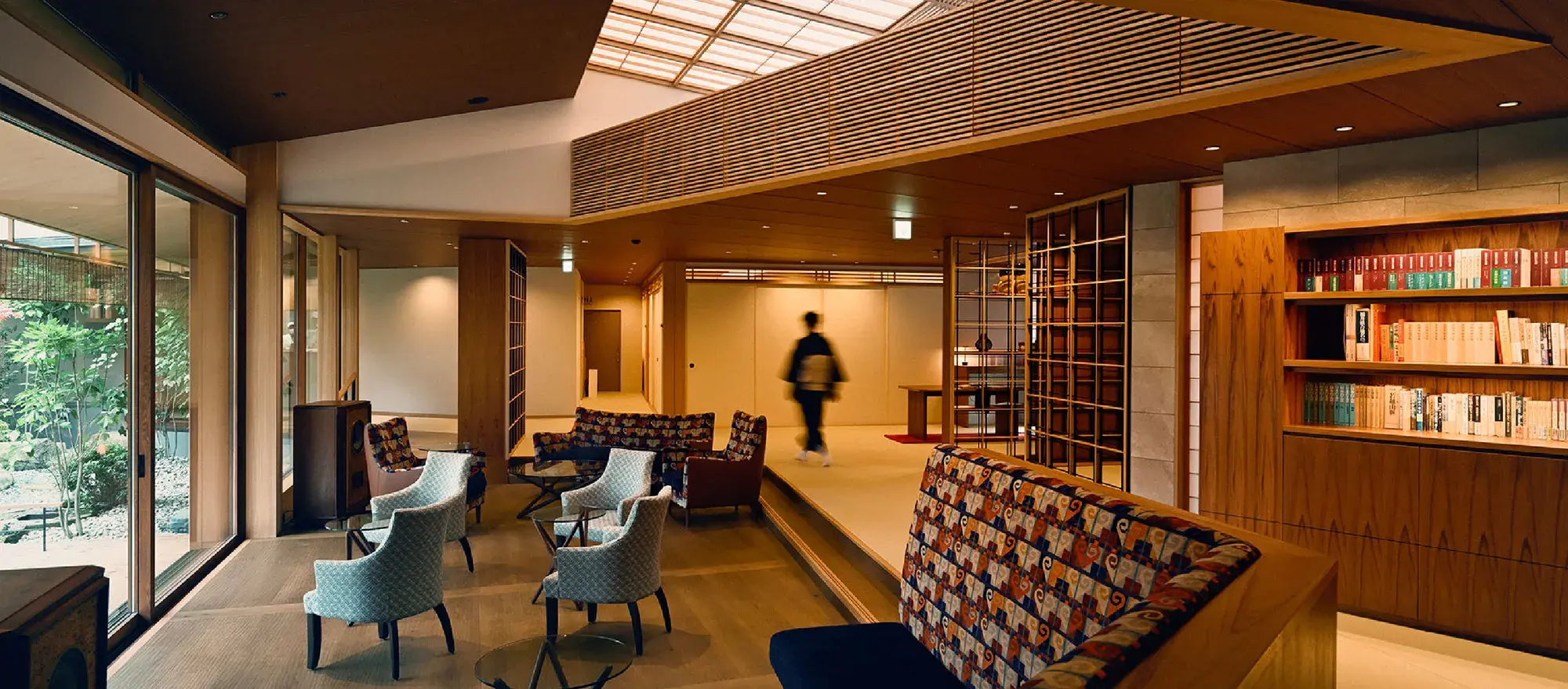
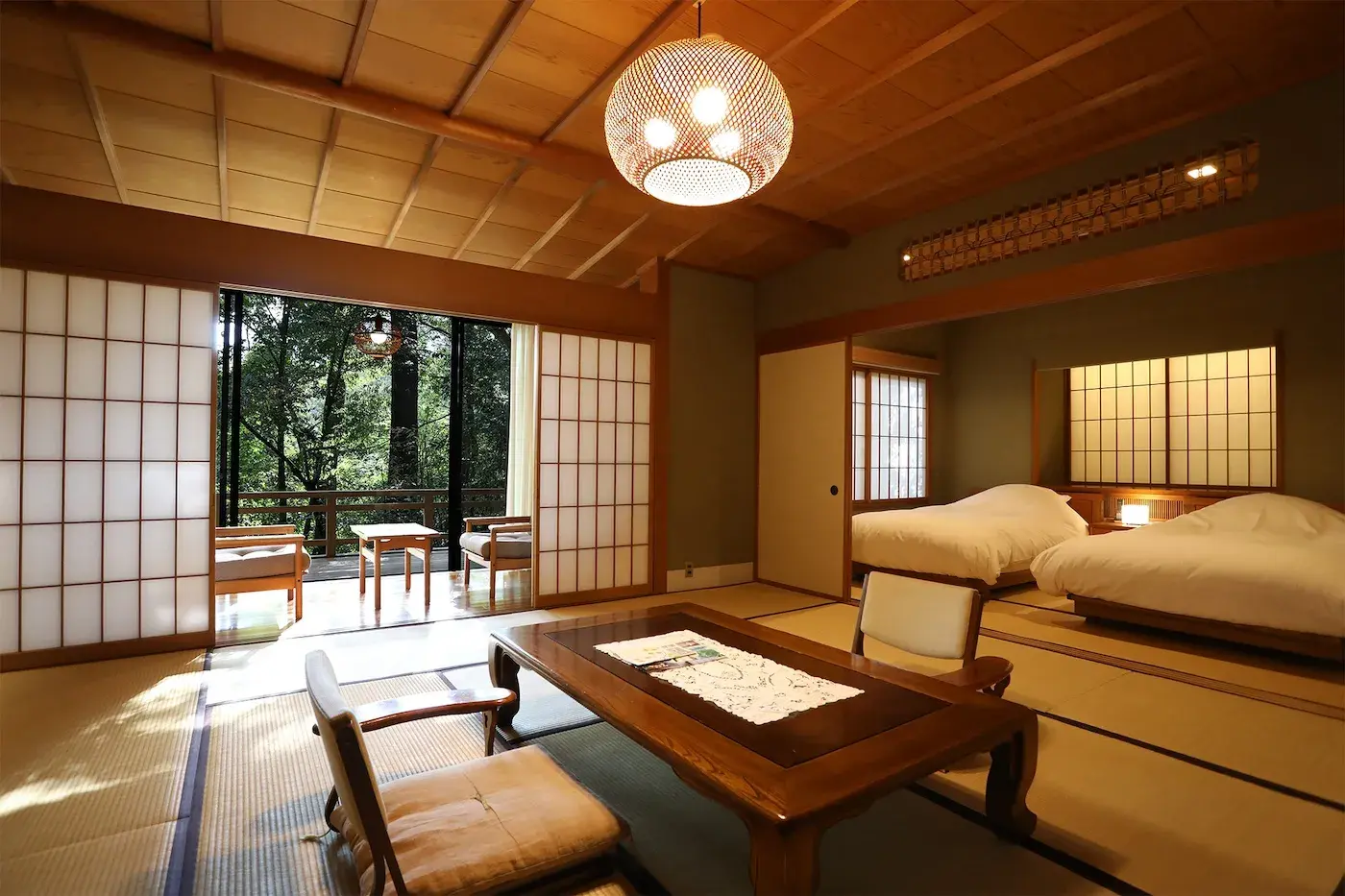
The cotton yukata in your room is worn to the bath, around the inn and, at most traditional ryokans, to dinner. Wrap the left side over the right; right over left is how the dead are dressed. Tie the obi at the waist, and in cold months wear the short jacket, the haori or tanzen, over it.
Not everywhere wants it at dinner. Arcana Izu asks for smart casual and no room wear or slippers in the restaurant, as do The Hiramatsu's inns; at Lake Shikotsu Tsuruga Bessou Ao no Za, guests wear samue, a two-piece cotton suit, everywhere, even at dinner. If you are unsure, ask at check-in.
In the bath
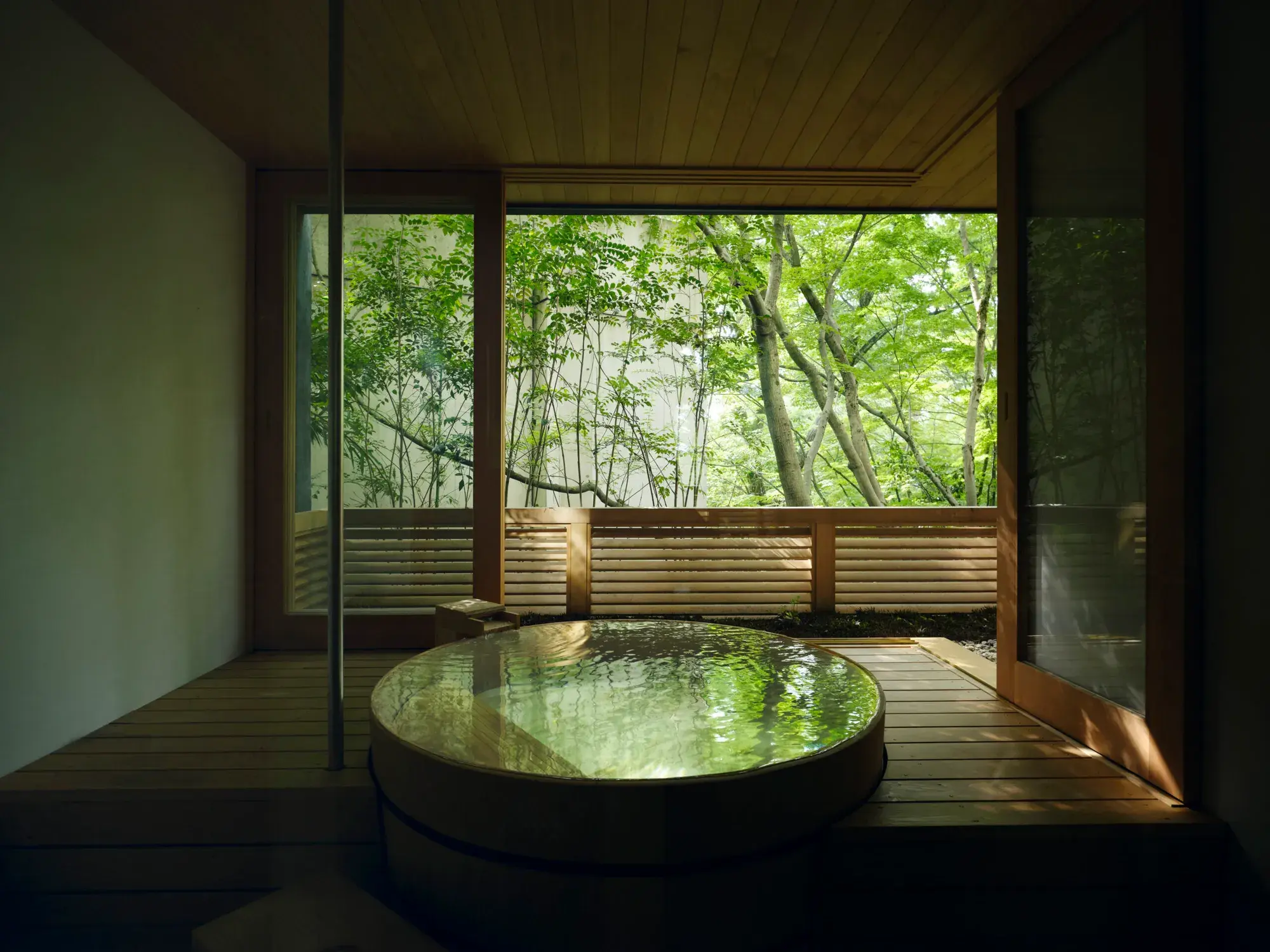
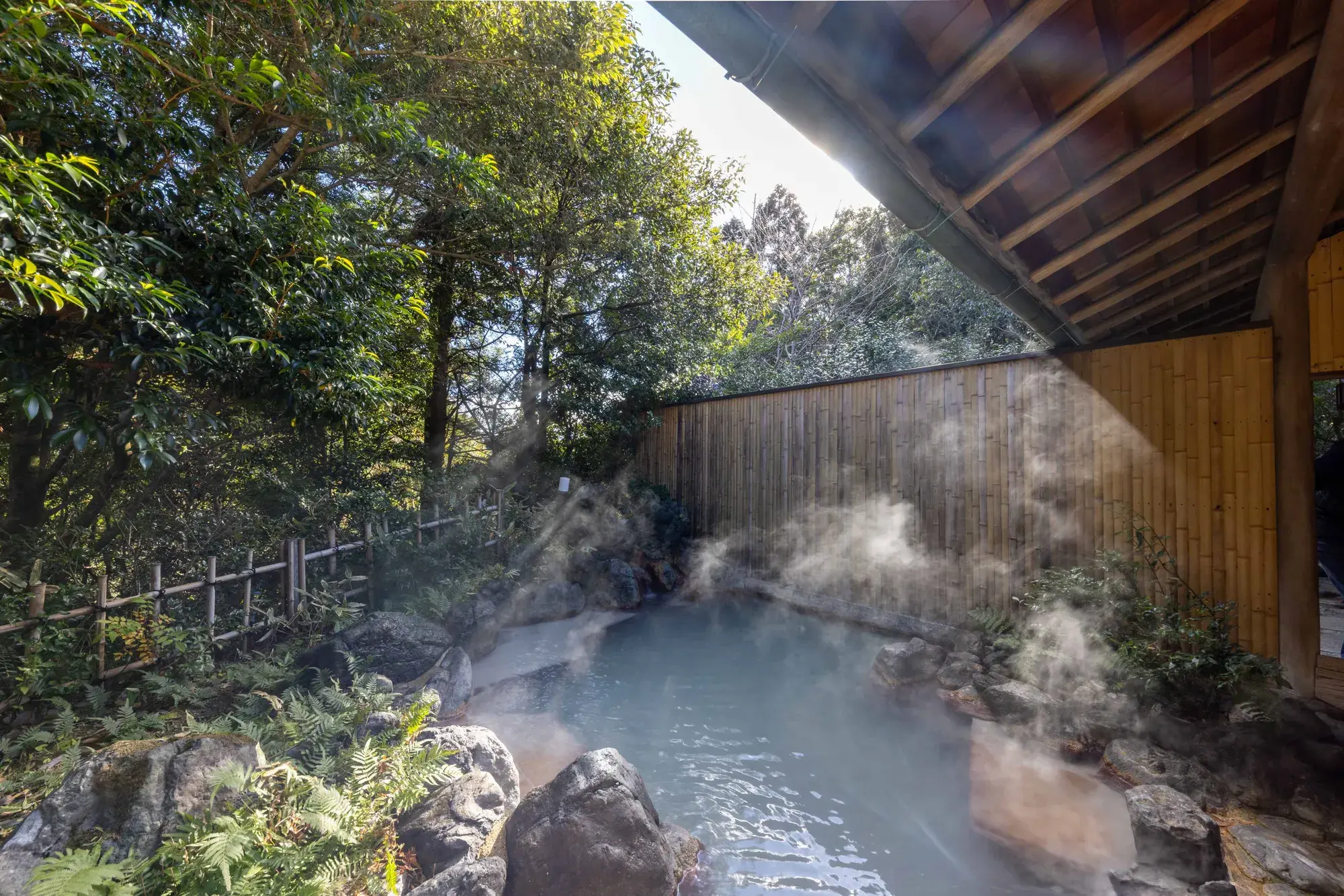
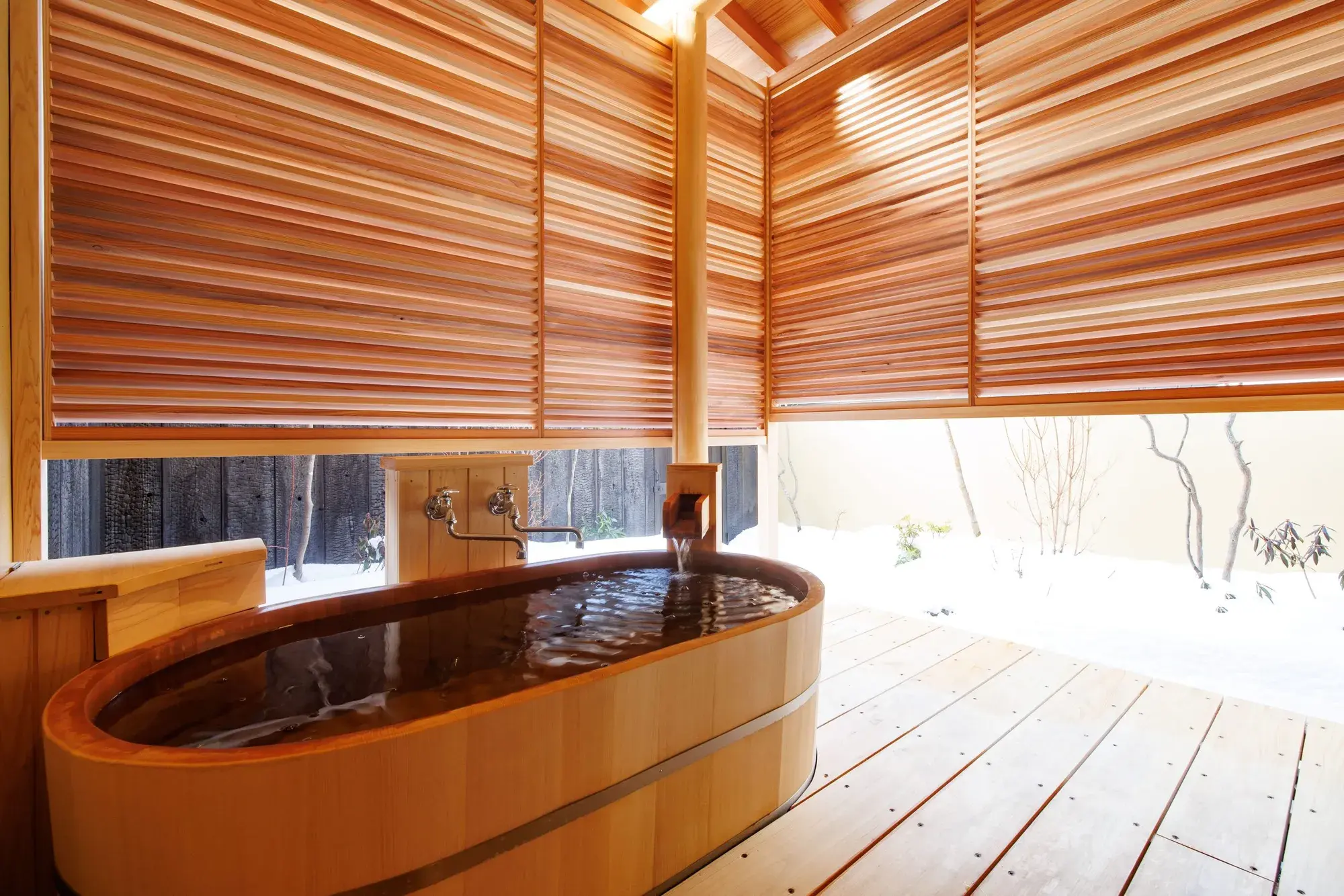
Wash first, sitting on the stool at the washing station, and rinse off all soap before getting in. The bath is for soaking, not washing. Keep your small towel out of the water, on your head or the side, and tie up long hair. Bathe naked: swimsuits are not worn in onsen, with a few exceptions where the bath is mixed, such as Ochiairo's cave bath, where swimwear is worn, and Myoken Ishiharaso's riverside bath, where bathing dresses are lent.
Get in slowly, keep your voice down and don't swim. Drink water afterwards; the water is hotter than most people are used to, often 40 to 43°C.
At dinner
Be on time, since the kitchen times every course to your sitting. Leave strong perfume off: Hoshinoya Kyoto and Arcana Izu both ask guests to. Lift small bowls to your mouth rather than leaning down to them, and don't pass food from chopstick to chopstick or leave chopsticks standing in rice; rest them on the holder.
If you cannot eat something, say so when you book rather than at the table: the menu is planned days ahead.
Tipping, and leaving
Tipping is not expected in Japan, and at a ryokan service is part of the price. Some Japanese guests leave an envelope for the attendant, called kokorozuke, but it is a custom, not an obligation, and leaving money loose on the table may simply be returned to you.
On the last morning, check out on time, often 10:00 or 11:00. There is no need to fold the futon; leaving the room tidy is thanks enough.