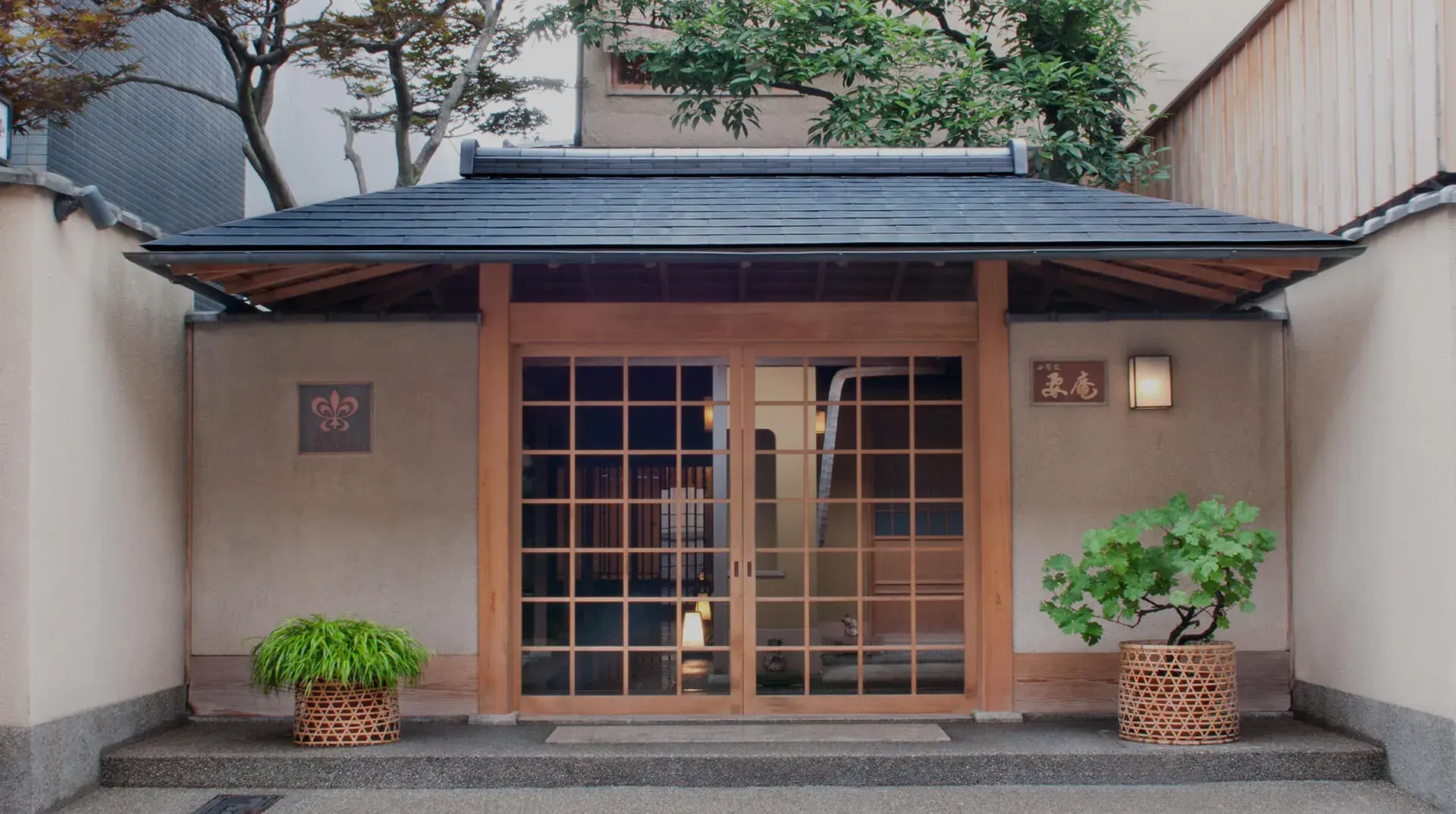
What kaiseki is
Kaiseki grew out of the light meal served before the tea ceremony, and kept its principles: few ingredients on each plate, each at its best, in an order that moves from light to rich and back. The dishes are chosen to match the season and the bowls and plates to match the dishes, so the same inn serves a different dinner in March and in November.
At a ryokan you do not order. The kitchen plans one menu for the night, adjusted for anything you told it in advance, and the courses follow each other at the pace you eat.
The courses, in order
No two kitchens follow quite the same sequence, and the names vary, but a ryokan dinner usually runs like this.
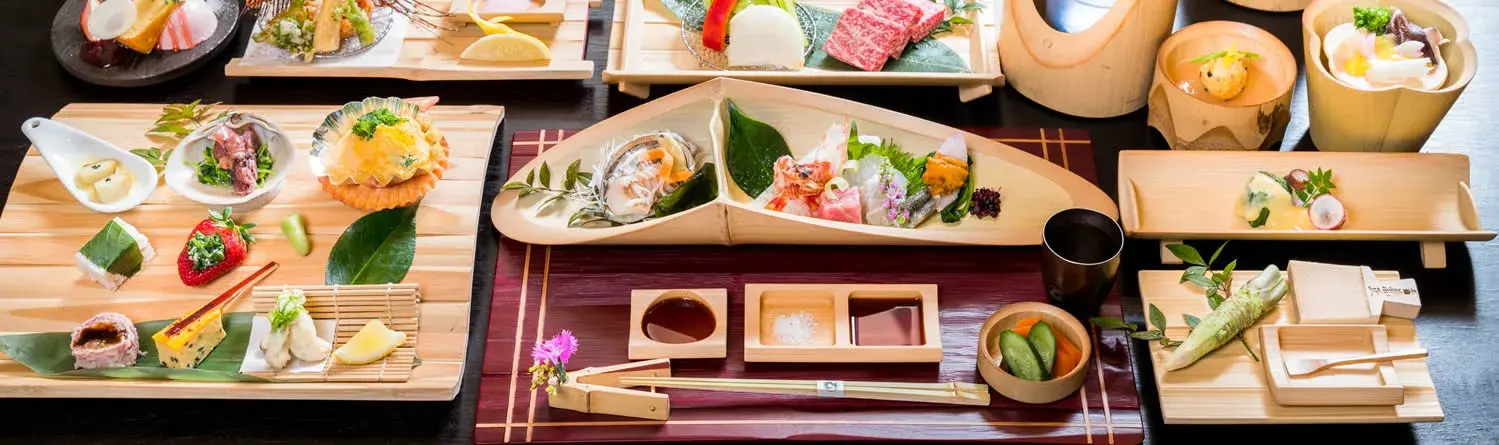
- Sakizuke: a small appetiser, often with an aperitif
- Hassun: a tray of seasonal morsels that sets the theme of the meal
- Mukozuke: sashimi, the fish of the region
- Wanmono: a clear soup in a lidded lacquer bowl
- Yakimono: something grilled, usually fish
- Takiawase or nimono: vegetables simmered in stock
- Agemono: tempura or another fried dish, on some menus
- Gohan, tome-wan and ko no mono: rice, miso soup and pickles, which close the savoury part
- Mizumono: fruit or a small sweet
The season, and the place
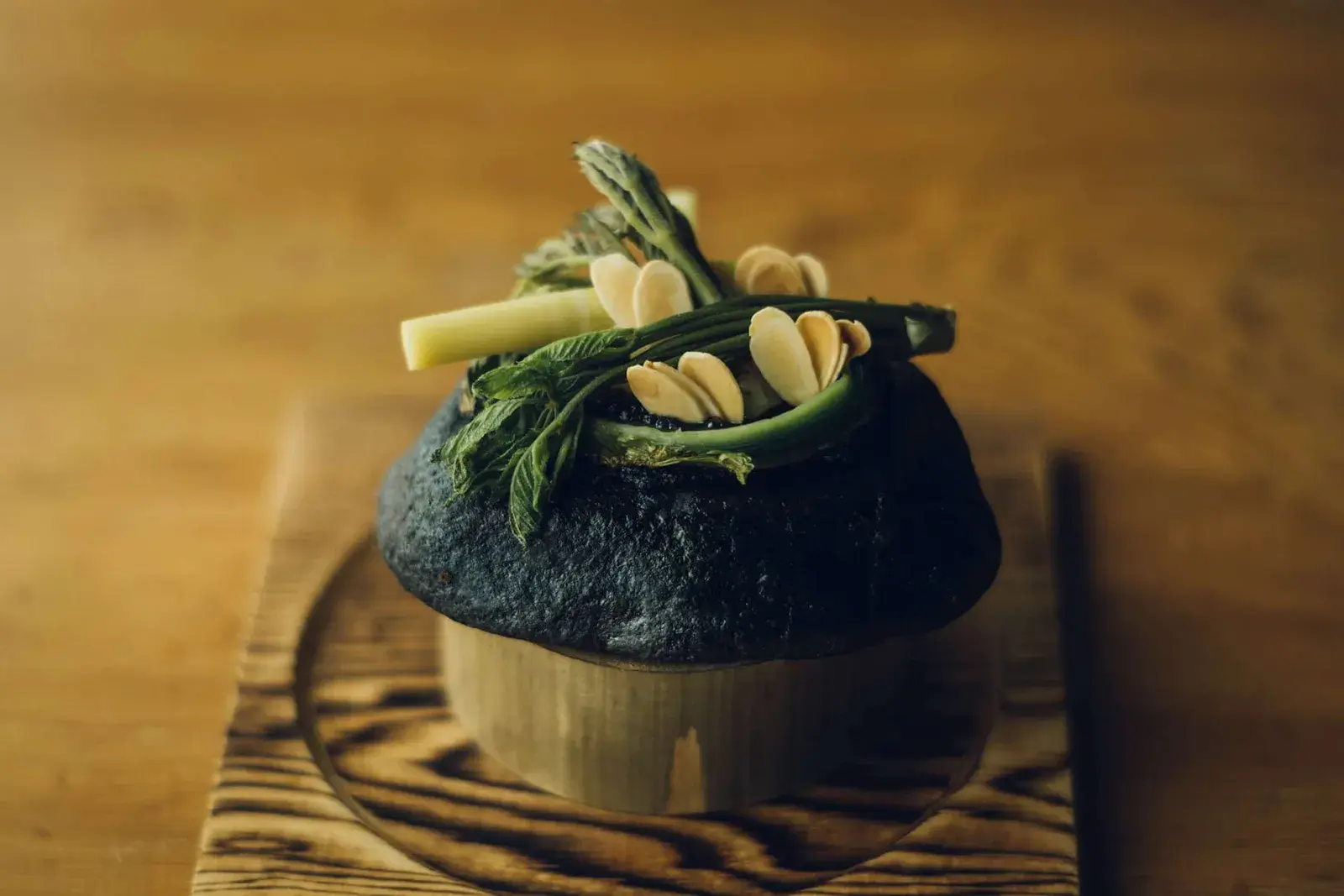
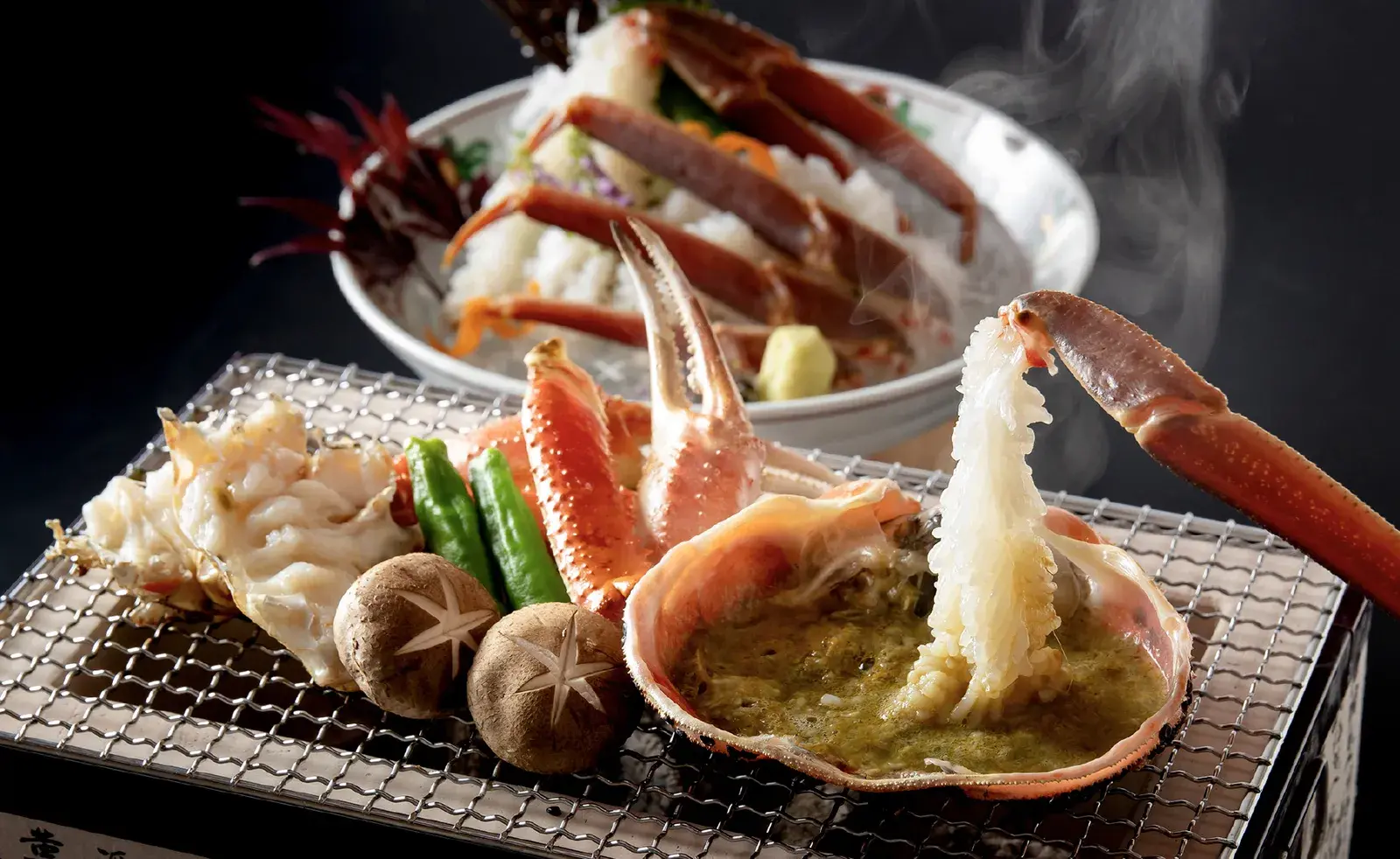
The best kaiseki tastes of where you are. In winter the inns of the Sea of Japan coast build dinner around crab: Kofuyuden Beniya serves an Echizen crab kaiseki, Nishimuraya Honkan Matsuba crab from November to March. In the hills north of Kyoto, Miyamasou cooks tsumikusa, plants gathered on the mountain that day. Takefue's monthly kaiseki is of Kumamoto produce; Wasure no Sato Gajoen grows the vegetables and raises the chickens for its own Satsuma country dinner; Yoyokaku serves Genkai fish on Karatsu's Ryuta kiln ware.
These are the places where dinner is a reason to go, not simply a part of the stay.
In your room, or at a table
The classic ryokan serves dinner in your room, at a low table, course by course, often by the attendant who looks after you. Many inns now serve it in a private dining room instead, or in a restaurant, sometimes with a choice of a counter. Neither is better; in-room dining is the more private, a dining room the easier for anyone who finds sitting on the floor for two hours hard. Many will set a table with chairs if asked: Sekitei, for one.
Which inns on our list serve dinner in your room as the rule, and which only in some rooms, is below.
On our list
Dinner in your room, as the rule15
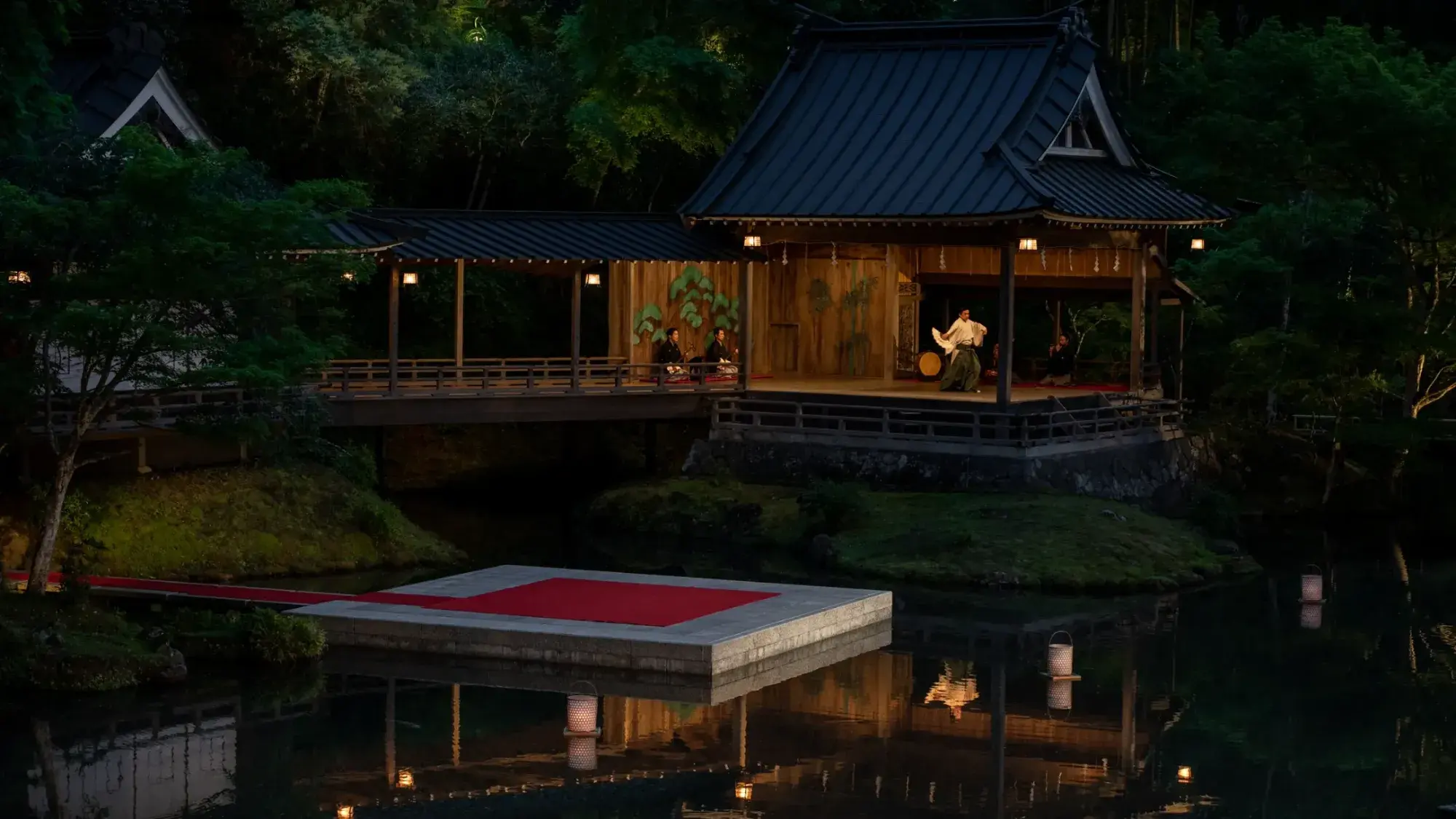 Asaba RyokanShuzenji, Izu
Kaiseki dinner in your room, included. Vegetarian and religious diets: three days' notice
 Fujiya InnGinzan Onsen, Obanazawa
Kaiseki dinner in your room, included. Allergies adjusted with three days' notice
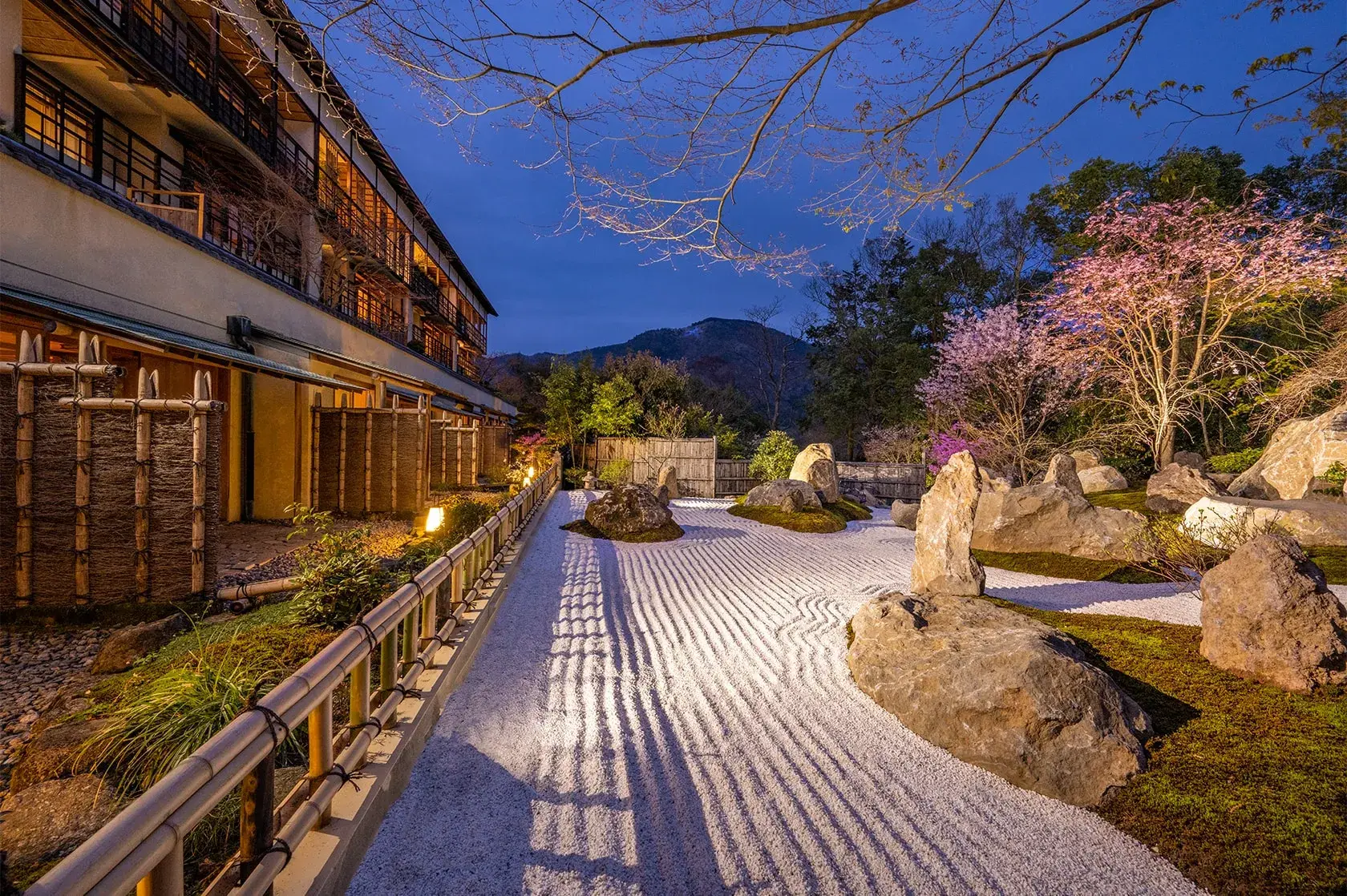 Gora KadanGora, Hakone
Kaiseki dinner in your room, included. Breakfast included, Japanese or Western
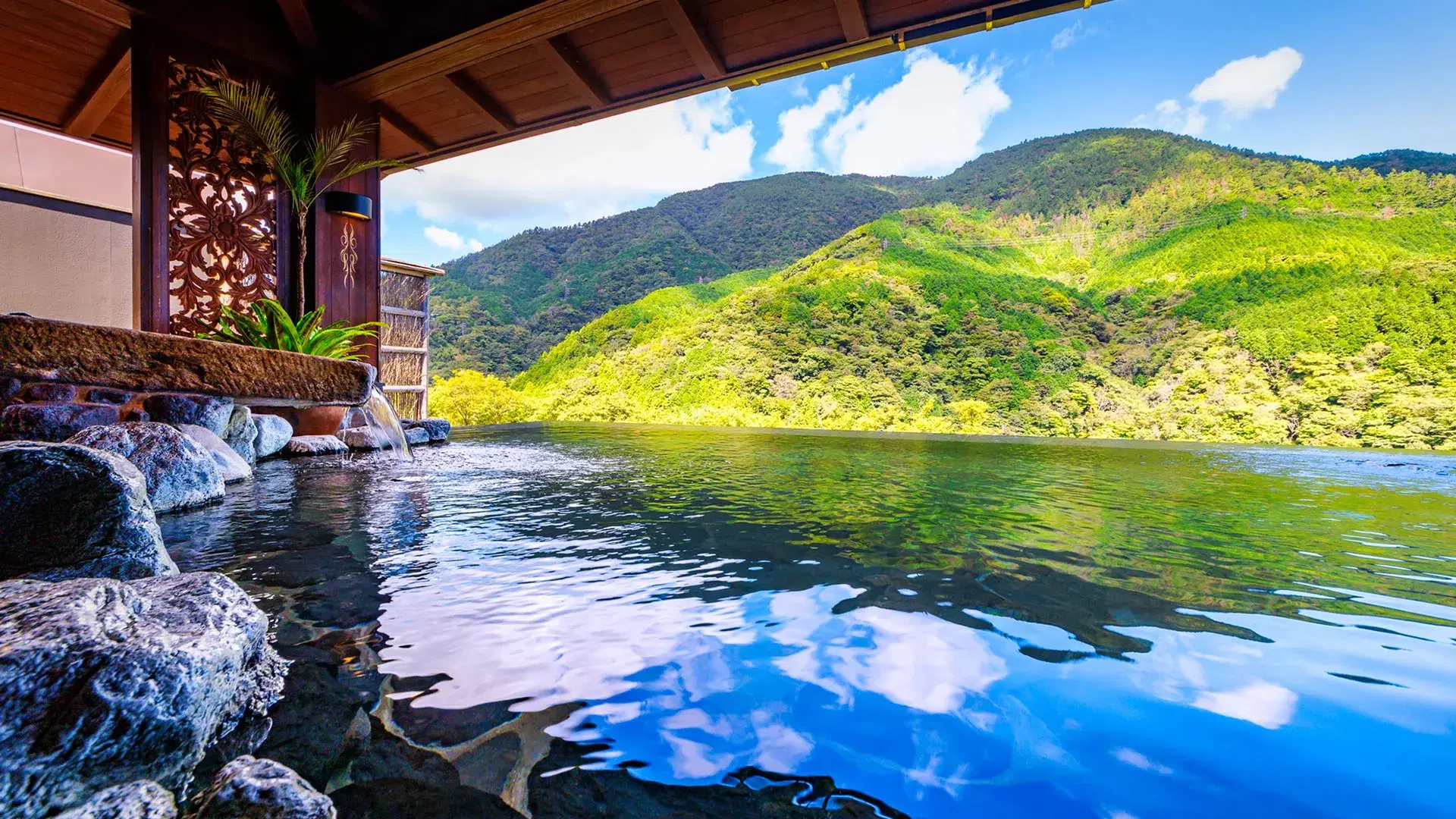 Hakone GinyuMiyanoshita, Hakone
Kaiseki in your own dining room, included. Breakfast in the room; Western if asked ahead
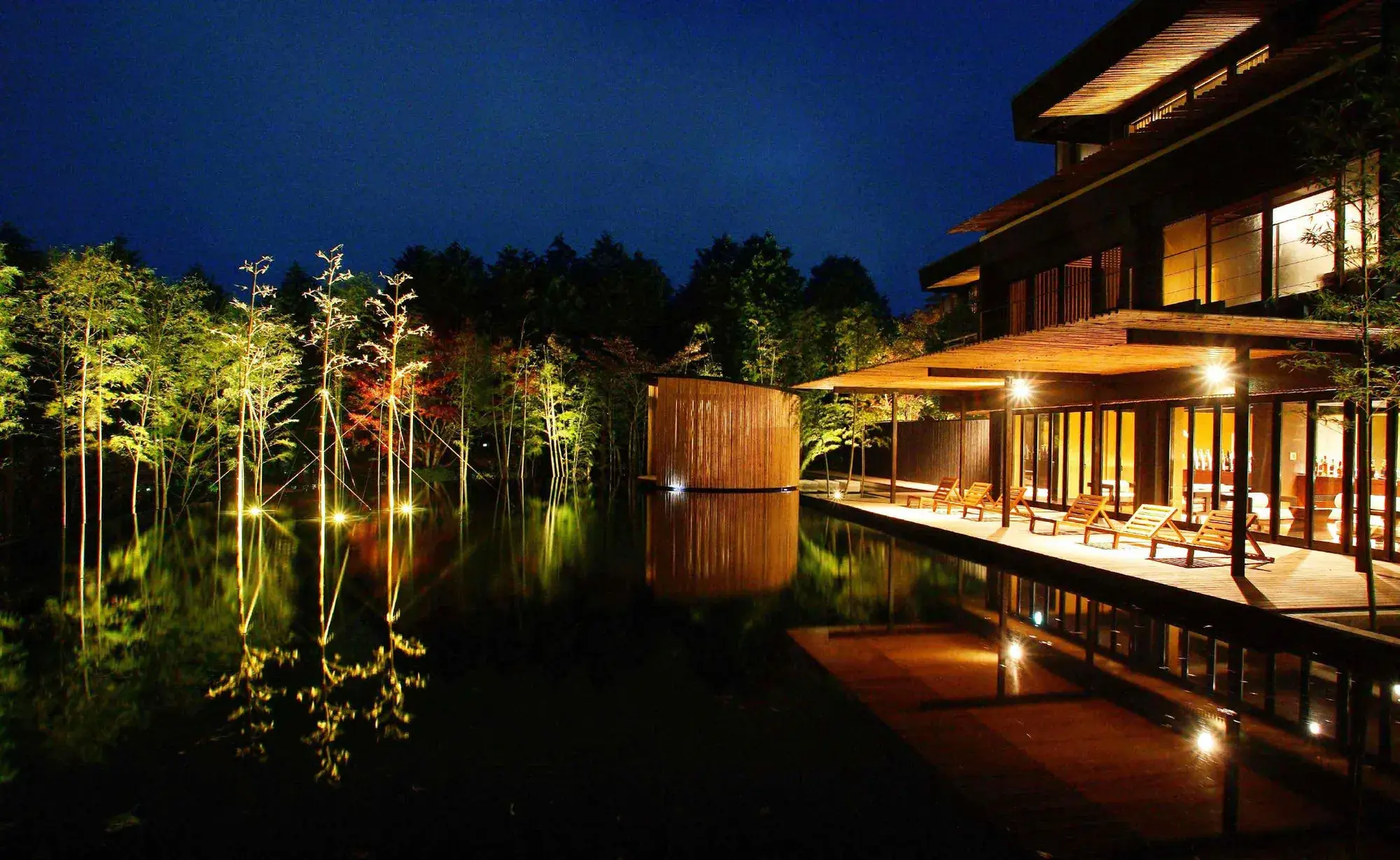 Kinnotake SengokuharaSengokuhara, Hakone
Kaiseki dinner in your room, on half-board plans. Breakfast in your room, included
The other 10
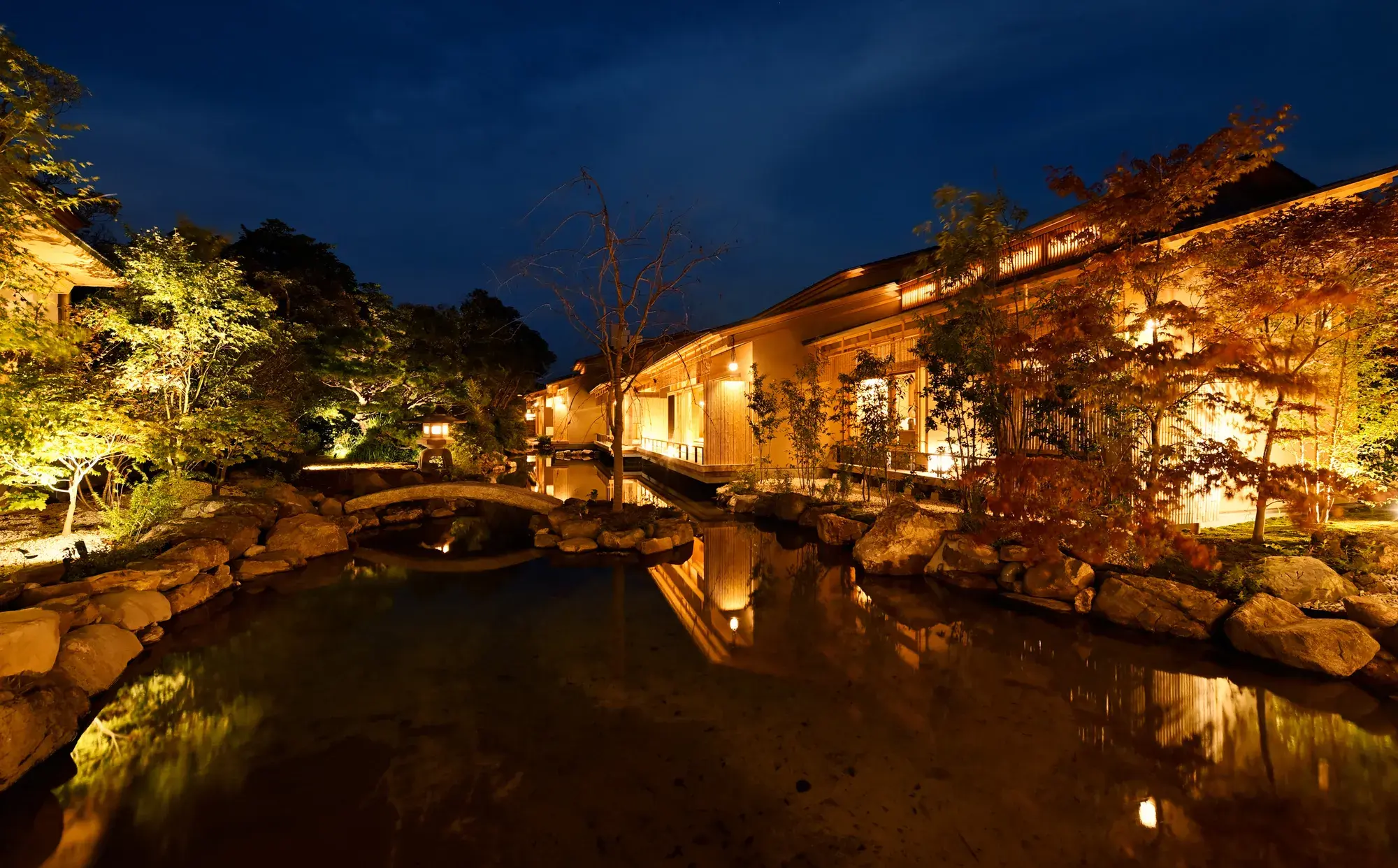
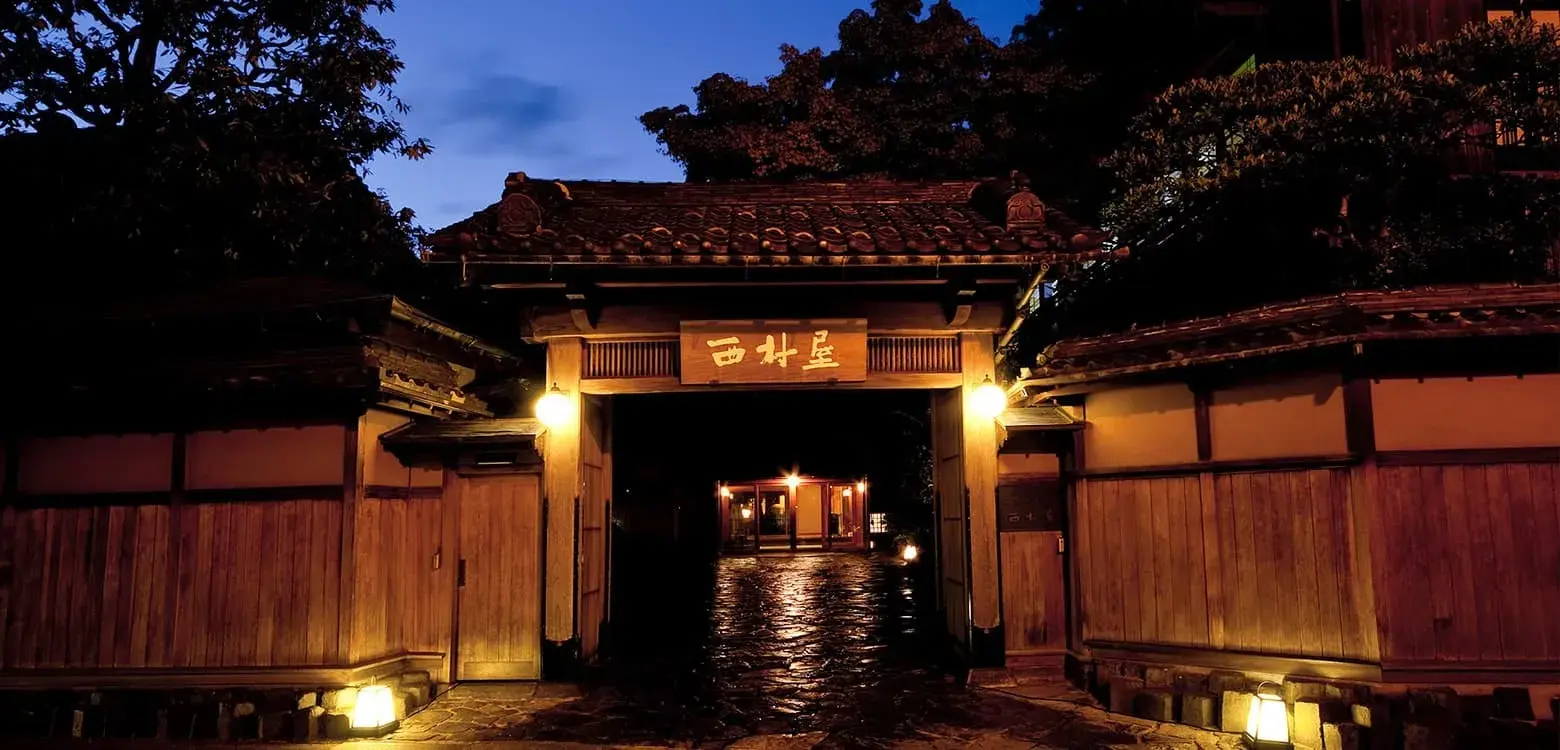 Nishimuraya HonkanKinosaki Onsen, Toyooka
Kaiseki dinner in your room, included. Matsuba crab courses November to March
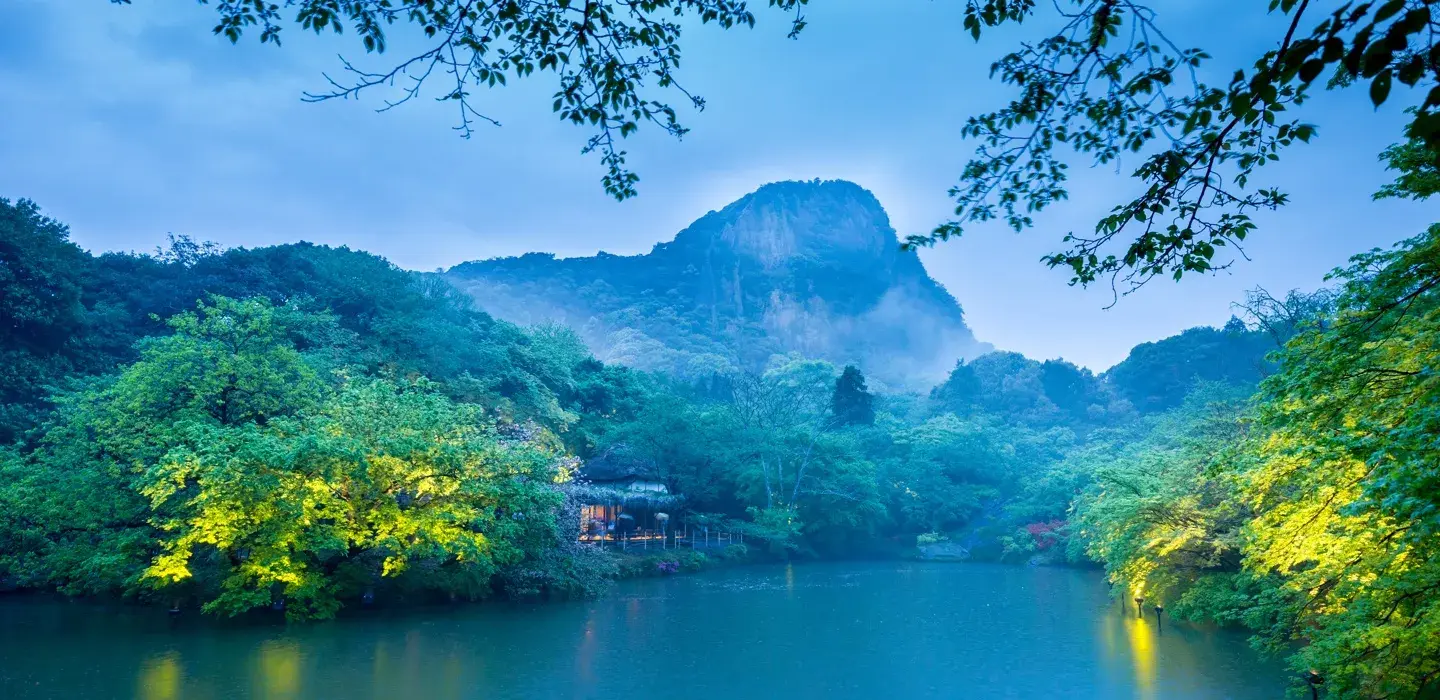 Onyado ChikurinteiMifuneyama Rakuen, Takeo
Kaiseki dinner in your room, included. Japanese breakfast in your room, included
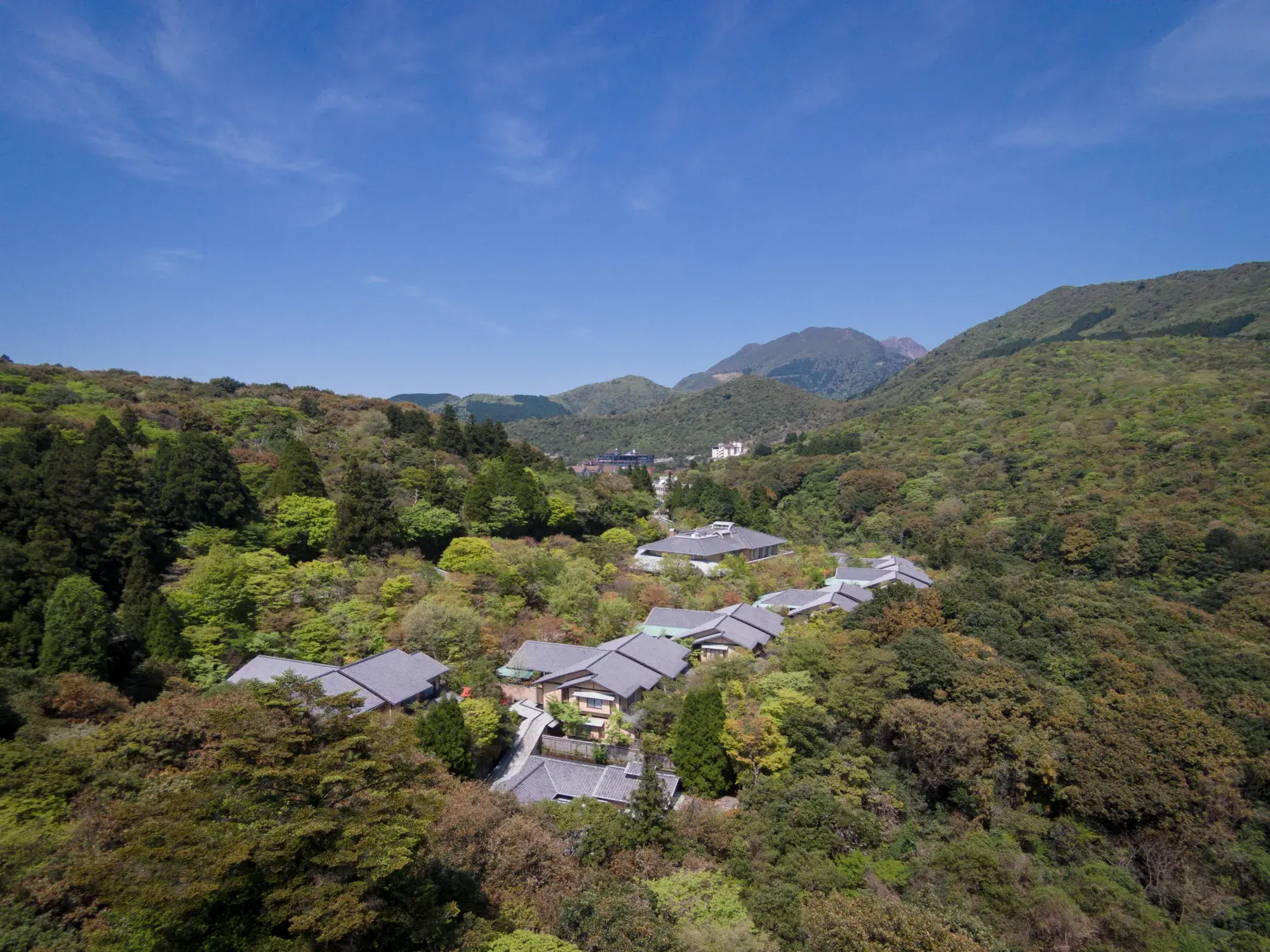 Ryotei HanzuiryoUnzen Onsen
Kaiseki dinner in your own building, included. Breakfast in your room, included
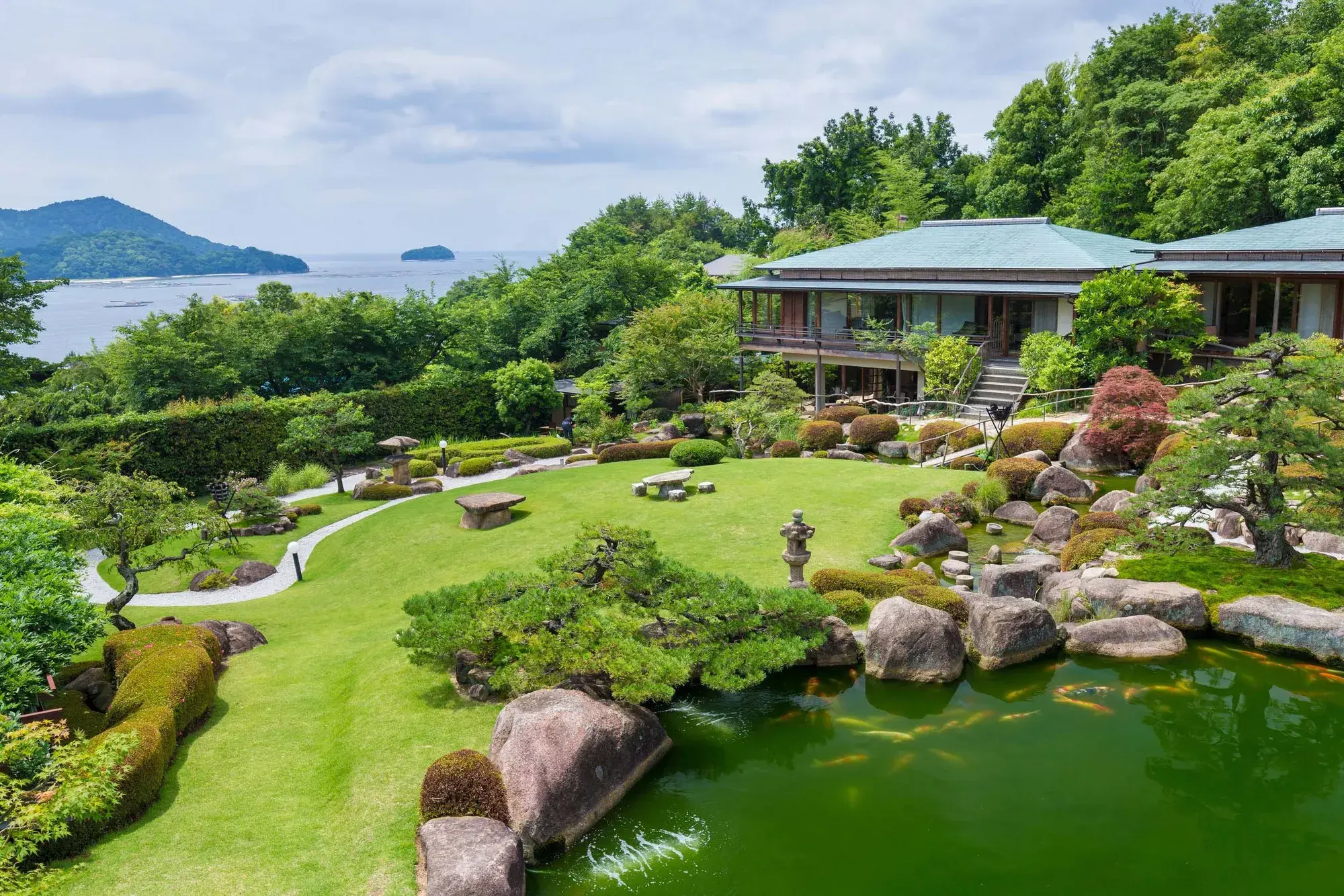 SekiteiMiyahama Onsen, Hatsukaichi
Kaiseki dinner in your room, included. Breakfast included, in the dining hall
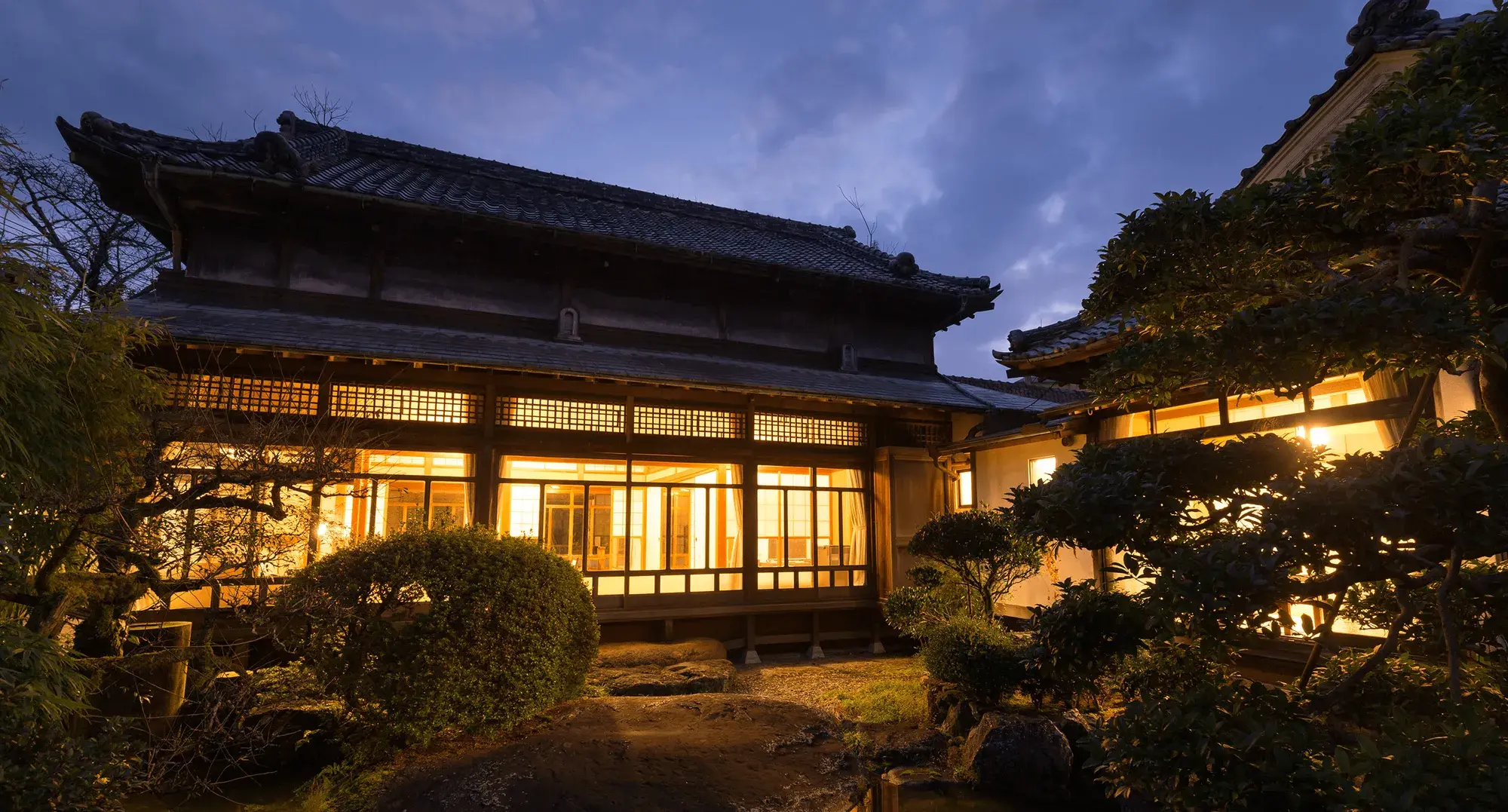 Suimeiso at Wataya BessoUreshino Onsen
Kaiseki dinner in your room, included. Japanese breakfast in your room, included
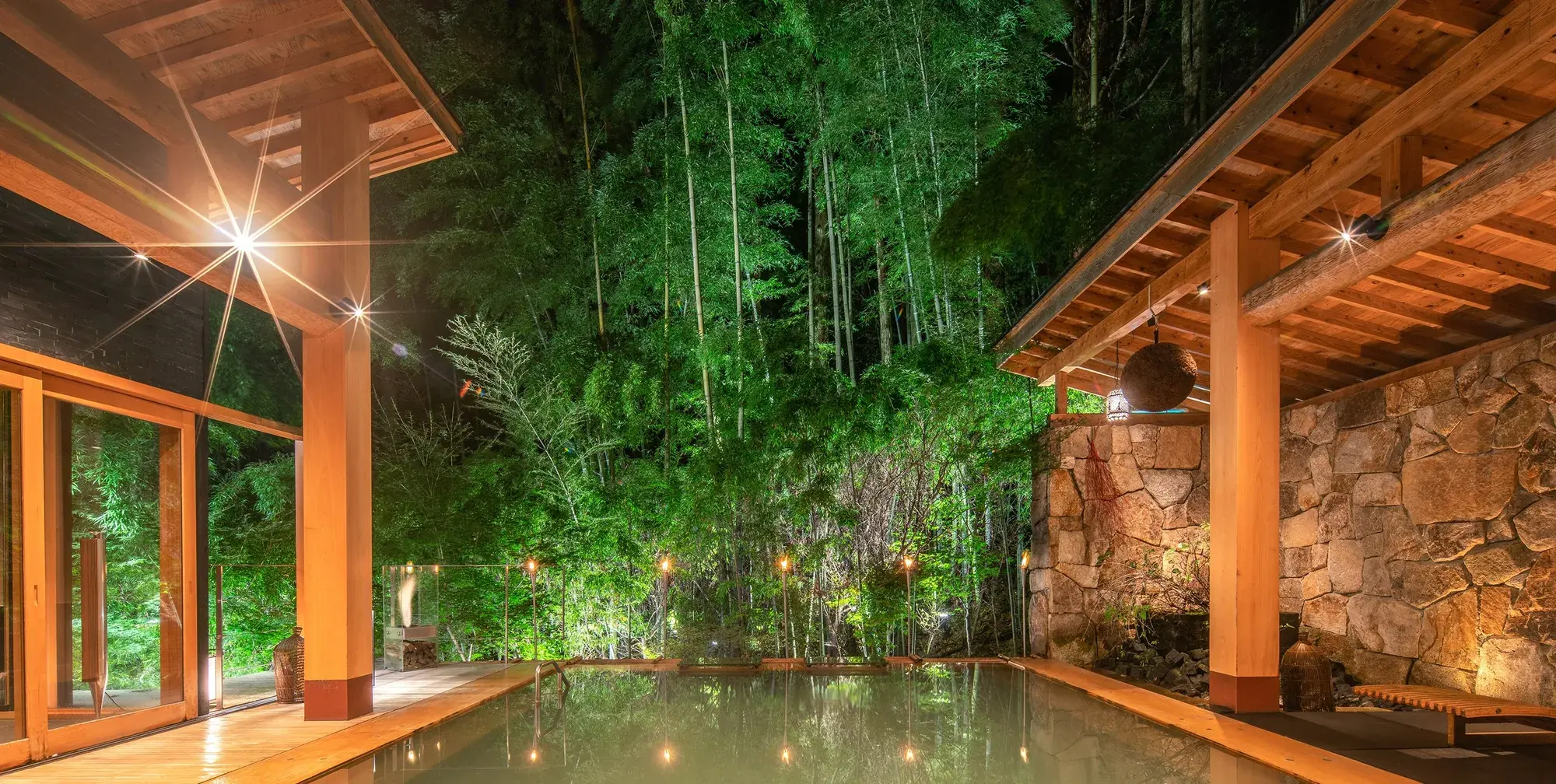 TakefueManganji, Kurokawa Onsen
Kaiseki dinner in your villa, included. Or Kumamoto beef shabu-shabu at no extra cost
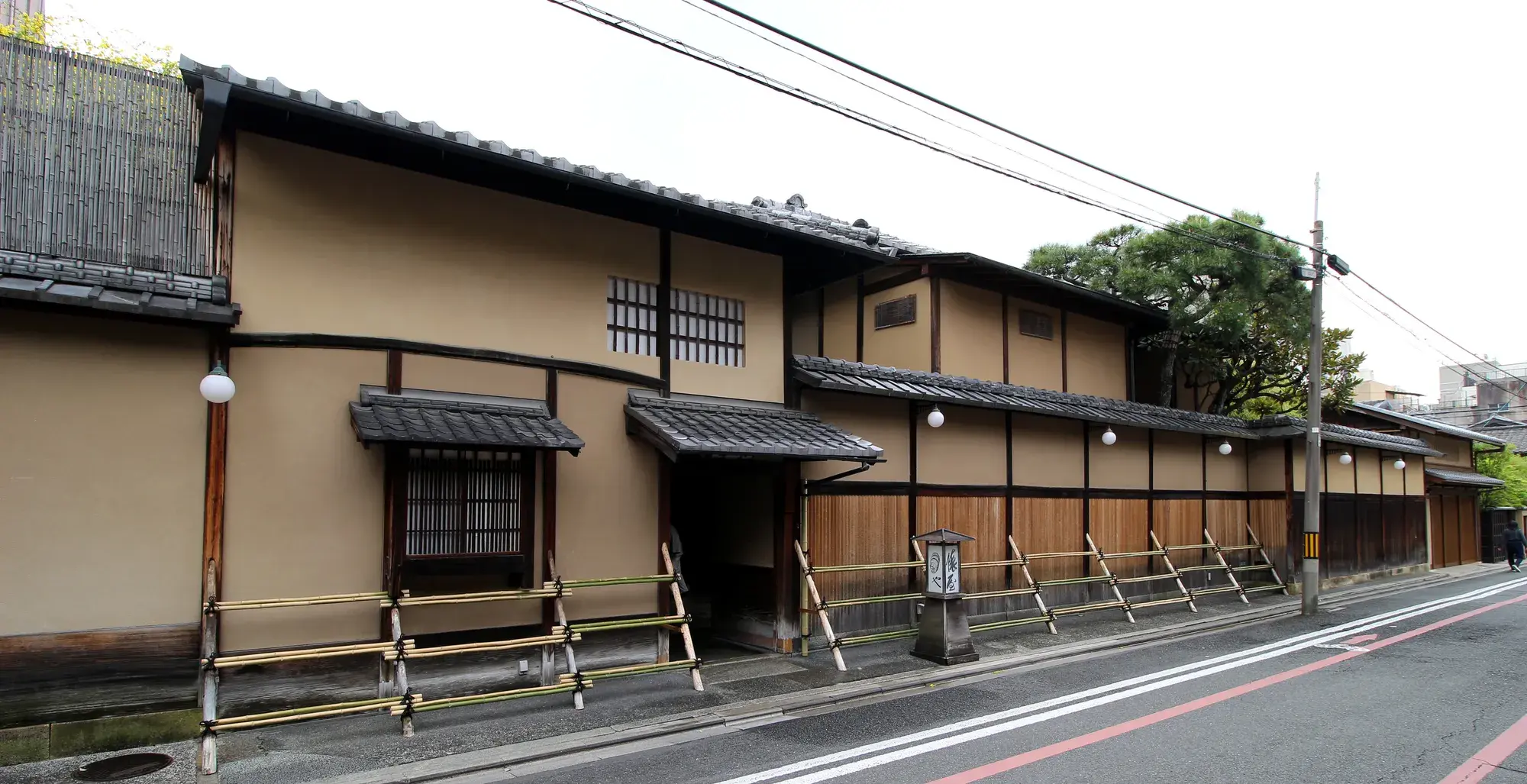 TawarayaFuyacho Aneyakoji, Kyoto
Kaiseki dinner in your room, included. No vegetarian or gluten-free meals
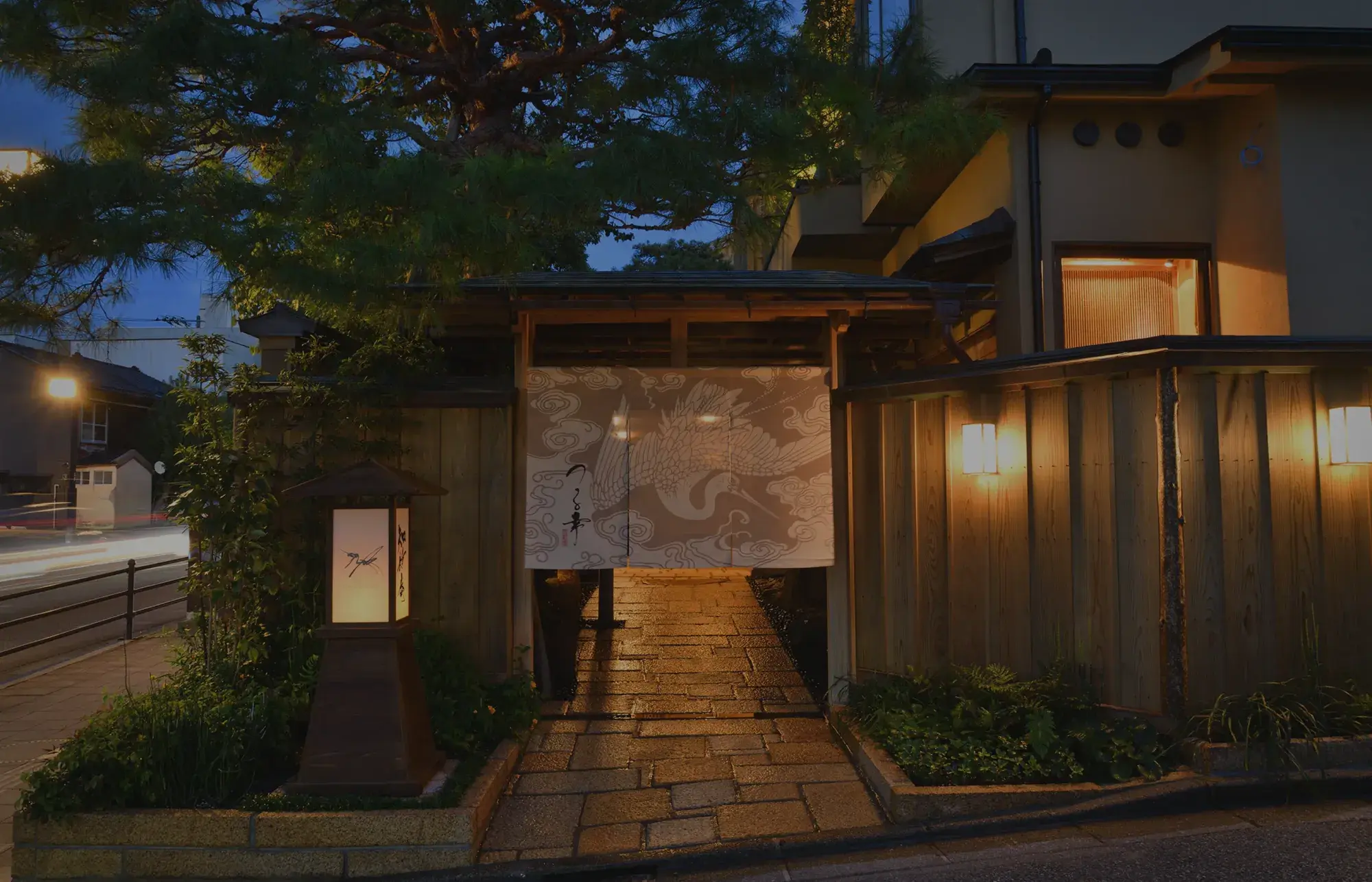 TsurukoTakaokamachi, Kanazawa
Kaiseki in your suite's dining room, as an add-on. No vegetarian, seafood-free or wheat-free meals
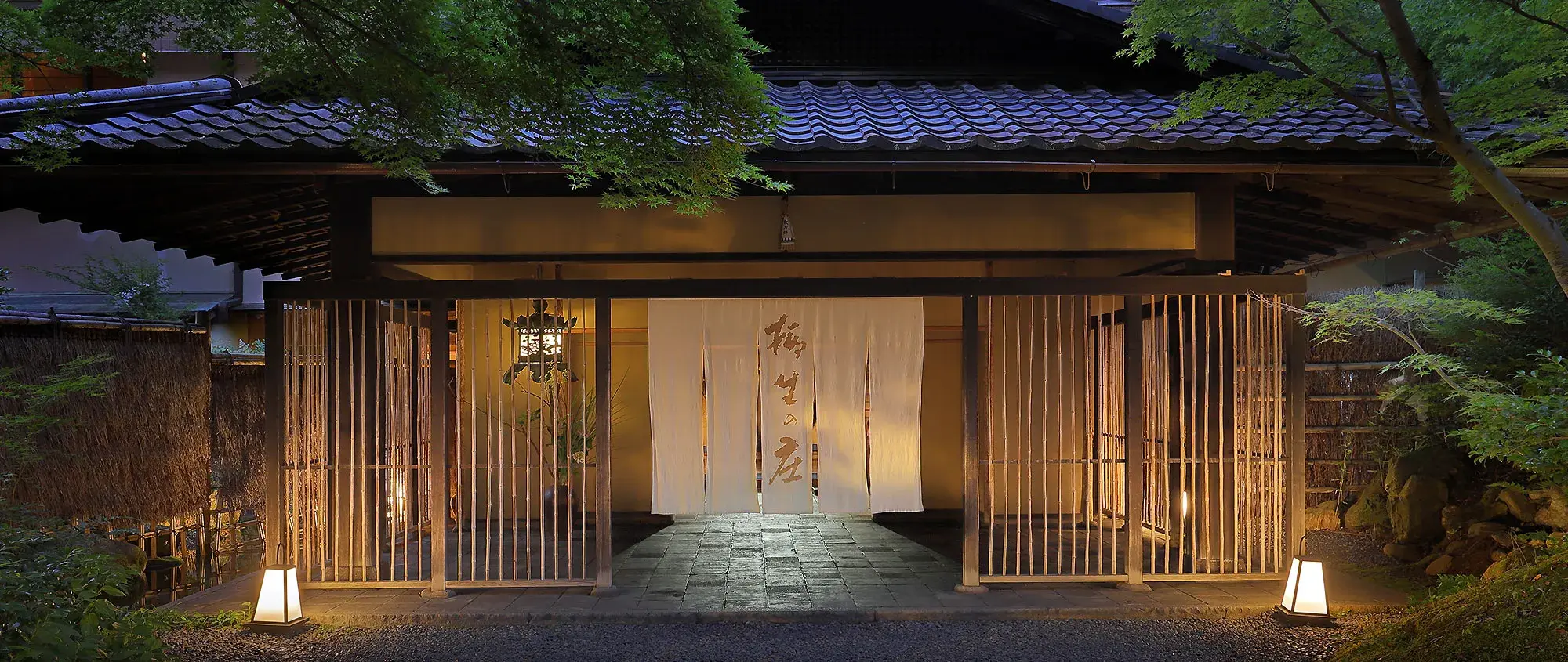 Yagyu-no-ShoShuzenji, Izu
Kaiseki dinner in your room, included. No vegetarian, vegan or fish-free meals
In some rooms, or a private dining room19
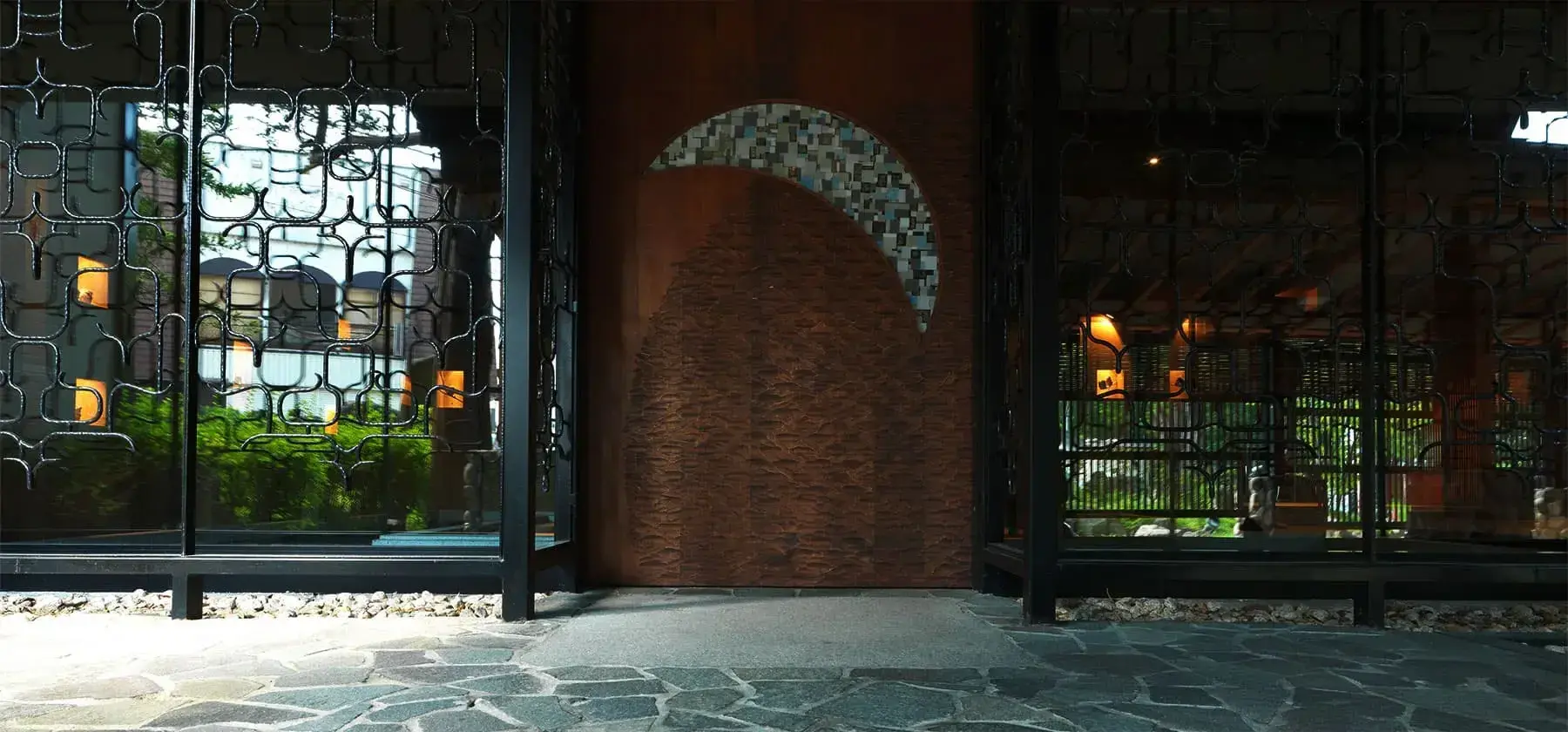 Akan Tsuruga Bessou HinanozaAkanko Onsen, Lake Akan
Kaiseki dinner in a private dining room, included. Served in your room in the Kasumi no Za suite
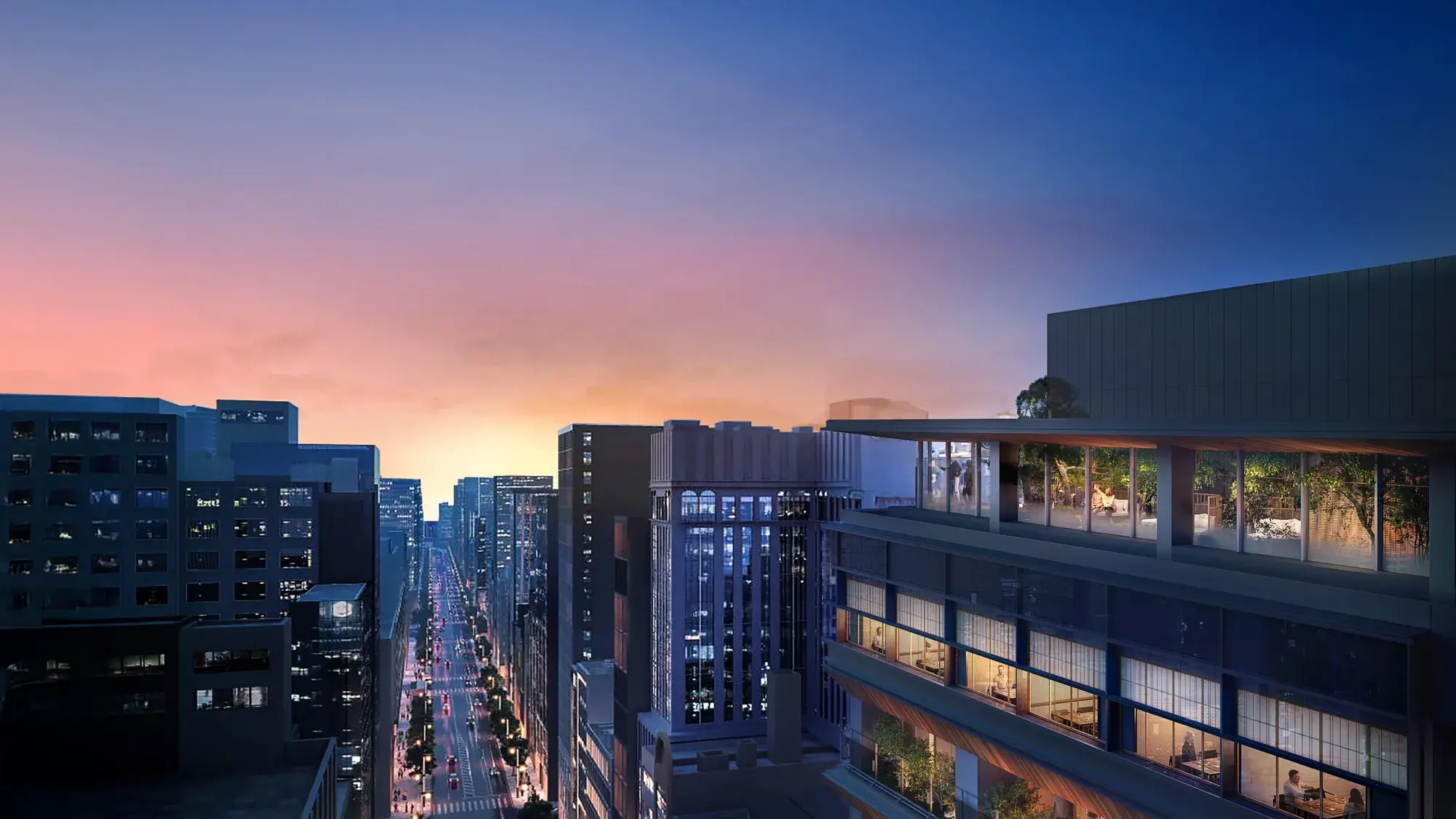 Fufu Tokyo GinzaGinza 1-chome, Tokyo
Japanese course in a private room, on two-meal plans. Or sushi at the counter downstairs
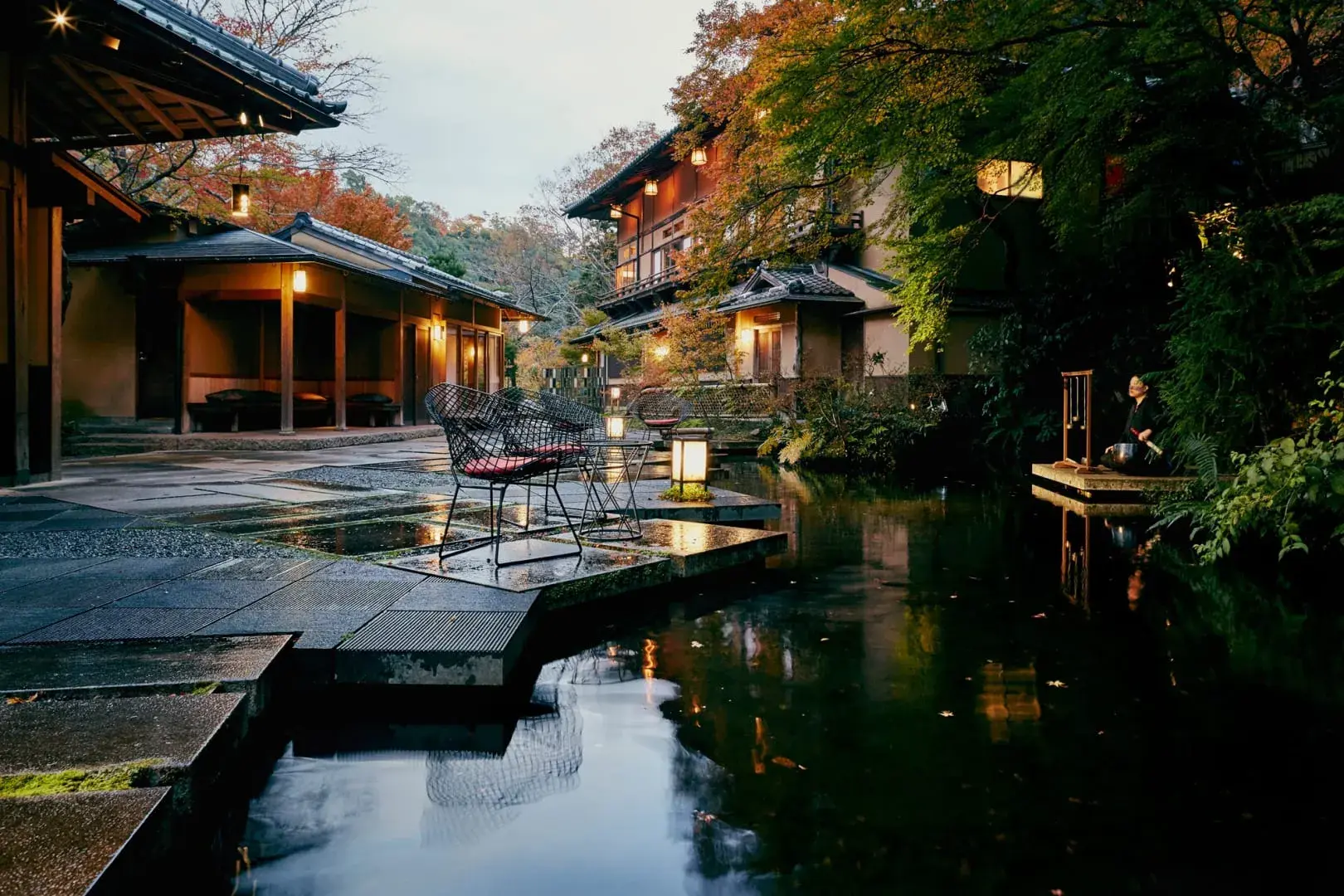 Hoshinoya KyotoArashiyama, Kyoto
Dinner is not included; book it after the room. In-room dinner: book by 20:00 the day before
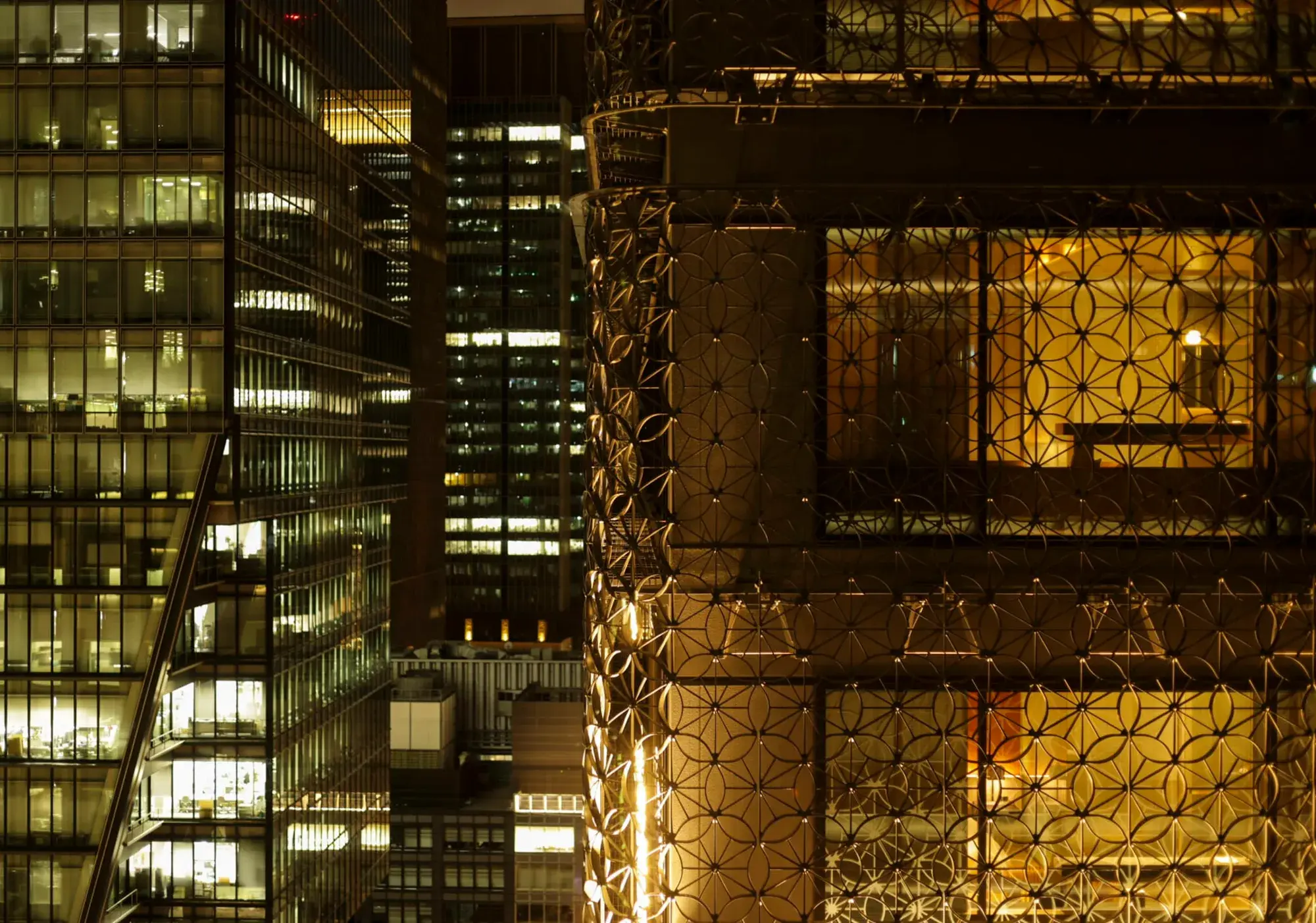 Hoshinoya TokyoOtemachi, Tokyo
Dinner is not included; course, sushi or in-room. Book breakfast by the day before
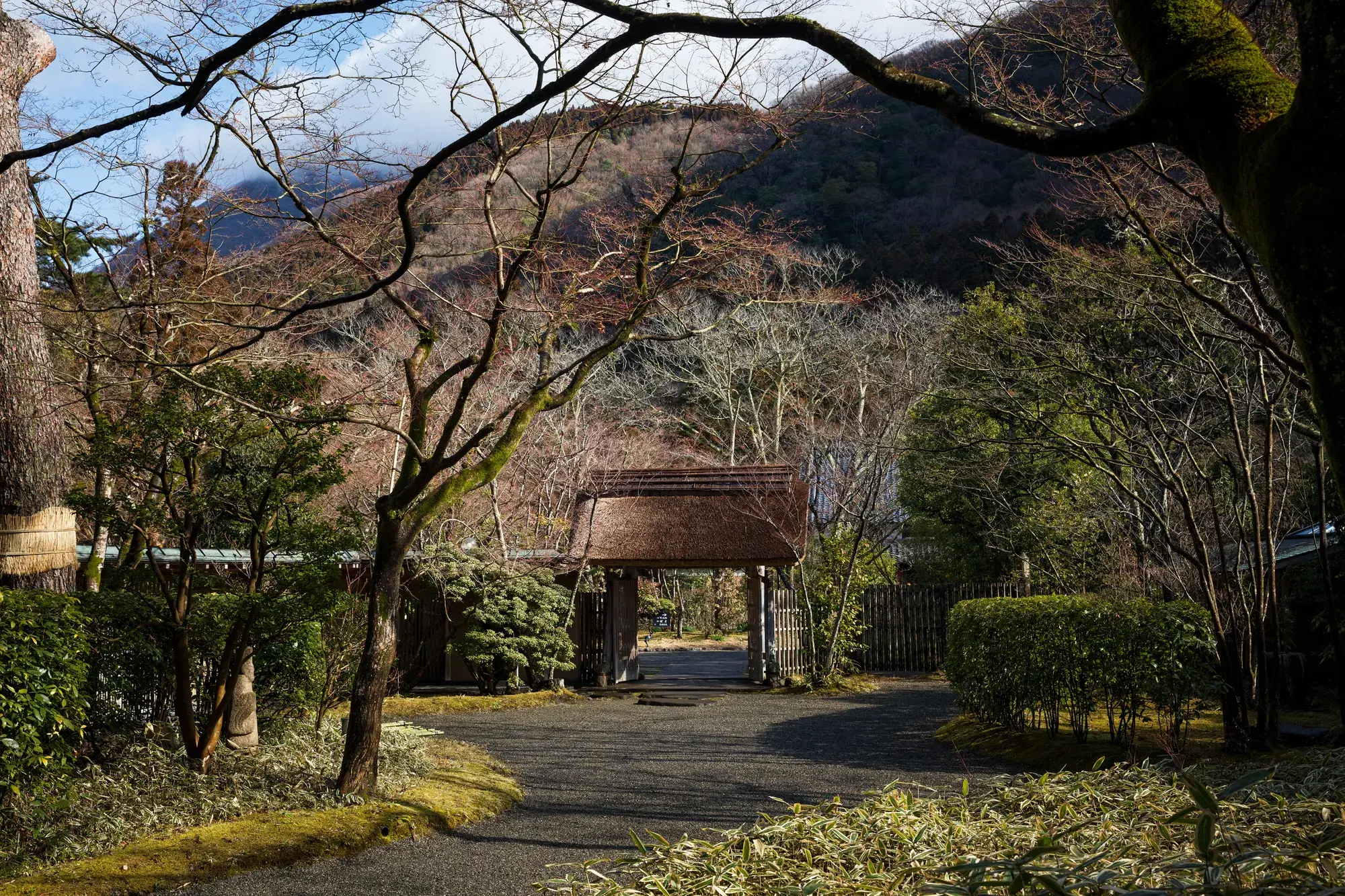 Kamenoi BessouLake Kinrin, Yufuin
Kaiseki dinner included, in-room for cottage guests. Main-building guests dine in the restaurant
The other 14
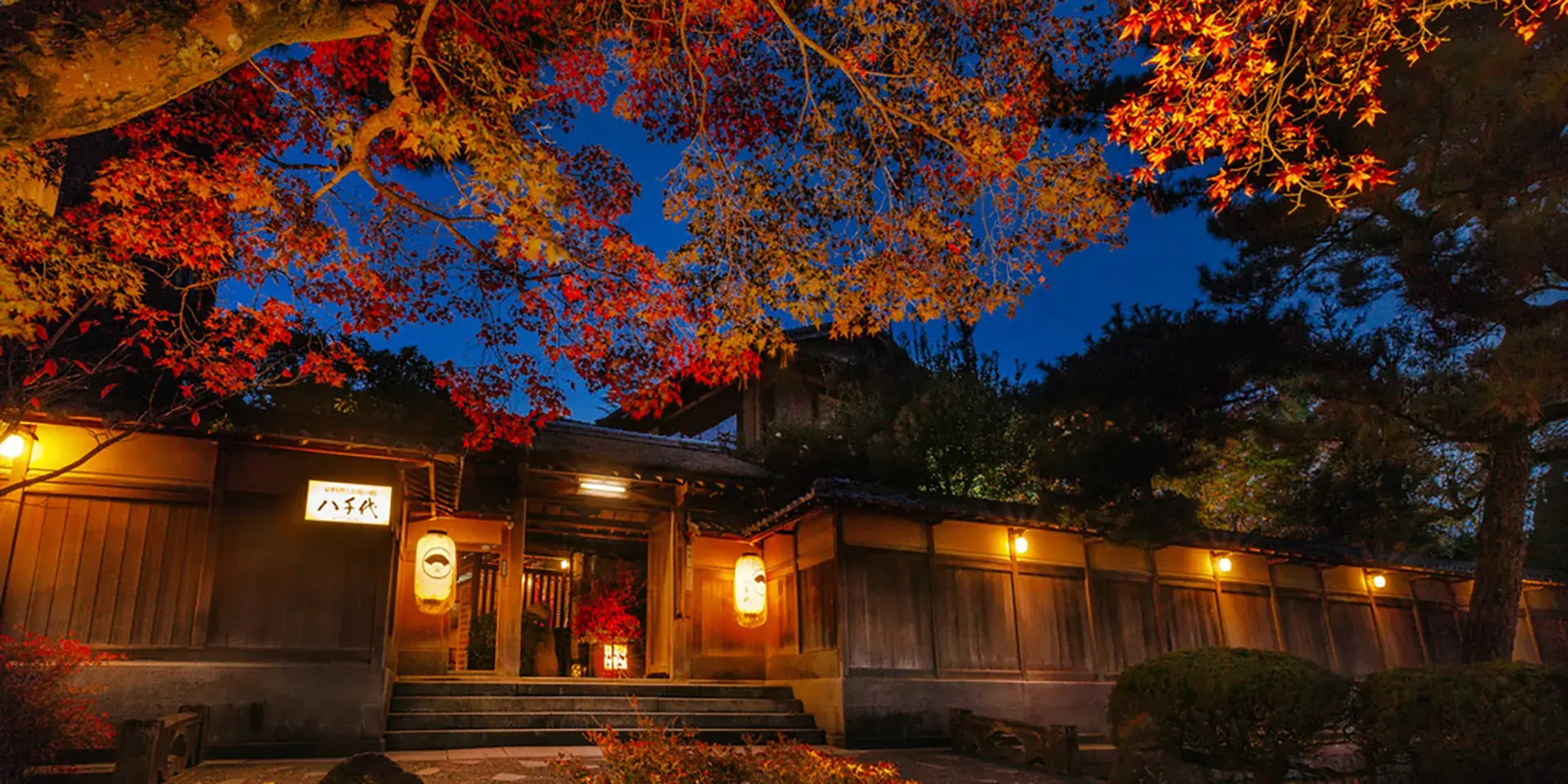 Kyoto Nanzenji Garden Ryokan YachiyoNanzen-ji, Kyoto
Dinner only in dinner plans, in the garden restaurant. Kaiseki, wagyu or vegetarian hot pot; no halal
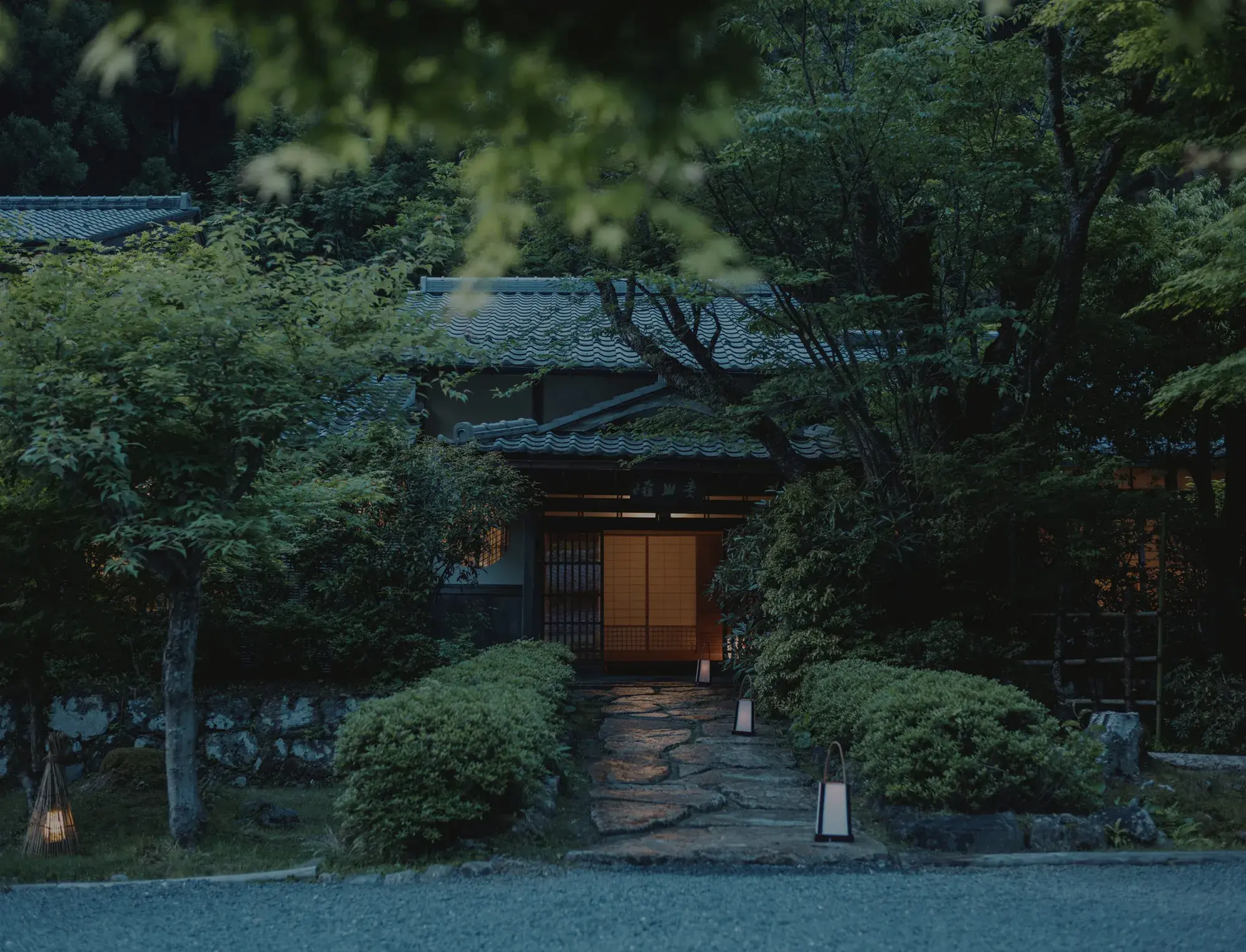 MiyamasouHanase, Kyoto
Tsumikusa dinner of foraged plants, included. In your room, a private room or at the counter
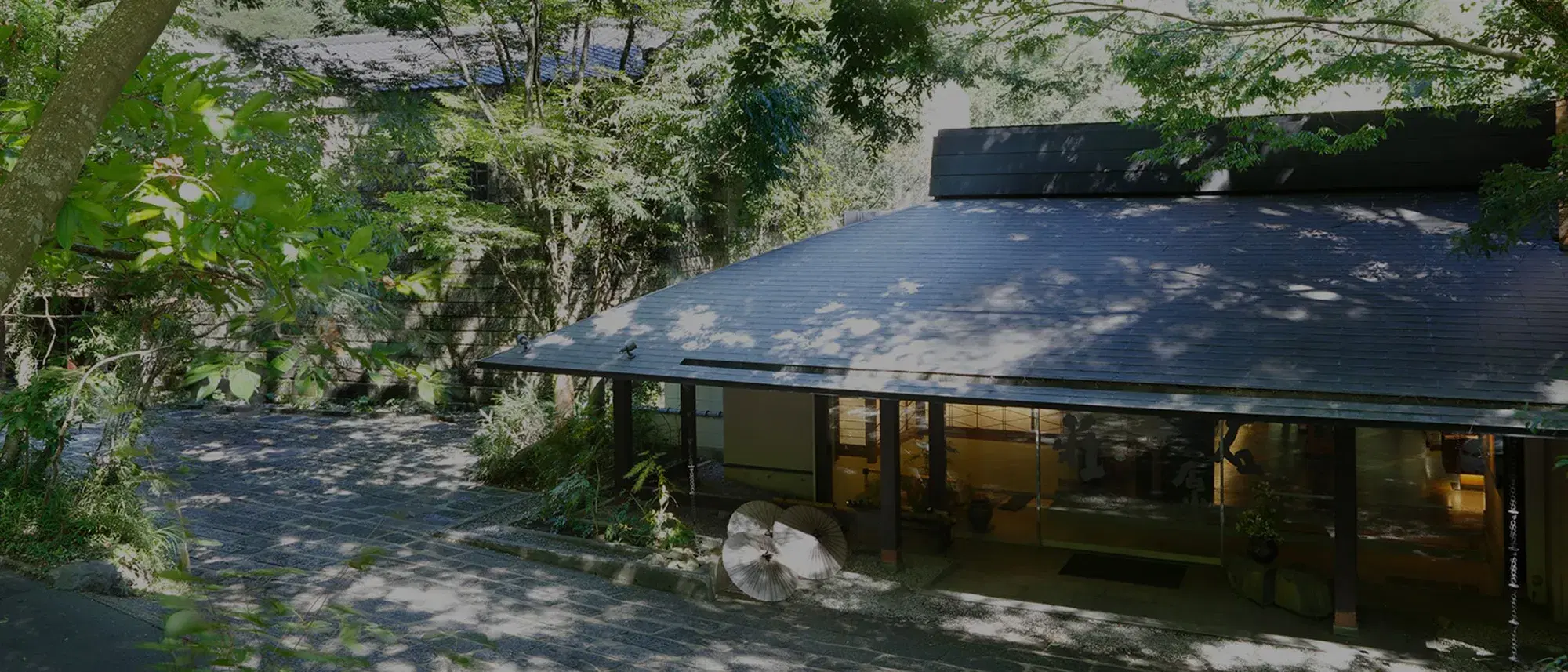 Myoken IshiharasoMyoken Onsen, Kirishima
Kagoshima dinner included, in the restaurant. In-room dining for two in some rooms, on request
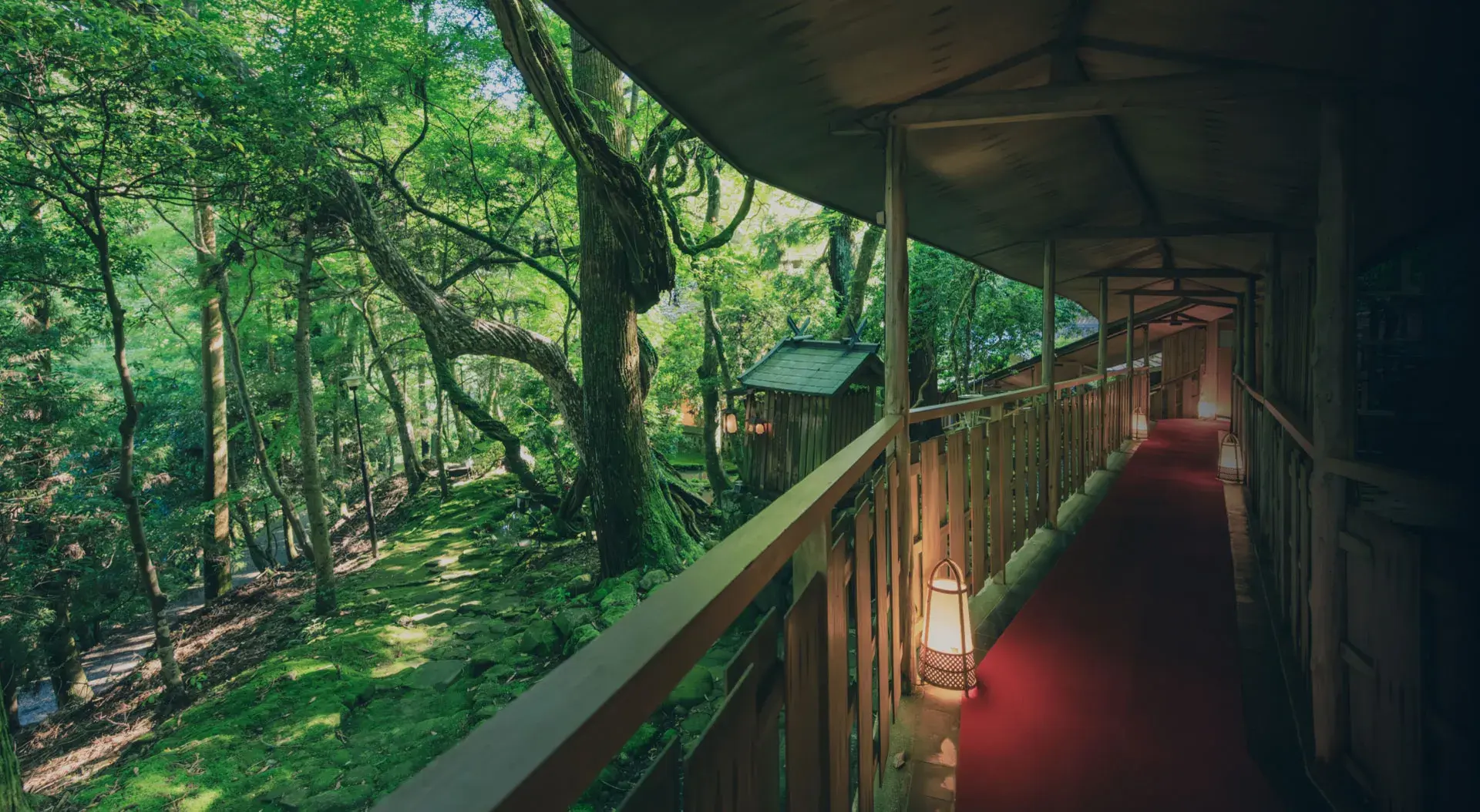 Nara Kasugaokuyama TsukihiteiKasugano, Nara
Kaiseki dinner, included. In your room, or a private dining room for some
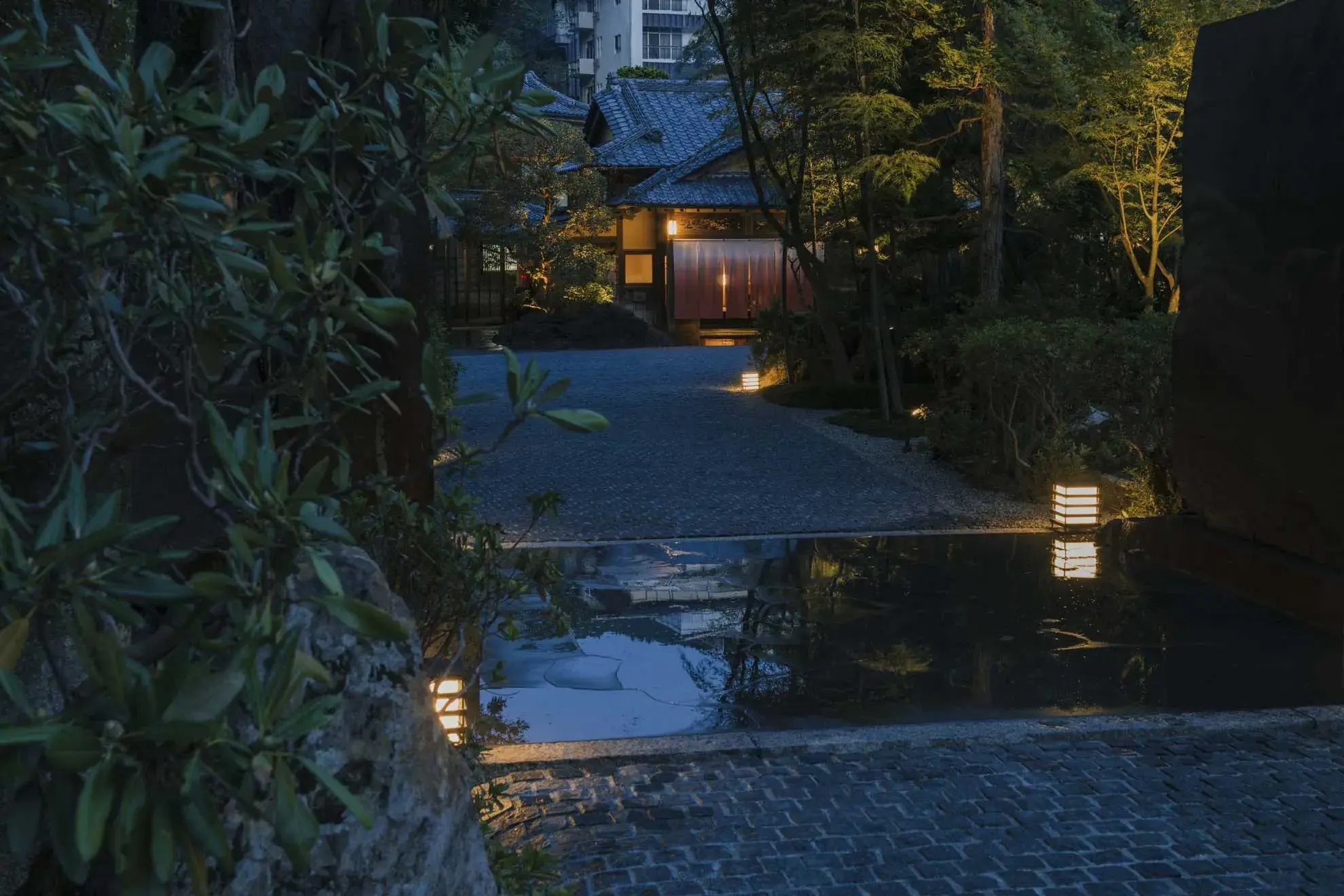 OchiairoAmagi Yugashima Onsen, Izu
Dinner and breakfast included, in the restaurant. Villa guests dine in the villa, cooked by a chef
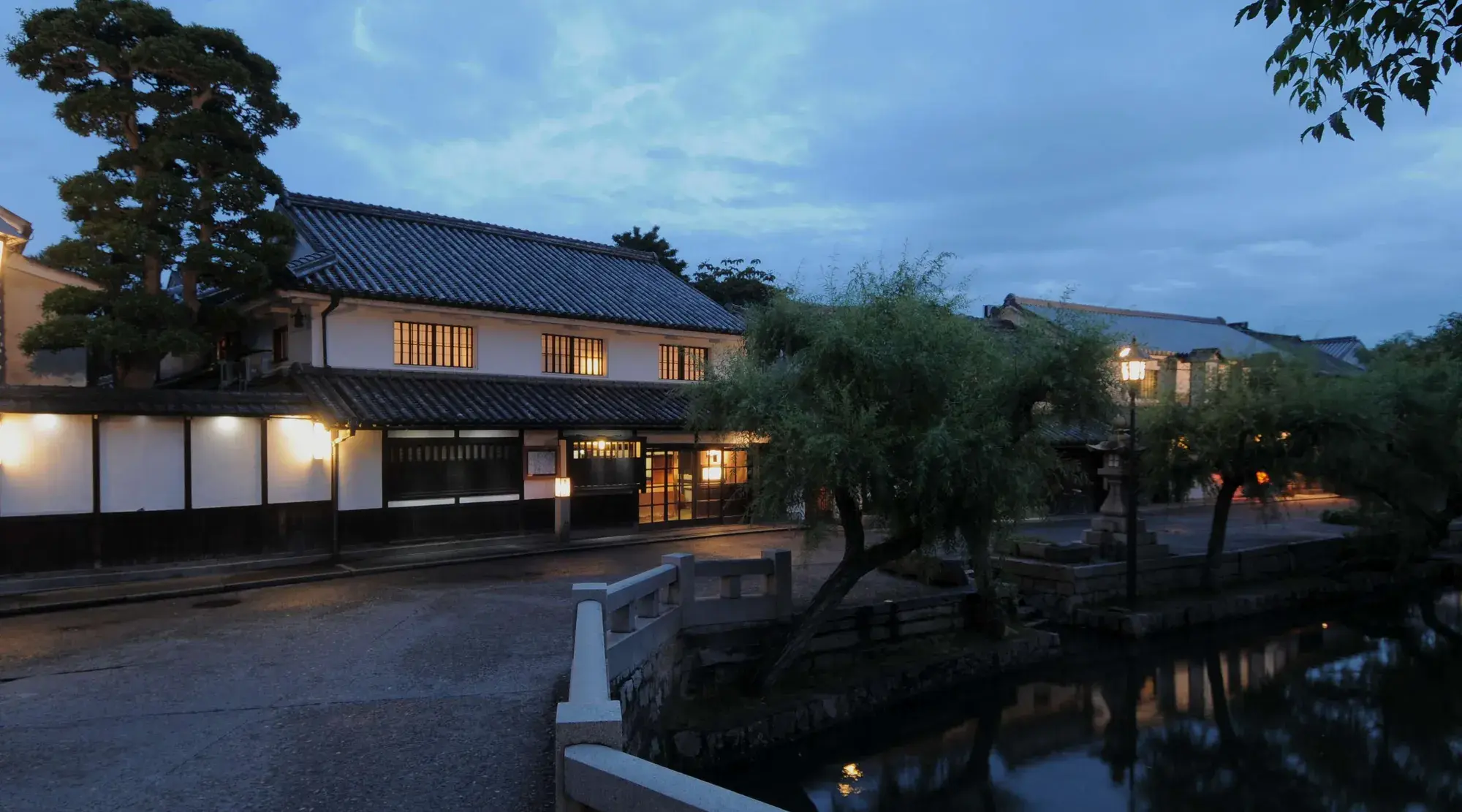 Ryokan KurashikiBikan Historical Quarter, Kurashiki
Kaiseki dinner in the restaurant, on dinner plans. Western breakfast if asked in advance
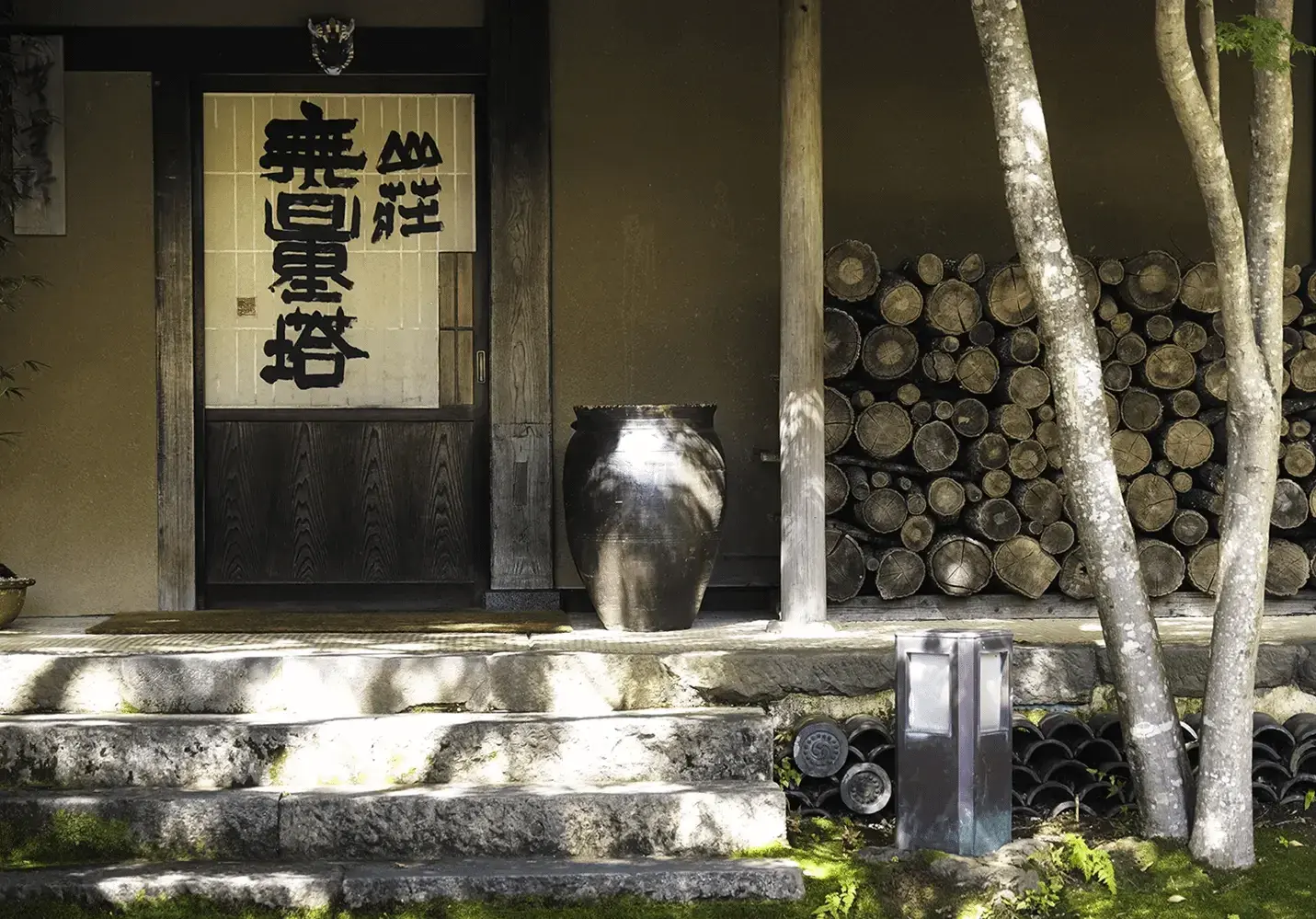 Sanso MurataKawakami, Yufuin
Dinner included, mostly served in your house. Some houses dine in a private room instead
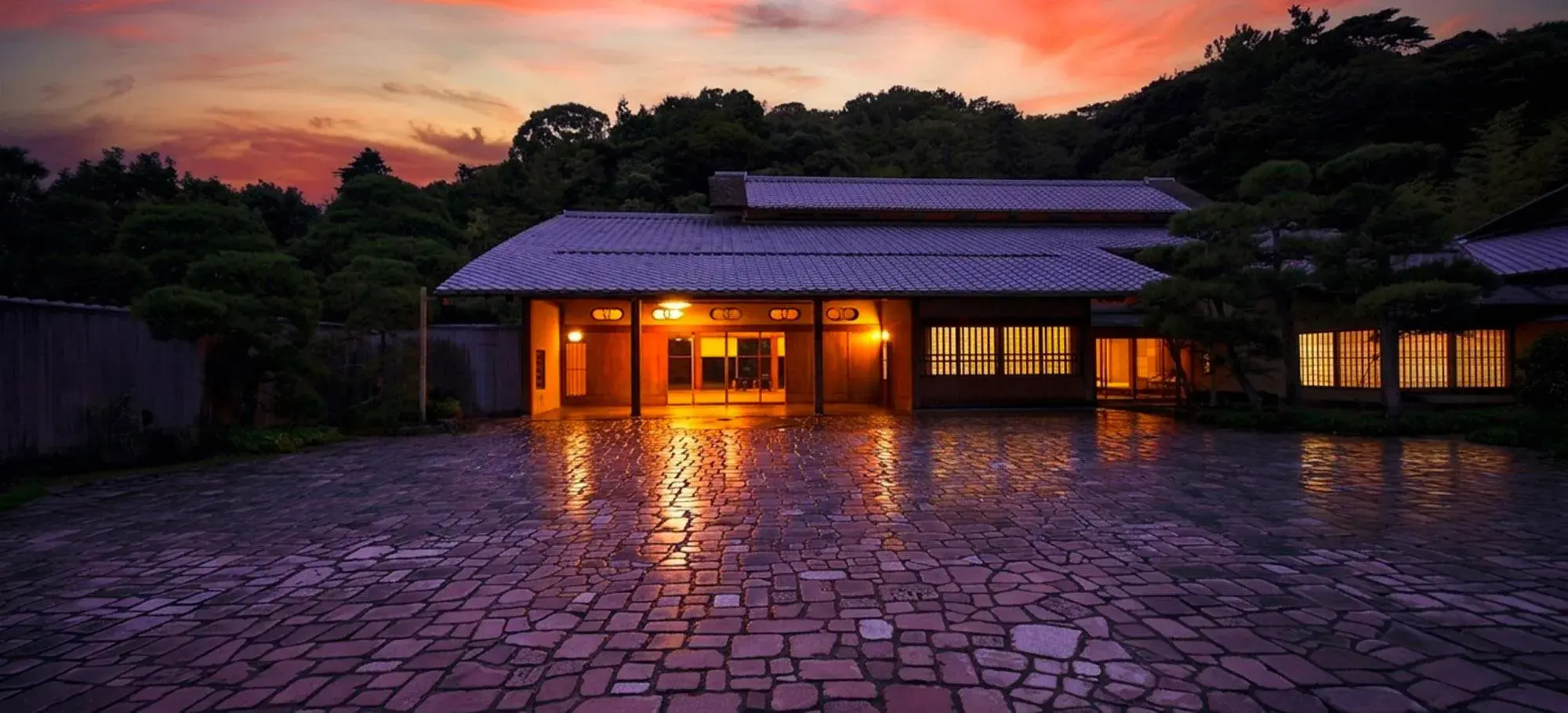 Sanyo-soIzu-Nagaoka Onsen, Izunokuni
Kaiseki dinner, included on half-board plans. Vegetarian dinner with five days' notice
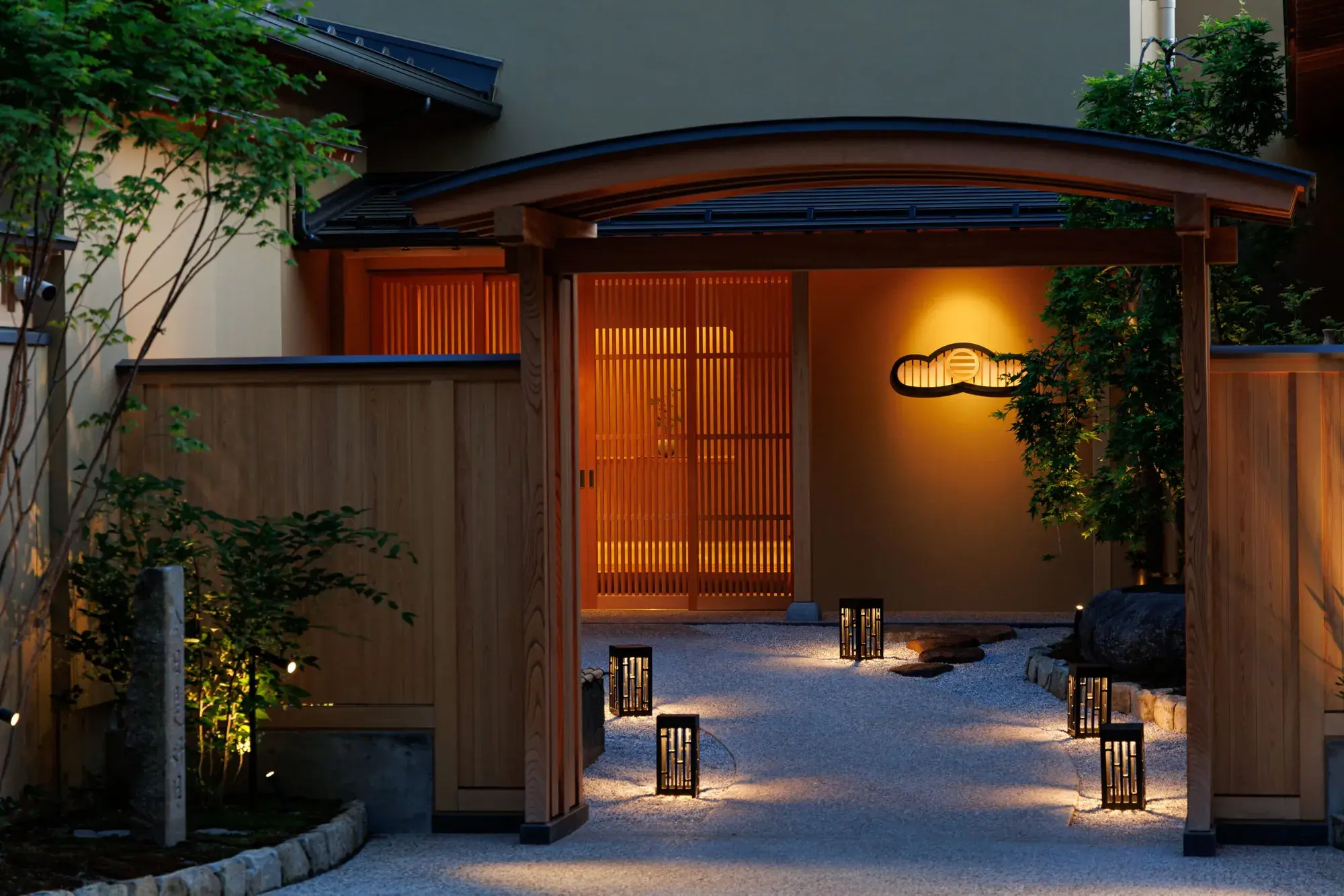
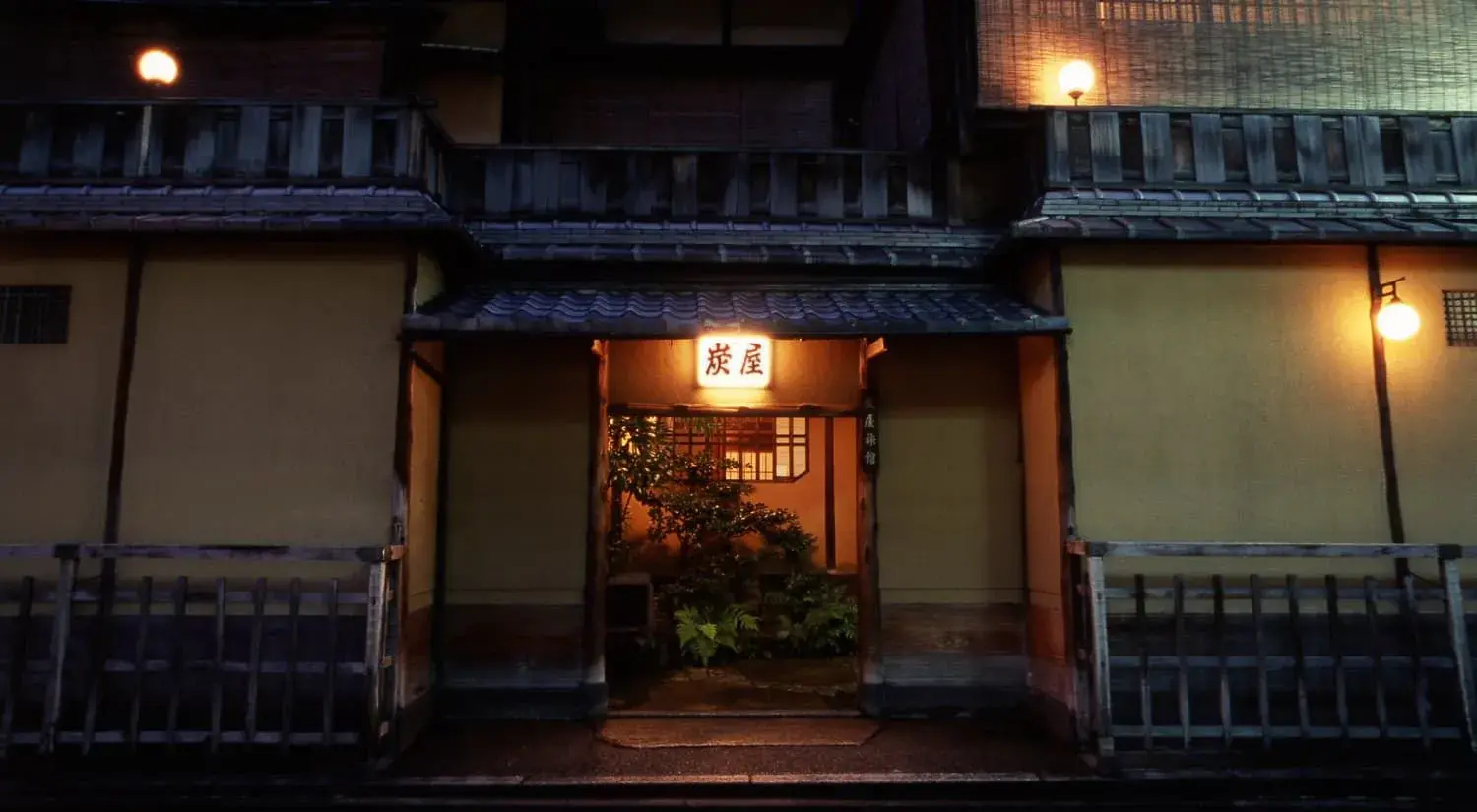 Sumiya RyokanFuyacho Sanjo, Kyoto
Kaiseki included, in your room or a private room. Vegetarian and allergies with three days' notice
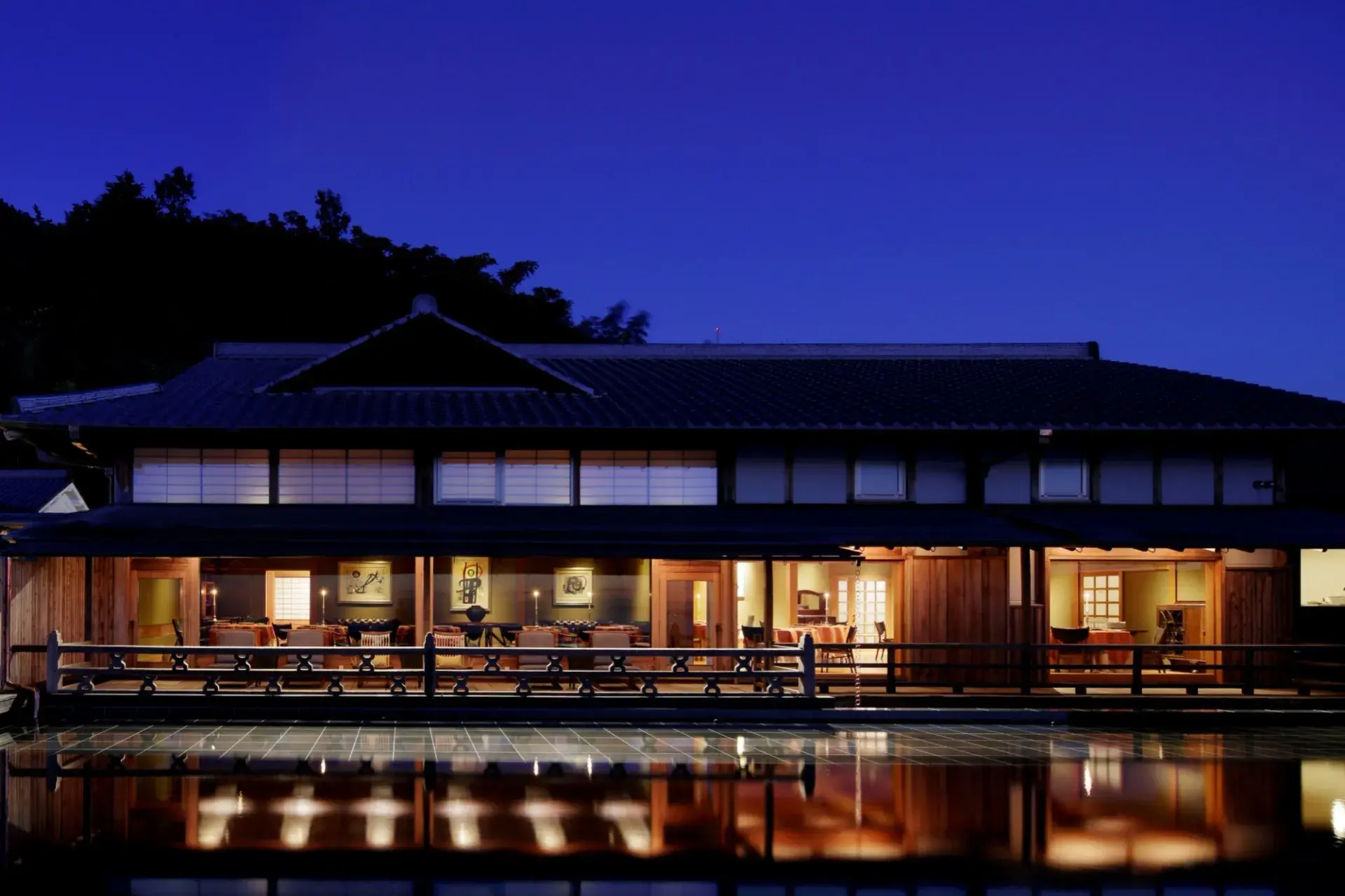 The Hiramatsu AtamiAtami
French dinner facing Sagami Bay, on dinner plans. In-room meals in the two Premier Suites
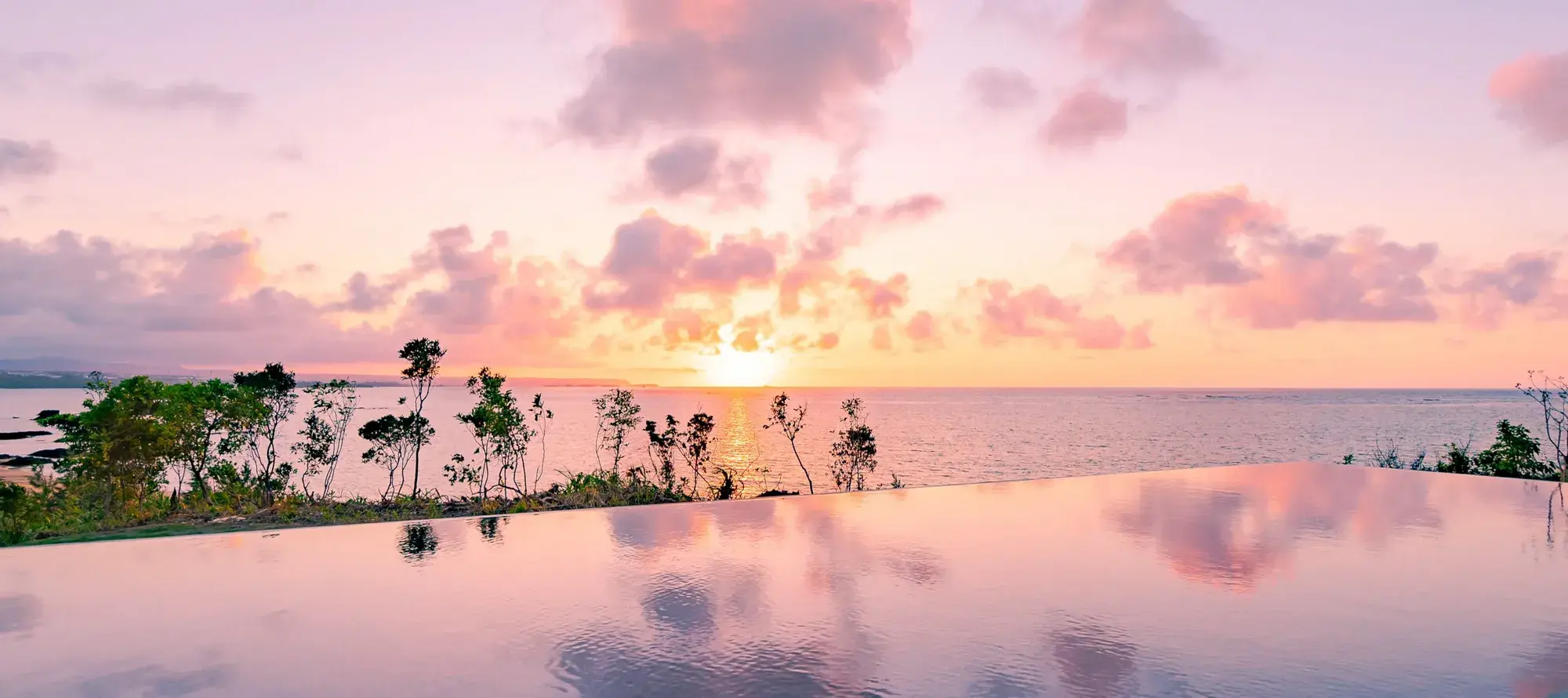 The Hiramatsu GinozaMatsuda, Okinawa
French tasting menu over the sea, on dinner plans. Agu pork shabu-shabu in the villa, if booked
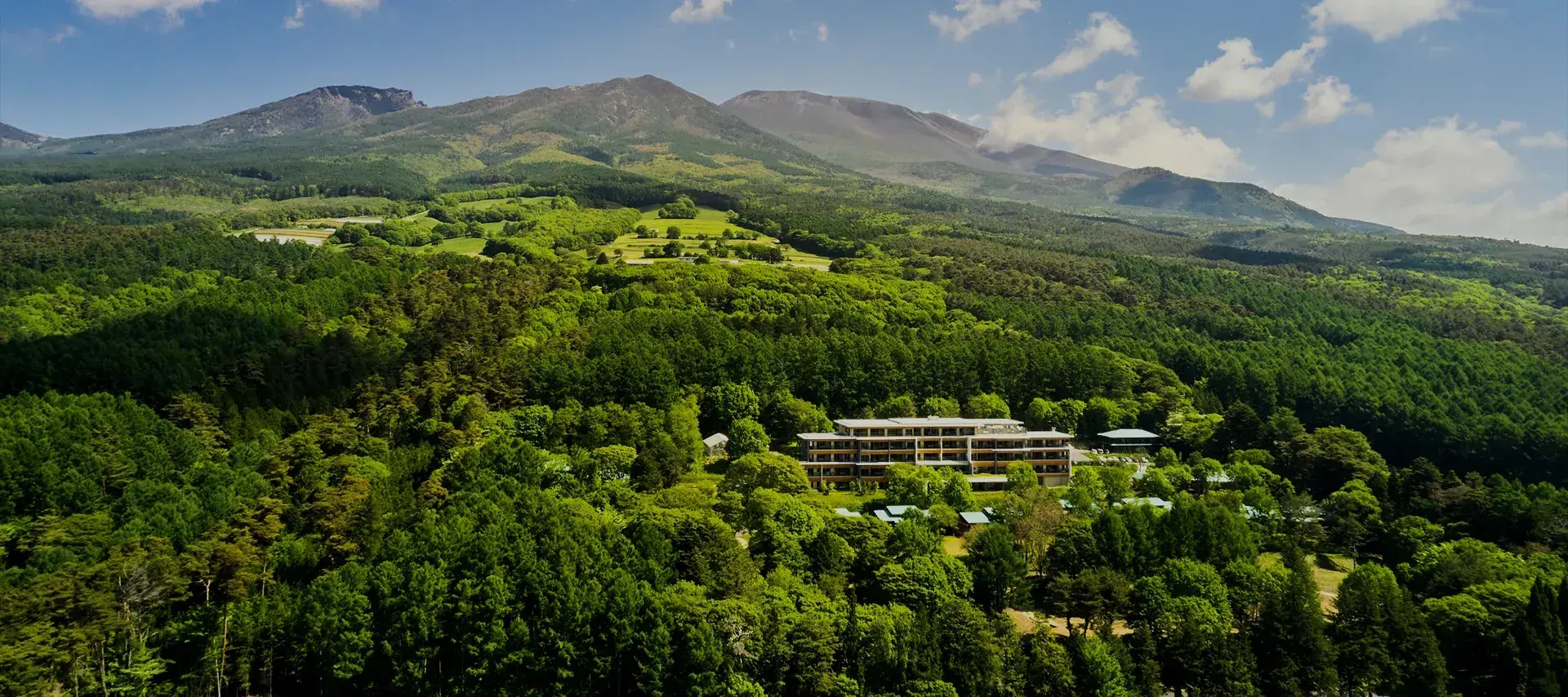 The Hiramatsu Karuizawa MiyotaShiono, Miyota
French or Italian dinner, on dinner plans. Villa guests can dine in the villa or garden
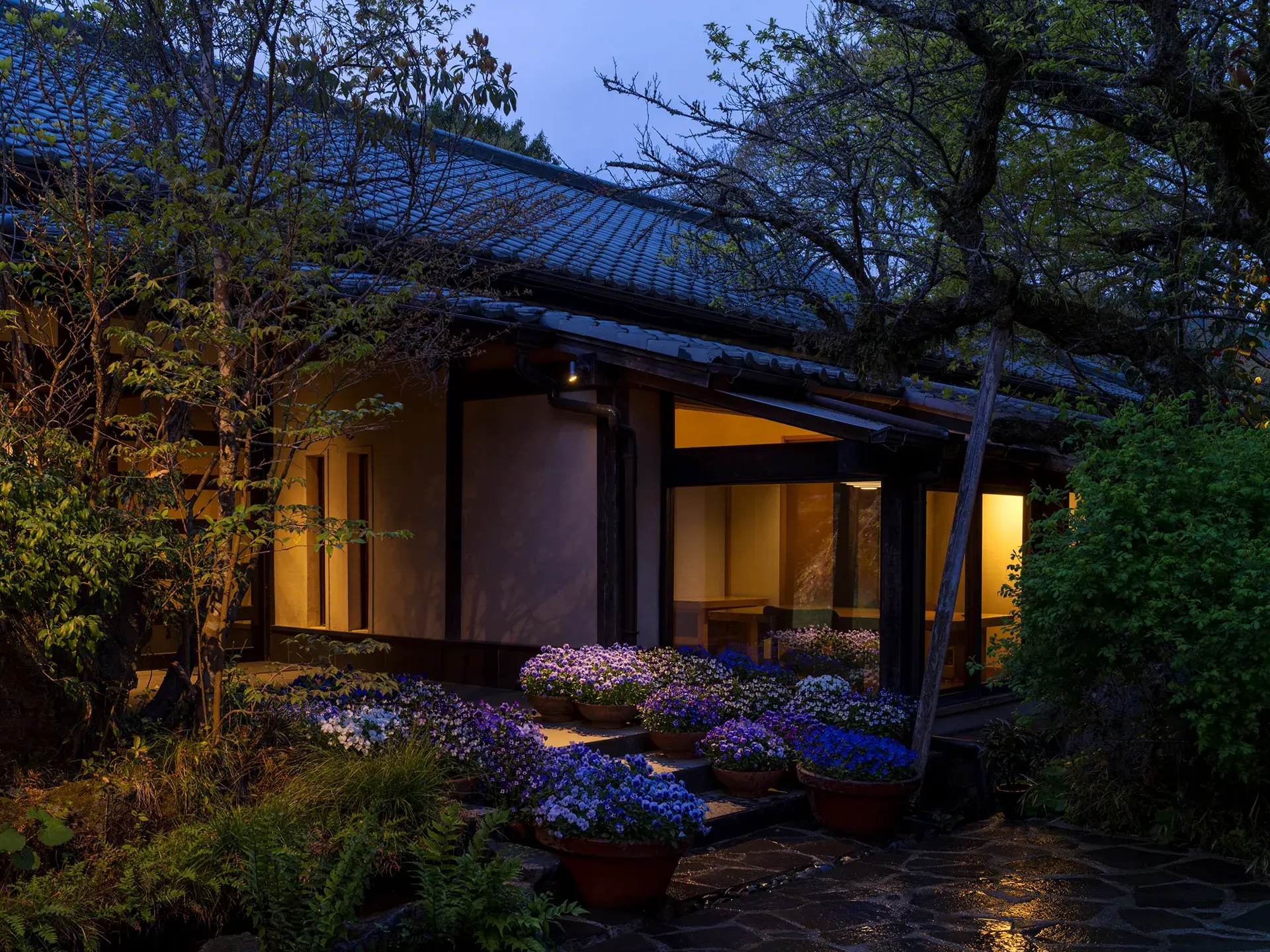 Yufuin TamanoyuYufuin Onsen
Country-style dinner in the restaurant, included. Choose your main course by the day before
Vegetarians, allergies and dislikes
Kaiseki stocks are made with dashi, which usually contains fish, so a true vegetarian dinner needs a kitchen that plans for it. Some inns can: Araya Totoan makes vegetarian, vegan and gluten-free dinners on request, Gora Kadan vegetarian and gluten-free, Kinnotake vegetarian or vegan with three days' notice. Others cannot at all: Tawaraya, Yagyu-no-Sho and Tsuruko make no vegetarian dinner, and Yamagata The Takinami no vegetarian or vegan one.
Allergies are taken seriously everywhere, but only if declared in advance; tell us when you book and we pass them on in Japanese, with what you can and cannot eat.
Dinner times
Dinner starts at a fixed hour, usually between 17:30 and 19:30, and arriving late shortens or loses it. Choose a sitting with time for a bath first, and if your journey is long, an earlier train rather than a later dinner. At Tawaraya, missed meals are not refunded.