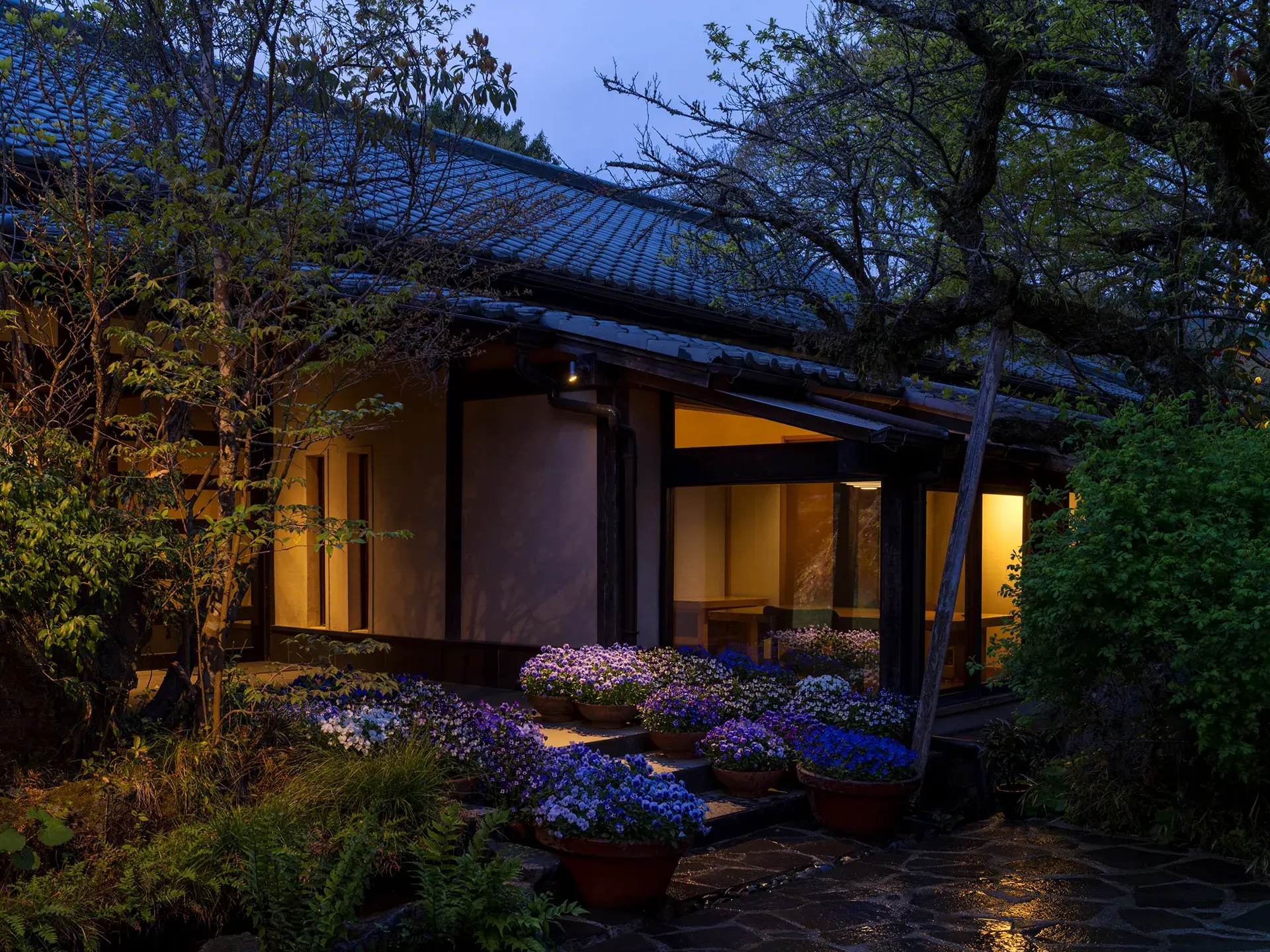
Named rooms, and why they differ
Rooms at an old inn carry a heya-mei, a room name, because each was built or fitted on its own. At Tawaraya the ground-floor rooms open onto the garden and those upstairs look down on it. Hiiragiya numbers its rooms, but they span a century and a half: Room 16 dates from the late Edo period, with a stained-glass window by Sanchi Ogawa in its bathroom, while 27 and 32, of 1952, have little space for luggage.
In newer inns the name tells you the building. Yamagata The Takinami's KURA rooms are in relocated storehouses, its SAKURA and YAMAGATA rooms in a Taisho-era wooden school, and the ground floor bathes in carved Zao stone, the upper floor in hinoki.
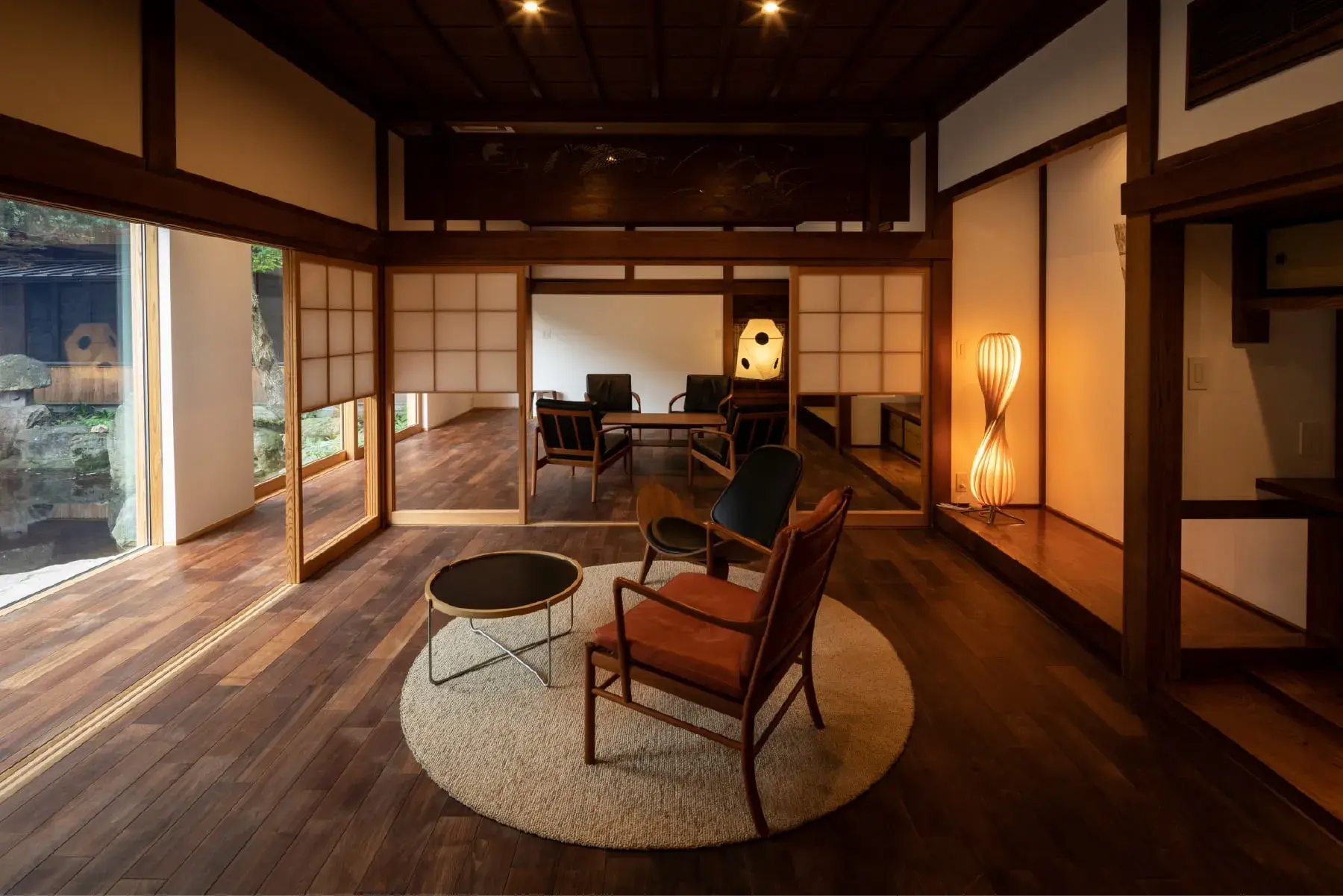
One category, several rooms
A room type is a label, not a description. Araya Totoan sells nine Japanese-Western rooms with a semi-open-air bath: Wakana, Shiramine and Kaede have a two-tier tub with a shallow tier for lying in, Shobu and Chigusa a small courtyard garden, Matsukaze and Raicho a larger sukiya room. At Akan Tsuruga Bessou Hinanoza the Kaze no Za suites see Lake Akan only partly, from the bath; at Sanyo-so the Main Building faces the 3,000-tsubo garden and the New Wing only its own courtyards.
Some inns will not let you choose within a type. Fujiya Inn in Ginzan says so, and The Hiramatsu Atami and The Hiramatsu Sengokuhara take no requests for a particular room. Elsewhere, ask by name.
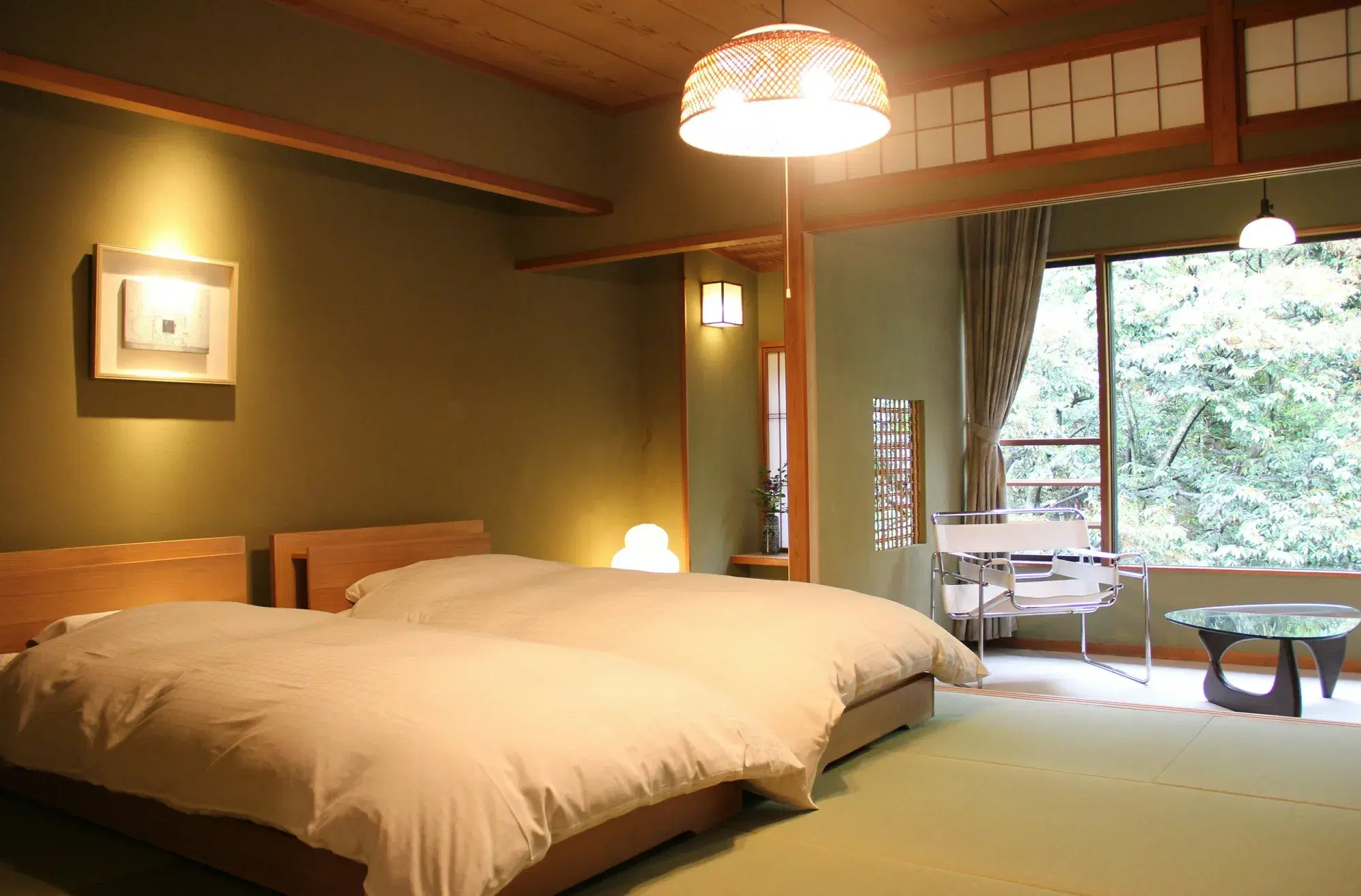
Corners, floors and aspect
A corner room gets light from two sides. Hiiragiya's Rooms 14 and 19 are late-Edo corner rooms, 14 under a Yakusugi cedar ceiling; Hoshinoya Tokyo's Kiku is the corner room at the end of each floor; Hitotsu Notojima's SUSO opens to the bay on two sides.
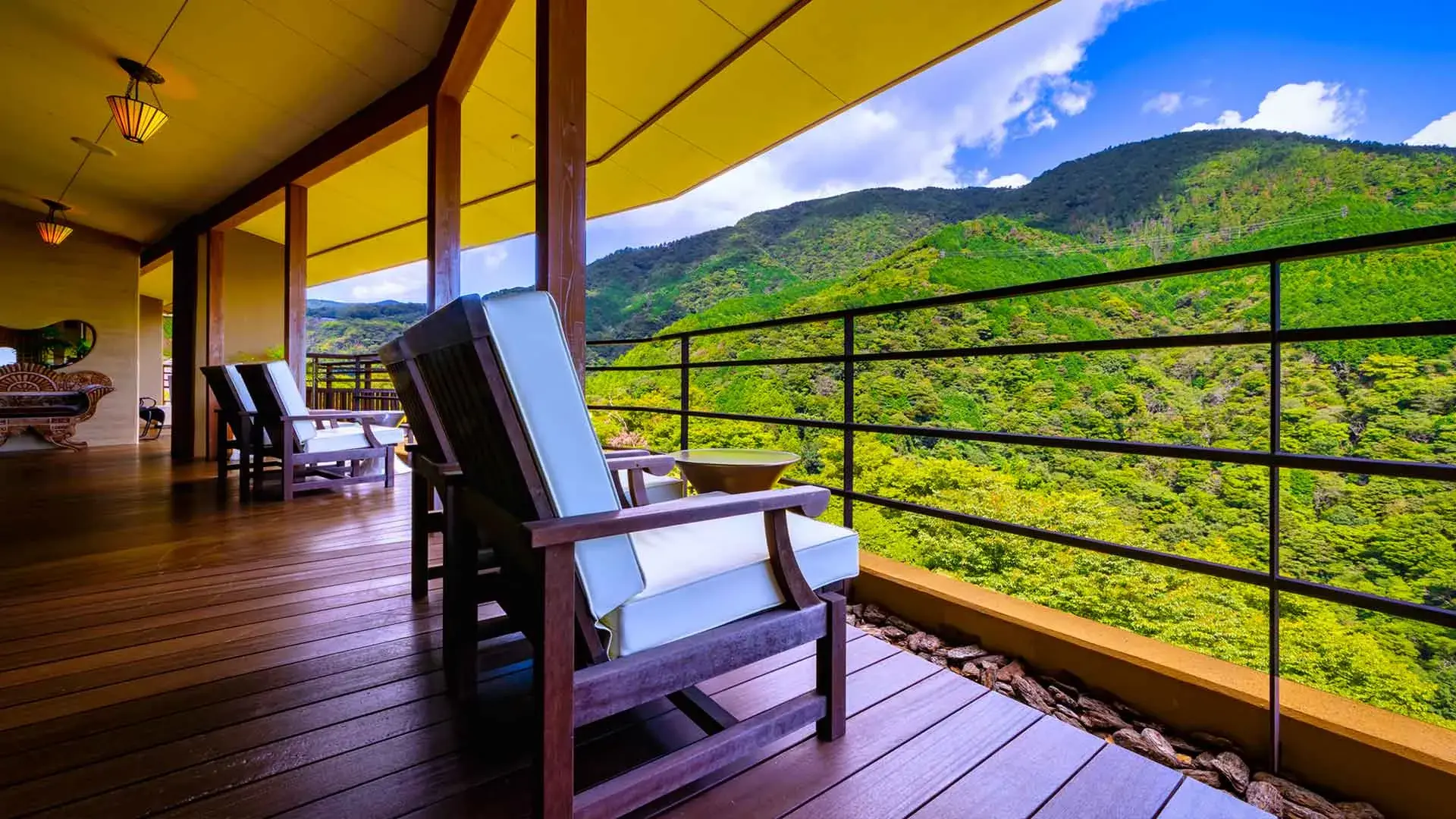
Height changes the view. At Hakone Ginyu the second-floor Sora rooms sit among the trees of the gorge, which the inn recommends for new green and autumn colour, while the fourth-floor Kaze room has the widest mountain view. Height also means stairs: Kanamean Nishitomiya has no lift and four rooms upstairs, and Nishimuraya Honkan's Kumoi, Honjin and Kangetsu are reached by stairs.
Gardens, baths and annexes
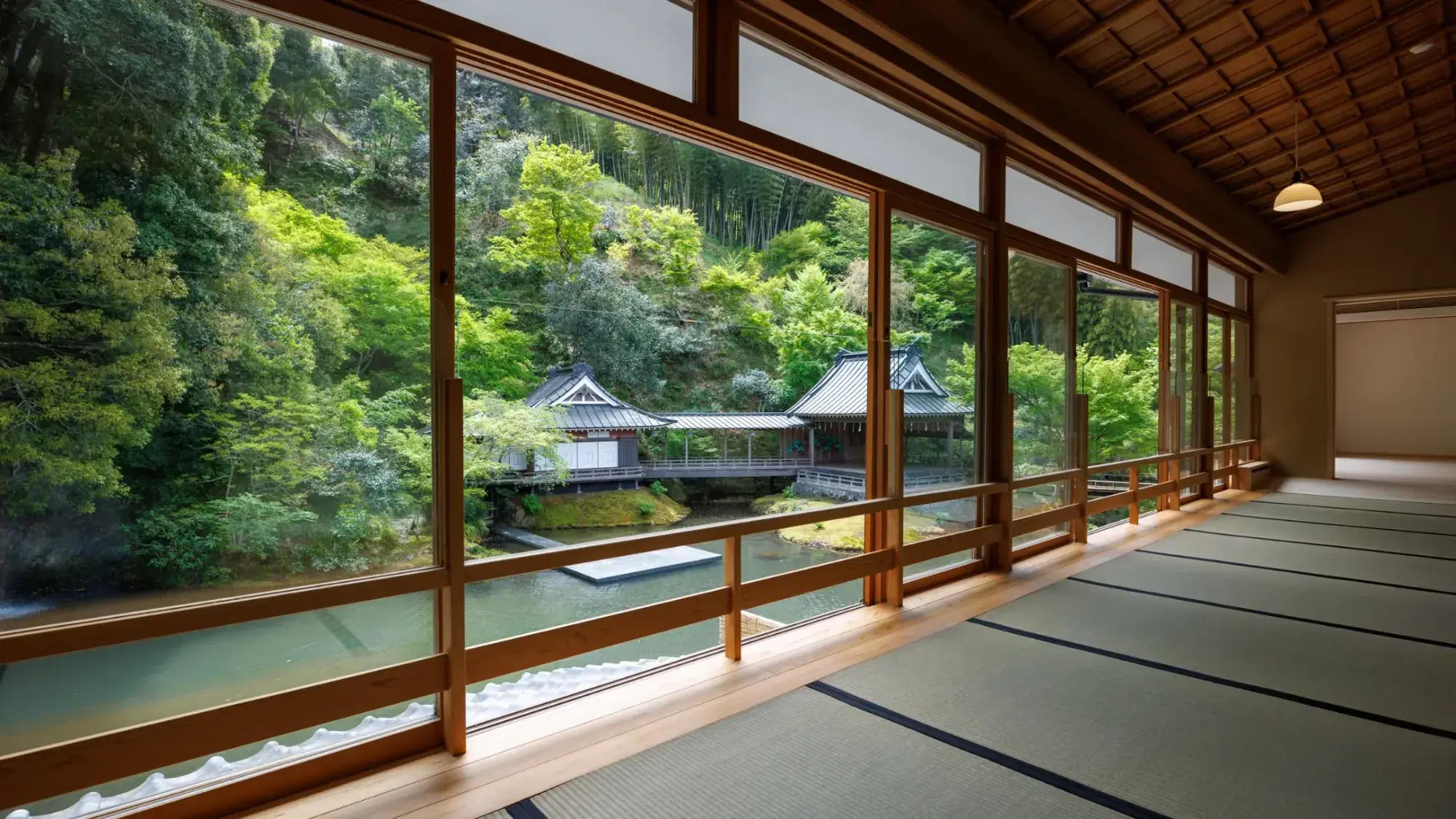
A hanare is a detached room, and a bettei a separate building or annex; both are usually the quietest and are often reached by their own corridor. Asaba's Villa Tenko is reached by a private tatami corridor; Araya Totoan's Hanare Arisugawa is an early-Meiji house at the end of a covered walkway through the garden; Nishimuraya Honkan's Asuka sits at the end of a wing like a separate cottage, with a stone open-air bath and its own stone garden.
The room also decides the bath. At Ryotei Hanzuiryo only Tsubakien and Juen have hot-spring water; at Yachiyo the seven garden rooms of the main building have hinoki tubs open to the garden, the annex rooms a small bathroom. Our guide to private onsen gives the full list of inns where only some rooms have their own.
How far ahead the best ones go
The rooms with a name worth asking for go first, and the inns open their diaries at very different times. Hakone Ginyu and Ryokan Kurashiki open dates a year ahead, Naoshima Ryokan Roka eleven months ahead on the first of each month, Gora Kadan six months ahead and Takefue about five. Fujiya Inn opens 150 days ahead, and its popular dates fill within 30 minutes. At Yachiyo two of the garden rooms, Kiku and Take, are kept for members and sold only when free.
Below, the inns whose records name a room to ask for, and why, then the rooms the records single out for their history or setting.
On our list
The room to ask for18
 Akan Tsuruga Bessou HinanozaAkanko Onsen, Lake Akan
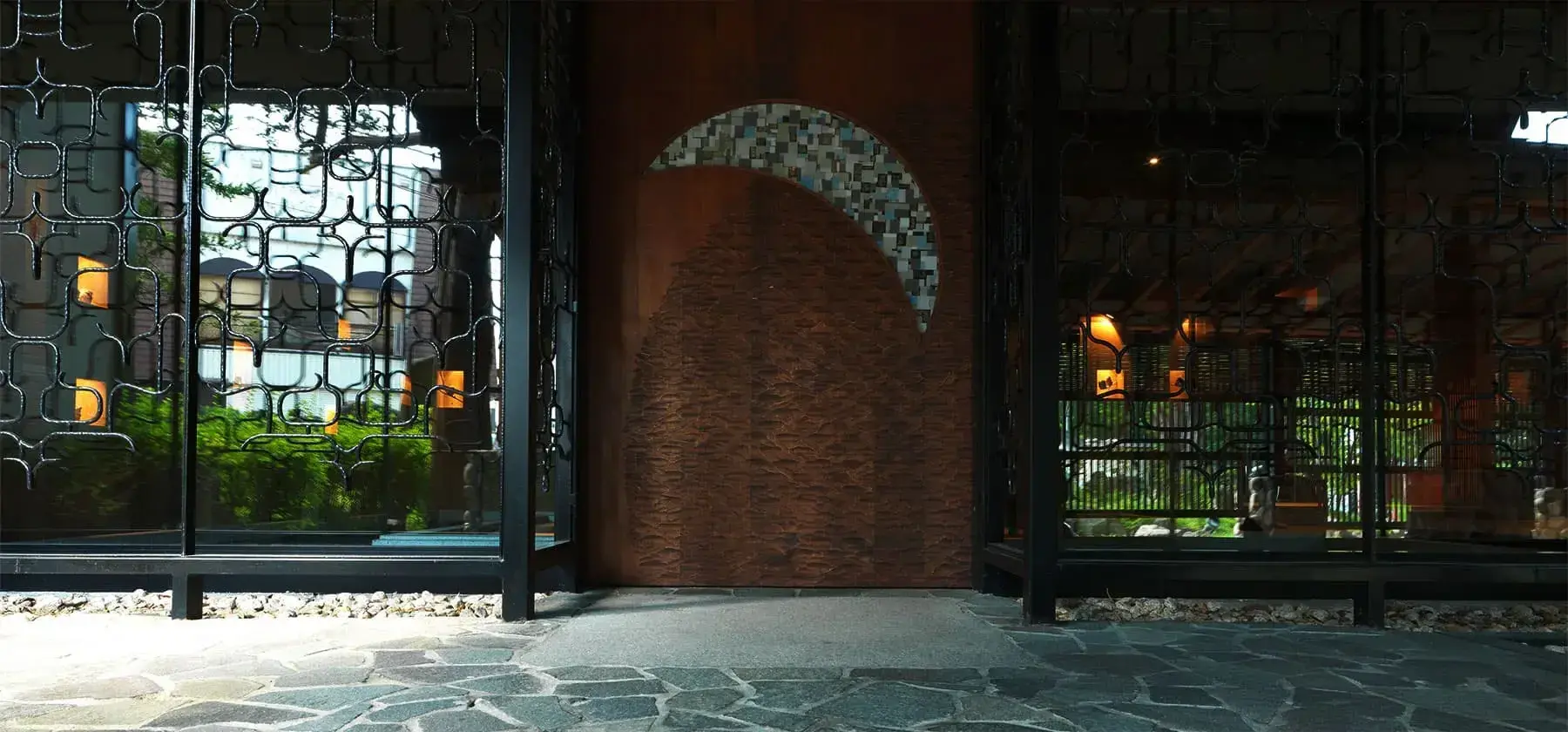
Ama no Za or Umi no Za, which face Lake Akan directly
 Beniya MukayuYamashiro Onsen, Kaga
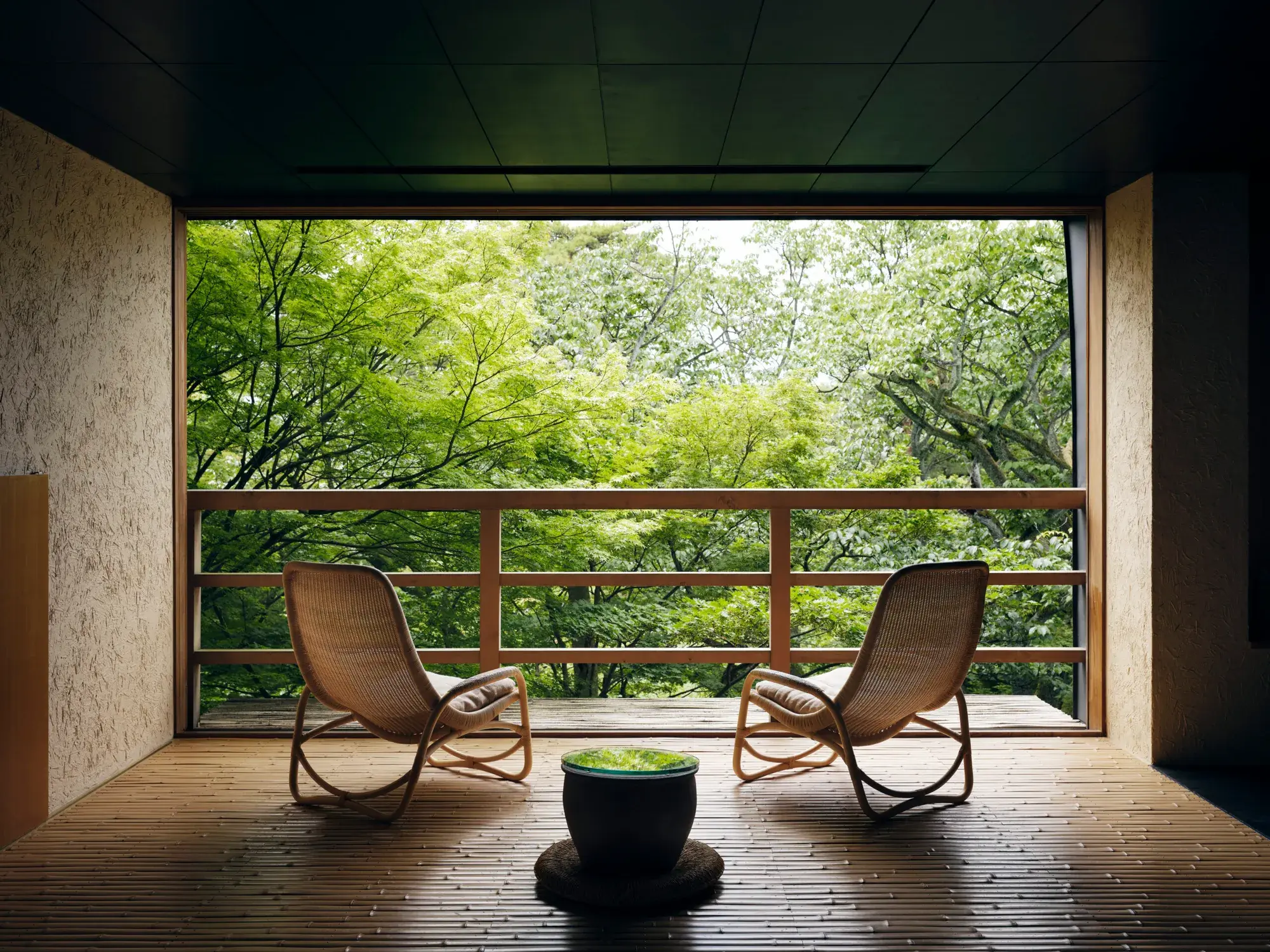
Wakamurasaki in spring, for the 100-year-old mountain cherry seen from its bamboo veranda
 Fufu KyotoNanzenji, Kyoto
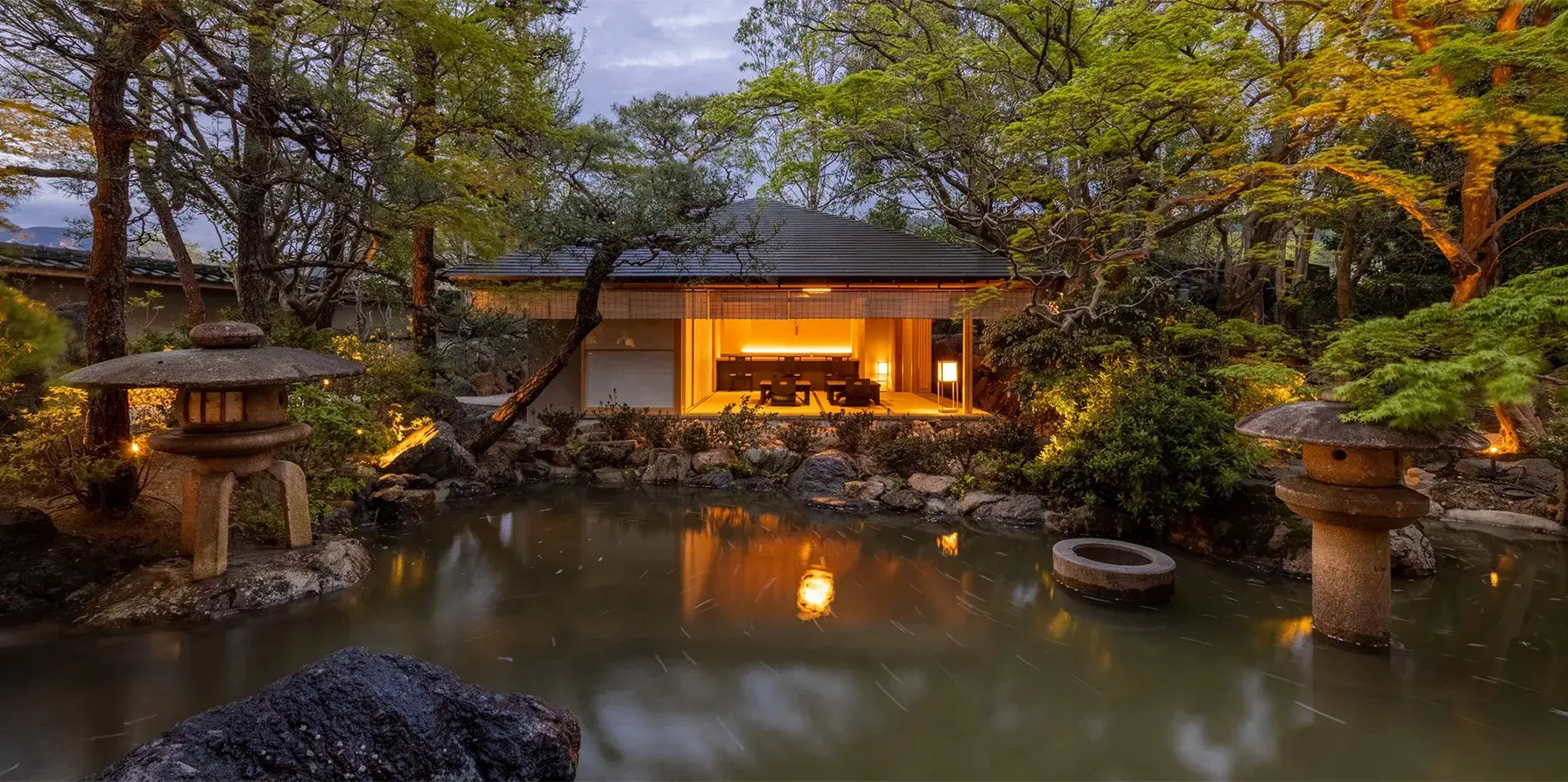
a garden-facing suite on 3F or 4F; the 91 sq m Luxury Premium Suite has large garden windows
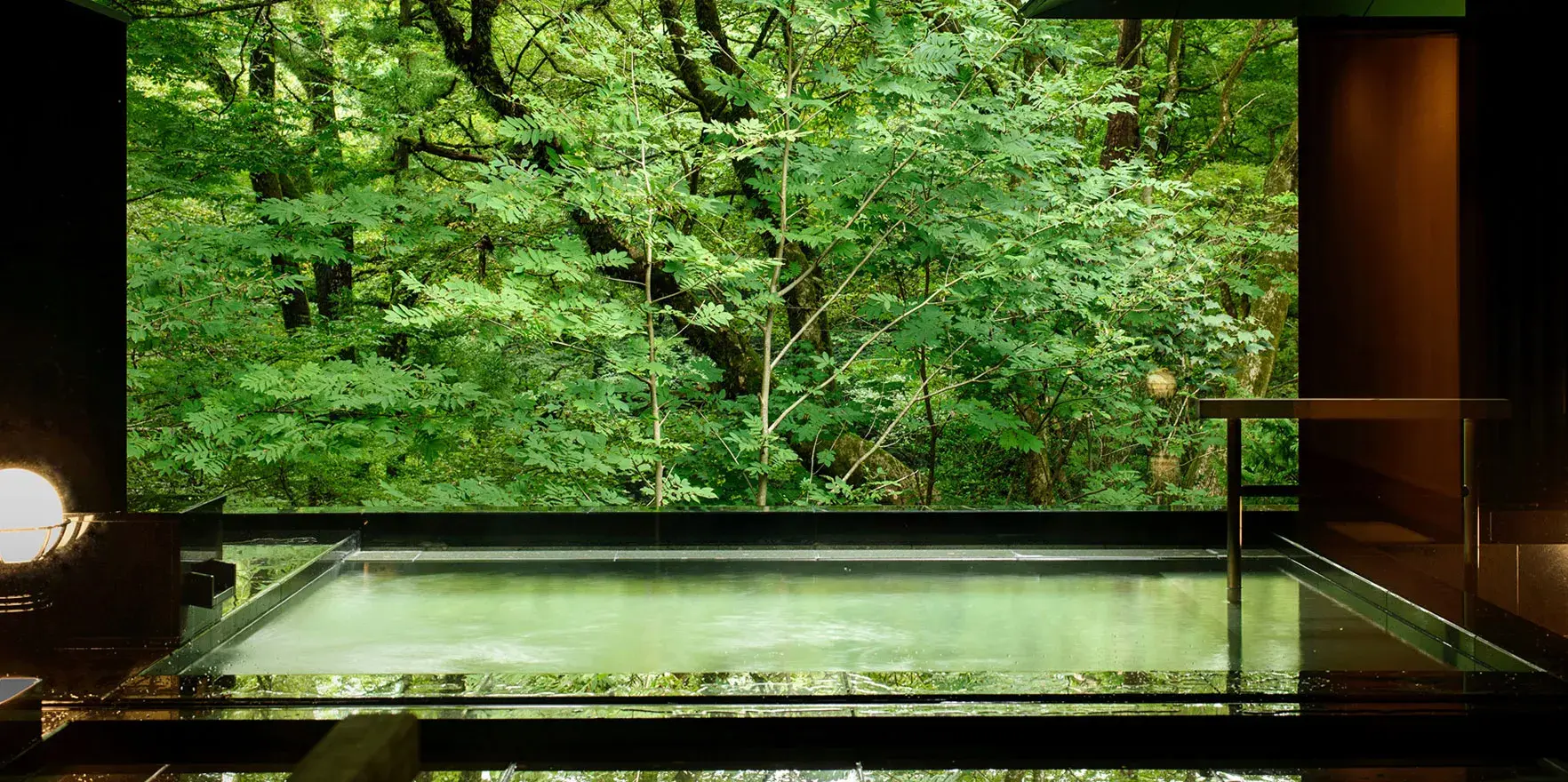 Fufu NikkoHoncho, Nikko
the Luxury Premium Suite for its indoor and large open-air baths; the Precious Suite for its bell-shaped window
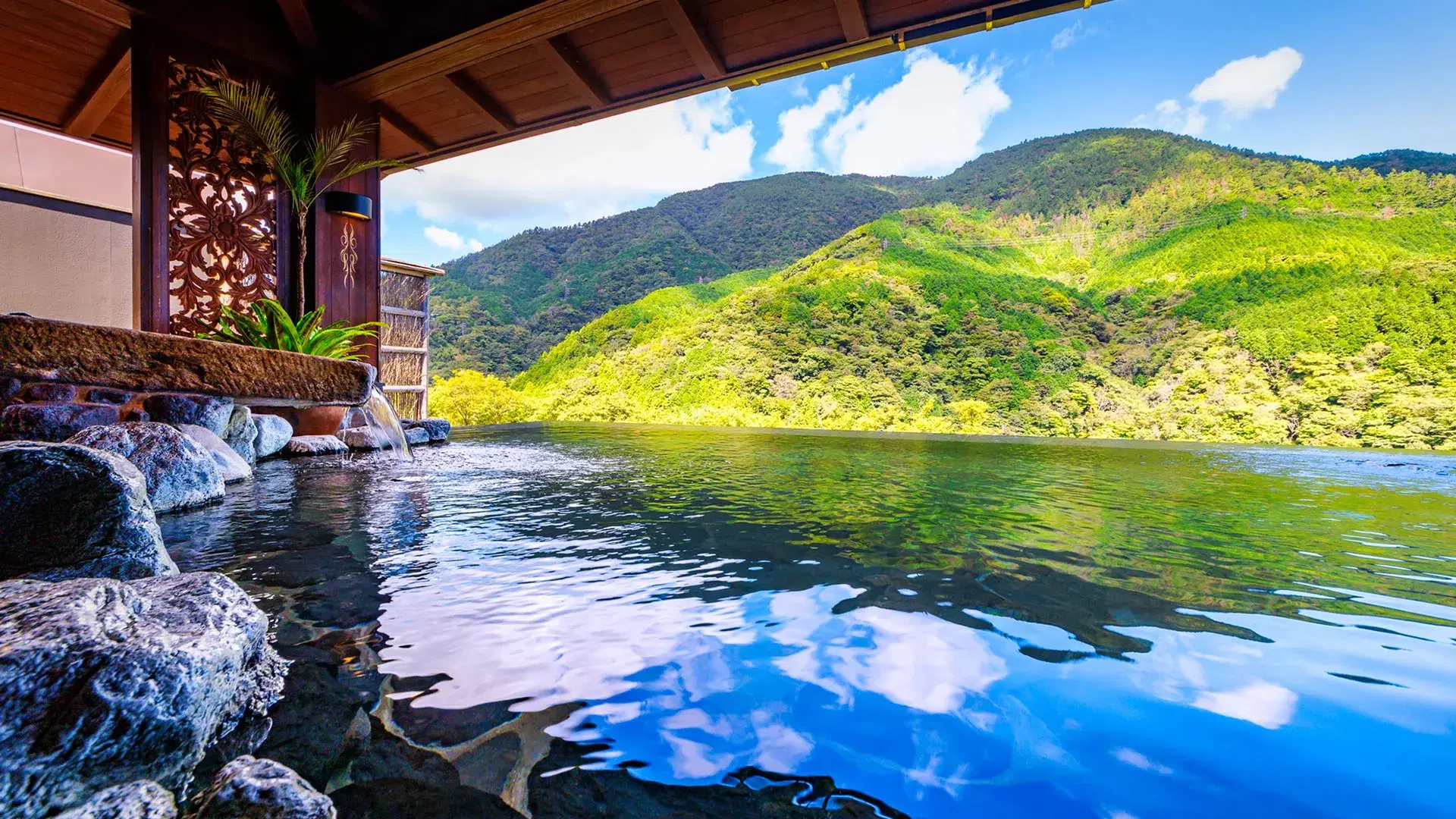 Hakone GinyuMiyanoshita, Hakone
Fuko for anniversaries; the fourth-floor Kaze room or the Seishuku maisonette for the widest view
The other 13
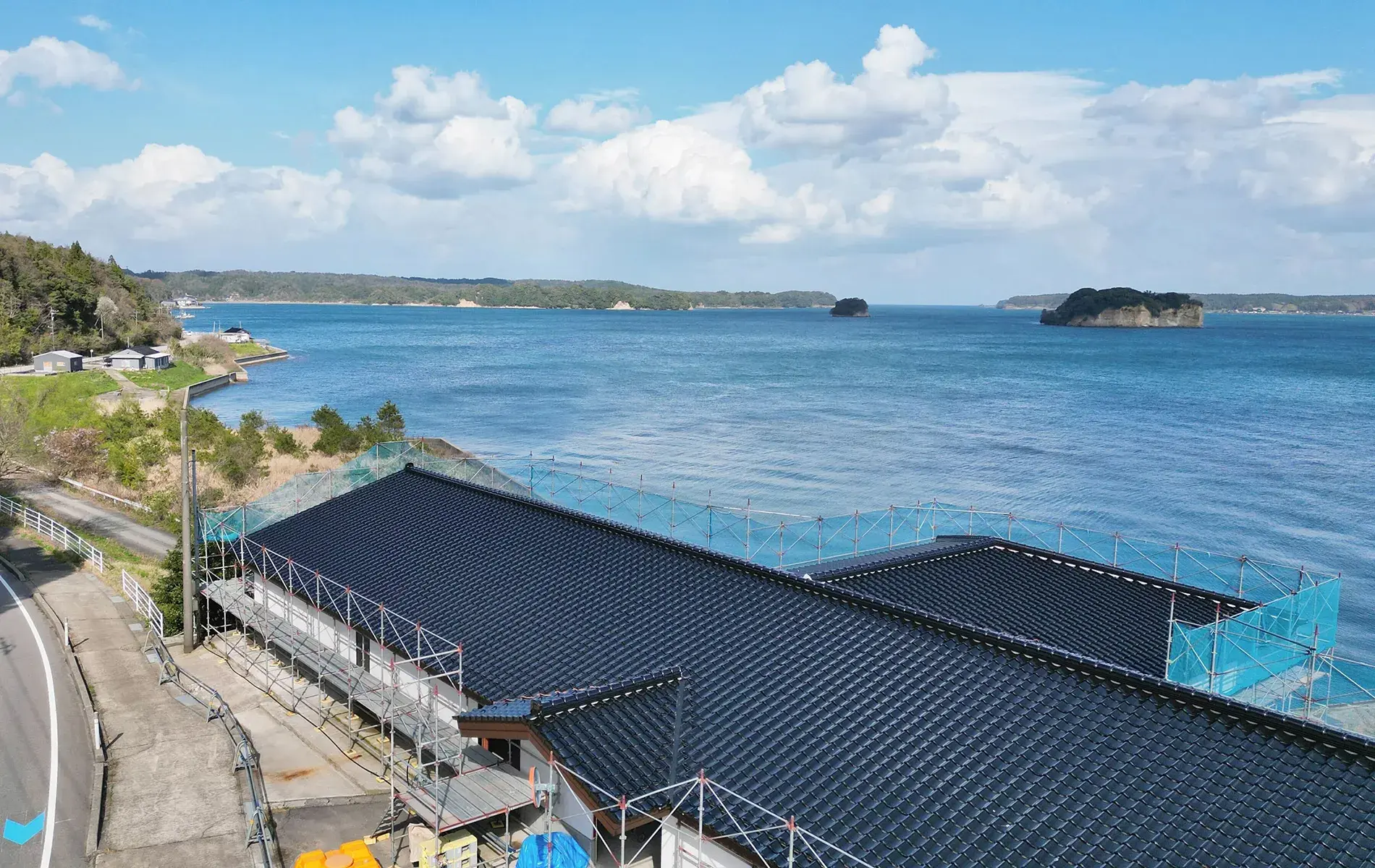 Hitotsu NotojimaSusomachi, Nanao
SUSO or KODA, the only rooms with a sauna and terrace, clear of the recovery works the others face
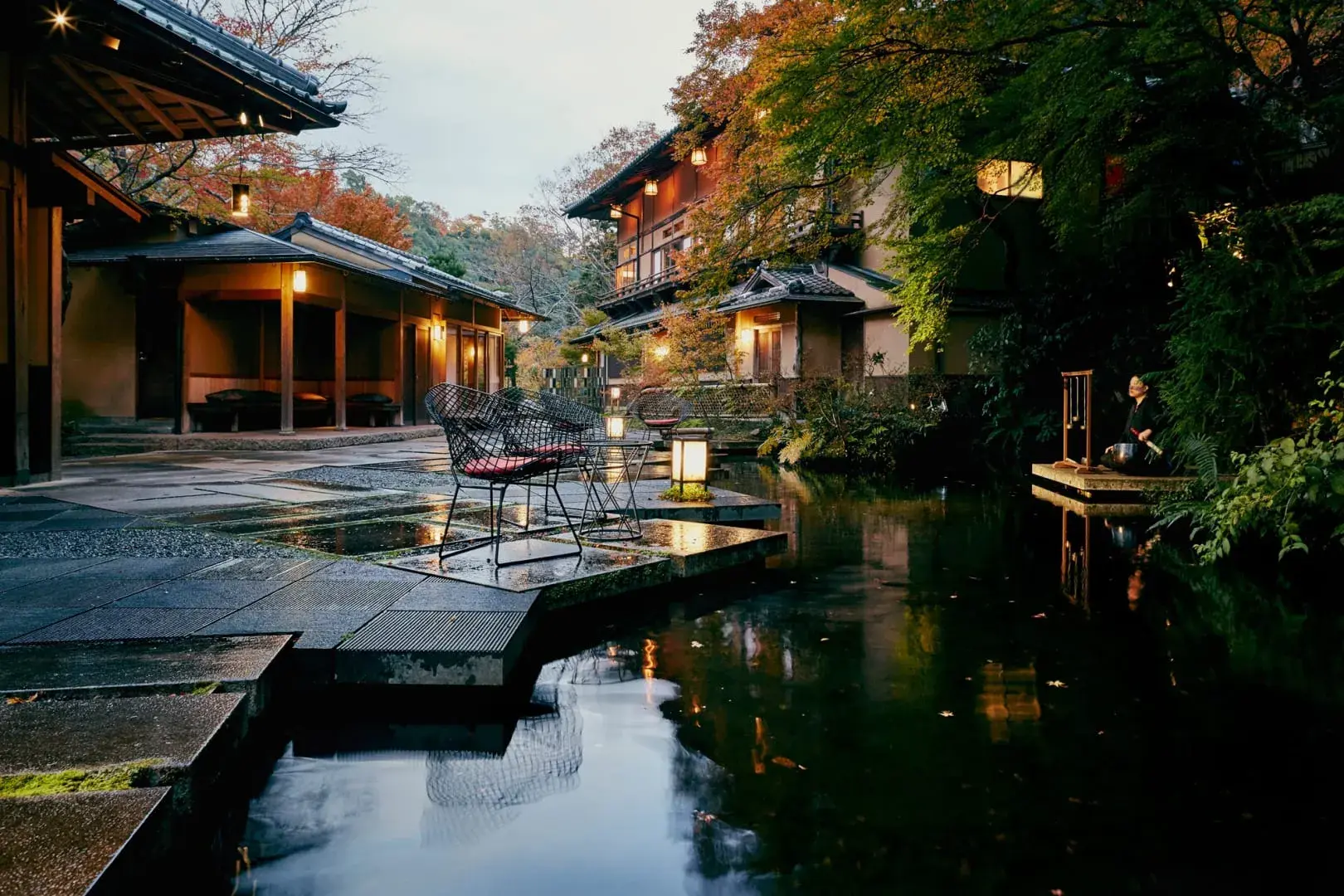
 OchiairoAmagi Yugashima Onsen, Izu
Ukifune, with its open-air bath under the cherry trees, or Aominawa, whose bath runs along the Kano River
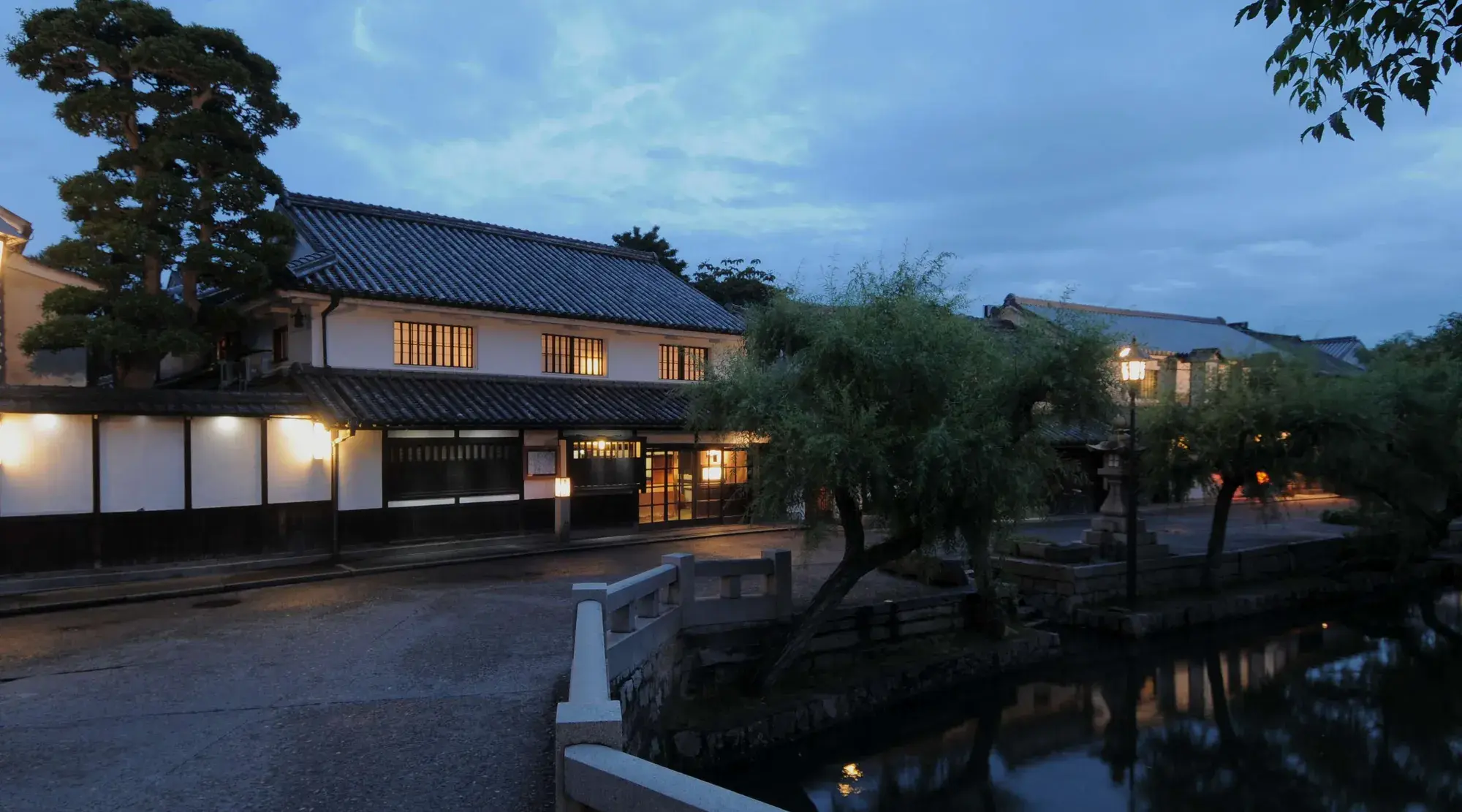 Ryokan KurashikiBikan Historical Quarter, Kurashiki
Tatsumi-no-ma, the rice-storehouse room Shiko Munakata favoured, or Okuzashiki, the largest
 Ryotei HanzuiryoUnzen Onsen
Tsubakien or Juen for the only hot-spring baths in a room; Yayoi for its garden
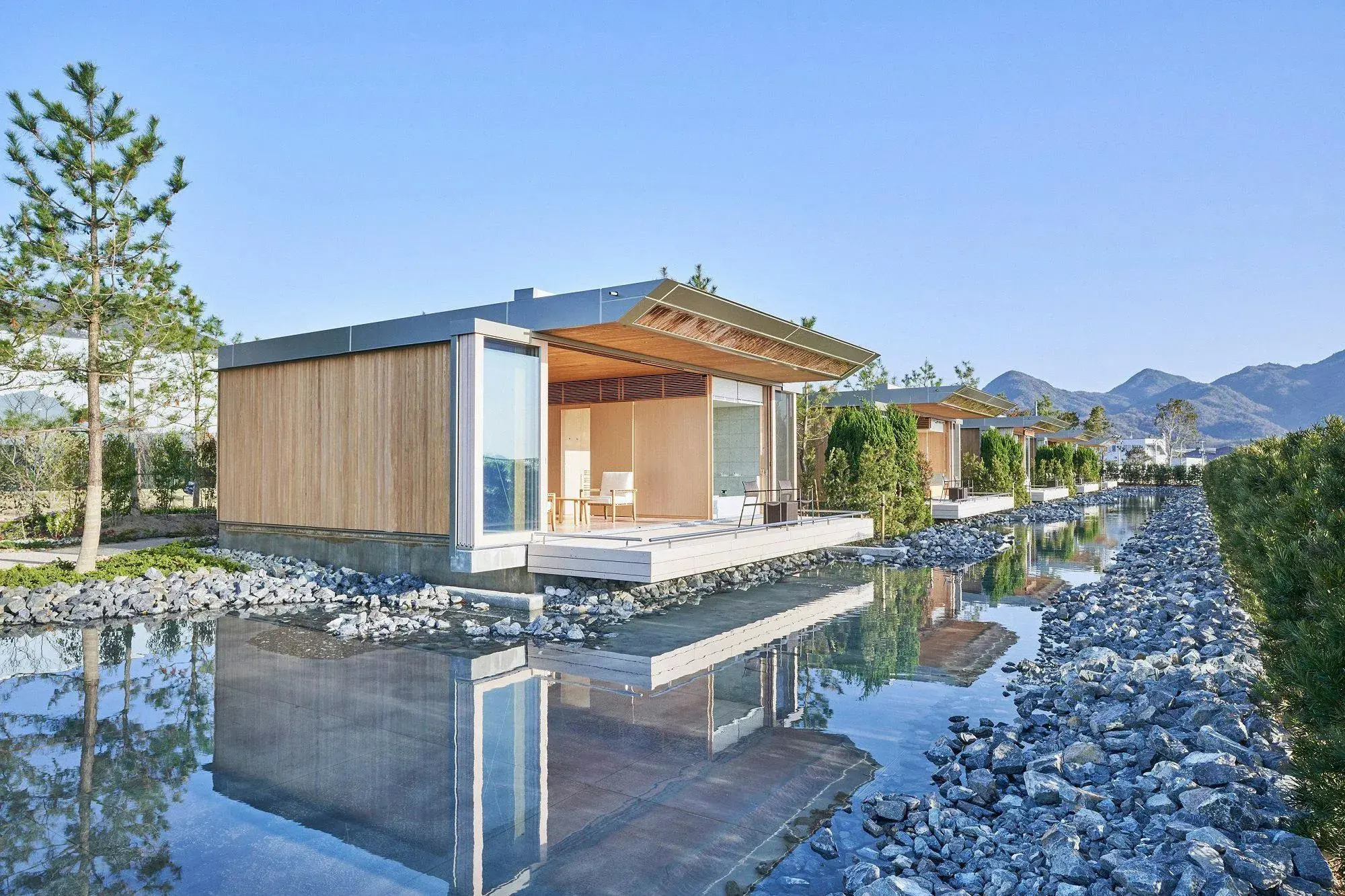 Simose Art Garden VillaHarumi, Otake
Kielsteg House A for the floating galleries, House C for the sea from bed
 Suimeiso at Wataya BessoUreshino Onsen
Hakuryu, with a private moon-viewing deck over the Ureshino River
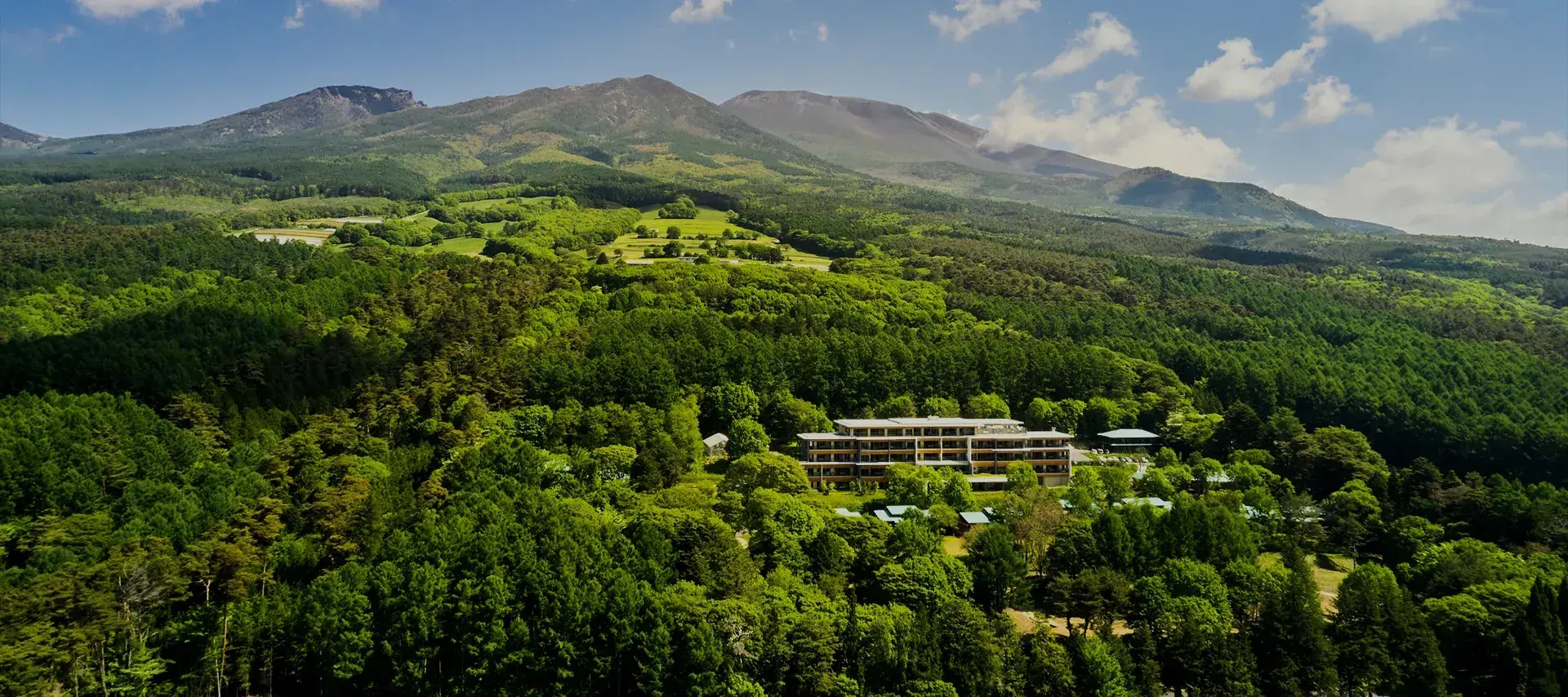 The Hiramatsu Karuizawa MiyotaShiono, Miyota
a Sky View room, third floor and up, for the Yatsugatake range
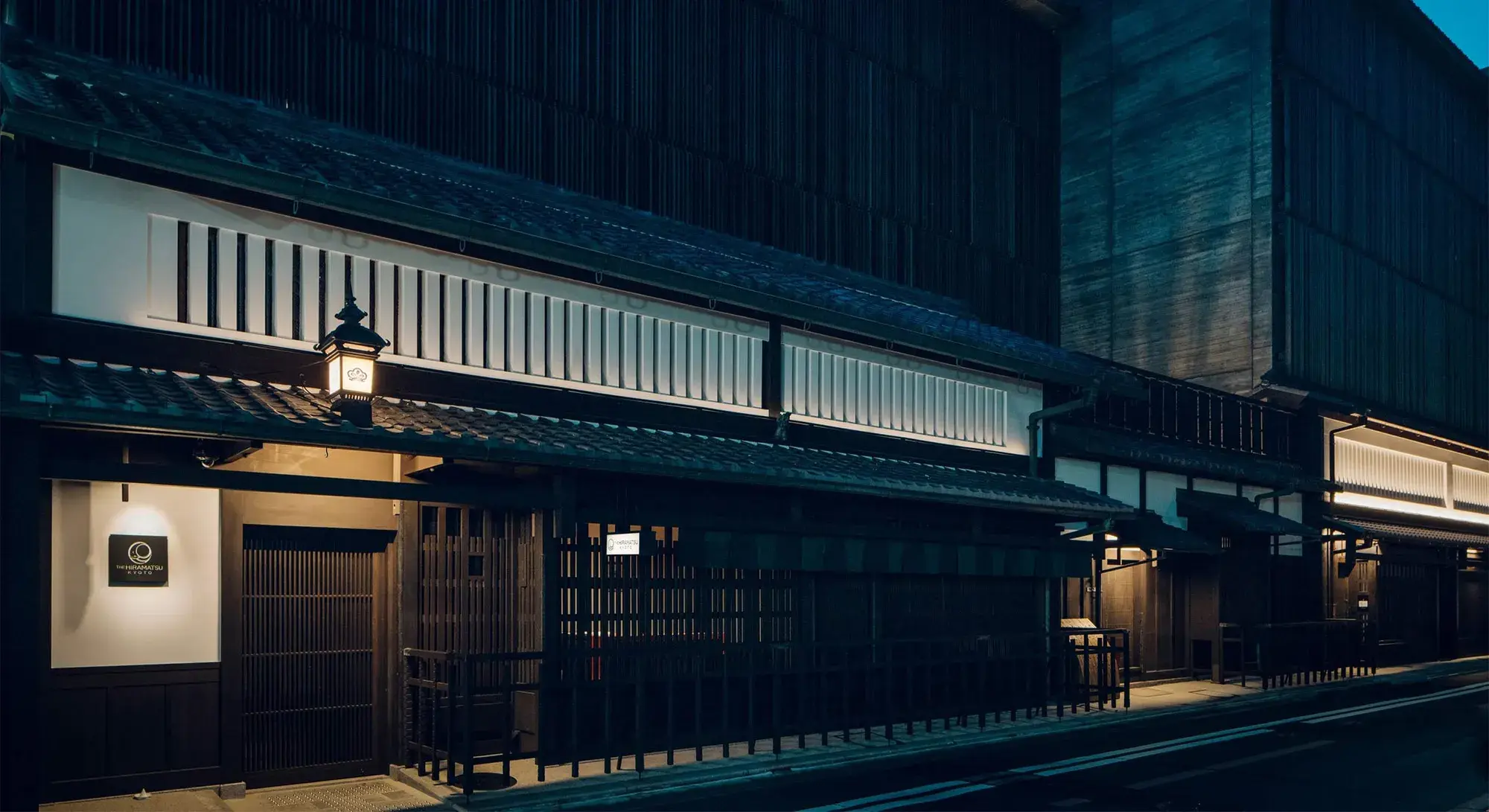
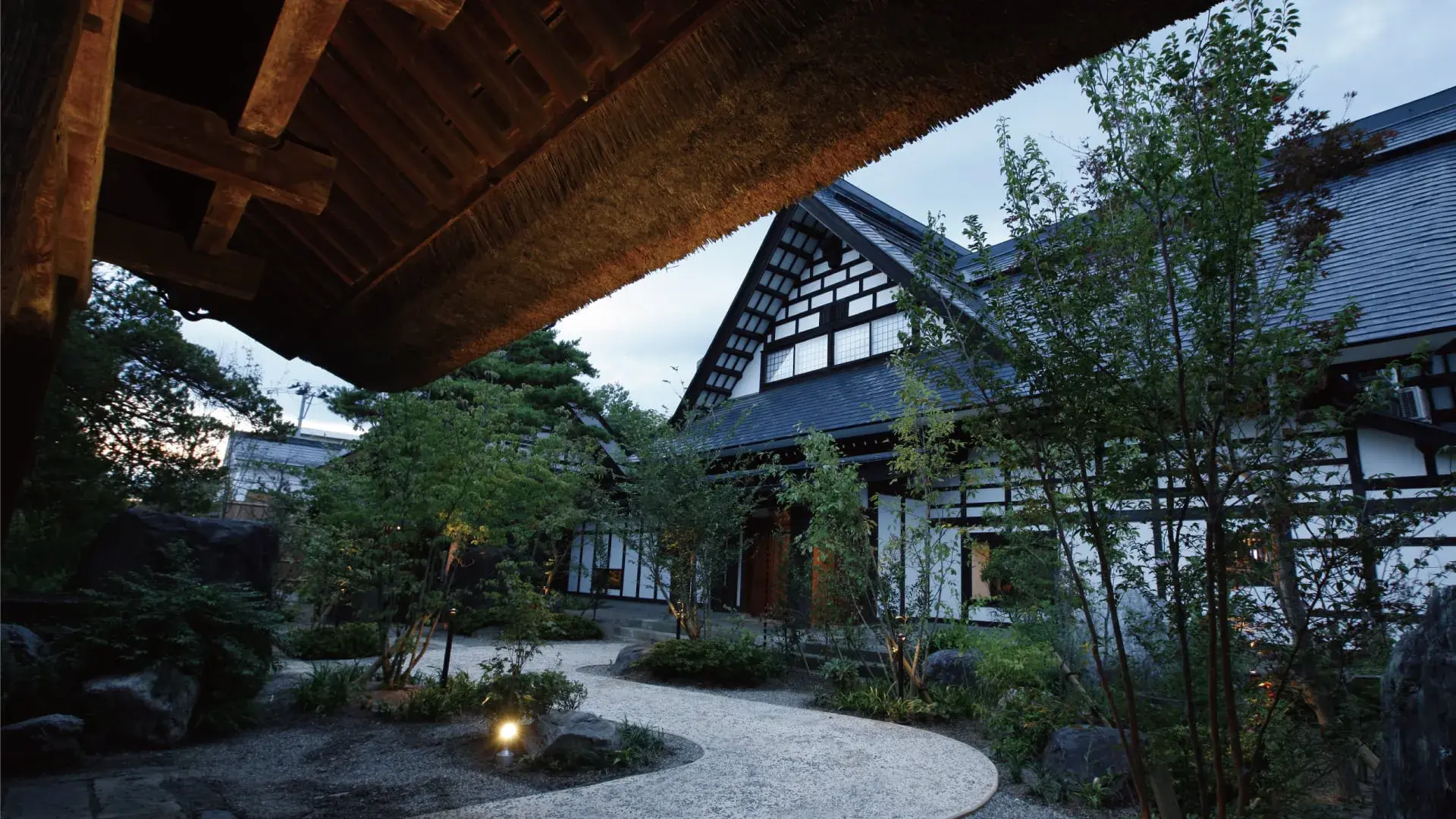 Yamagata The TakinamiAkayu Onsen, Nanyo
SAKURA06 for cherry blossom, its terrace bath facing a large cherry tree
Rooms the records single out7
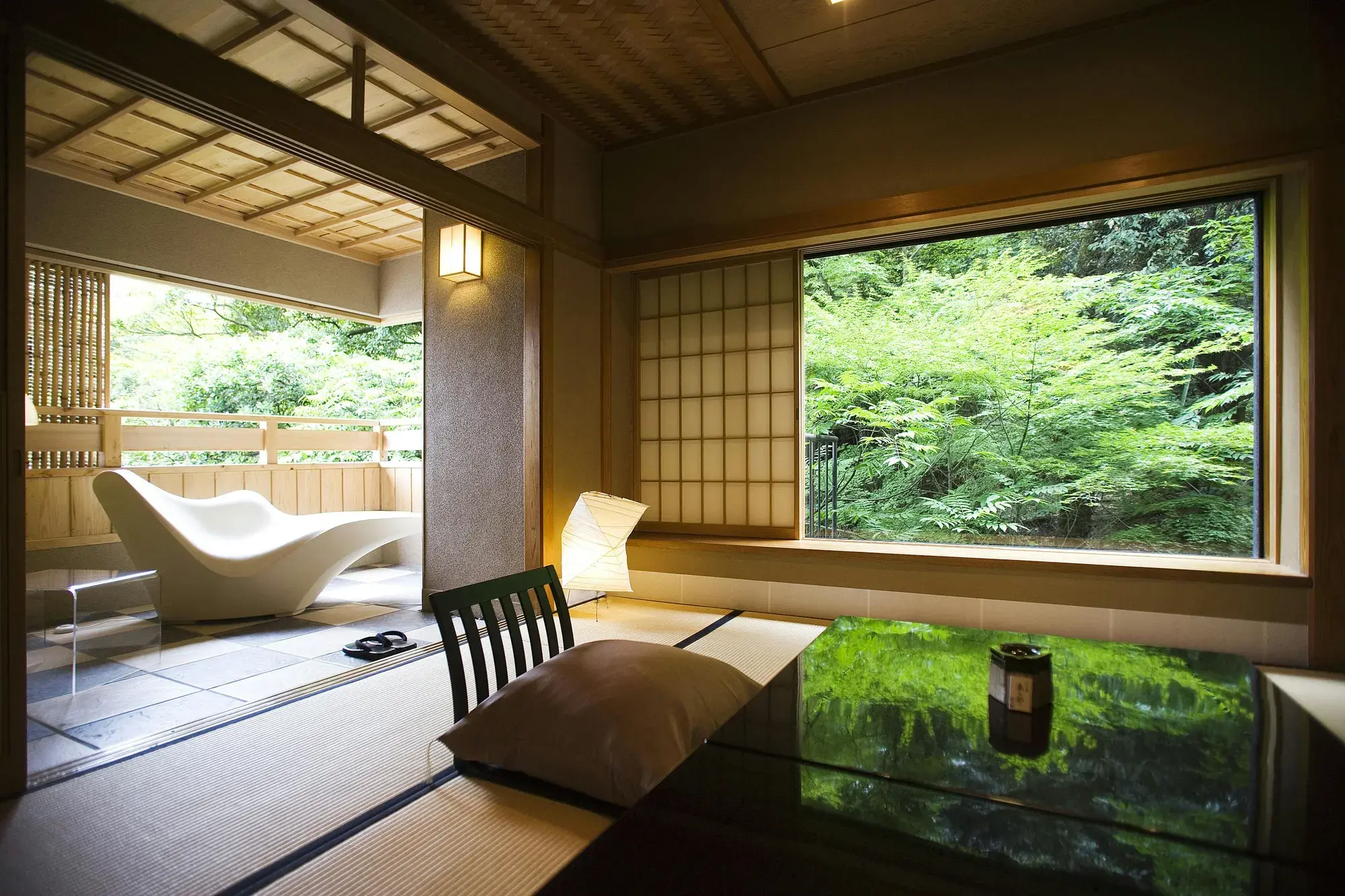
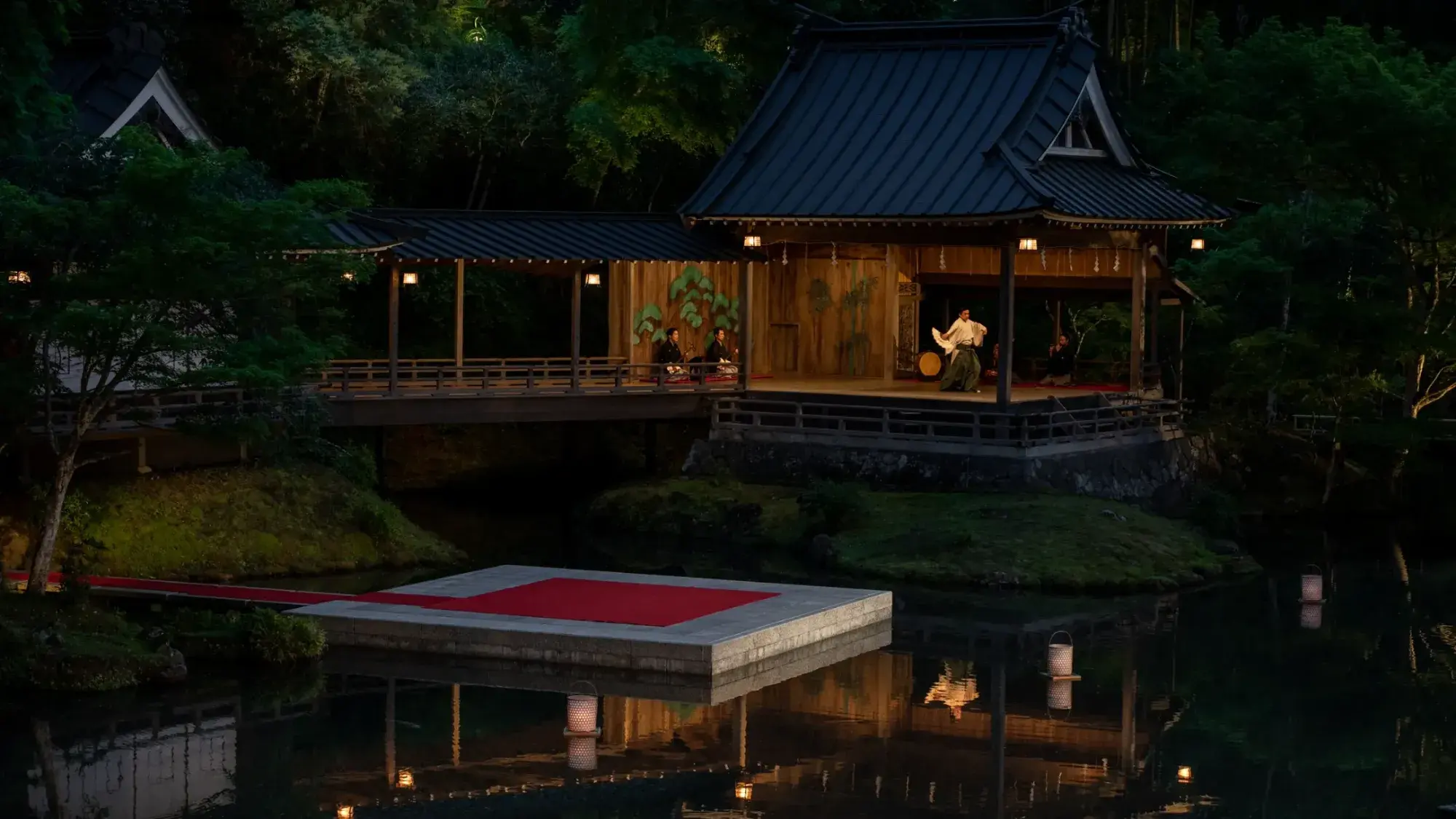 Asaba RyokanShuzenji, Izu
Hagoromo, the ground-floor suite with a half open-air bath facing the Noh stage
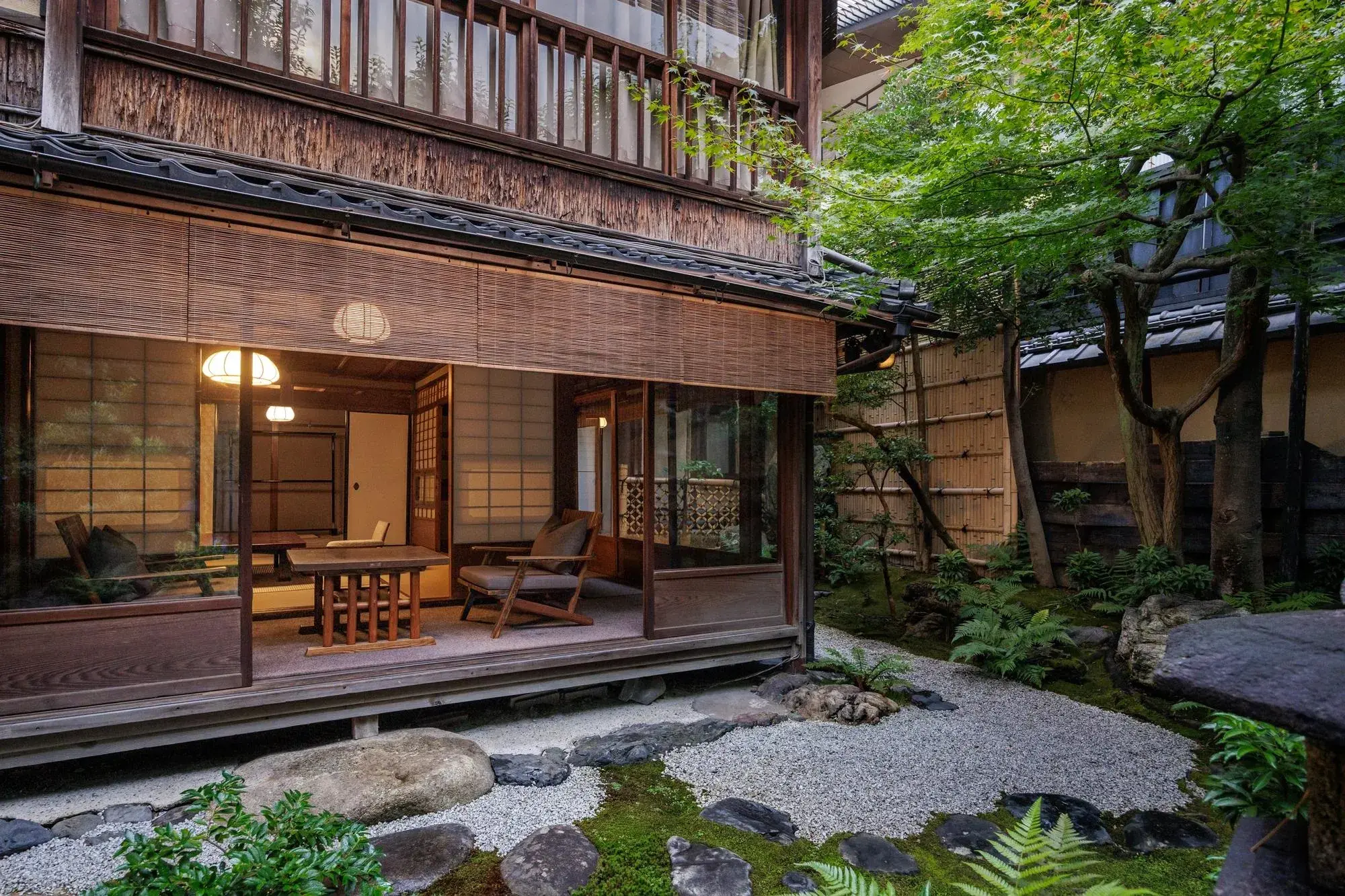
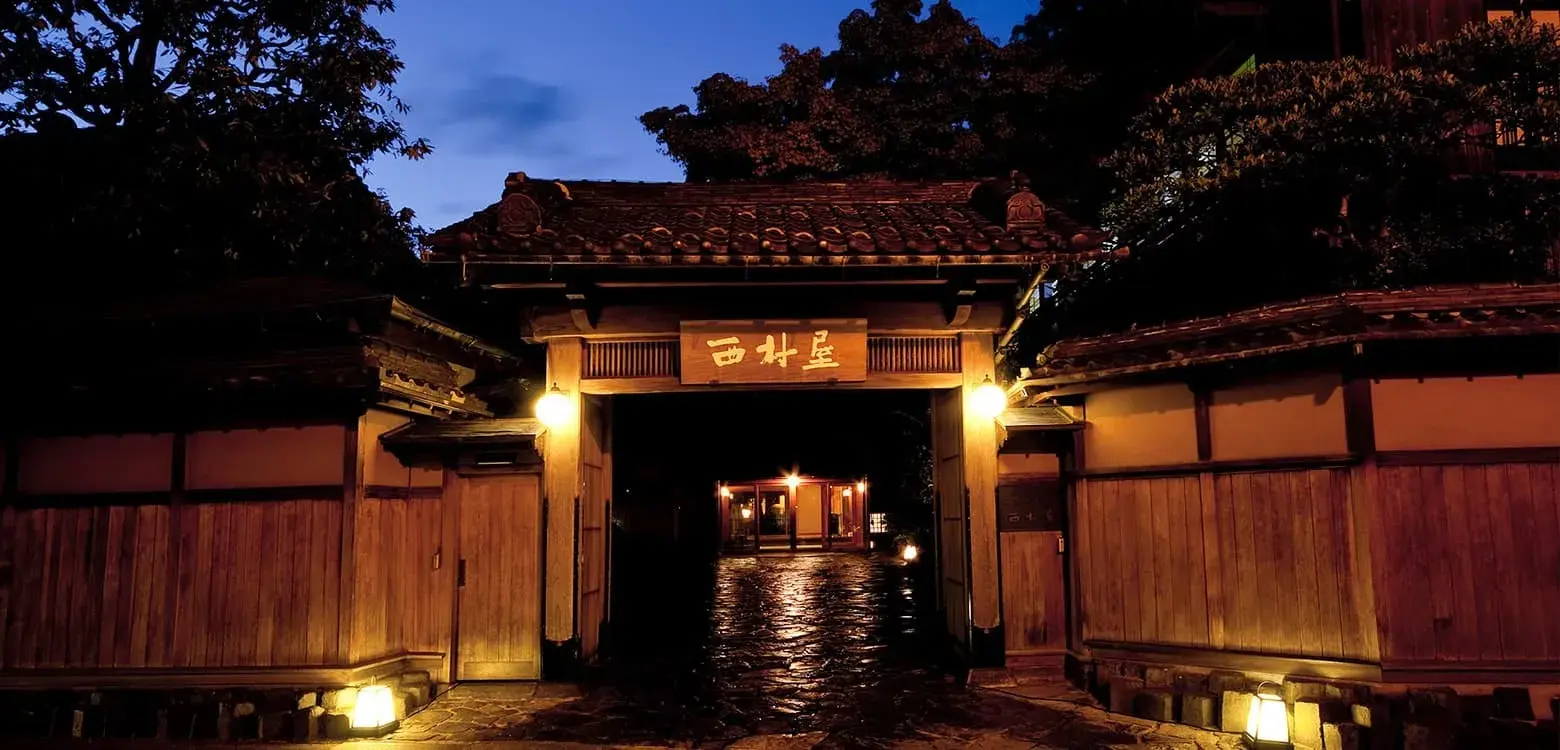 Nishimuraya HonkanKinosaki Onsen, Toyooka
Asuka, at the end of a wing like a separate cottage, with a stone open-air bath
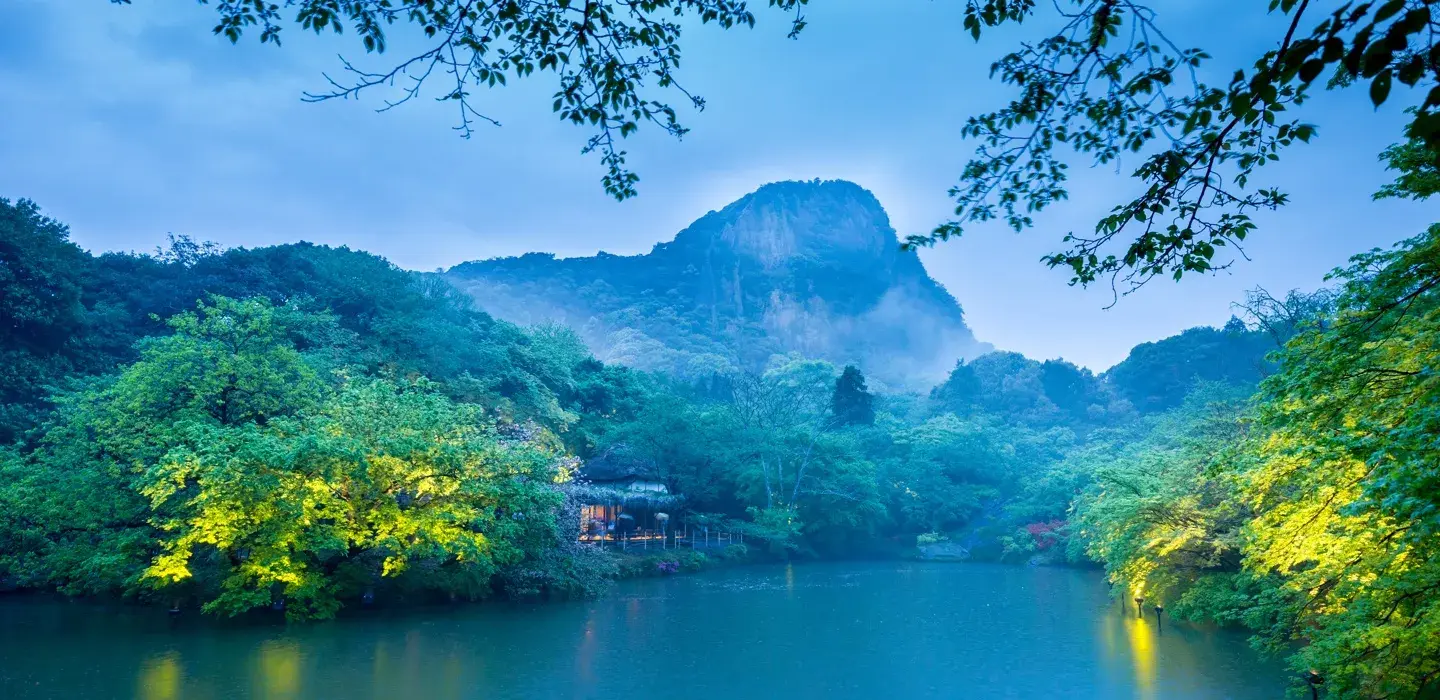 Onyado ChikurinteiMifuneyama Rakuen, Takeo
Shuho, the closest to Mount Mifune, with the largest in-room open-air bath
The other 2
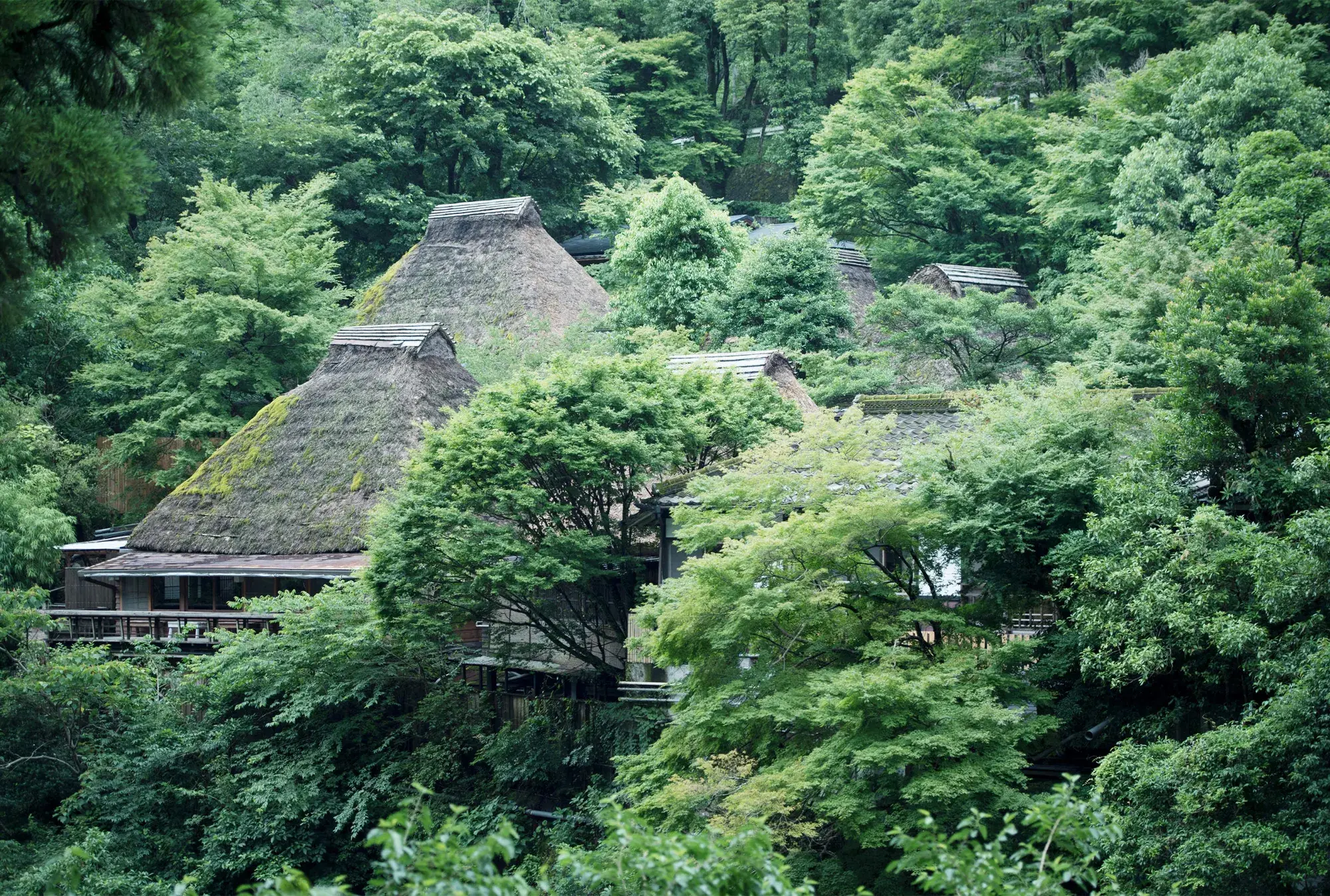 Wasure no Sato GajoenMyoken Onsen, Kirishima
Kaze, of 1978, the inn's original room with its own open-air hot-spring bath