Where to stay
Where to stay in Kyoto
Kyoto divides into the old temple quarter of Higashiyama and Gion east of the Kamo river, the flat grid of the centre to its west, the station district to the south, and outlying places in the hills: Okazaki and Nanzen-ji, Arashiyama in the west, and the wooded north. The choice that matters most is whether you want to walk out of the door into the old streets and restaurants, or trade that for the quiet of the edges and a taxi or train each morning.
How to choose
A first visit
Higashiyama and Gion: the old streets and the great temples are on foot
Food
Central Kyoto (Kawaramachi, Karasuma, Nijo): Nishiki market, Pontocho and the most restaurants within a walk
Quiet
Okazaki and Nanzen-ji: gardens and still lanes, still within walking distance of Gion
With children
Okazaki and Nanzen-ji: the zoo, museums and open space around the Heian Shrine
Close to the trains
Kyoto Station: the Shinkansen and the airport train from the door
Ready to stay here?
Tell us where and when. Our team in Japan books the room we would choose, at the inn’s own rate, settles your requests with the inn, and stays in touch before and during your stay. Price and cancellation terms are confirmed with you first.
Already have an itinerary in mind?
Have it reviewed for USD 85Higashiyama and Gion
The slopes and lanes below the eastern hills, from Gion and the Shirakawa canal down past Yasaka Shrine, Ninenzaka and Kiyomizu-dera to Sanjusangen-do and the Shichijo end. Temples, teahouses and wooden streets are all on foot, and early mornings and late evenings, after the day visitors have gone, are the best of it. At night Gion is lantern-lit and busy with diners; the hillside above is still.
- Suits
- A first visit, and walking to the temples before the crowds
- Bear in mind
- Crowded by day around Kiyomizu-dera and Hanamikoji; taxis crawl in cherry-blossom and autumn seasons
- Getting about
- Gion-Shijo and Kiyomizu-Gojo (Keihan line) and city buses 206 and 207; Kyoto Station is 10 to 20 minutes by taxi
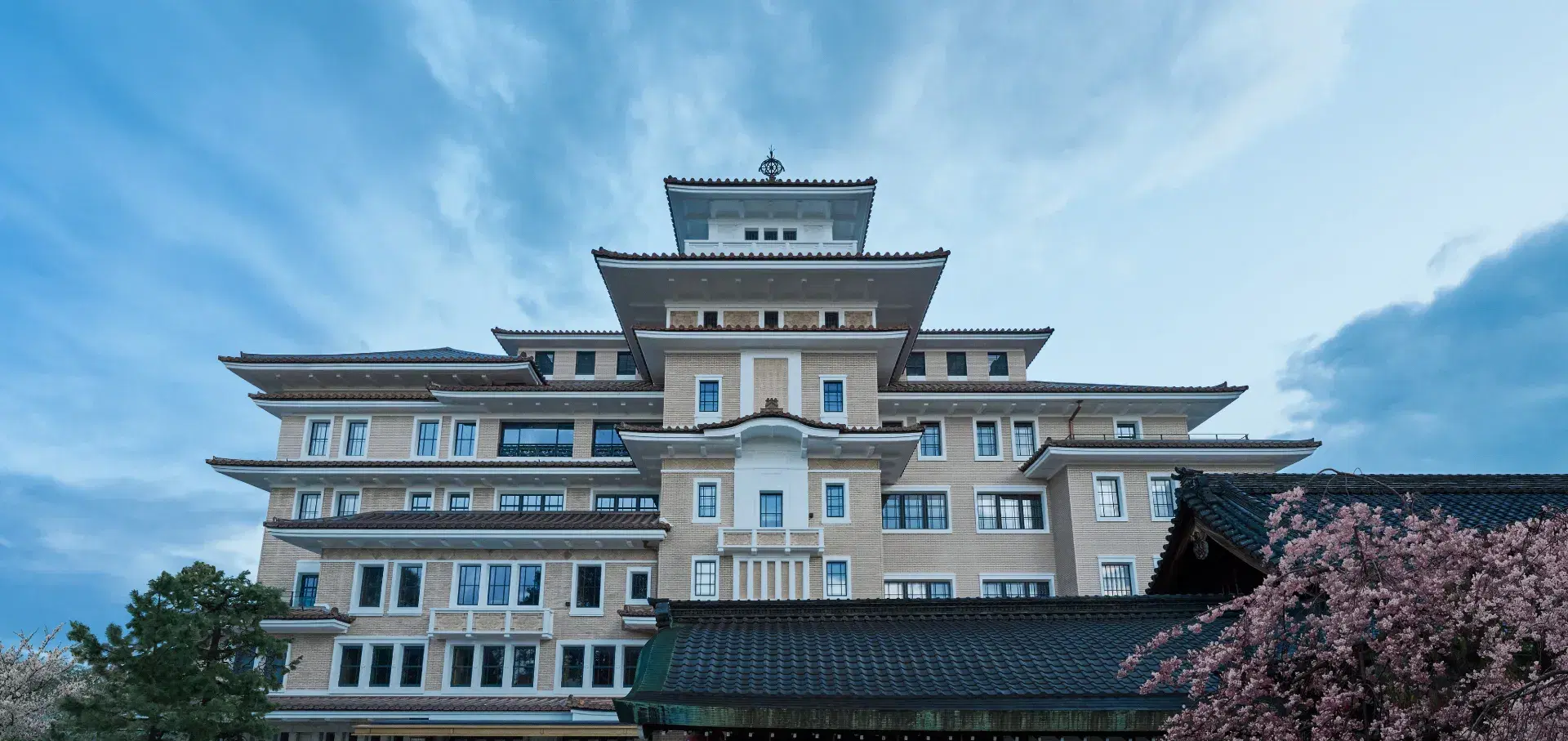
Gion, Kyoto
HotelImperial Hotel, Kyoto
帝国ホテル 京都
Inside the walls of Gion's 1936 Yasaka Kaikan theatre
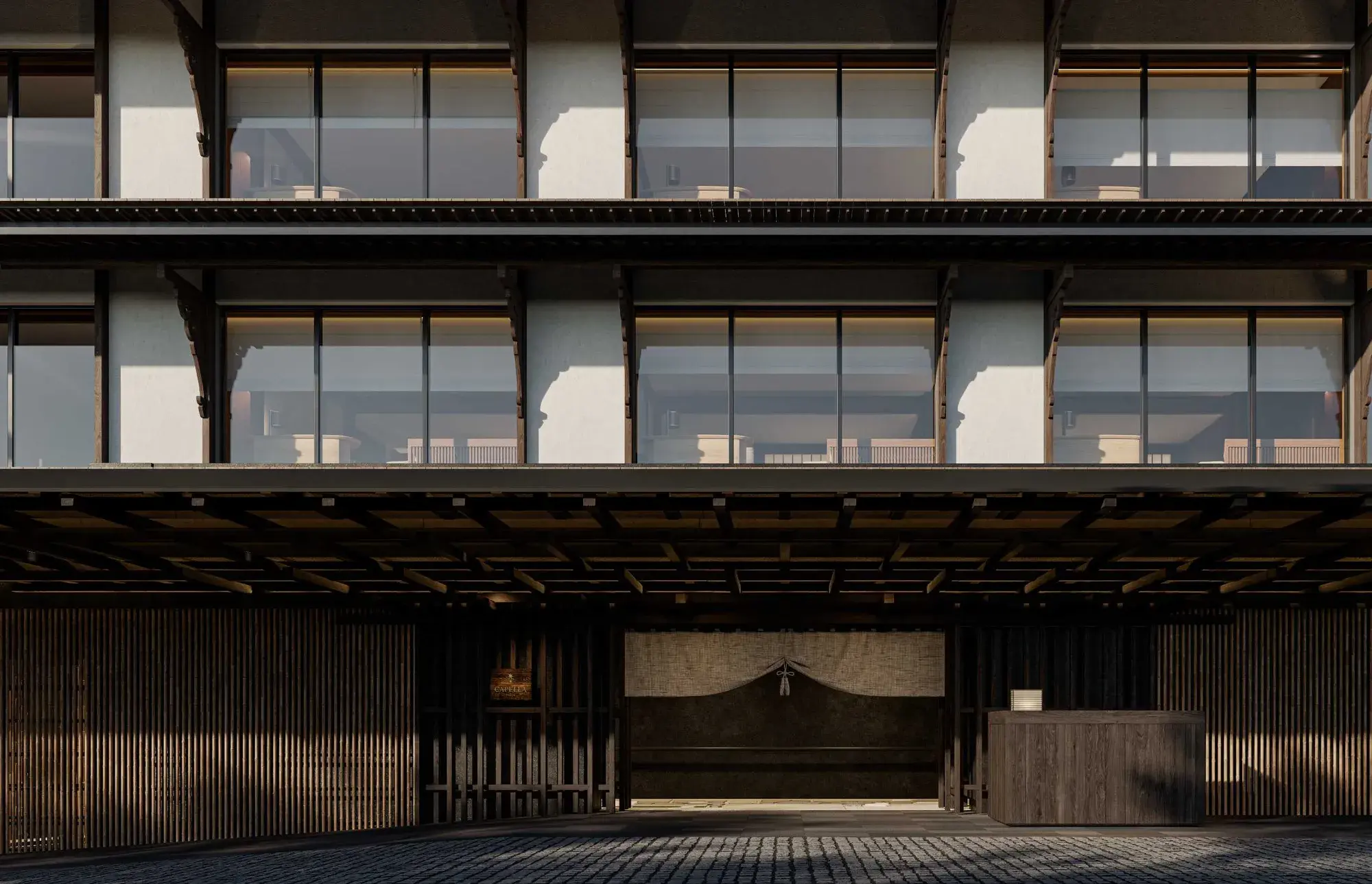
Miyagawa-cho, Kyoto
HotelCapella Kyoto
Kengo Kuma's low-rise take on the machiya in the Miyagawa-cho geisha district, beside the restored Kaburenjo theatre; opened March 2026.
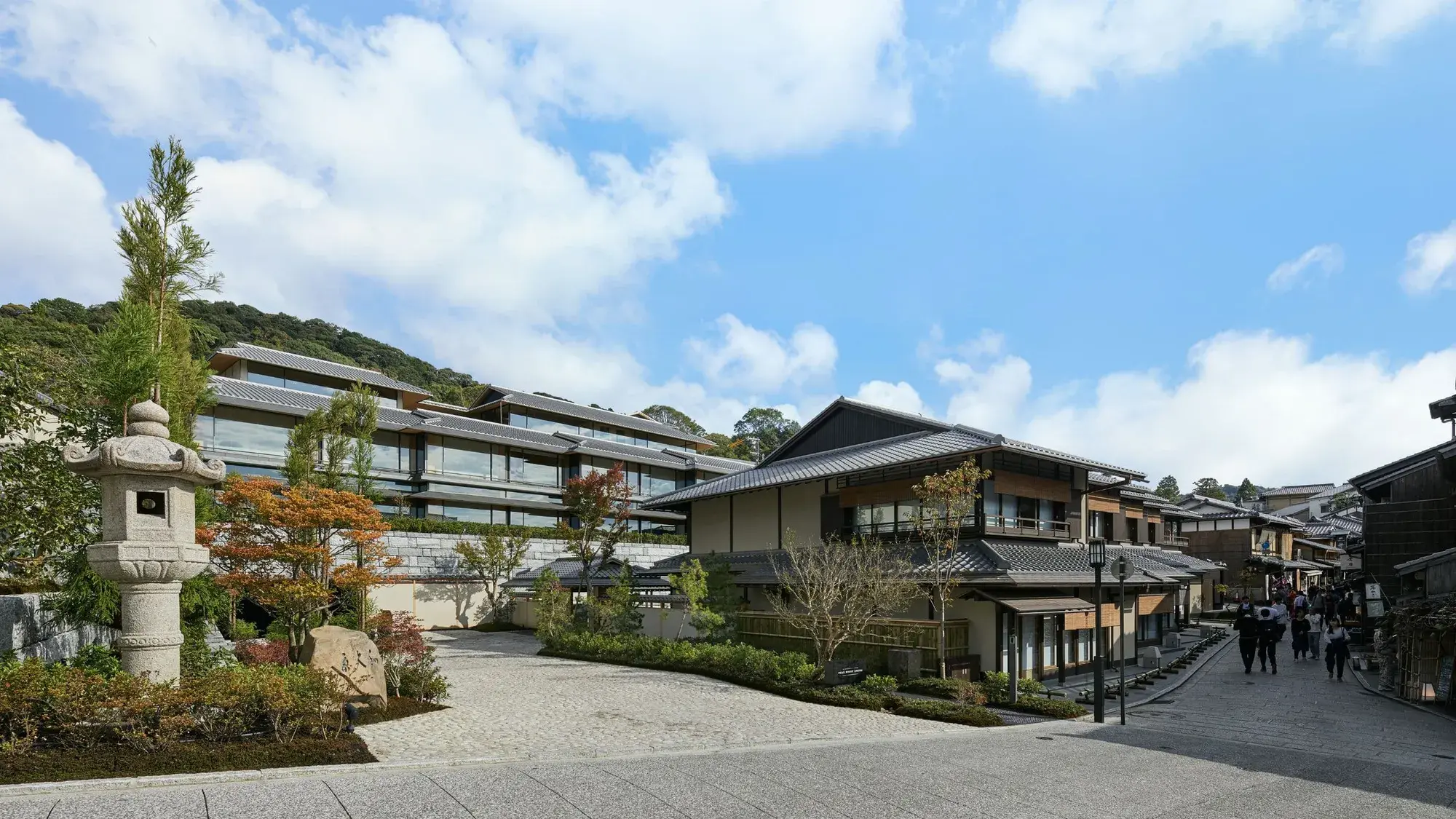
Higashiyama, Kyoto
HotelPark Hyatt Kyoto
On the Higashiyama slopes near Ninenzaka and Kodai-ji, among the old lanes of Kyoto's temple quarter.
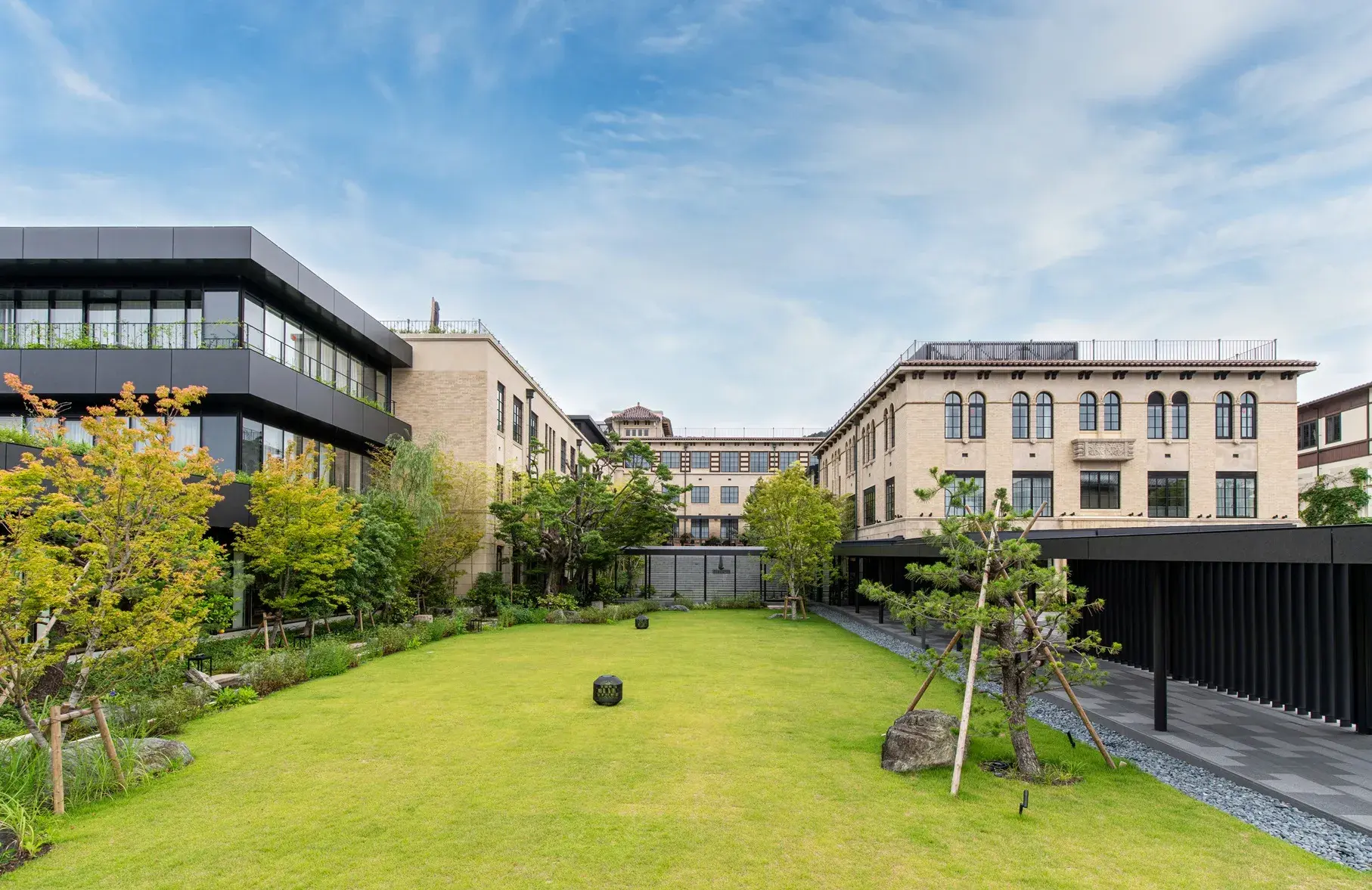
Kiyomizu, Kyoto
HotelThe Hotel Seiryu Kyoto Kiyomizu
ザ・ホテル青龍 京都清水
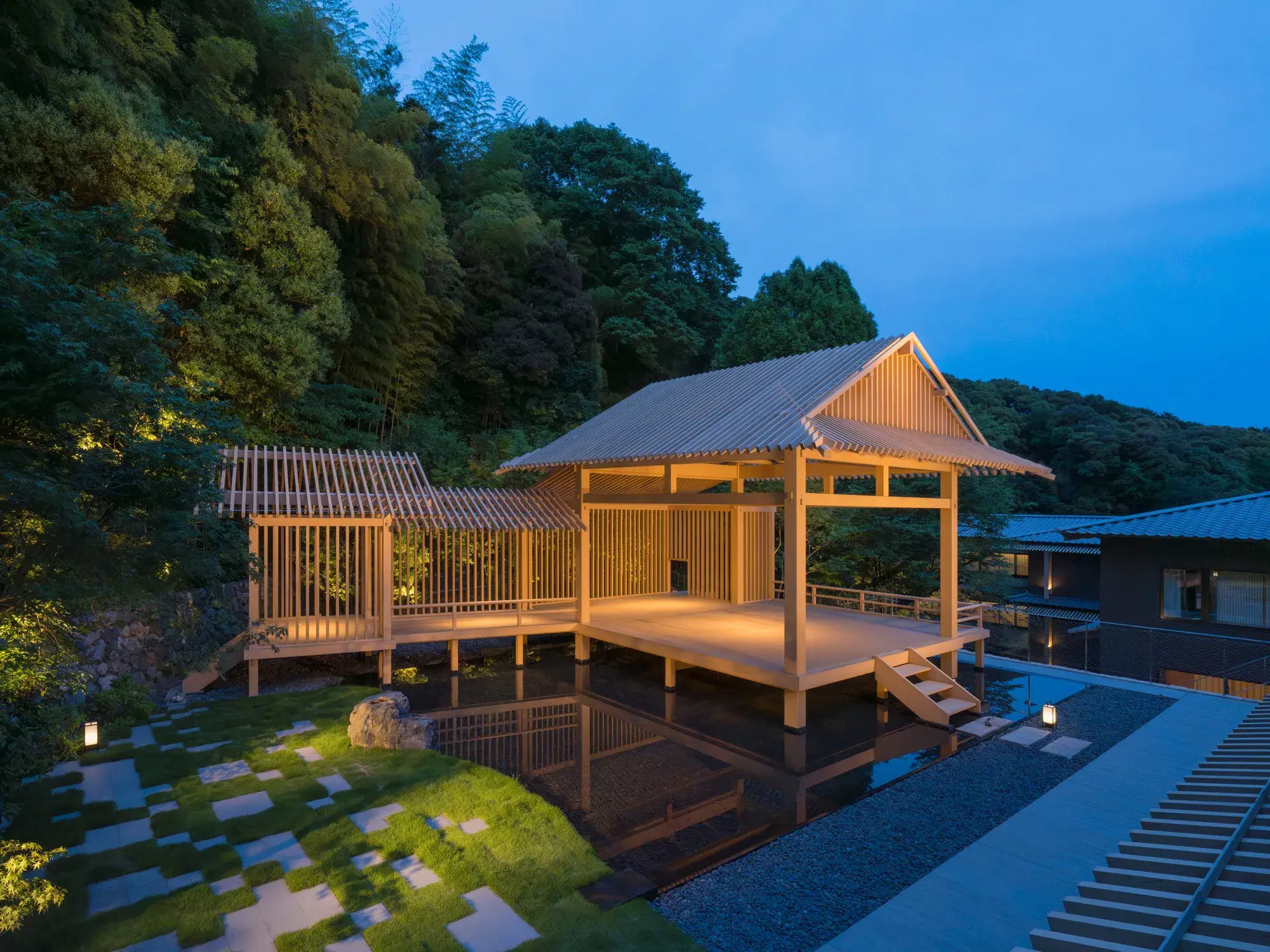
A 1933 primary school on the slope below Kiyomizu-dera
Seikanji Ryozan-cho, Kyoto
HotelBanyan Tree Higashiyama Kyoto
バンヤンツリー・東山 京都
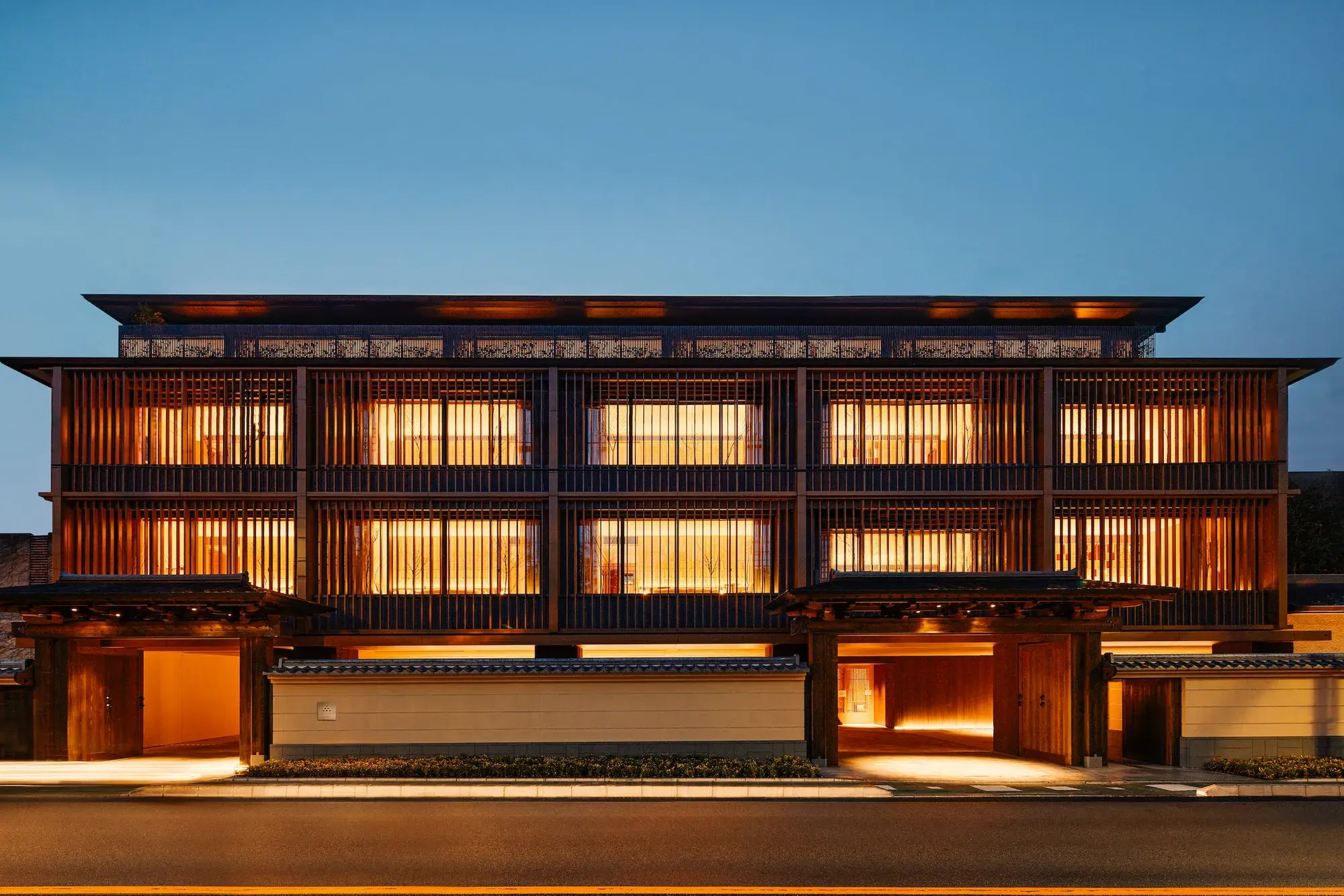
A Noh stage by Kengo Kuma, and Higashiyama's hot spring
Higashiyama, Kyoto
HotelSix Senses Kyoto
シックスセンシズ 京都
Choju-giga animals and bathhouses, opposite Toyokuni Shrine
Myohoin Maekawa-cho, Kyoto
HotelFour Seasons Hotel Kyoto
フォーシーズンズホテル京都
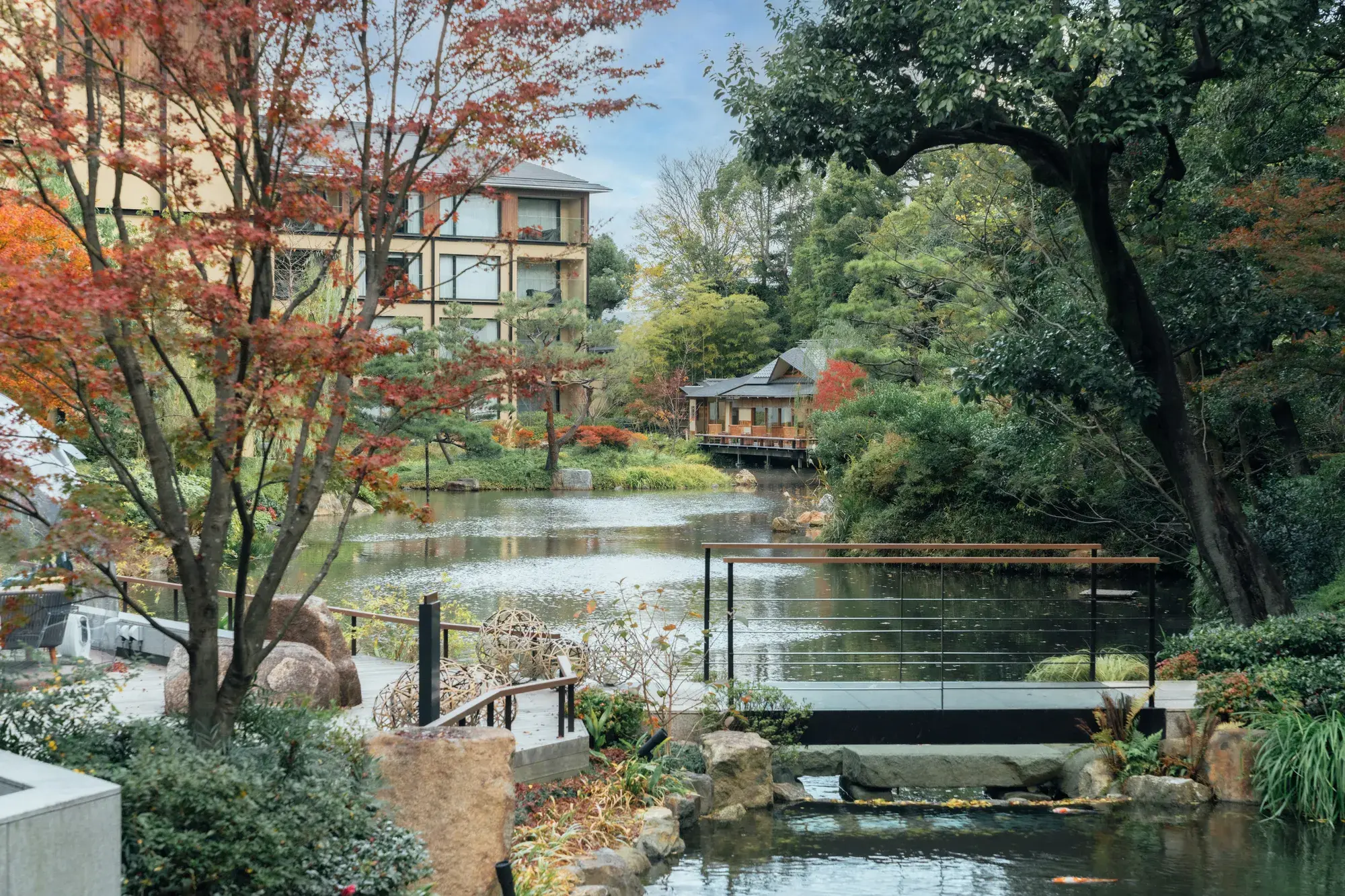
Shakusui-en, a Heian pond garden, and its tea house
Central Kyoto (Kawaramachi, Karasuma, Nijo)
The flat grid between the Kamo river and Nijo Castle, around Oike, Sanjo and Shijo streets: Nishiki market, the shopping arcades, Pontocho's river-front restaurants and the back streets of machiya houses. It is the easiest base for eating out and for getting anywhere by subway, and the old ryokan quarter on Fuyacho is here. Main roads are busy, but the side streets are quiet by ten at night.
- Suits
- Eating out, shopping, and a base with the subway at the door
- Bear in mind
- More city than temple town: the main sights are a bus, subway or taxi ride away
- Getting about
- Karasuma-Oike, Kyoto Shiyakusho-mae and Nijojo-mae (subway), Kawaramachi (Hankyu) and Sanjo (Keihan); Kyoto Station is about six minutes on the Karasuma line or 15 by taxi
Fuyacho Aneyakoji, Kyoto
RyokanTawaraya
俵屋旅館
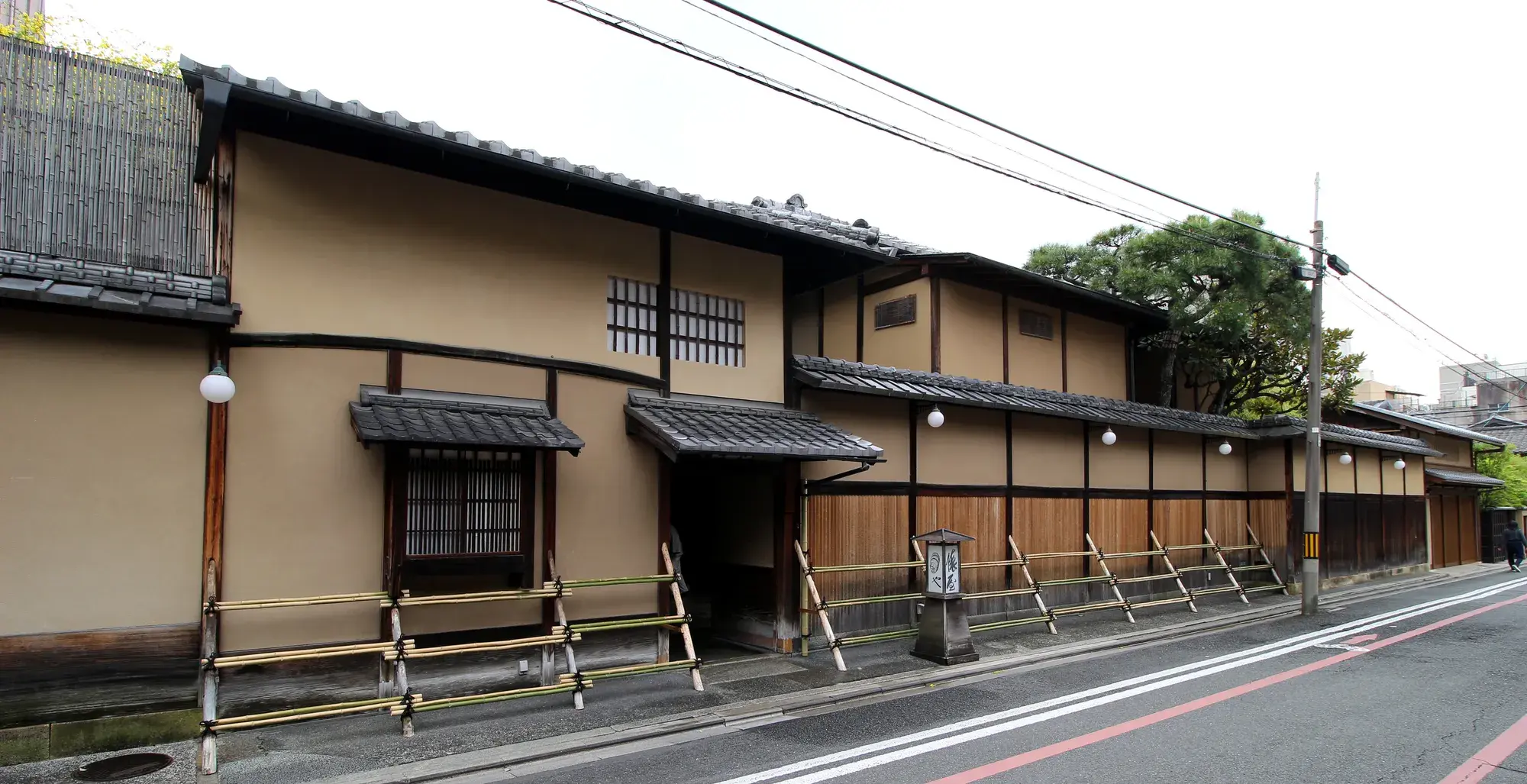
One family's inn for 300 years, a Junzo Yoshimura wing
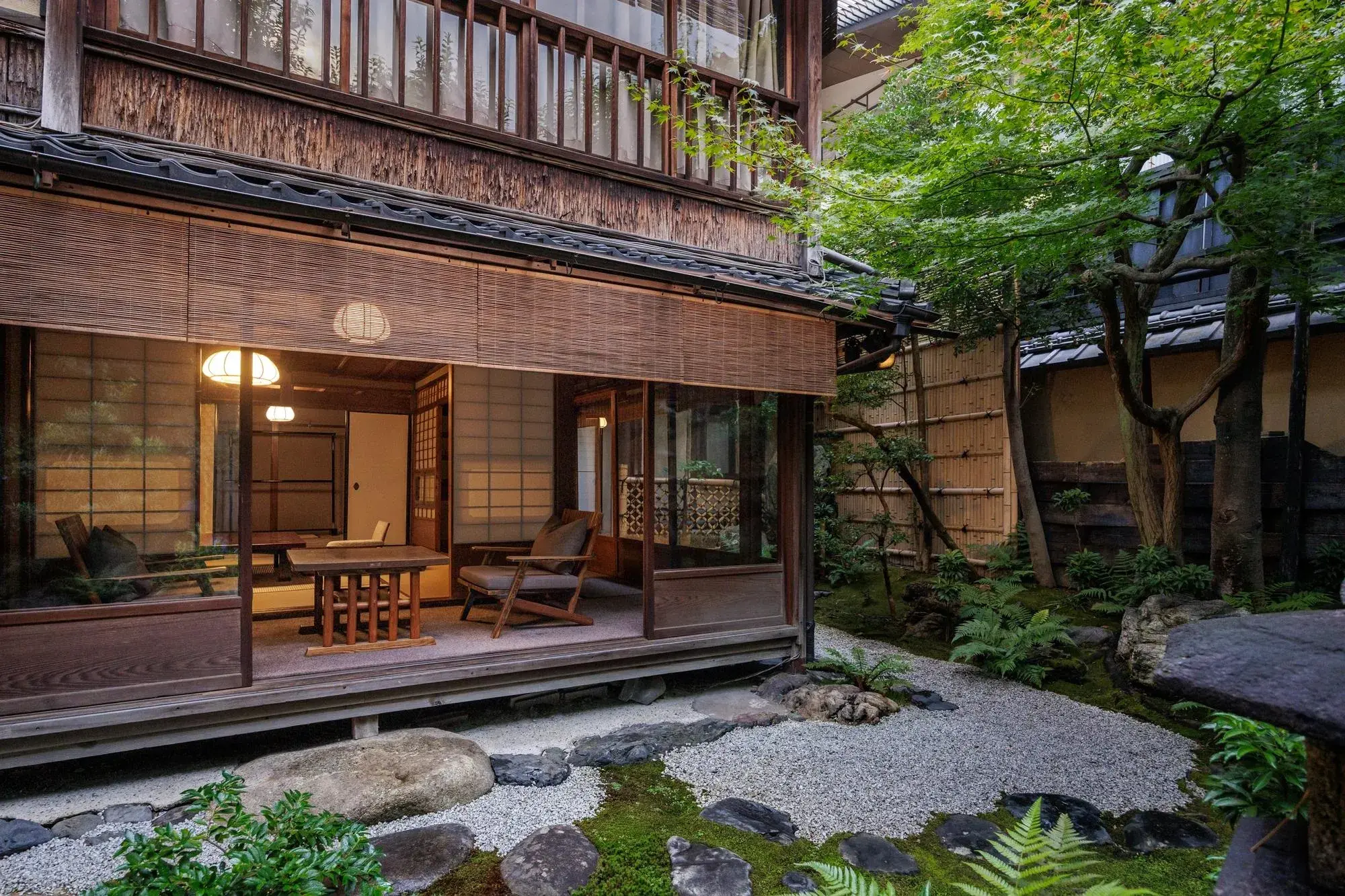
Nakahakusancho, Kyoto
RyokanHiiragiya
柊家
Edo-period rooms, Sanchi Ogawa's stained-glass baths
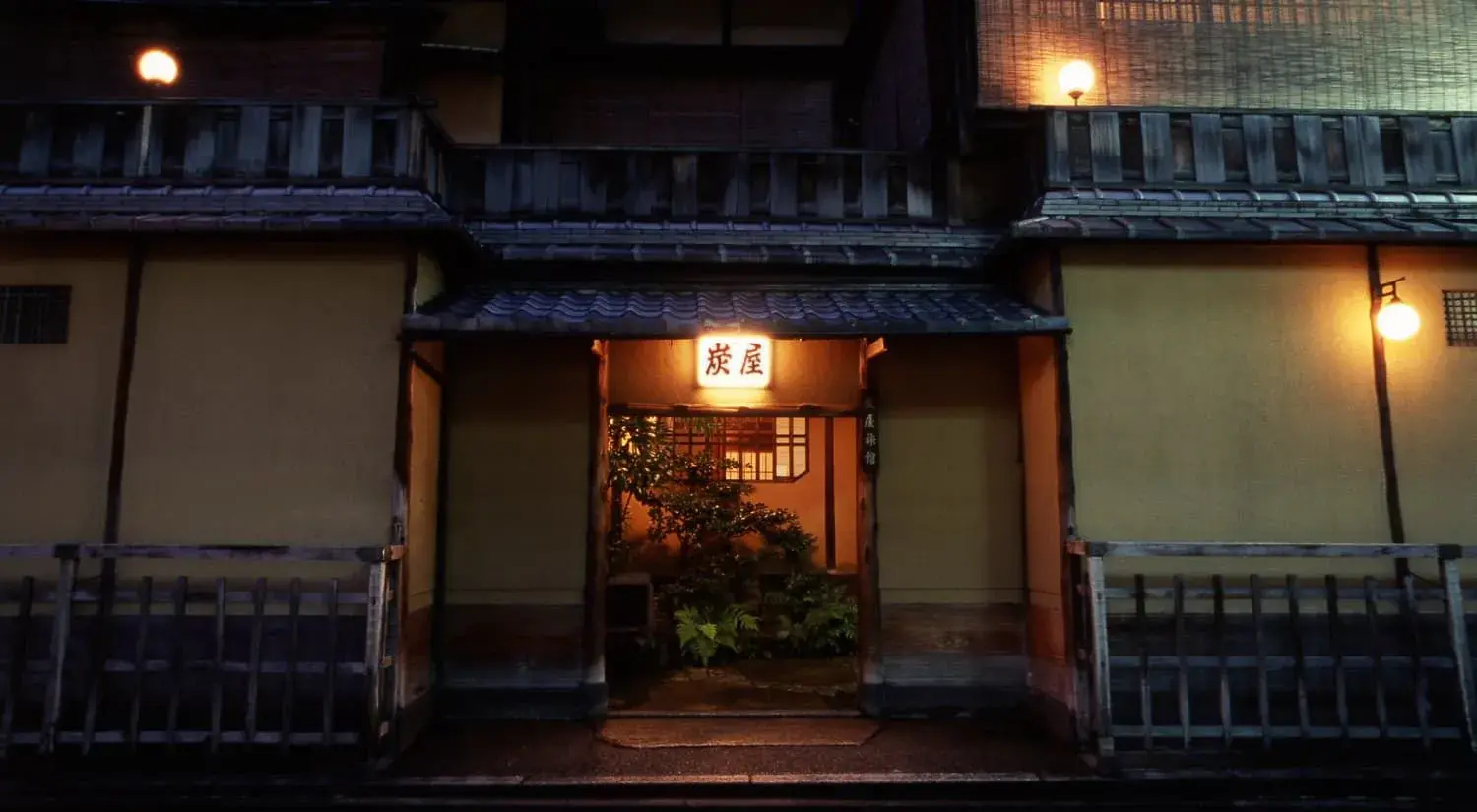
Fuyacho Sanjo, Kyoto
RyokanSumiya Ryokan
炭屋旅館
Tea gatherings in two tea rooms; matcha on the 7th and 17th
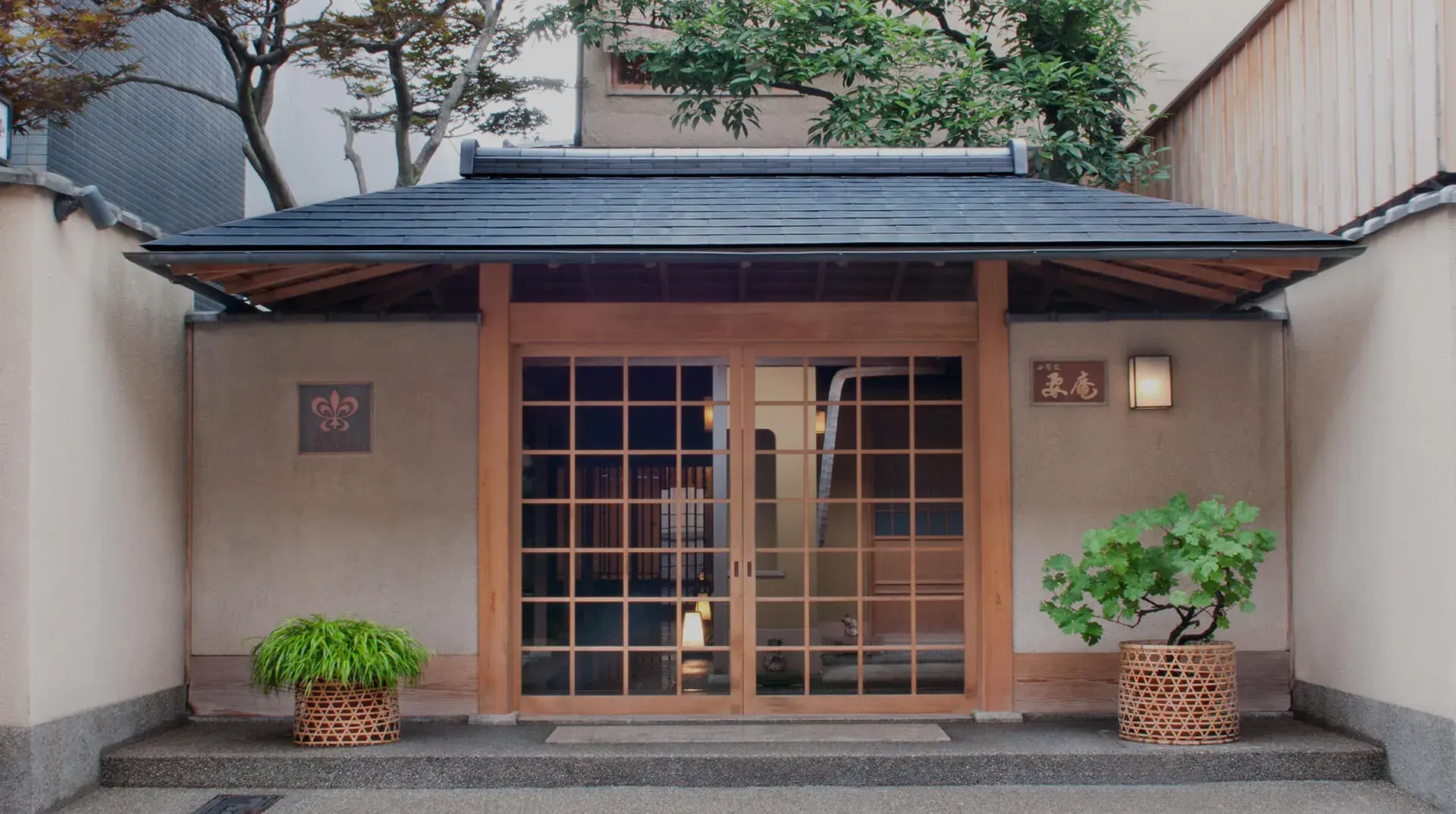
Tominokoji-Rokkaku, Kyoto
RyokanKanamean Nishitomiya
要庵西富家
Eight rooms, each with its garden, in an 1873 sukiya house
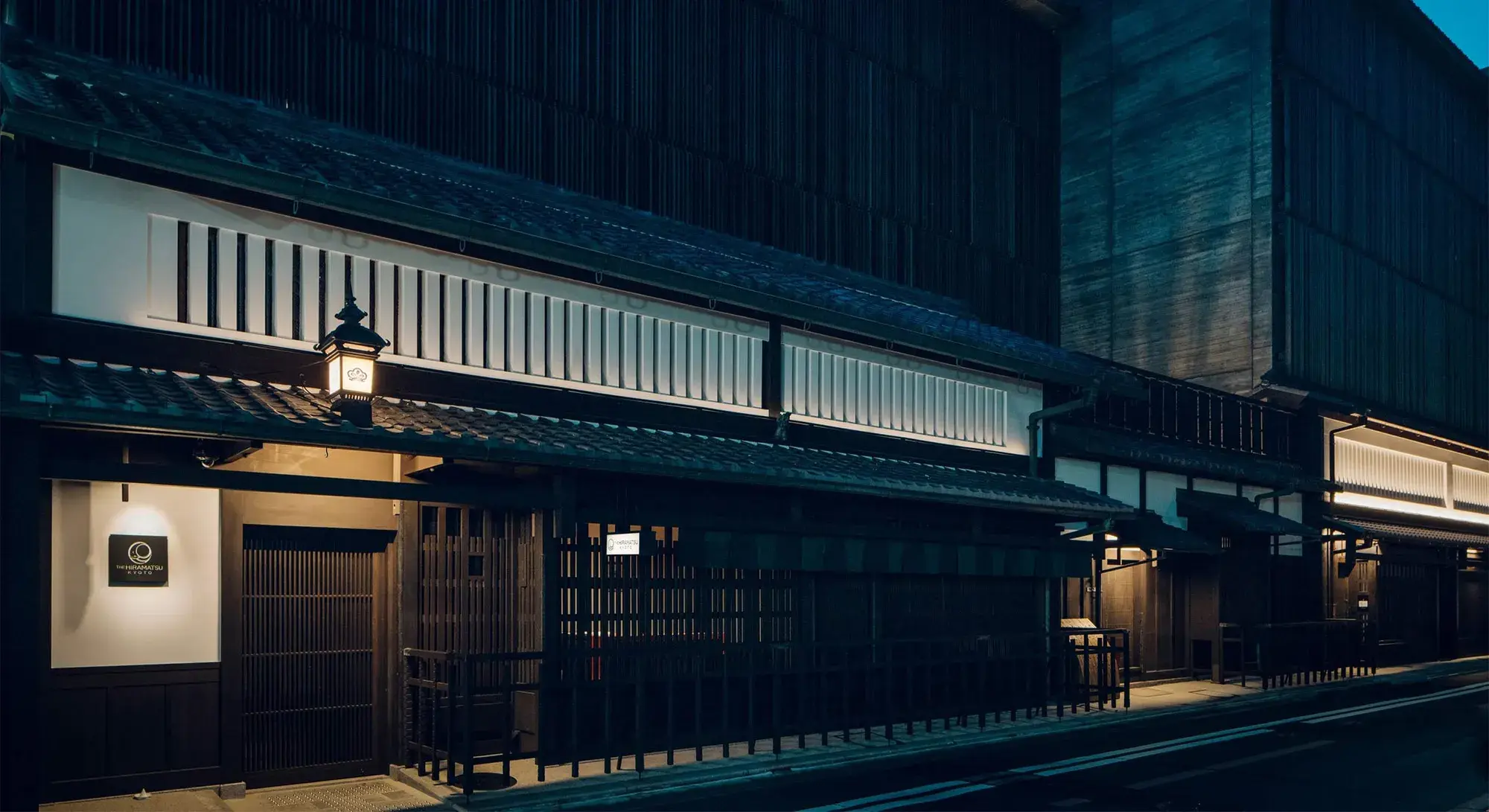
Nakagyo, Kyoto
AubergeTHE HIRAMATSU KYOTO
THE HIRAMATSU 京都
A Meiji kimono draper's machiya, with pine garden and kura
Kawaramachi Oike, Kyoto
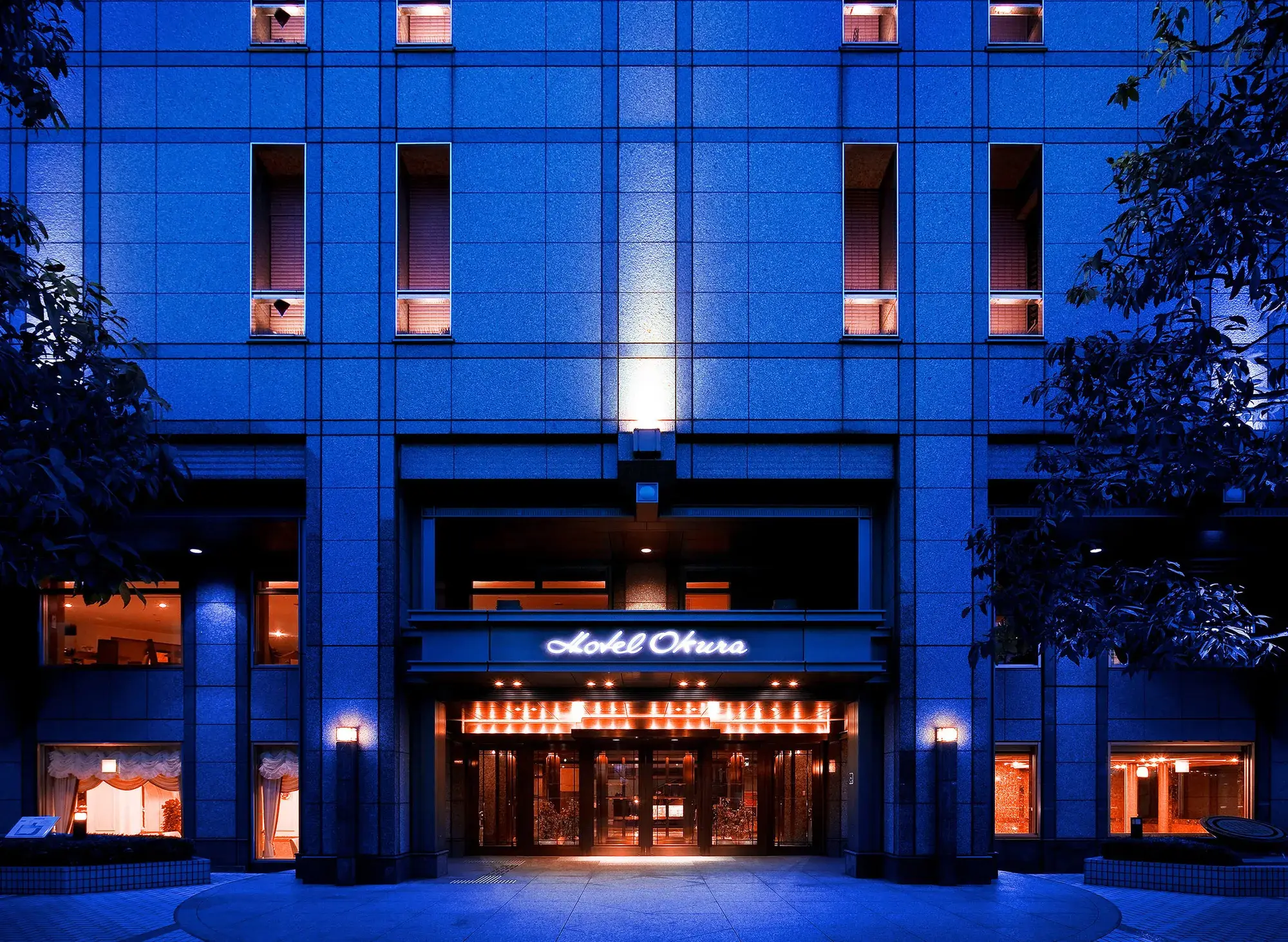
HotelHotel Okura Kyoto
ホテルオークラ京都
A hotel since 1890 on the Choshu domain's old residence
Nijo, Kyoto
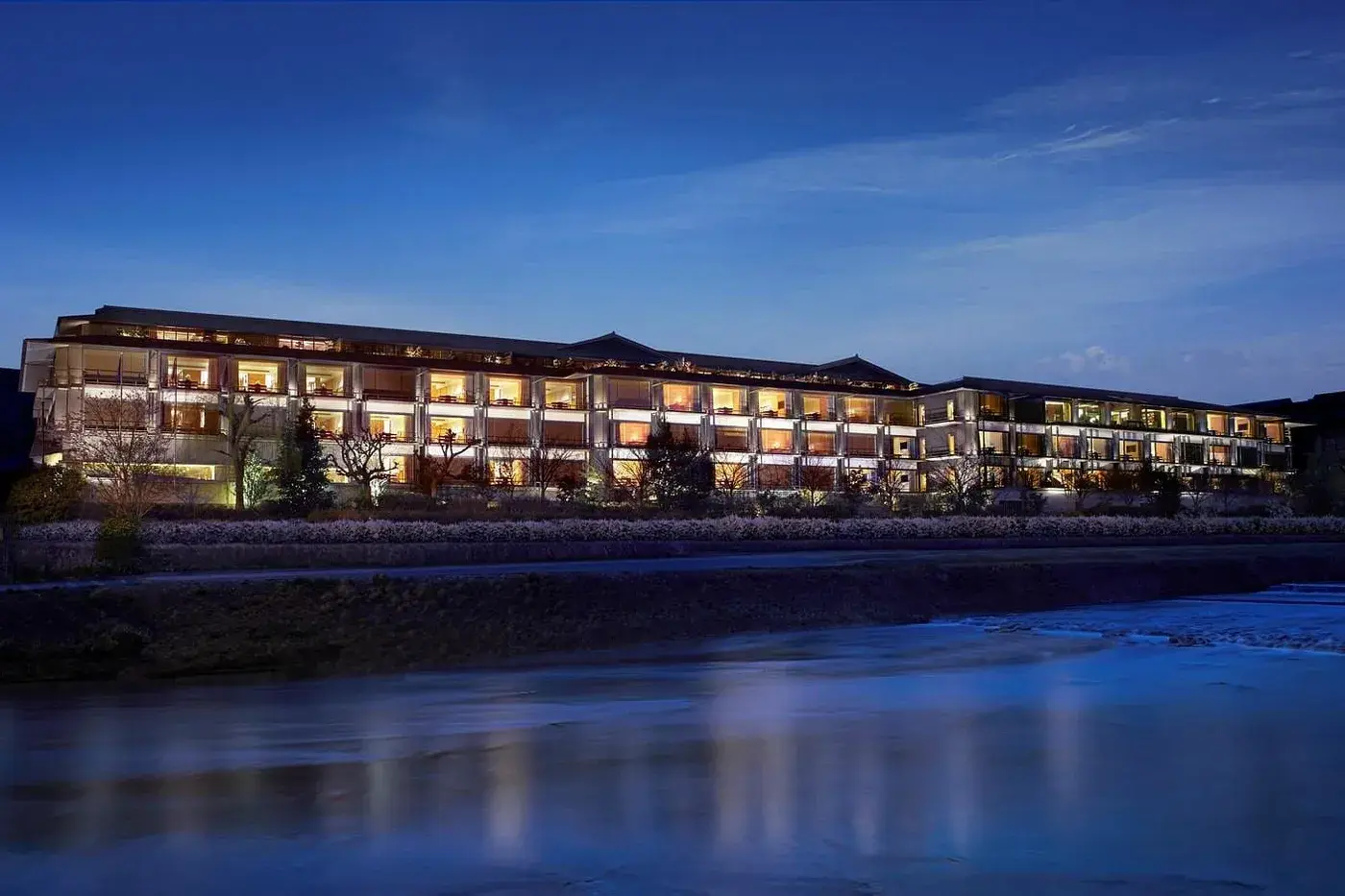
HotelThe Ritz-Carlton, Kyoto
Nijo, Kyoto
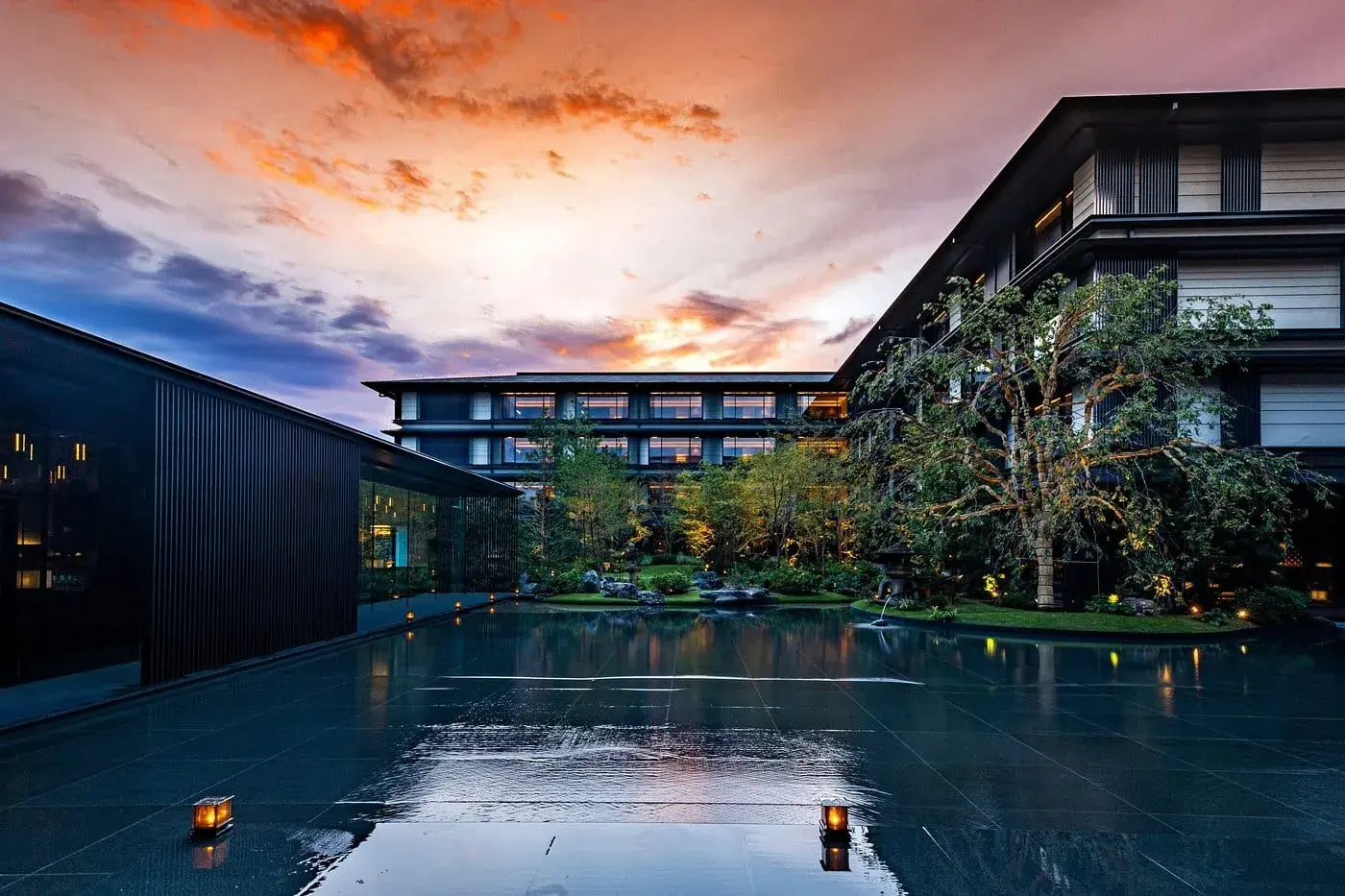
HotelHOTEL THE MITSUI KYOTO, a Luxury Collection Hotel & Spa
ホテル ザ ミツイ キョウト
Entered by a 1703 gate, opposite Nijo Castle
Kyoto Station
The modern district around the station and the great temples of Higashi Hongan-ji and Nishi Hongan-ji just to its north. It is practical rather than beautiful: department stores, office blocks and wide roads, with To-ji's pagoda to the south-west. Quiet at night away from the station itself.
- Suits
- Short stays, early trains, and day trips to Nara, Osaka or Himeji
- Bear in mind
- Little old Kyoto on the doorstep; evenings mean a trip into the centre or Gion
- Getting about
- Kyoto Station: Tokaido Shinkansen to Tokyo in about 2 hours 10 to 20 minutes by Nozomi, and the Haruka to Kansai Airport in about 75 minutes
Okazaki and Nanzen-ji
A green, residential quarter east of the river, around the Heian Shrine, the city's museums, the lake canal and the temple of Nanzen-ji, with the Philosopher's Path running north from it. The villas and gardens of the Meiji era line its lanes, among them Murin-an. Very quiet at night, yet Gion is a 20-minute walk.
- Suits
- Quiet nights, gardens, and walking the Philosopher's Path early
- Bear in mind
- Few restaurants open late on the doorstep; it is a taxi or a walk to Gion or the centre for dinner
- Getting about
- Keage and Higashiyama stations (Tozai subway line); Kyoto Station is about 15 minutes by subway with a change at Karasuma-Oike, or 20 to 25 by taxi
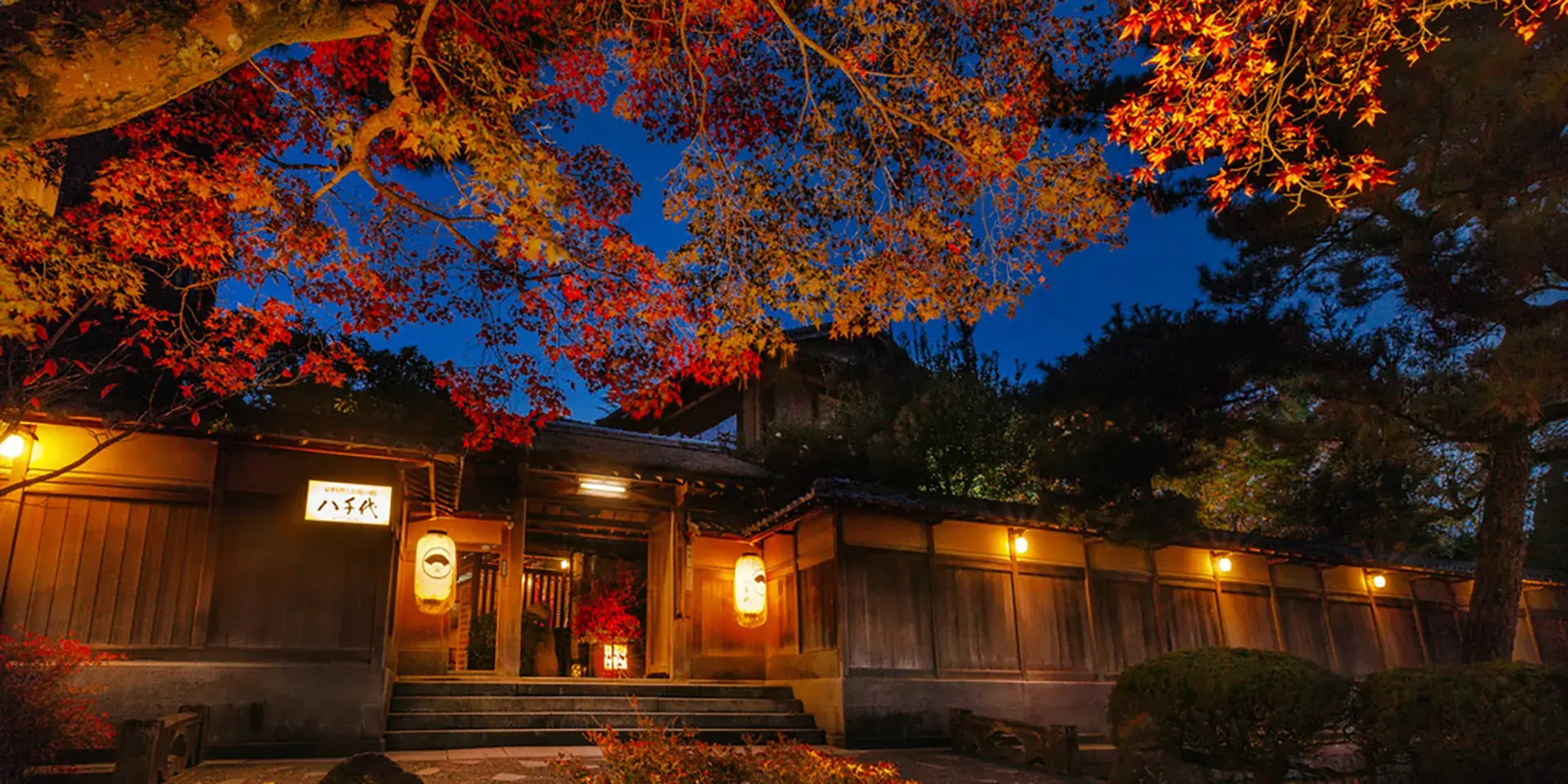
Nanzen-ji, Kyoto
RyokanKyoto Nanzenji Garden Ryokan Yachiyo
南禅寺 八千代
Seven hinoki baths open to an Ogawa Jihei garden
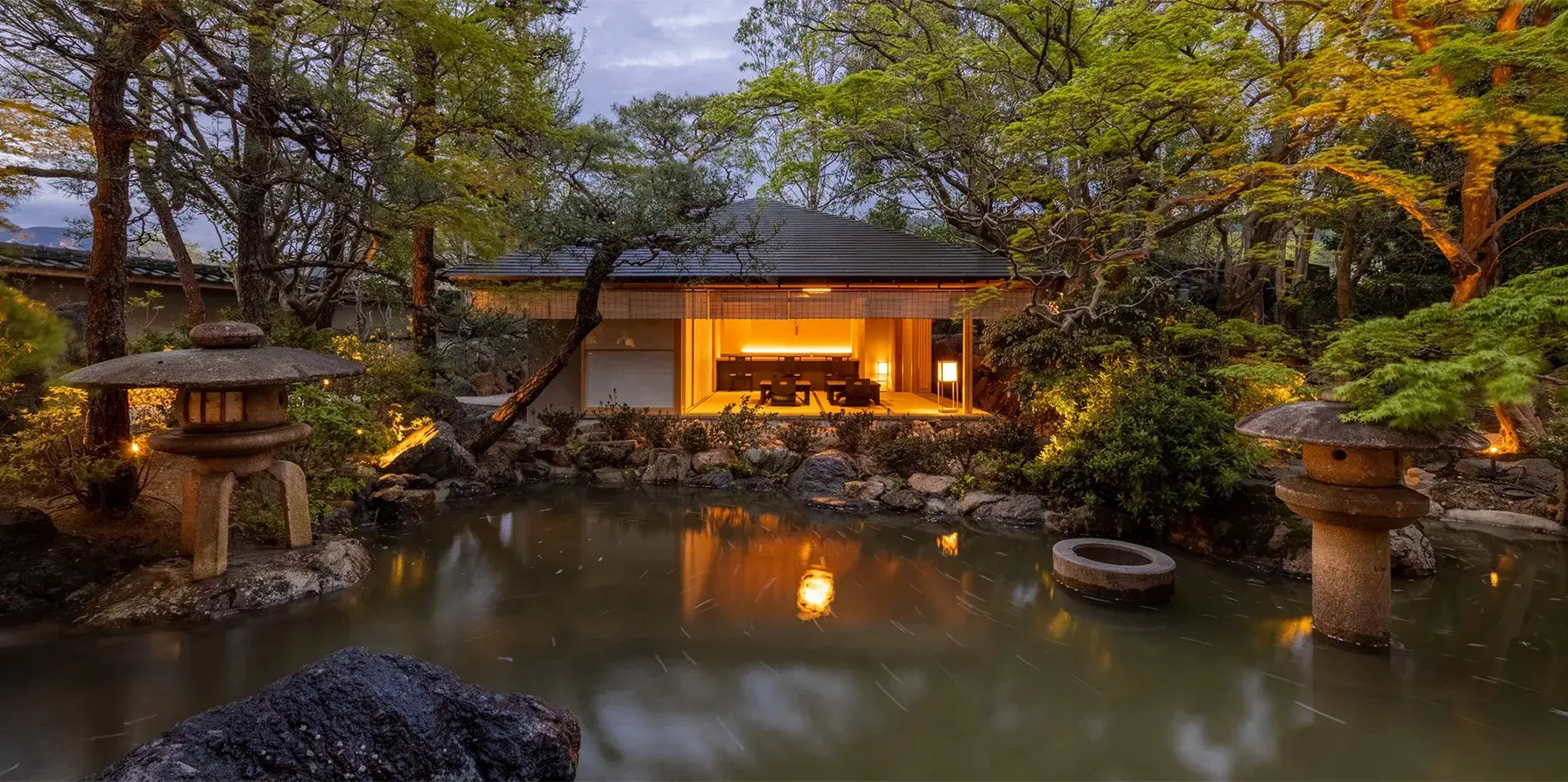
Nanzenji, Kyoto
RyokanFufu Kyoto
ふふ 京都
Hinoki baths by the canal at Nanzen-ji, next to Murin-an
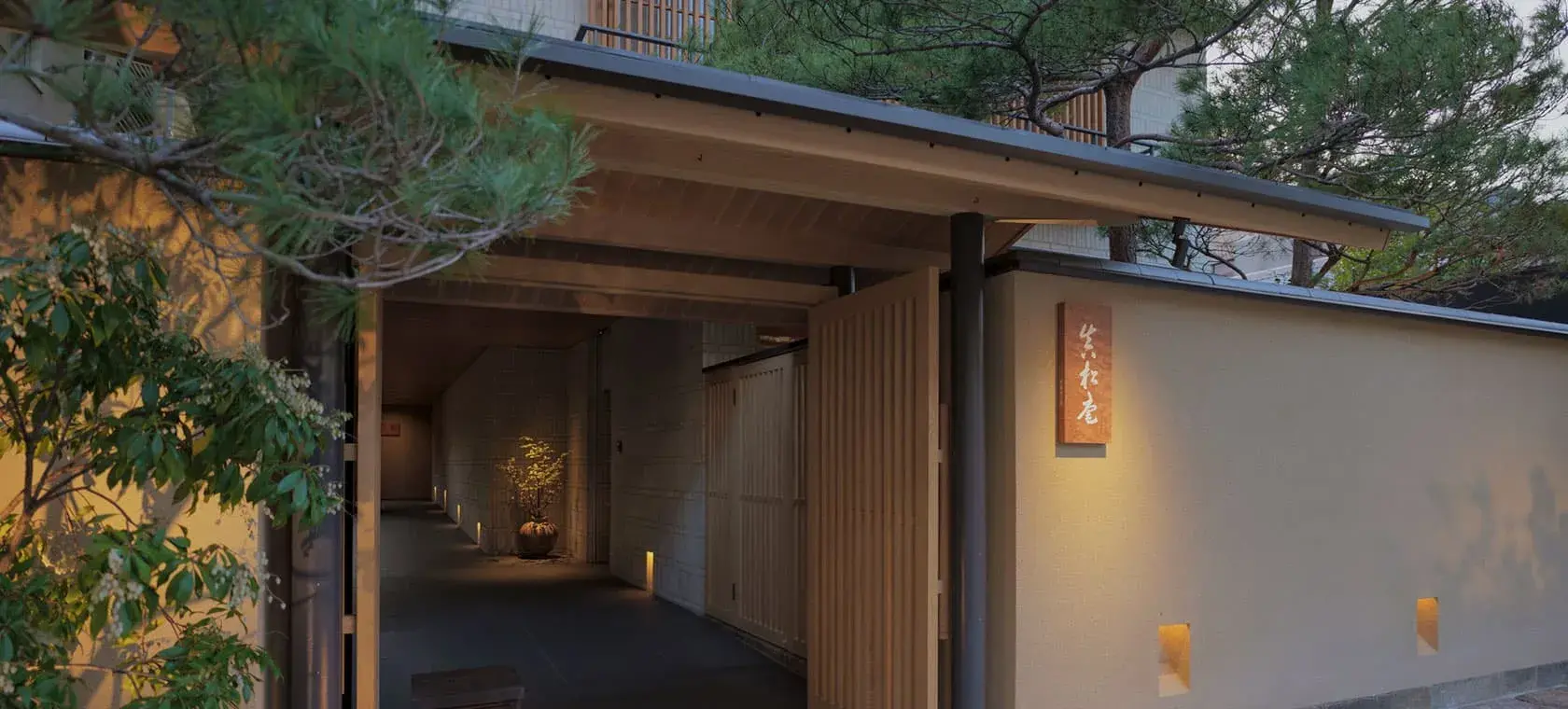
Okazaki, Kyoto
HotelShinsho-an
眞松庵
Four suites on the Nanzen-ji approach, by referral only
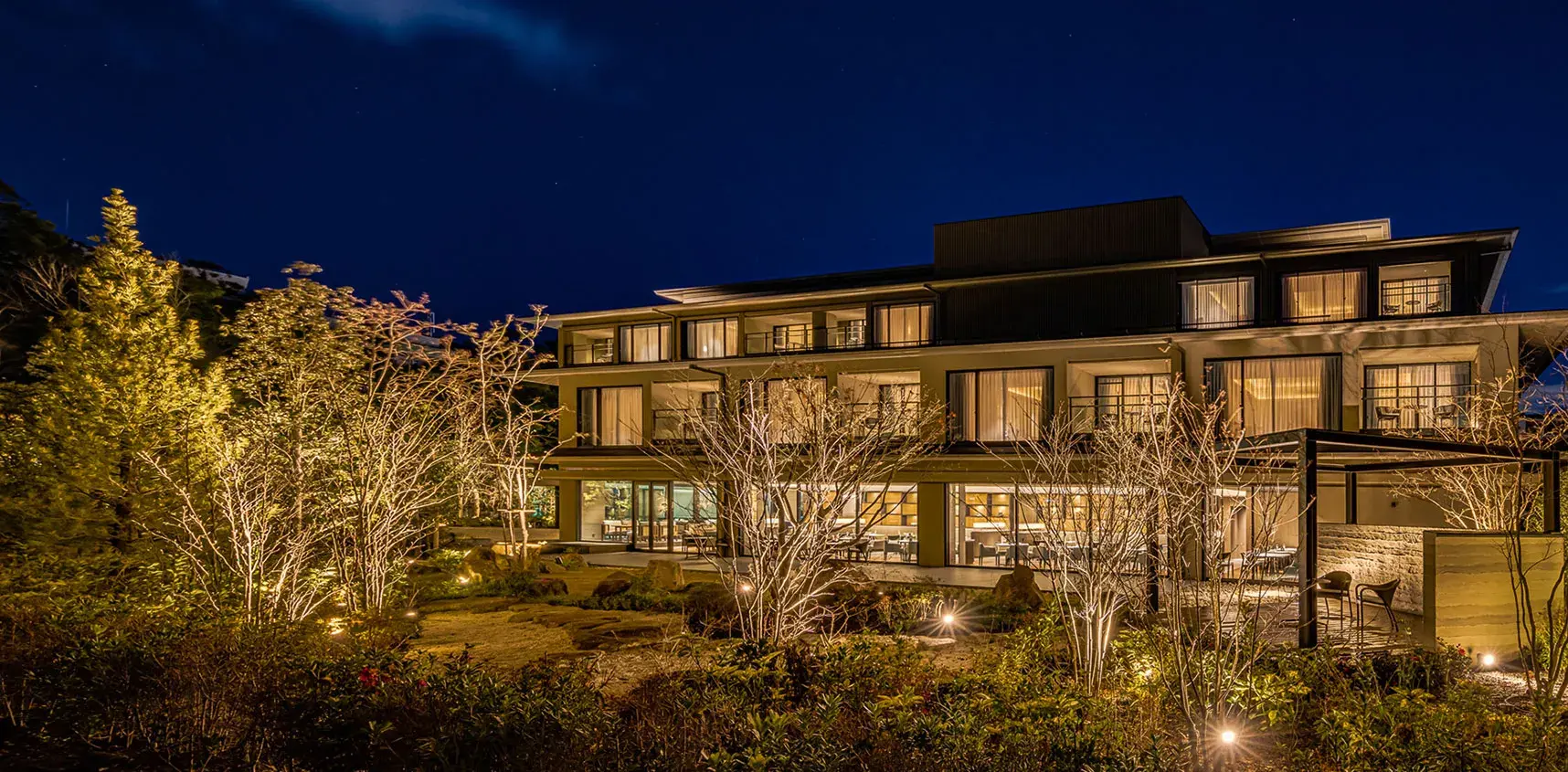
Okazaki, Kyoto
HotelHotel Okura Kyoto Okazaki Bettei
ホテルオークラ京都 岡崎別邸
In a Hongan-ji temple precinct, fitted by Kyoto craft heirs
Arashiyama
The river gorge at the western edge of the city, around the Togetsukyo bridge, Tenryu-ji, the bamboo grove and the Sagano hills. Packed with day visitors from mid-morning to late afternoon; at dusk they leave and the river, the hills and the temples are left to those staying. A place for a night or two of scenery rather than a base for the whole city.
- Suits
- The river and hills at dawn and dusk, and a slower night or two
- Bear in mind
- Far from the centre and Higashiyama, and crowded in the middle of the day
- Getting about
- Saga-Arashiyama (JR Sagano line, about 11 to 16 minutes from Kyoto Station), Arashiyama on the Randen and Hankyu lines; about 30 to 35 minutes by taxi from Kyoto Station
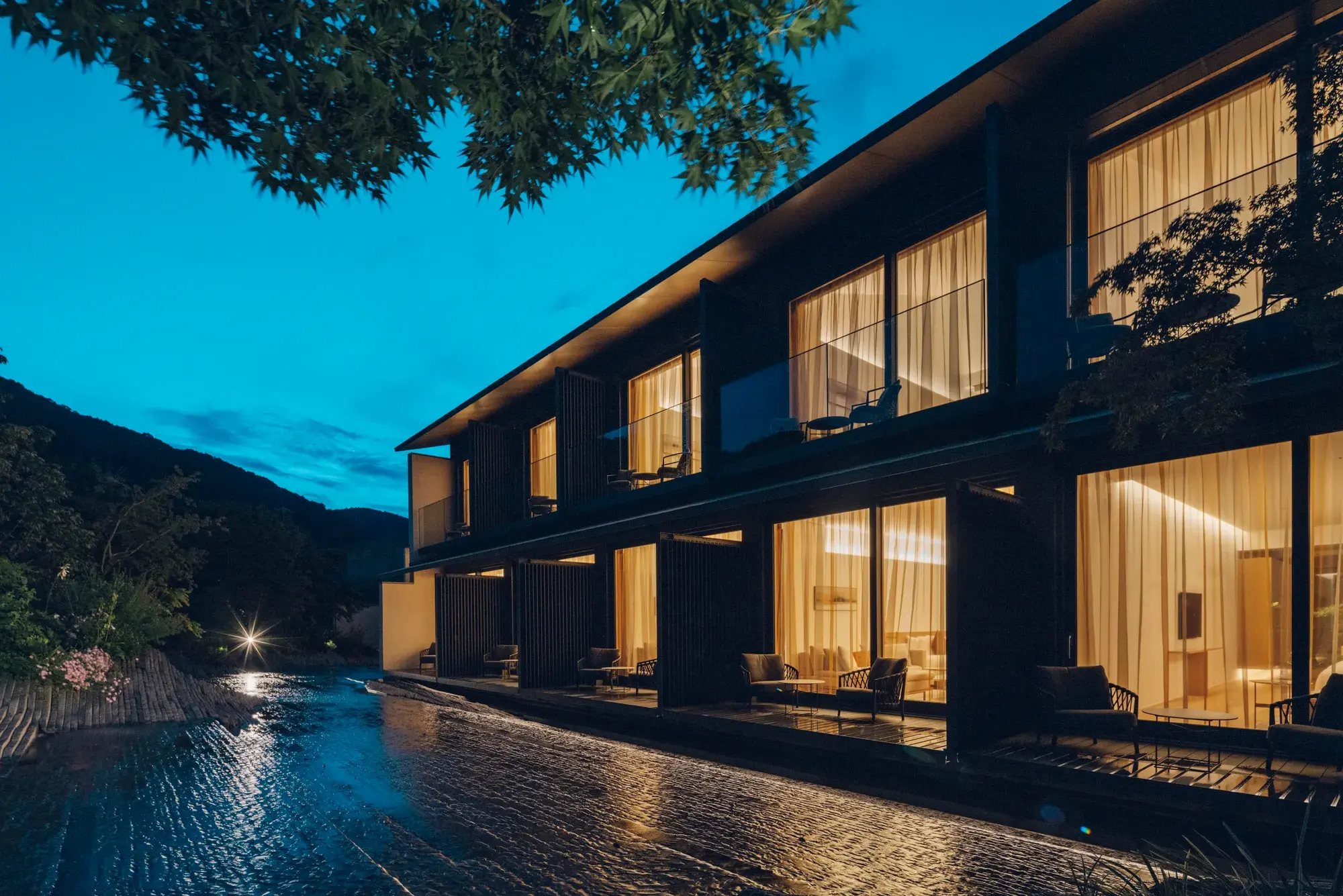
Arashiyama, Kyoto
HotelMuni Kyoto
MUNI KYOTO
Rooms facing the Togetsukyo bridge, French in kaiseki form
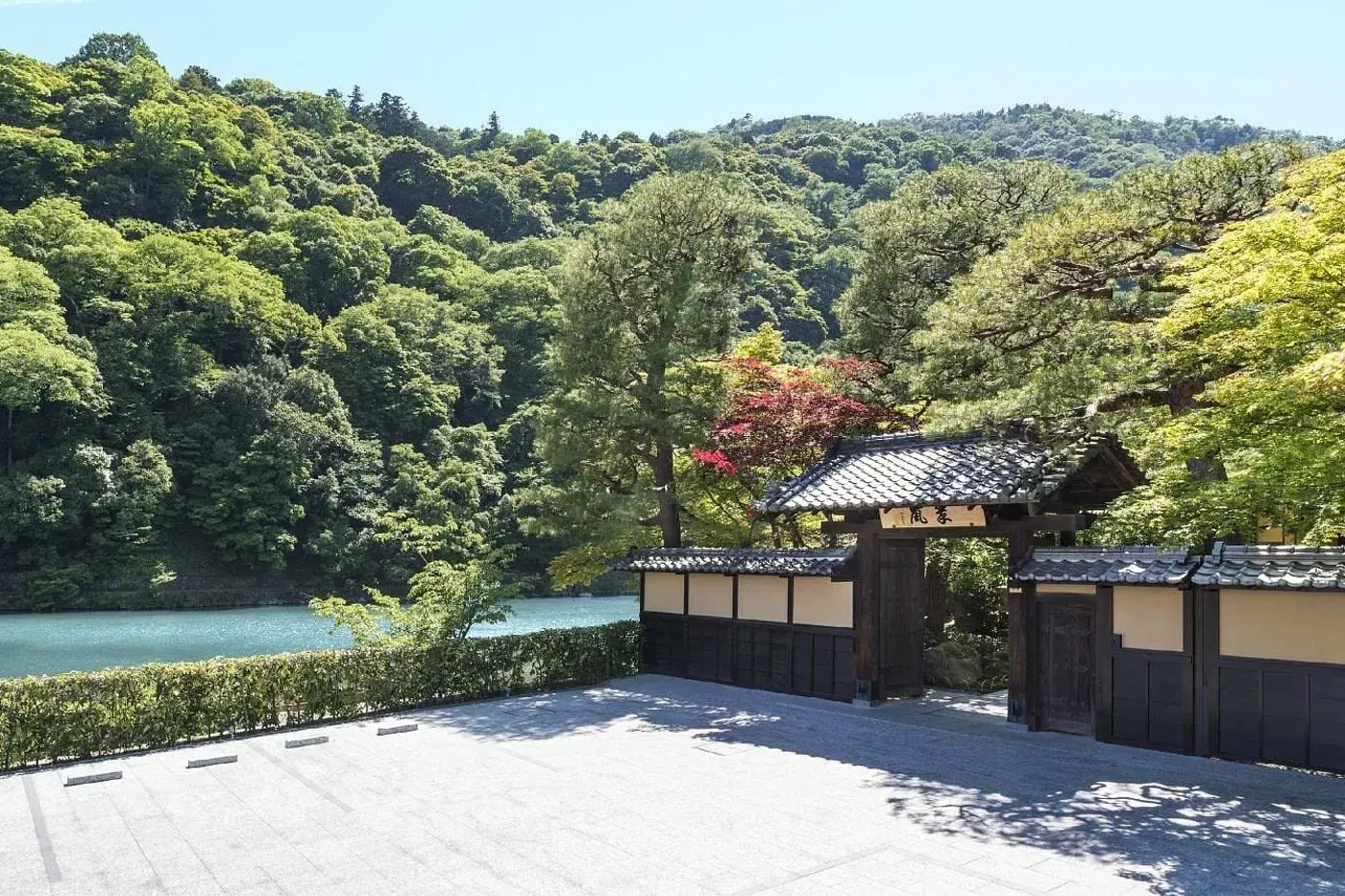
Saga-Tenryuji, Kyoto
HotelSuiran, a Luxury Collection Hotel, Kyoto
翠嵐 ラグジュアリーコレクションホテル 京都
Baron Kawasaki's 1899 villa on the Hozu River by Tenryu-ji
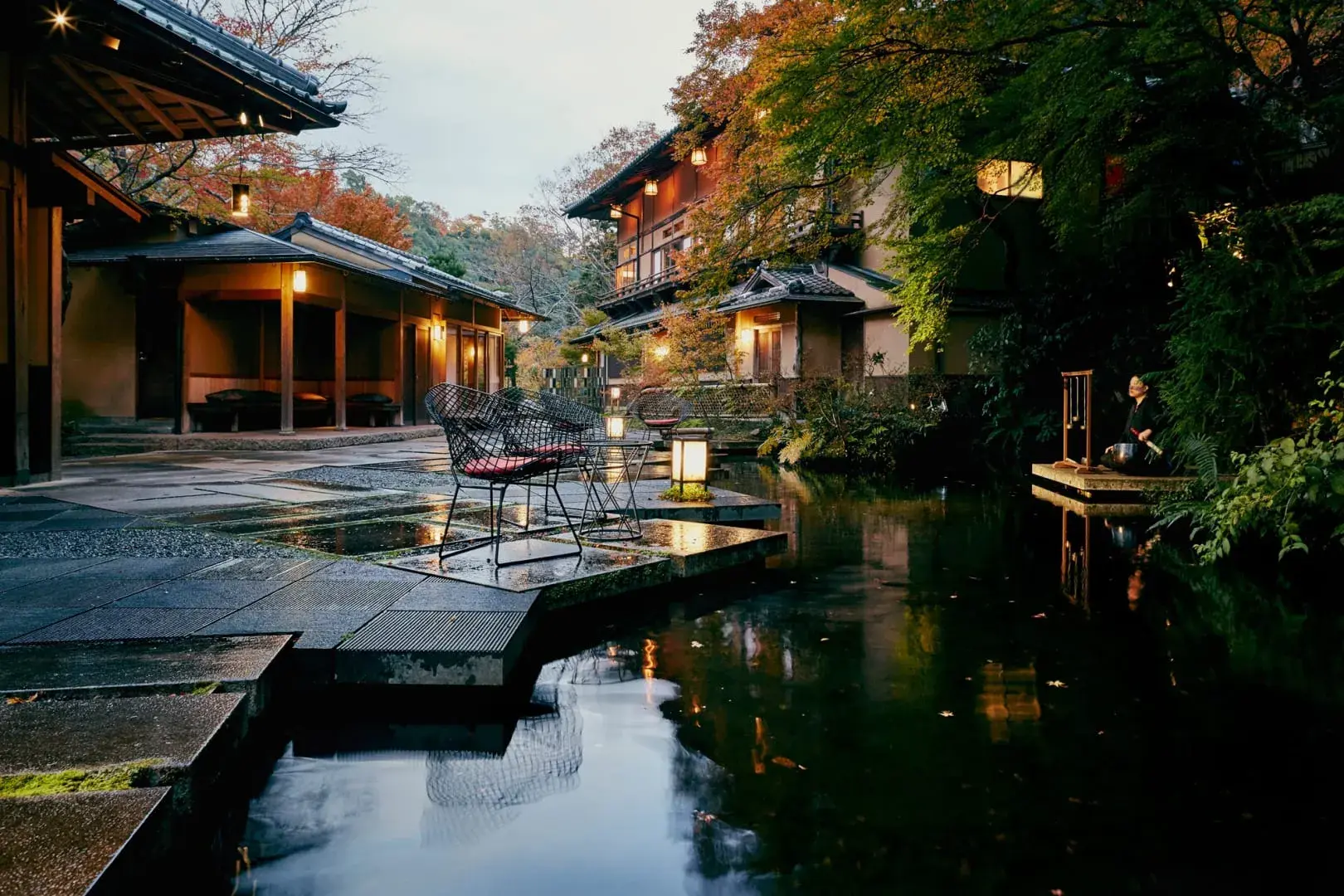
Arashiyama, Kyoto
RyokanHoshinoya Kyoto
星のや京都
By its own boat up the Oi river to a 17th-century villa
The north-west hills (Takagamine, Kinugasa, Omuro)
Wooded foothills on the north-western edge of the city, near Kinkaku-ji, Ryoan-ji, Ninna-ji and the craft village of Takagamine. Residential and green, with the temples of the Kinukake-no-michi road close by and very little at night beyond the hotels themselves.
- Suits
- Seclusion within the city, and the northern temples without the centre's crowds
- Bear in mind
- Everything else is a taxi ride, and there is little to eat outside the hotels in the evening
- Getting about
- No subway; Omuro-Ninnaji on the Randen Kitano line serves Ninna-ji, and Kyoto Station is about half an hour away by road
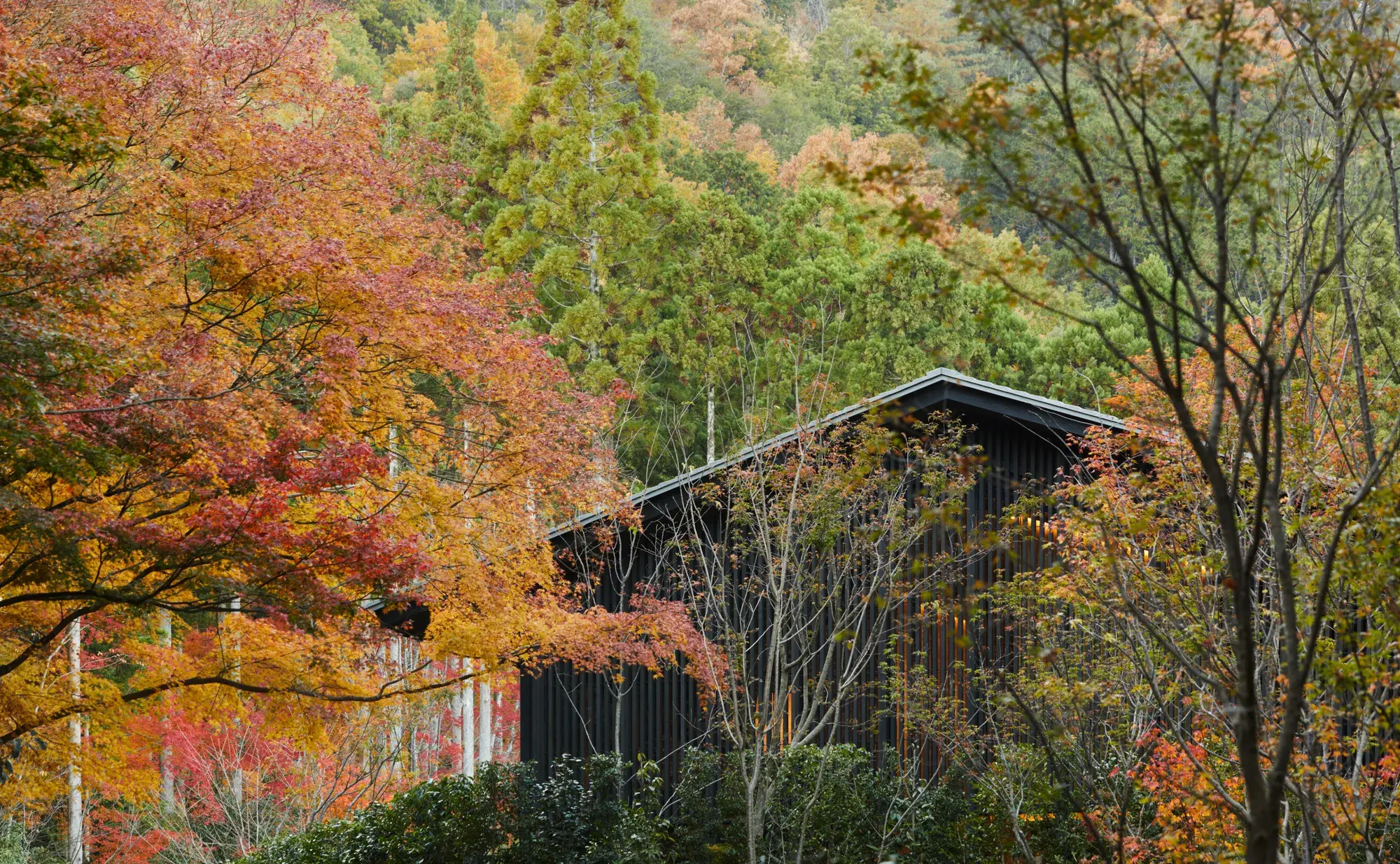
Takagamine, Kyoto
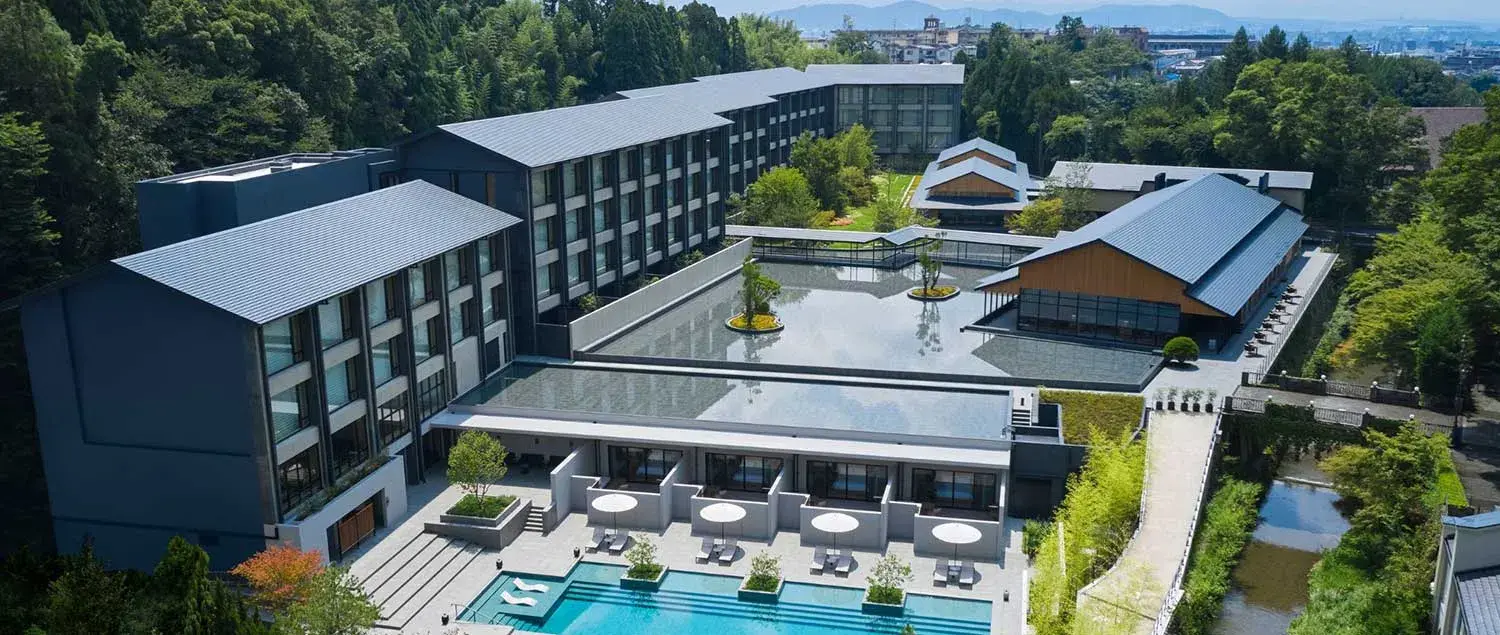
HotelAman Kyoto
A secret garden north of the city that a textile collector spent decades laying out and never built on.
Kinugasa, Kyoto
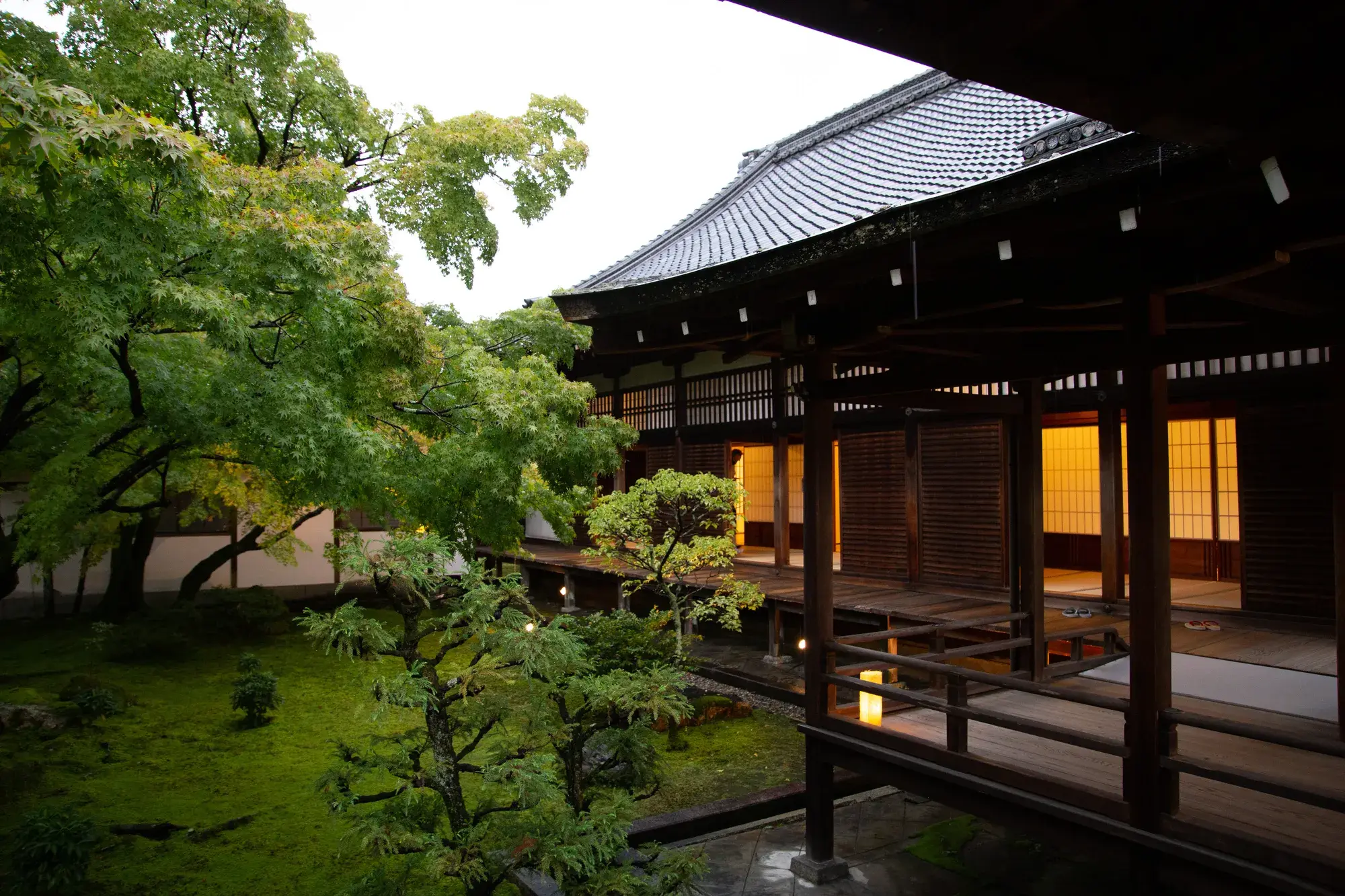
HotelROKU KYOTO, LXR Hotels & Resorts
In Rakuhoku, the wooded hills of north-west Kyoto, with a thermal pool filled from a natural hot spring.
Omuro, Kyoto
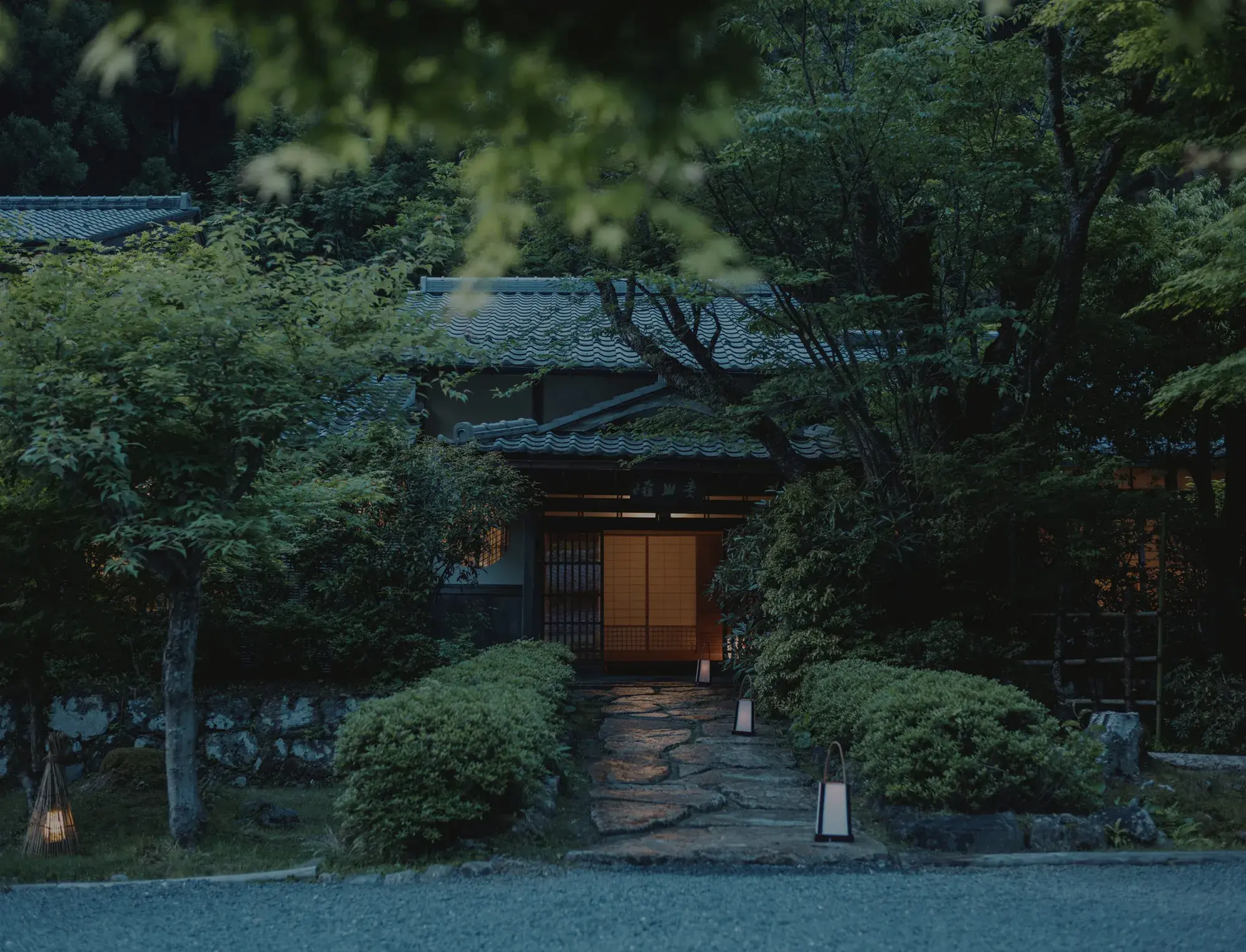
RyokanNinnaji Shorinan
仁和寺 松林庵
A house inside Ninna-ji, the temple yours from dusk to dawn
The far north (Kurama, Hanase, Ohara)
Mountain valleys of cedar forest, farming hamlets and mountain temples beyond the city: Kurama and Kibune on the Eizan line, Ohara with Sanzen-in, and further up, Hanase. Snow in winter, deep green in summer, and silence at night.
- Suits
- A night in the mountains, for the food and the forest, on a longer stay
- Bear in mind
- Remote: Hanase is about an hour by car from central Kyoto, with few buses
- Getting about
- Eizan line from Demachiyanagi to Kurama; Hanase by car from central Kyoto in about an hour, or by Kyoto Bus 32 from Demachiyanagi
More on Kyoto
Q&A
Higashiyama and Gion, or the centre just across the river. Higashiyama puts Kiyomizu-dera, Yasaka Shrine and Gion on foot, from the Imperial Hotel, Kyoto inside Gion to The Hotel Seiryu Kyoto Kiyomizu on the slope below the temple; central Kyoto, where Tawaraya and Hotel Okura Kyoto are, is better for restaurants and the subway.
Only if you are there for a night or two, or making day trips by train. The station is the best connected spot in the city but the least like Kyoto, and Gion and the centre are 10 to 15 minutes away by taxi; Dusit Thani Kyoto, by Higashi Hongan-ji, is the closest of our places.
Central Kyoto or Higashiyama, so the evening and the next morning are spent walking rather than travelling. A ryokan in the centre, such as Hiiragiya or Sumiya Ryokan, gives you dinner and breakfast within the stay and leaves you a short taxi ride from Kyoto Station.
Three nights is enough for Higashiyama, the centre and one outlying area such as Arashiyama; four or five allow a day trip to Nara and a slower pace. On a longer stay, many people split their nights between the city and a quieter place such as Arashiyama or the north.
For at least one night, if you want the city's own form of hospitality: tatami rooms, a bath, and kaiseki served course by course. The old central inns, Tawaraya, Hiiragiya and Sumiya Ryokan, are on Fuyacho, and Kyoto Nanzenji Garden Ryokan Yachiyo and Fufu Kyoto sit by Nanzen-ji; expect set meal times and fewer of a hotel's facilities.